How to Plan Epic Scavenger Hunts for Kids
To plan an epic scavenger hunt for kids, start by picking a theme that gets them excited—pirates, superheroes, or detectives all work great. Next, choose a safe location that matches their energy level and scout it beforehand. Create age-appropriate clues using pictures for little ones and riddles for older kids. Set clear boundaries and safety rules, then gather fun prizes so everyone feels like a winner. Below, you’ll find everything you need to make it unforgettable.
Key Takeaways
- Choose an exciting theme like pirates or superheroes that matches the children’s age group and interests.
- Select a safe location with natural hiding spots, scouting the area beforehand for potential hazards.
- Create age-appropriate clues using pictures for younger kids and riddles or codes for older children.
- Establish clear boundaries, safety rules, and a buddy system before the hunt begins.
- Prepare fun prizes for all participants while offering special recognition for winners to maintain enthusiasm.
Choose a Theme That Sparks Excitement
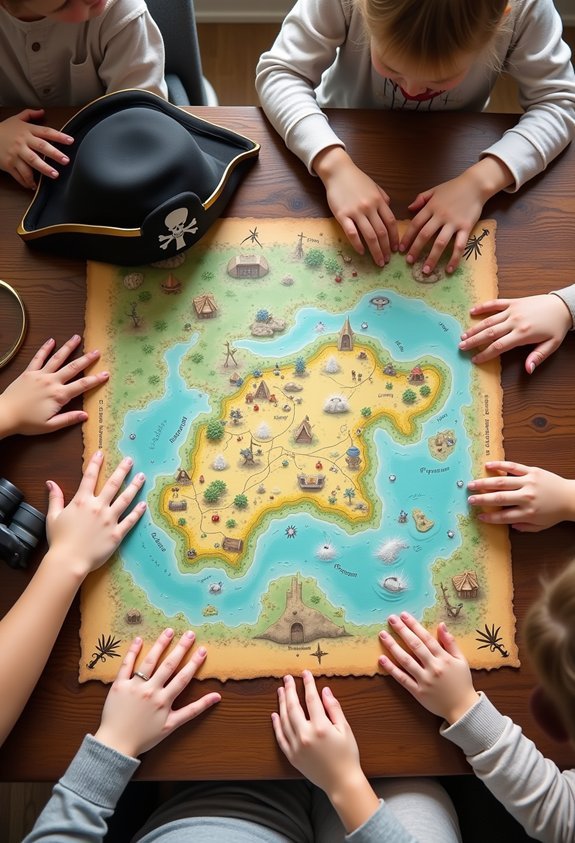
When you’re planning a scavenger hunt, picking the right theme can make all the difference. A great theme pulls kids into the adventure and keeps them engaged from start to finish.
Think about what excites your child. Do they love fantasy adventures with dragons and treasure maps? Maybe they’d prefer nature explorations where they search for leaves, rocks, and animal tracks.
The best scavenger hunts start with one simple question: what makes your child’s imagination come alive?
Popular themes to consider:
- Pirates hunting for buried treasure
- Detectives solving a mystery
- Superheroes saving the day
- Safari explorers in the wild
Match the theme to the age group and setting. Younger kids often love bright colors and familiar characters. Older children enjoy challenges and storylines with twists.
You’ve got this! Pick something fun and watch their eyes light up.
Select the Perfect Location for Your Hunt
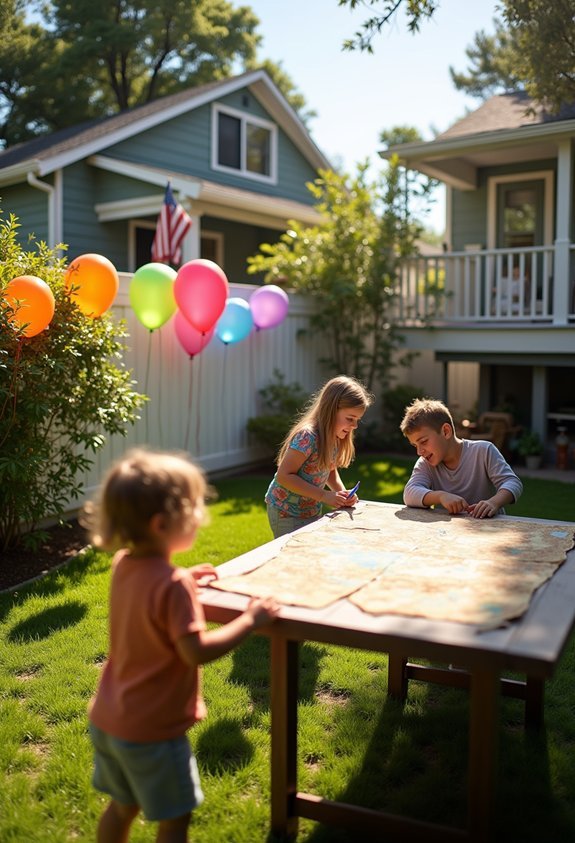
Finding the right spot for your scavenger hunt sets the stage for everything else. Your choice shapes the clues, the energy, and how much fun everyone has.
Consider these options:
- Outdoor spaces: Parks work wonderfully. Think about park features like playgrounds, benches, trees, and walking paths. These give you natural hiding spots.
- Indoor spaces: Your home, a community center, or a library can shine on rainy days. Bedrooms, closets, and bookshelves become exciting territory.
Quick tips:
- Match the location to your child’s age and stamina.
- Scout the area first for safety.
- Pick somewhere with variety—different textures and corners keep things interesting.
You’ve got this. The right location makes magic happen.
Create Age-Appropriate Clues and Challenges
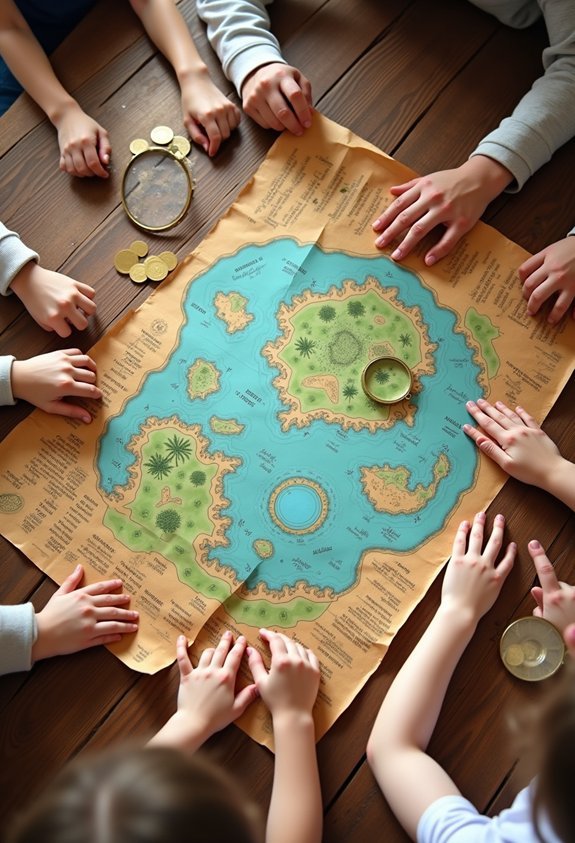
Once you’ve locked in your location, it’s time to craft clues that actually work for your kids. Your clue creativity matters more than fancy supplies. Think about what your child can read, solve, and understand. Match the challenge difficulty to their age—too hard feels frustrating, too easy gets boring fast.
Tips for getting it right:
- Use pictures instead of words for kids under 6
- Try simple rhymes for early readers
- Add riddles or codes for older kids who love puzzles
- Keep each clue short—one clear idea works best
- Test clues beforehand to catch confusing wording
You know your kids. Trust that instinct. Start simple, then level up if they’re racing through too quickly. The sweet spot keeps them thinking and smiling.
Gather Supplies and Hide Your Treasures
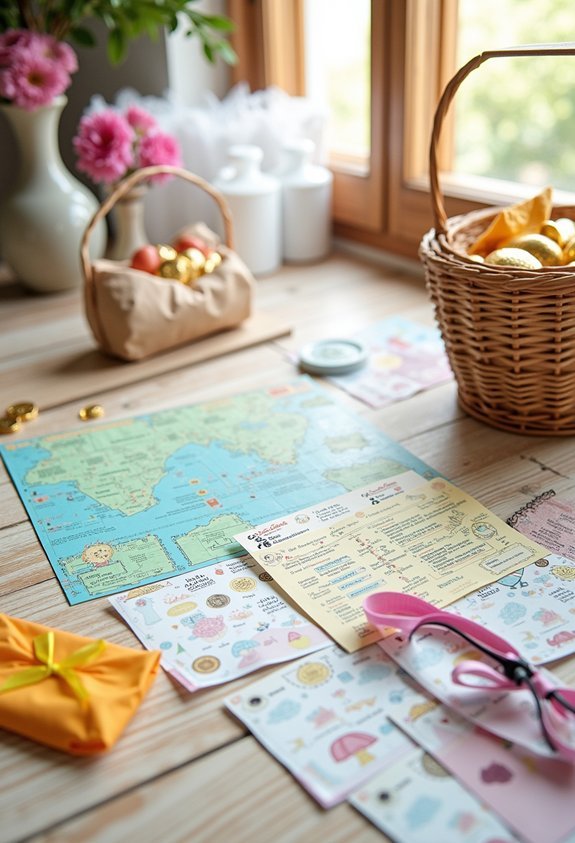
Before you send kids dashing through the house or yard, take a few minutes to gather everything you’ll need.
Supply sources to check:
- Dollar stores for small prizes
- Your craft bin for stickers and stamps
- The pantry for wrapped treats
- Online party shops for themed items
Popular treasure types include:
- Coins or play money
- Small toys or figurines
- Candy or snack packs
- Puzzle pieces that form a final clue
Once you’ve gathered your supplies, hide them at varying difficulty levels. Place some treasures in plain sight for quick wins. Tuck others behind pillows or under flower pots. This mix keeps everyone engaged and feeling successful.
Pro tip: Snap photos of each hiding spot. You’ll thank yourself later when it’s cleanup time!
Set Clear Rules and Safety Guidelines
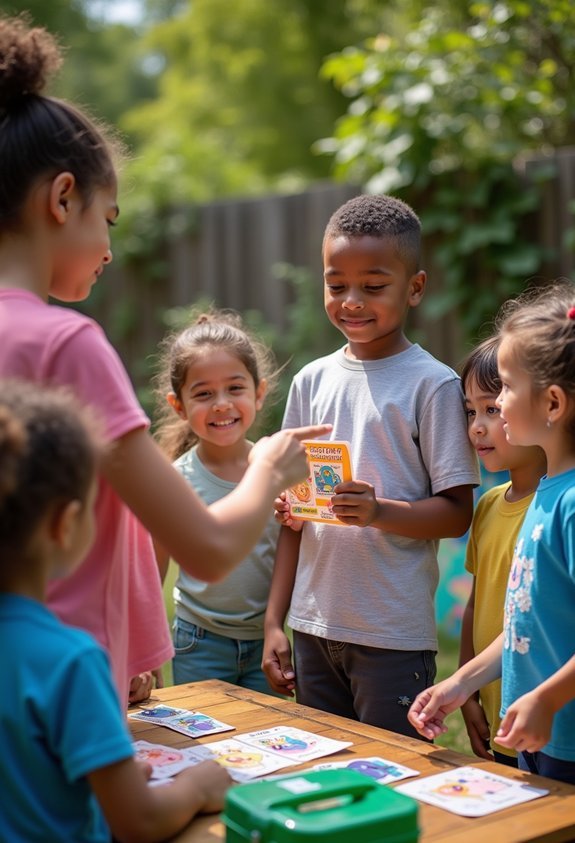
A quick huddle before the hunt starts can prevent tears and chaos later. You’ll want to explain the boundaries clearly so everyone feels confident and safe.
Keep these points in mind for rule clarity and safety protocols:
- Define the play area and mark any off-limits zones
- Set a firm buddy system for younger kids
- Establish a time limit and meeting spot
- Explain what to do if someone gets lost or hurt
- Remind kids to walk near roads and stairs
Make sure every child understands the rules before you say “go.” Ask them to repeat the boundaries back to you. This simple step builds trust and keeps the fun flowing smoothly. You’ve got this!
Incorporate Fun Prizes and Rewards
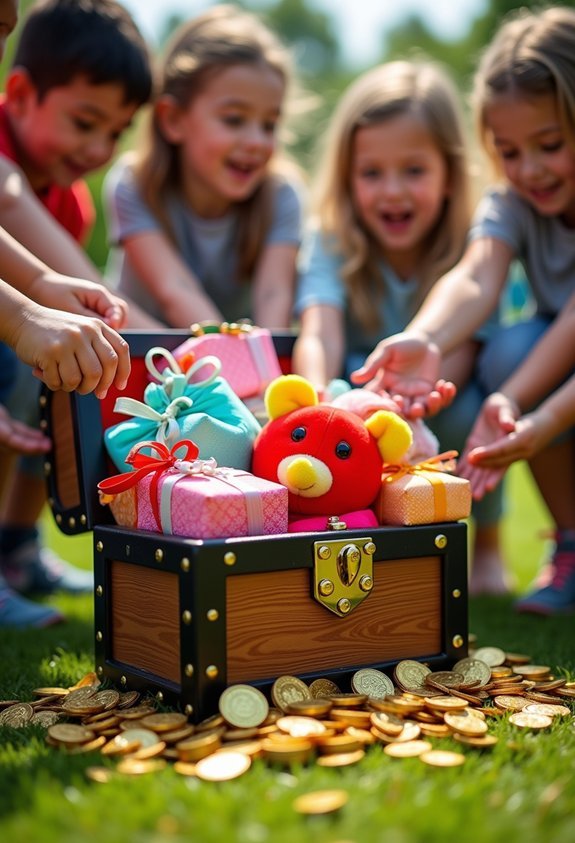
While the thrill of the hunt matters most, a little reward at the finish line makes everything more exciting.
The real treasure is the adventure itself, but a small prize adds that extra spark of excitement.
Prize Ideas That Work
You don’t need expensive gifts. Kids love simple treasures like:
- Stickers and temporary tattoos
- Small toys or bouncy balls
- Candy or treat bags
- Certificates they can display
Smart Reward Systems
Consider giving every child a prize for participating. This keeps feelings positive and spirits high. You can still celebrate the winner with a slightly bigger reward or special ribbon.
Another approach? Award points throughout the hunt. Kids earn them by solving clues, helping teammates, or showing good sportsmanship. They redeem points at a “prize station” at the end.
The best rewards match your group’s interests. You know your kids—trust that instinct!
Add Interactive Elements to Keep Kids Engaged
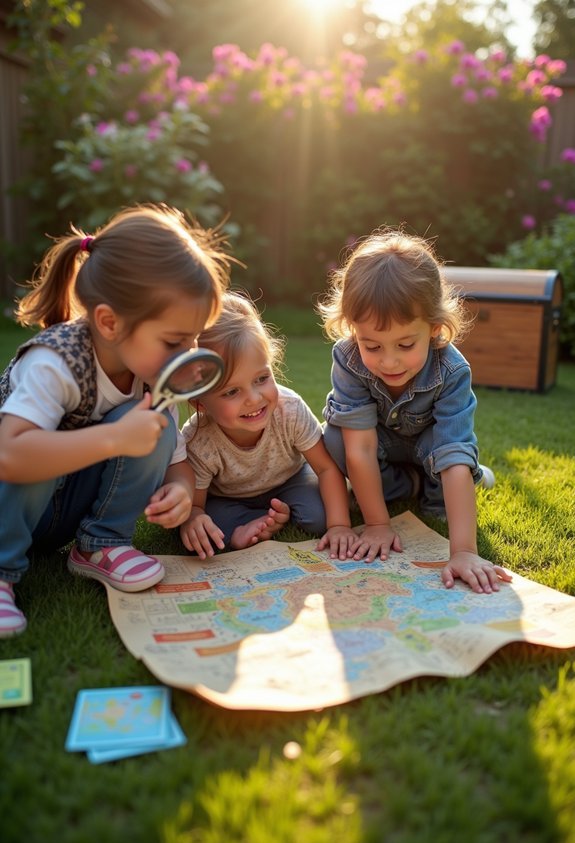
Interactive elements transform a basic scavenger hunt into an unforgettable adventure. You’ll watch kids light up when they discover surprises along the way. Think beyond simple “find and check off” tasks.
Try adding these engaging activities:
- Mini challenges like hopping on one foot or doing five jumping jacks at each station
- Sensory activities such as feeling mystery objects in a bag or identifying scents
- Interactive games like freeze dance or Simon Says between clue stops
- Simple puzzles that unlock the next location
- Photo tasks where kids strike silly poses with found items
These extras keep energy high and attention focused. You’re creating memories, not just a checklist. Every interactive moment adds magic to the experience.
Troubleshoot Common Scavenger Hunt Problems
Even the best-planned scavenger hunts can hit a few bumps along the way. Don’t worry—most issues have simple fixes.
Clue difficulty can trip kids up fast. If hunters seem stuck:
- Offer a bonus hint
- Pair younger kids with older buddies
- Simplify language on the spot
Weather considerations matter too. Have a backup plan ready:
- Move clues indoors if rain hits
- Create shaded rest stops on hot days
- Keep the hunt shorter in extreme temps
Other quick fixes:
- Lost clue? Keep a master list handy
- Kids finishing too fast? Add bonus challenges
- Someone feeling left out? Assign special helper roles
Stay flexible. Your calm energy keeps everyone smiling.
In case you were wondering
How Long Should a Scavenger Hunt Last for Different Age Groups?
You’ll want to follow these duration guidelines based on age considerations: keep hunts to 15-20 minutes for toddlers, 30-45 minutes for elementary kids, and up to an hour for tweens and teens.
What Is the Ideal Number of Kids for a Scavenger Hunt?
You’ll find the sweet spot is 4-8 participants, ensuring nobody feels left in the cold. Age considerations matter—younger kids thrive in smaller groups, while older children handle larger team dynamics more effectively.
Should Parents or Helpers Accompany Teams During the Hunt?
You should assign parents or helpers to accompany younger teams to ensure safety guidelines are followed. For older kids, you can let them hunt independently, which improves team dynamics and builds their confidence.
How Do You Handle Children Who Want to Quit Mid-Hunt?
When little adventurers hit a rough patch, you’ll want motivation techniques like offering small rewards or pairing them with enthusiastic teammates. Try creative distractions—switch their role to “clue keeper” or let them choose the next challenge.
Can Scavenger Hunts Work for Children With Special Needs or Disabilities?
Absolutely! You can make scavenger hunts inclusive by using adaptive strategies like simplified clues, wheelchair-accessible routes, or buddy systems. Consider sensory considerations too—adjust lighting, sounds, and textures to ensure every child participates comfortably.
Conclusion
You might worry that planning feels like too much work. But picture this: kids racing through the yard, eyes wide with wonder, squealing when they crack a clue. That’s pure magic you created.
Start simple. Pick one theme. Write five clues. Hide a few treats.
You’ve got everything you need to make memories that last. Now go plan something amazing!