Why Holiday Baking Makes Preschoolers So Happy
Holiday baking makes your preschooler so happy because it engages all their senses at once—squishing butter, smelling cinnamon, and watching dough transform. They feel proud when they crack an egg or pour sprinkles, building real confidence through small wins. Plus, they’re soaking up your undivided attention during these cozy moments together. The magic comes from sensory play, growing independence, and family connection all wrapped into one delicious activity you can explore below.
Key Takeaways
- Sensory experiences like squishing butter and feeling sticky dough activate brain development and create pure joy for young children.
- Completing baking tasks independently builds confidence and makes preschoolers feel capable of doing hard things.
- Messy baking moments create cherished family memories, shared laughter, and traditions that children remember forever.
- Baking transforms into playful learning where counting, measuring, and decorating feel like fun rather than lessons.
- The anticipation of waiting for treats and sharing them with others teaches patience and the joy of giving.
The Sensory Wonderland of Holiday Baking
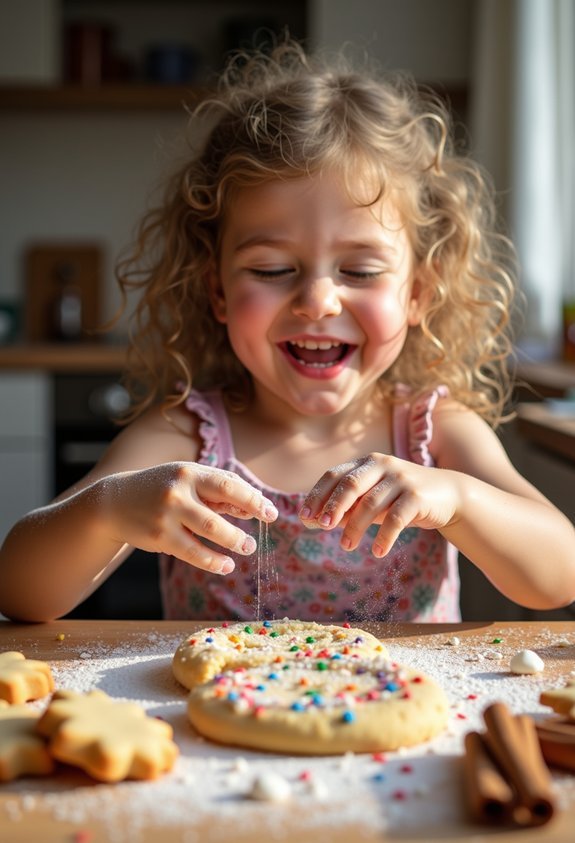
When you crack open a bag of flour with your preschooler, you’re not just making cookies—you’re opening a door to pure sensory magic. Little hands plunging into soft dough, noses catching cinnamon’s warm scent, eyes watching sugar sparkle—this is sensory exploration at its finest.
Tactile experiences light up your child’s brain in powerful ways. Consider these sensory moments:
- Squishing cold butter between fingers
- Feeling sticky honey drip from a spoon
- Patting smooth, cool dough balls
Each touch teaches your preschooler about textures, temperatures, and cause-and-effect. You’ll notice their focus sharpen as they knead and roll.
Don’t stress about mess. That flour dust on the counter? It means learning is happening. Your kitchen has become their classroom.
Building Confidence Through Kitchen Accomplishments
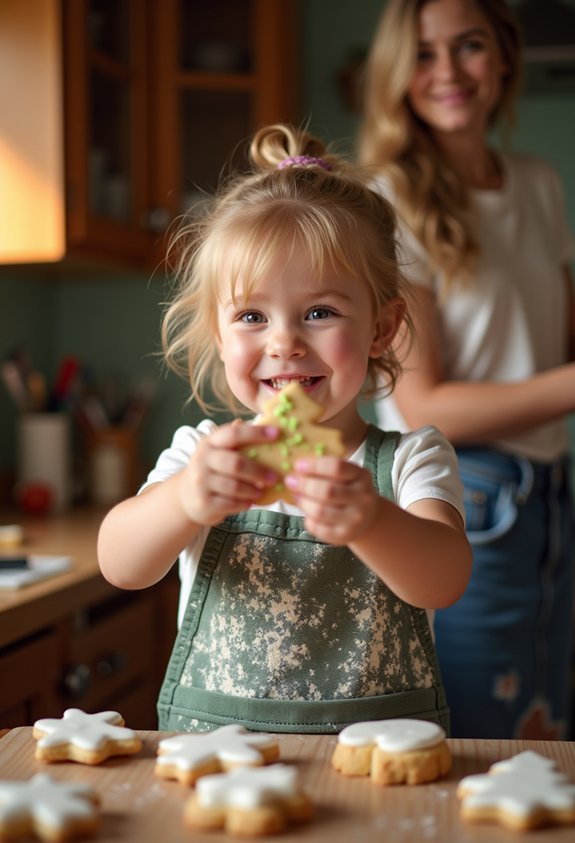
Because preschoolers crave moments where they feel capable, the kitchen offers perfect opportunities to build real confidence. When your child successfully cracks an egg or levels a measuring cup, you’ll see their face light up with pride.
Kitchen independence matters more than perfect results. Let them:
- Stir batter without hovering
- Pour pre-measured ingredients
- Press cookie cutters into dough
- Sprinkle toppings with freedom
Each small task completed gives your child a self esteem boost that carries beyond baking day. They learn “I can do hard things.”
Celebrate their efforts with specific praise. Say “You stirred that so carefully” instead of generic “good job.” This builds lasting confidence.
Your little baker is growing. Trust them with real tasks and watch them shine.
Creating Lasting Memories and Family Bonds
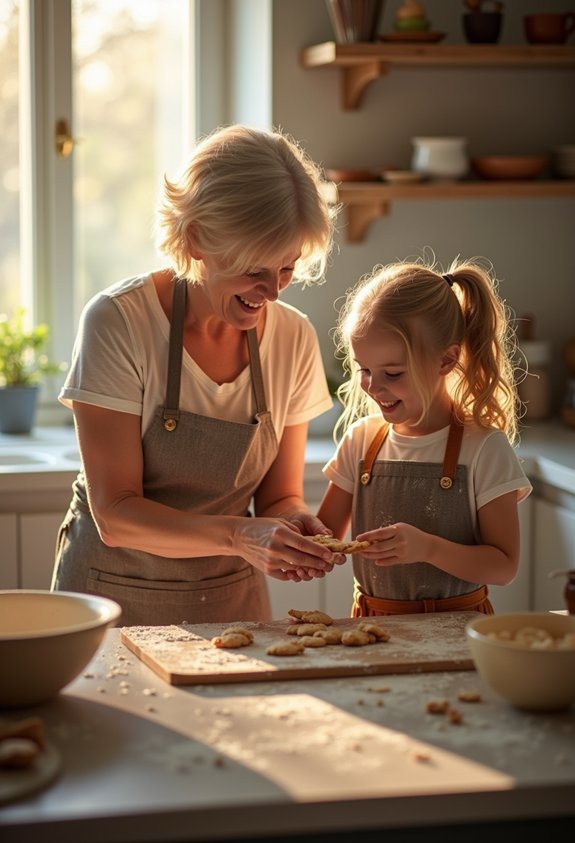
Although the cookies might crumble and the frosting may end up everywhere, these messy moments become the stories your family tells for years. Family storytelling starts right here in your kitchen, flour dusting tiny noses and all.
These baking sessions give you:
Baking together creates pockets of pure connection—uninterrupted moments, shared giggles, and memories your little one will carry forever.
- Uninterrupted time together
- Shared laughter over silly mishaps
- Photos worth framing
- Traditions your child will remember
Your preschooler won’t recall perfect cookies. They’ll remember how you let them lick the spoon. They’ll treasure the warmth of standing beside you at the counter.
Start simple traditions now. Maybe it’s always making sugar cookies on the first snow day. Perhaps it’s letting your little one choose the sprinkle colors each year. These small choices build big connections.
Learning Through Play and Delicious Experimentation
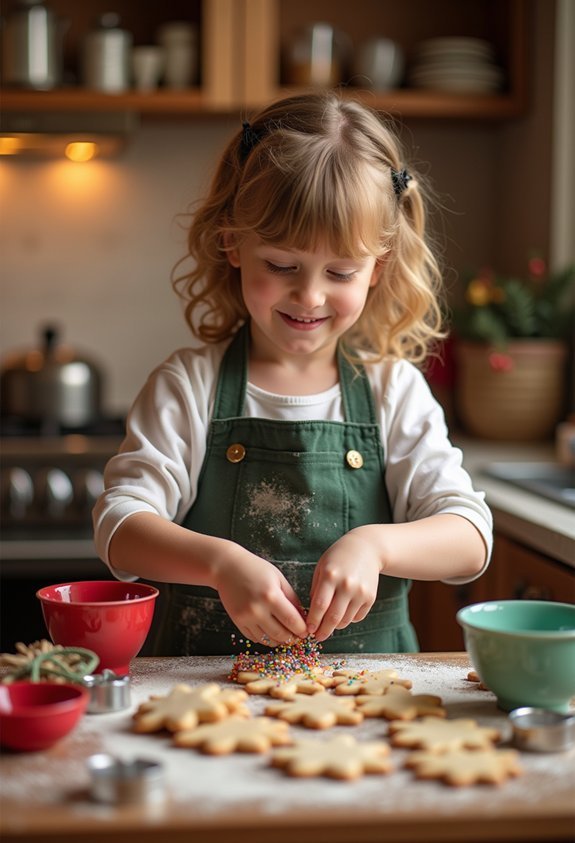
Your kitchen transforms into the best classroom the moment your preschooler picks up a measuring cup. Baking sparks imaginative play naturally—suddenly they’re a chef, a scientist, or a magical baker creating potions.
Every step teaches something new:
- Counting and measuring build early math skills without worksheets
- Mixing and pouring strengthen fine motor control
- Following recipes introduce sequencing and listening
Creative expression flows when kids choose sprinkle colors or shape cookies their own way. There’s no wrong answer when decorating a gingerbread person with five eyes.
You’ll notice your child experimenting boldly. What happens if we add more flour? Why does dough feel sticky? These questions show real learning happening.
Let them wonder. Let them taste. That’s delicious experimentation at its finest.
The Magic of Holiday Traditions and Rituals
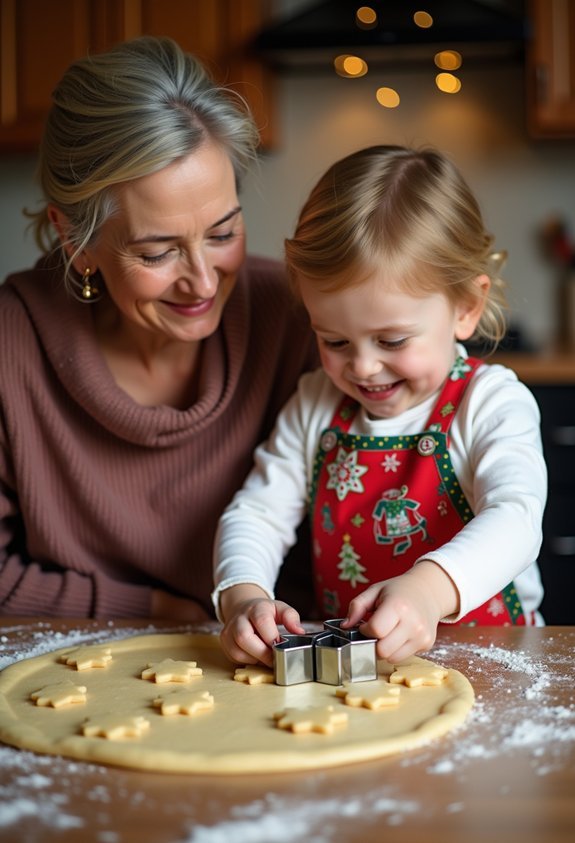
When the same cookie recipe appears year after year, something powerful happens in your child’s heart. Traditions create anchors. They build a sense of belonging that lasts a lifetime.
Your little one starts to connect special recipes with love, warmth, and family gatherings. That sugar cookie isn’t just a treat. It’s a memory in the making.
Why rituals matter:
- They give kids something to look forward to
- They create predictable joy in an unpredictable world
- They strengthen bonds across generations
Add festive storytelling while you bake together. Share how grandma made these same cookies. Talk about what the holidays meant when you were small.
These moments become treasures. Your child won’t remember perfect frosting. They’ll remember being with you.
Developing Fine Motor Skills One Cookie at a Time
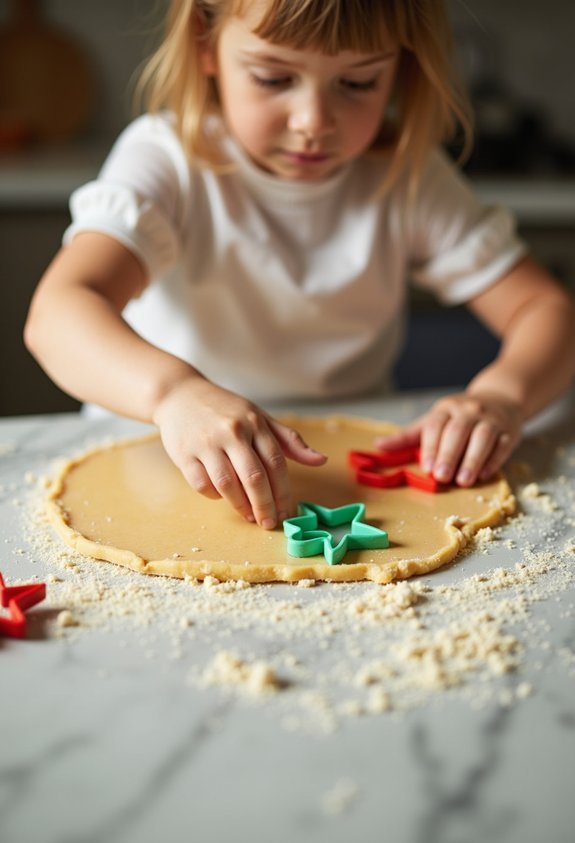
Little hands get stronger with every scoop, roll, and sprinkle during holiday baking. Your preschooler builds crucial muscle control without even realizing it. Cookie decorating turns into a workout for tiny fingers.
Holiday baking secretly builds the hand strength and coordination your preschooler needs for writing and self-care skills later.
Here’s what baking strengthens:
- Pincer grip – Picking up sprinkles and small candies
- Hand strength – Squeezing frosting bags and rolling dough
- Coordination – Measuring ingredients and pouring them carefully
These skills matter more than you might think. They’re the same muscles your child needs for writing, buttoning shirts, and tying shoes later.
Let your little one take the lead on simple tasks. Messy attempts build confidence and capability. Every wobbly cookie shape represents real progress happening right before your eyes.
The Joy of Giving Homemade Treats to Others
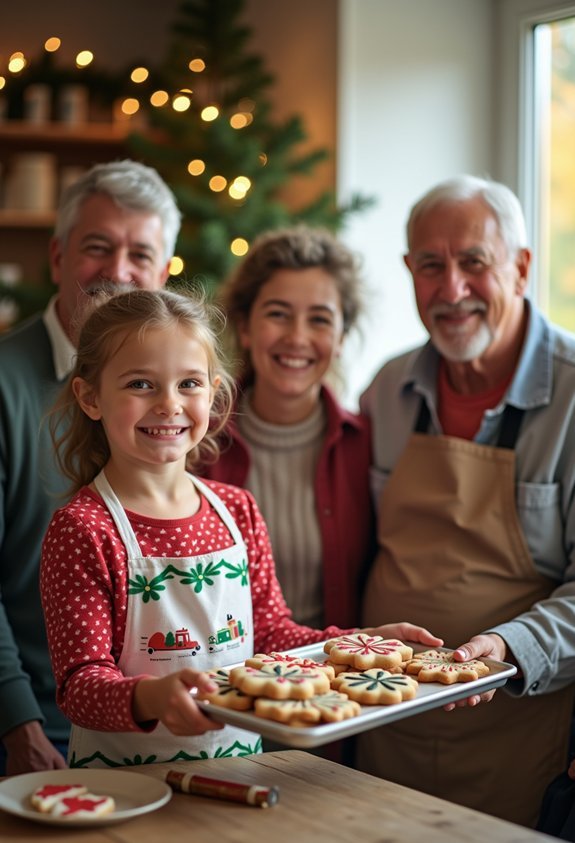
Beyond building strong fingers, baking creates something precious your preschooler can share with people they love. Gift sharing teaches generosity in ways little ones truly understand.
Watch your child’s face light up when they hand a neighbor a cookie they made themselves. That pride is priceless.
Simple ways to spread joy:
- Pack treats in small bags for mail carriers or teachers
- Deliver goodies to grandparents together
- Leave surprise sweets on a friend’s doorstep
This community connection shows your preschooler they can brighten someone’s day. They learn that giving feels just as wonderful as receiving.
You’re not just making cookies. You’re helping your child discover the deep happiness that comes from caring for others.
Celebrating Patience and Anticipation During the Baking Process
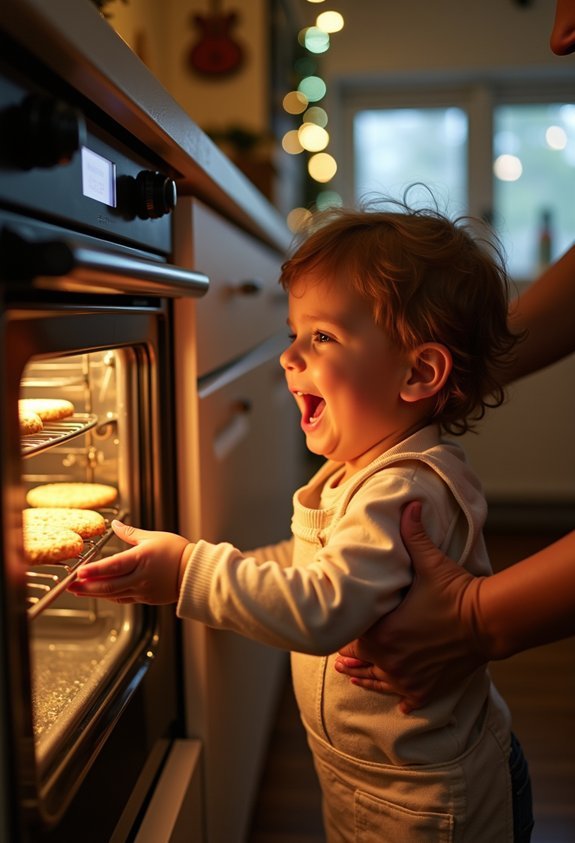
Although preschoolers want everything right now, baking gently teaches them that good things take time. The oven becomes your patience practice classroom. Your little one learns to wait, watch, and wonder what’s happening behind that warm glass door.
The anticipation excitement builds naturally through each step:
- Mixing ingredients — they see separate things become one
- Watching dough rise — they notice slow, magical changes
- Smelling cookies bake — they feel the reward getting closer
You’re helping your child build a skill that serves them forever. When those cookies finally come out golden and warm, the wait makes them taste even better. Your preschooler starts to understand that patience brings wonderful rewards. That’s a gift beyond any recipe.
In case you were wondering
What Are the Safest Kitchen Tools for Preschoolers to Use While Baking?
You’ll want child safe utensils like plastic mixing bowls, silicone spatulas, and wooden spoons. Following baking safety tips, give your preschooler cookie cutters, measuring cups, and whisks—they’re perfect for little hands.
How Long Should a Baking Session Last for a Preschooler’s Attention Span?
You’ll want to keep baking duration between 15-20 minutes to match your preschooler’s attention span. Break longer recipes into smaller tasks, and you’ll maintain their excitement without overwhelming their natural focus limits.
What Simple Holiday Recipes Work Best for Children Under Five Years Old?
Little hands create big memories! You’ll find easy cookie recipes with simple shapes perfect for tiny bakers. Try festive cupcake decorating with sprinkles and frosting—they’ll love pressing toppings onto treats without needing precise skills.
How Can Parents Manage Food Allergies During Holiday Baking With Preschoolers?
You can manage allergies by planning allergy substitutions ahead of time. Check labels carefully and stock safe ingredients like oat flour or sunflower butter. Always keep your child’s specific allergens in mind when selecting recipes.
What Age Can Preschoolers Start Helping With Actual Oven-Related Baking Tasks?
You might worry they’re too young, but around age 4-5, your preschooler can start developing baking skills near the oven. You’ll supervise closely, teaching kitchen safety while they help with simple tasks.
Conclusion
You’ve discovered that holiday baking is pure gold for your preschooler’s growth. From squishing dough to sharing cookies with Grandma, these moments plant seeds that bloom into confidence, coordination, and connection.
So tie on those aprons. Let the flour fly. Embrace the mess and the magic together.
Your kitchen isn’t just making treats—it’s making memories that’ll warm your child’s heart for years to come.