How to Teach Kids Memorial Day History
You can teach kids Memorial Day history by starting with simple concepts they understand—like giving something up for people you love. Explain that Decoration Day began after the Civil War when communities placed flowers on soldiers’ graves. Use age-appropriate books like *The Wall* by Eve Bunting, craft red poppy flowers together, or visit a local memorial. These hands-on experiences help children connect with the meaning behind the holiday and the heroes we honor.
Key Takeaways
- Explain Memorial Day’s origins as Decoration Day, when communities honored Civil War soldiers by visiting graves and leaving flowers.
- Use age-appropriate language to discuss sacrifice, comparing it to giving up something important to help loved ones.
- Visit cemeteries or memorials together, teaching respectful behavior while reading names aloud and counting service branches.
- Create hands-on projects like red poppy crafts, thank-you cards for veterans’ families, or placing flags at graves.
- Use picture books like *The Wall* by Eve Bunting and National Geographic Kids resources to make history engaging.
The Origins of Memorial Day and Its Evolution Over Time
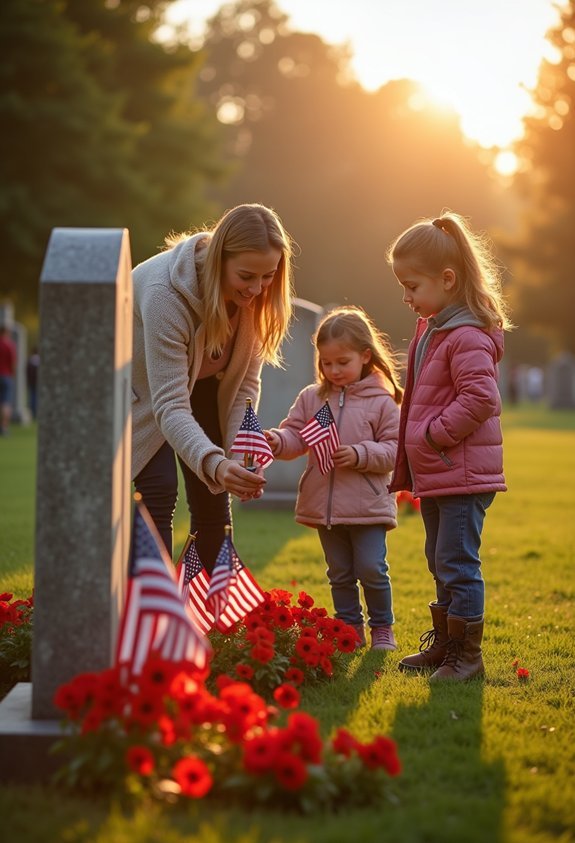
When you’re helping kids understand Memorial Day, it’s helpful to start at the beginning. This holiday grew from a painful time in American history—the Civil War.
After the war ended in 1865, communities wanted to honor fallen soldiers. They started visiting graves and leaving flowers. This tradition became known as Decoration Day.
Communities came together after the Civil War, decorating graves with flowers to honor the fallen—a tradition we still carry forward.
Here’s what kids should know:
- Decoration Day began in the late 1860s
- People decorated soldiers’ graves with flowers and flags
- The name changed to Memorial Day over time
- In 1971, it became an official federal holiday
You can explain that this day has always been about remembering. The traditions have grown, but the heart stays the same.
Age-Appropriate Ways to Explain Sacrifice and Service
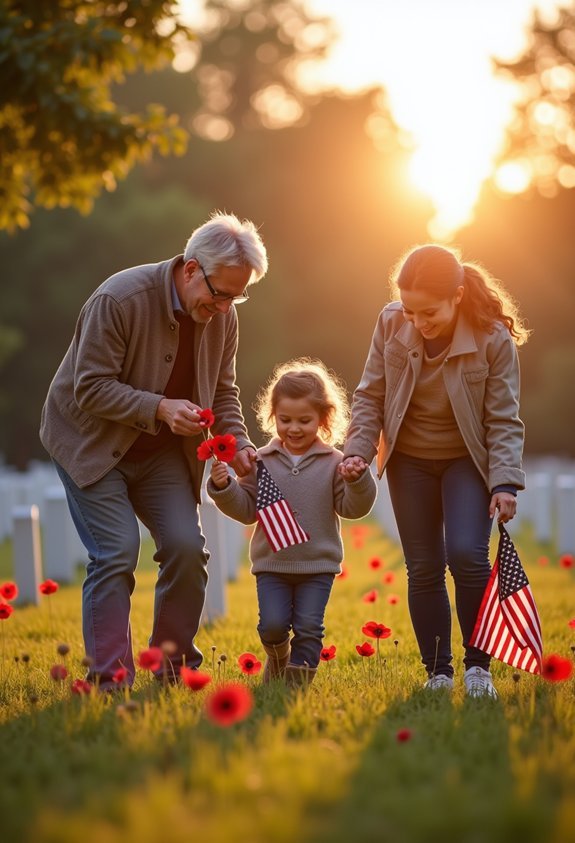
Talking about sacrifice with children can feel tricky, but you don’t need to shy away from it. Start with what they already understand—giving up something for someone you love.
For younger kids, keep it simple. Share sacrifice stories about helpers who chose to protect others. Use service symbols they can see, like flags or poppies, to make it real.
With older children, you can go deeper:
- Explain that some people missed holidays with their families
- Talk about courage and choosing hard things for good reasons
- Let them ask questions without rushing answers
Visiting Cemeteries and Memorials With Children
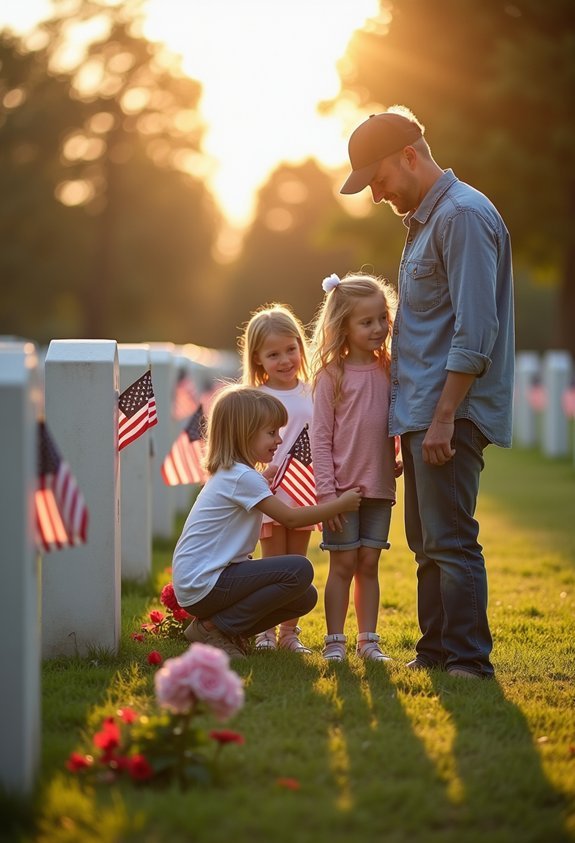
Taking your child to a cemetery or memorial might feel a little uncertain at first, but these visits can become meaningful traditions. A few simple steps help everyone feel comfortable and connected.
Before you go, talk about cemetery etiquette:
- Walk quietly and stay on paths
- Don’t touch headstones without permission
- Keep voices low and respectful
- Leave flowers or flags gently
- Hold hands in crowded areas
Make the visit engaging with a memorial scavenger hunt. Look for flags, symbols, or dates together. Count how many service branches you spot. Read names aloud softly.
These small moments teach respect and honor. Your child learns that real people served. That matters. You’re giving them roots and understanding—one visit at a time.
Hands-On Activities That Honor Fallen Heroes
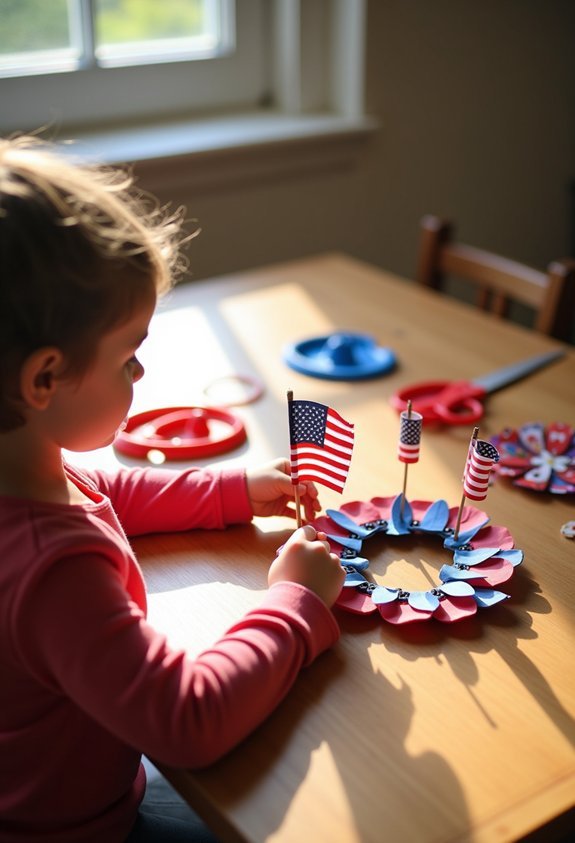
Beyond visiting memorials, hands-on projects give kids another powerful way to connect with Memorial Day’s meaning.
Craft Projects to Try:
- Make red poppy flowers from tissue paper or felt
- Create thank-you cards for veterans’ families
- Design a patriotic wreath for your front door
- Build a small memorial garden marker
These activities help kids process big feelings while honoring those who served.
Community Service Ideas:
- Place flags at local veterans’ graves
- Help organize a neighborhood remembrance ceremony
- Collect supplies for military families
- Write letters to active-duty service members
You don’t need fancy supplies or big plans. Even simple craft projects spark meaningful conversations. When your child cuts out paper poppies or decorates cards, they’re building real connections to history. That’s what matters most.
Books and Resources for Teaching Memorial Day History
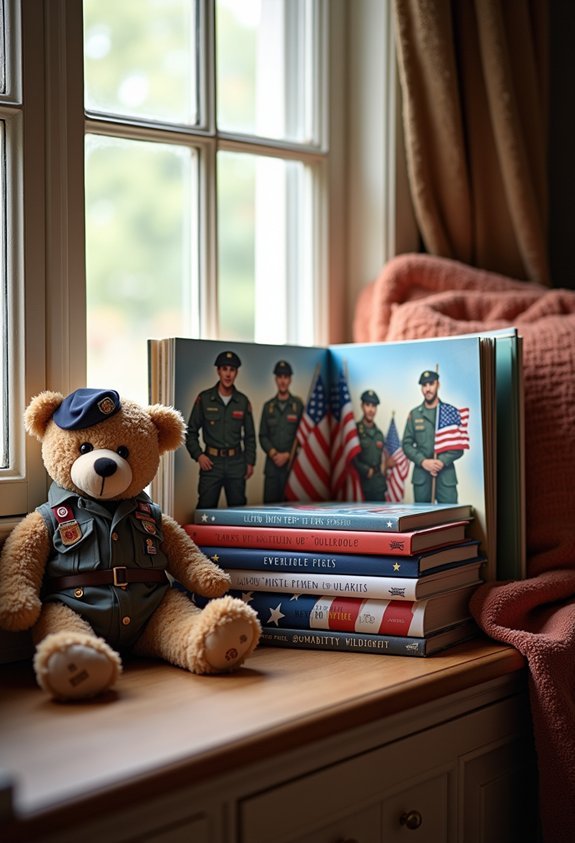
Good books often bring Memorial Day history to life in ways that stick with kids long after the last page. Picture books work especially well for younger children because they pair powerful images with simple stories about courage and sacrifice.
Here are some helpful resources to explore together:
- *The Wall* by Eve Bunting (a touching story about the Vietnam Veterans Memorial)
- *Memorial Day* by Mir Tamim Ansary (clear facts for early readers)
- *America’s White Table* by Margot Theis Raven (explains military traditions)
- National Geographic Kids online resources for interactive learning
- The Library of Congress website for primary sources and photos
Online resources let kids explore at their own pace. Many museums also offer free digital exhibits. You’ll find plenty of ways to make this history feel real and meaningful.
Creating Family Traditions of Remembrance
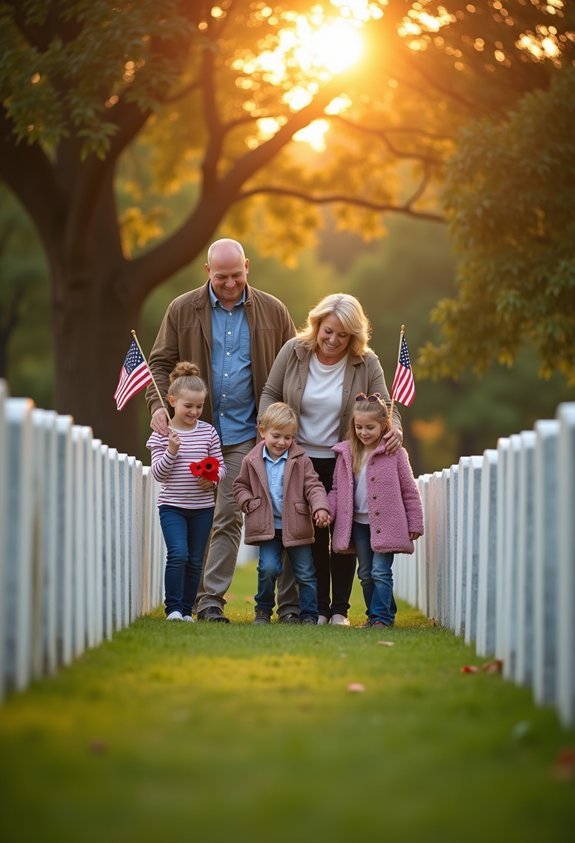
When families create their own traditions around Memorial Day, children learn that remembrance isn’t just a one-day event—it’s a way of honoring those who gave everything.
Simple family rituals make a lasting impact. Try these remembrance activities:
- Plant something together. A tree, flower, or small garden creates a living tribute.
- Share a meal with meaning. Talk about service members in your family or community.
- Write thank-you cards. Send them to veterans’ organizations or military families.
- Visit a memorial. Make it a yearly trip your kids will remember.
You don’t need big plans. A quiet moment of reflection works too. What matters is showing your children that honoring sacrifice is part of who your family is.
In case you were wondering
How Do I Explain Memorial Day Differently From Veterans Day to My Child?
You can explain Veterans Day differences by noting it honors all living service members. Memorial Day significance lies in remembering those who died serving our country. Tell your child it’s specifically for heroes who didn’t come home.
What Should Children Wear When Attending a Memorial Day Ceremony?
Red, white, and blue symbolize honor and sacrifice. You’ll want your child in patriotic attire that’s also respectful clothing—think neat polo shirts, khakis, or modest dresses. Avoid casual items like shorts or flip-flops.
How Can Teachers Address Memorial Day With Students From Military Families?
You can honor students from military families by inviting them to share family stories if they’re comfortable. Incorporate military traditions into lessons, showing sensitivity to those who’ve lost loved ones in service.
Is It Appropriate to Thank Active Service Members on Memorial Day?
You might wonder about the distinction—it’s subtle but meaningful. Memorial Day gratitude honors those who died serving. For service member recognition of active troops, Veterans Day’s your moment. You can still express appreciation respectfully anytime.
How Do Other Countries Honor Their Fallen Soldiers Compared to America?
You’ll find global memorials and international traditions vary widely—the UK observes Remembrance Day with poppies, France honors soldiers on Armistice Day, and Australia commemorates ANZAC Day with dawn services and parades.
Conclusion
It’s no coincidence that the moments you share with your kids about Memorial Day will become the memories they pass on someday. You’re planting seeds of gratitude that grow for generations.
Start small. Read one book. Visit one memorial. Place one flag.
These simple acts teach your children something powerful—that remembering matters and that they’re part of something bigger than themselves.