17 Best Year-Round Kids Activities Bucketlist Ideas
You’re about to load up your family’s “fun tank” with year-round kids’ bucket list ideas so good you’ll never hear “I’m boooored” again. Think backyard scavenger hunts in every season, DIY craft days with cereal-box robots, nature walks, silly science experiments in the kitchen, and epic family game night tournaments. Add cozy indoor camping, talent shows, memory scrapbooks, and learning new skills together. And that’s just the start of the chaos in the best way.
Key Takeaways
- Plan seasonal outdoor adventures like nature walks, backyard scavenger hunts, and simple hikes to keep kids active and connected to nature all year.
- Rotate DIY craft days using recycled materials to build castles, robots, and rockets, encouraging creativity and problem‑solving regardless of weather.
- Establish a recurring Family Game Night tournament with themed games, simple scoring, and photos to create a lasting, fun home tradition.
- Host at‑home science lab sessions with kitchen experiments, physics play, and mini engineering challenges to spark curiosity and hands‑on learning.
- Create cozy indoor experiences—movie nights, living‑room camping, and talent showcases—to ensure memorable, screen‑light fun during any season.
Backyard Scavenger Hunts in Every Season
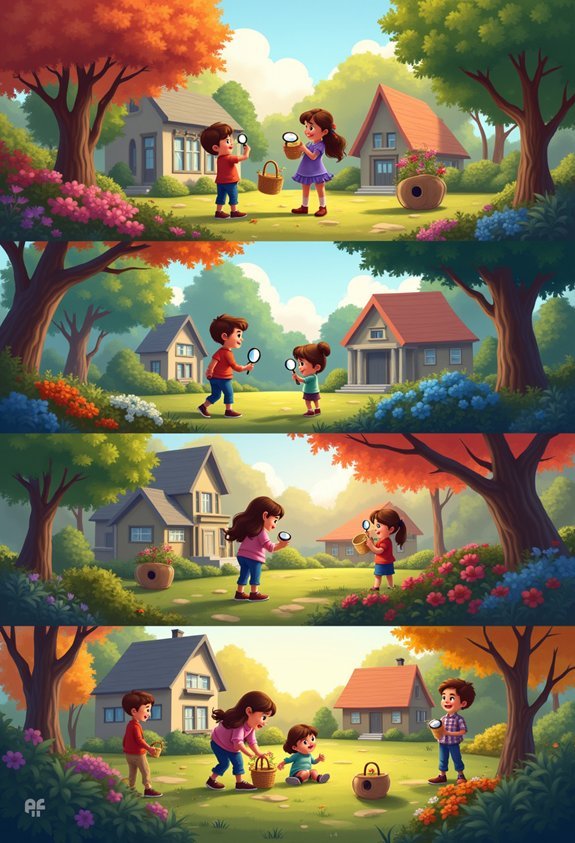
Even if you’ve only got a tiny patch of grass and one confused squirrel, you can turn your backyard into a full-on adventure zone with scavenger hunts for every season.
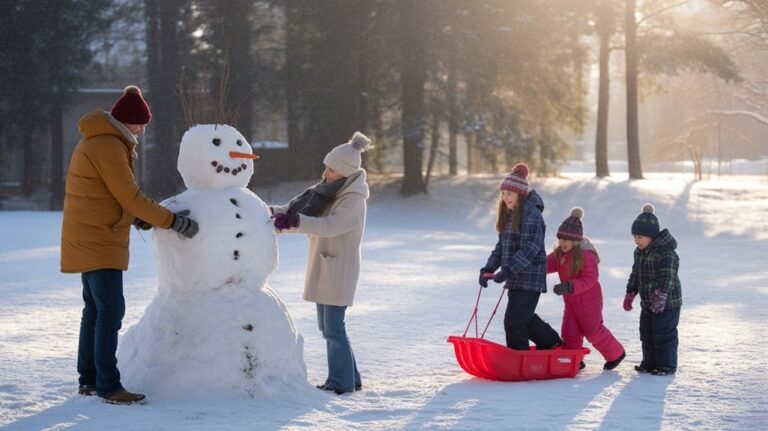
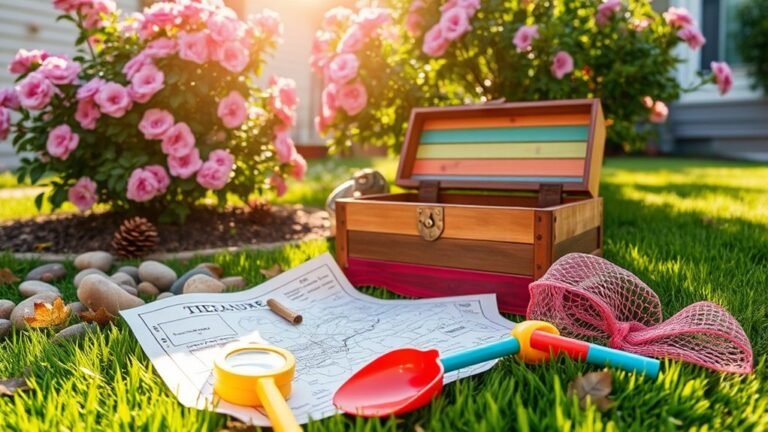
Start with seasonal themes: snowflake shapes in winter, flower colors in spring, crunchy leaves in fall. Draw simple backyard maps so kids feel like explorers on a quest.
Start with seasonal themes and hand-drawn maps so kids transform your backyard into a quest.
Add funny scavenger clues, like “Find something that smells like Grandpa’s socks.” Mix in team challenges—who can spot three different bugs first? You’ll get surprising nature discoveries.
Layer in storytelling elements, like a lost dragon egg. Hand out creative prizes and silly themed costumes. Keep scavenger rewards small but exciting, and cheer on big, loud, collaborative hunts.
Kids collapse happy, and you finally finish your coffee.
DIY Craft Days With Recycled Materials
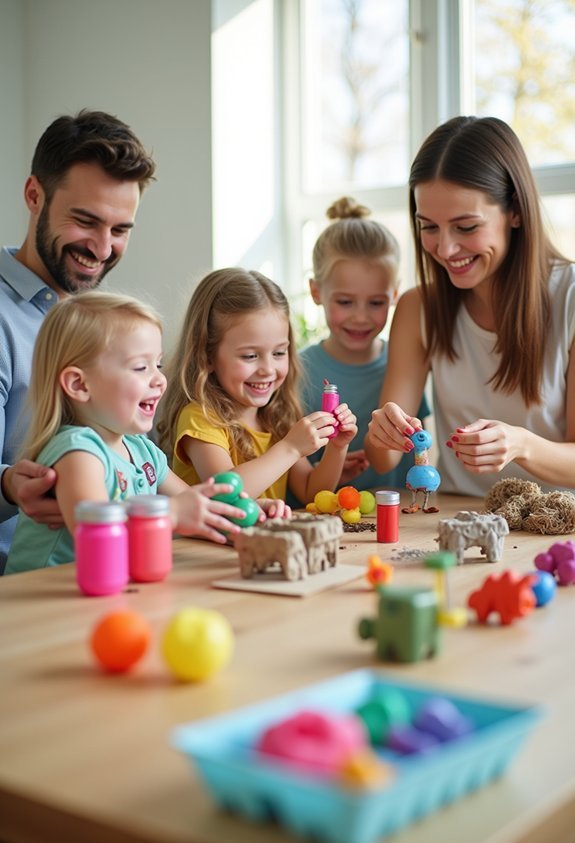
On those days when the recycling bin is overflowing and your kids are “soooo bored,” you’ve basically got a free craft store sitting in your kitchen.
Pull out boxes, jars, toilet paper rolls, and that weird mountain of bottle caps. Boom—instant project pile. Tell the kids you’re having a “trash to treasure” day and watch their eyes go cartoon-wide.
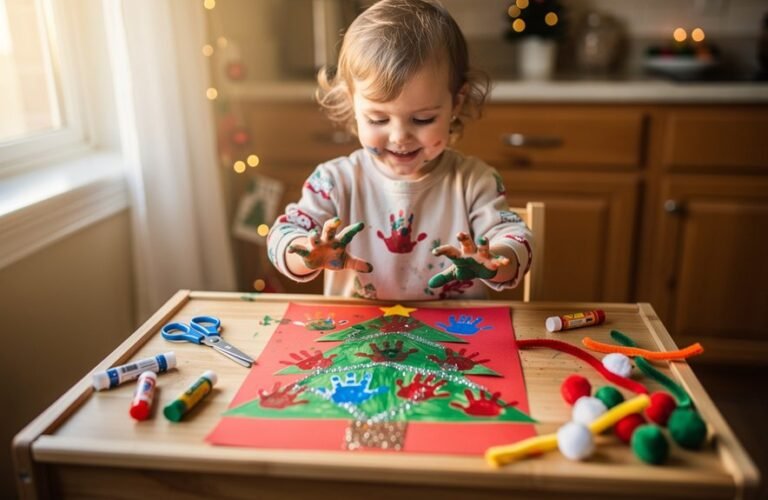
You can build cardboard castles, cereal-box robots, or a rocket made from cans and tape. Let them paint, glue, and decorate like wild. The rule: no perfect, only fun.
As they turn recycled materials into silly inventions, they practice problem-solving and creative expression without even noticing. Plus, cleanup’s easy—you were going to sort that junk anyway.
Call it art class, but in your pajamas today.
Family Game Night Tournament
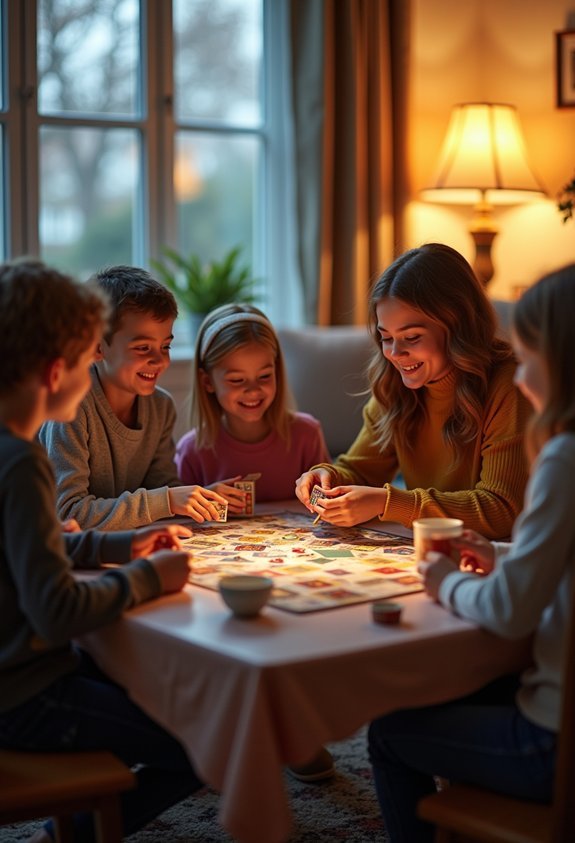
When the whole house is buzzing and nobody can agree on what to do, turn your living room into a full-blown Family Game Night Tournament.
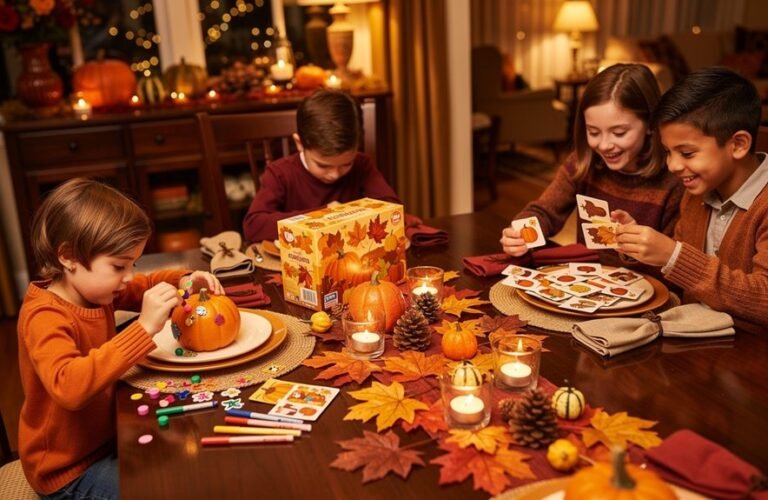
Pick a theme so it feels like an event, not just “another round of Uno.” Try game night themes like Retro Arcade, Silly Olympics, or Pajamas and Popcorn.
Rotate games: one fast card game, one board game, one ridiculous party game. Make a simple scoring system kids can track: 3 points for a win, 2 for second, 1 for playing.
Let someone be “score boss” with a clipboard and way too much drama. Add trophies: a paper crown, a golden spoon, or a sparkly “Most Overly Competitive Parent” ribbon.
Take photos, laugh hard, and make this wild tradition stick.
Nature Walks and Simple Hiking Adventures
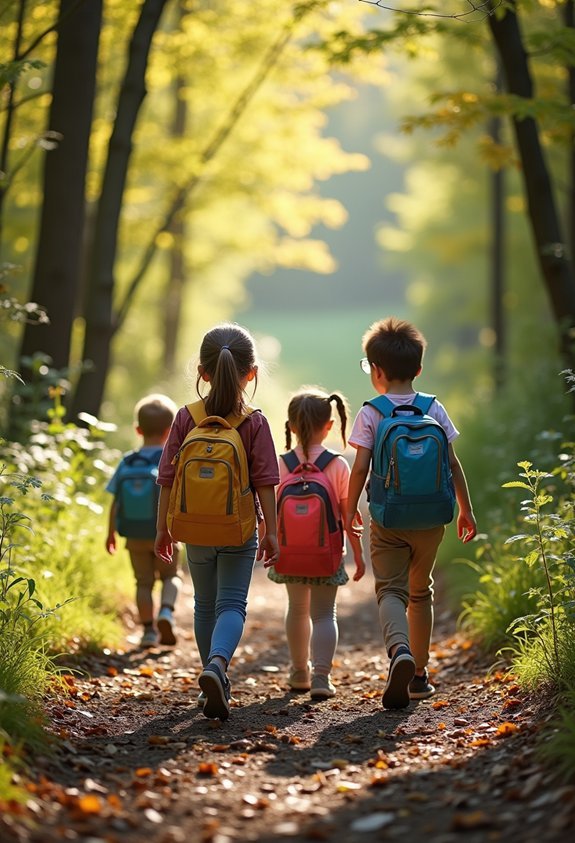
Before you scroll for the 400th time today, grab some shoes, shove snacks in a bag, and drag the kids outside for a nature walk or super simple hike.
Think of it as screen detox with actual oxygen. Keep it easy: flat path, short distance, lots of snack breaks.
Low-pressure adventure, high reward: a tiny trail, slow pace, and unlimited snack breaks.
1. Notice stuff.
Play nature scavenger hunts: a red leaf, three smooth rocks, something that smells good, something that smells… not good.
2. Move smart.
Share basic trail safety tips: stay together, no running on steep parts, and leave sticks on the ground, ninja warriors.
3. Wrap it up.
End with water, a snack, and everyone sharing their “coolest thing seen.” Boom, free adventure.
Take a picture, high-five hard, and call yourself outdoor legends today.
At-Home Science Experiment Lab

Instead of letting the kids fight over the remote again, turn your kitchen table into a full-blown science lab with zero fancy gear and zero stress.
Start with kitchen chemistry: vinegar and baking soda for wild chemical reactions, or make slime and pretend it’s alien goo.
Try tiny physics experiments with toy cars, ramps, and marbles crashing everywhere.
Do quick biology explorations by growing beans in a baggie or checking leaf cells under a cheap microscope.
Talk about environmental science while testing water from the sink, hose, and puddles.
Add simple astronomy projects using a flashlight and balls to model the moon.
For extra flair, throw in mini engineering challenges and goofy robotics activities using cardboard and tape.
Let them test, fail, shout, repeat.
Library Trips and Reading Challenges
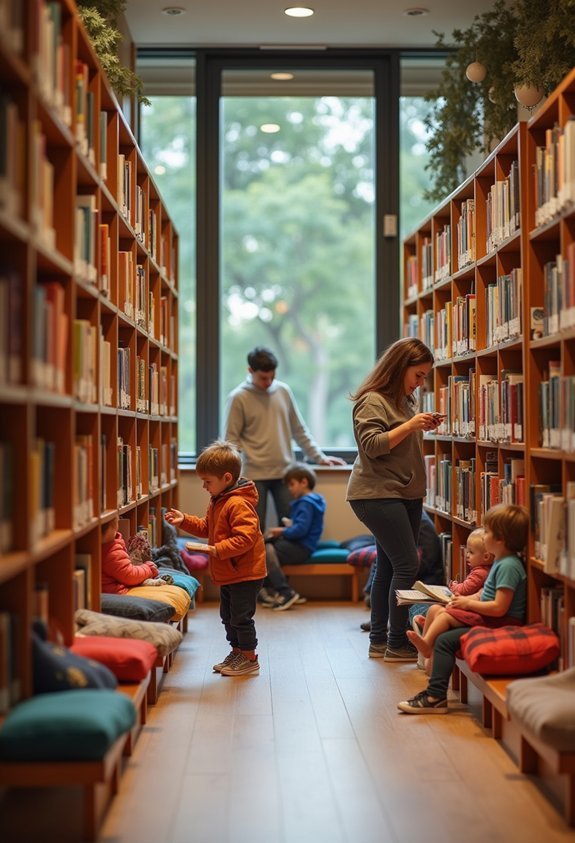
Your kitchen table just survived a full science explosion, so now it’s time to give your brain a snack too—aka hit the library.
Drag the kids there like it’s a top-secret mission. The prize? Air‑conditioning, quiet, and shelves of adventure.
Start with library storytime. You sit, they sit (kind of), someone else reads. It’s magical.
Now turn it into a game:
- Pick a “theme of the week” (dogs, space, slime) and only grab books that match.
- Make a family reading chart on the fridge and let kids earn reading rewards like stickers, late bedtime, or “pick the movie.”
- Hold a “dramatic reading” night where everyone reads a page in their most over-the-top voice. Winner gets loud applause and bonus couch time.
Cook or Bake a New Recipe Together

Once everyone’s survived the library and the living room isn’t on fire, march the kids into the kitchen and start a mini cooking show.
Pick one new recipe together, like rainbow fruit pizza or “whatever’s left in the fridge” pasta. Call it recipe exploration so it sounds fancy.
Let kids wash, pour, and stir while you handle anything sharp or hot. Pause to name simple cooking techniques: chopping, whisking, folding, even “taste-testing for safety.”
Talk through each step out loud like a TV host who’s slightly losing it. When you finally eat, cheer like you’ve just won a trophy for “Least Burned Dinner.”
Snap a messy photo, save the recipe, and let the kids name it something dramatic for next time in the cookbook.
Seasonal Outdoor Sports Sampler

Before the kids glue themselves to screens again, hustle everyone outside for a “try-everything” sports day. Think of it as a snack sampler, but with sweat and loud cheering.
- Start with easy wins. Kick a ball around while you teach simple soccer skills. Toss in ultimate frisbee for chaos. Grab bikes, pick safe cycling routes, and shout, “Last one up the hill does dishes!”
- Rotate sports by season. Winter? Go over skiing safety and snowboarding essentials before anyone pretends they’re in a movie. Warm months? Try surfing techniques, then laugh when everyone falls off.
- Mix in skill builders. Practice tennis basics with silly serves. Add rollerblading fun down a path. Try rock climbing and goofy climbing games on a low wall.
Build-Your-Own Obstacle Course
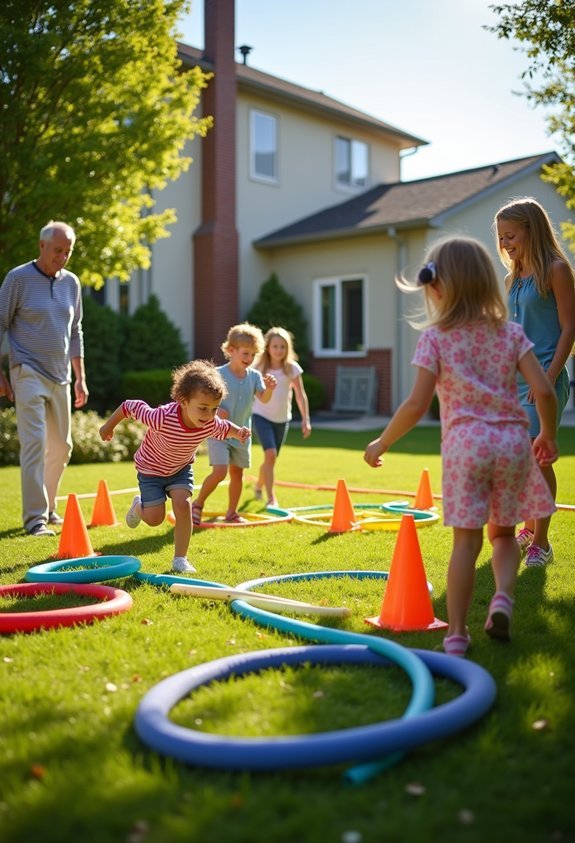
When the playground gets boring and the kids start wrestling over the same dusty toy, it’s time to turn your yard, hallway, or living room into a full-on ninja course.
Grab pillows, chairs, tape, and a wild imagination. You can build tunnels, balance beams, and “lava” jumps using stuff you already trip over.
Let your kids help plan creative course designs so they feel like stunt pros, not tiny employees. Then kick off time trial challenges and see who can race the course without wiping out or giggling off a pillow.
Film it on your phone for epic slow-motion replays and future blackmail during teen years.
Switch things up often so nobody memorizes the path and the fun never feels old or forced today.
Neighborhood Acts of Kindness Missions

Your kids just crushed the obstacle course like tiny action movie stars—now it’s time to turn that wild energy into secret agent kindness missions around the neighborhood.
Build a simple kindness calendar and let them pick today’s “mission.” Keep it fun, quick, and a little silly so they actually beg for more.
- Host mini community clean ups, paint kindness rocks, and leave them by sidewalks as secret power stones.
- Drop off neighbor gifts, care packages, and surprise deliveries with goofy drawings and giant thank yous.
- Plan food drives, volunteer days, and other random acts where their helping hands write gratitude notes, braid friendship bracelets, and support neighbors during weekly kindness challenges.
They feel important, powerful, and proud every single time inside.
Themed Movie Night With Activities
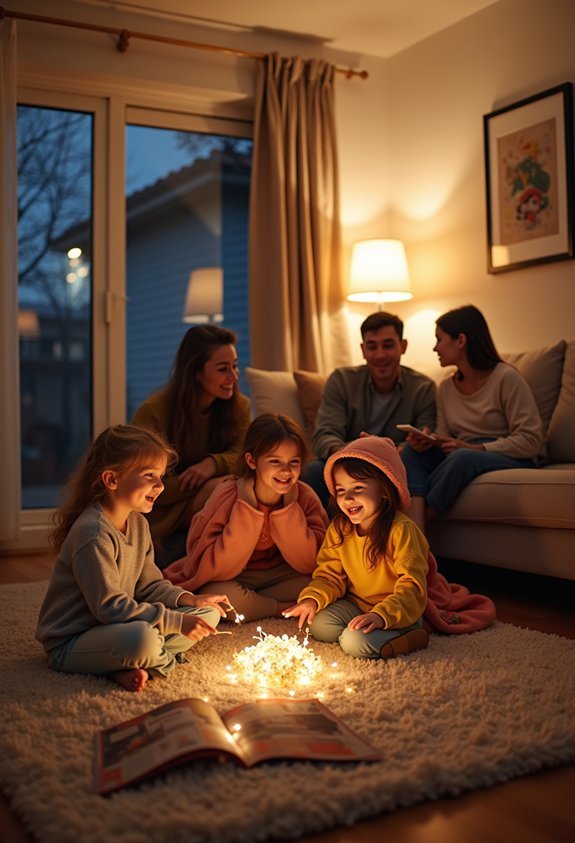
Some nights just beg for pajamas, popcorn, and a movie so epic the kids forget to ask for more snacks every five seconds.
Cue the pajamas, cue the popcorn, cue a movie night the kids actually sit still for
Turn that into a full themed movie night and you’ve got magic. First, pick a movie, then build the whole evening around it. Space movie? Serve galaxy popcorn, “rocket fuel” punch, and star-shaped cookies as themed snacks.
Princess flick? Pink lemonade, crowns, and glitter popcorn. Superhero show? Capes optional, nachos required.
Add easy movie crafts so kids don’t bounce off the walls before it starts. Make tickets, color masks, decorate popcorn boxes, or design “Do Not Disturb: Movie in Progress” signs.
Dim the lights, press play, and pretend you’re not crying at the ending. Best family night ever, zero babysitter needed.
Indoor Camping and Storytelling
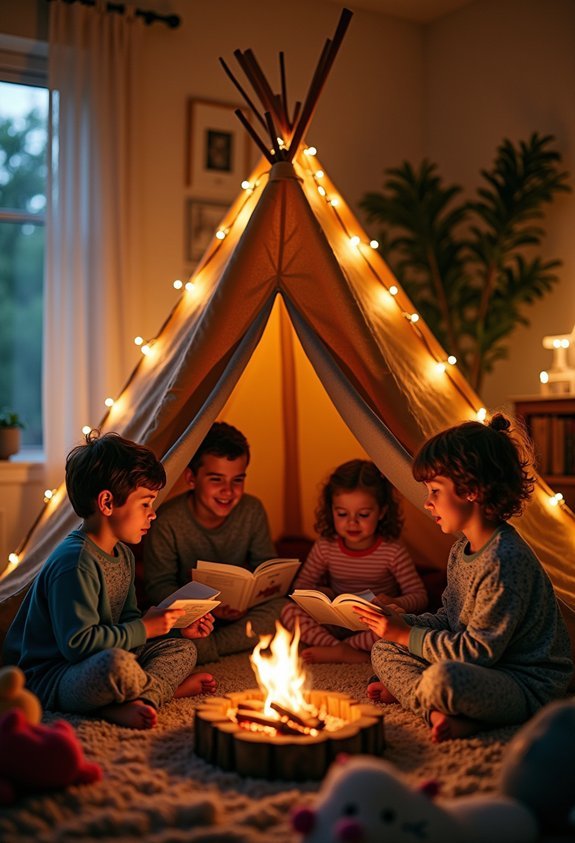
Movie credits roll, kids are still wide awake, and you’re like, “Cool, now what?” Easy: turn the living room into a fake campground.
Drag chairs together, toss over sheets, and boom: indoor fort building legend status. Pile in cozy blankets, pillows, and every stuffed animal that ever lived under your roof.
Now add the camping magic:
- Kill the lights and start flashlight stories. Mix in shadow puppets, silly jump-scares, and dramatic gasps. Let kids lead the plot; it sparks huge imaginative play and themed storytelling.
- Play soft nature sounds on your phone—rain, crickets, gentle wind. Instant forest.
- Pass around “campfire snacks” and play family trivia. Loser has to do the most ridiculous character dress up for extra loud bedtime giggles later.
Gardening Projects in Any Weather

Even when the weather’s acting like a total drama queen—too hot, too cold, too rainy, too “what even is this?”—you can still dig into fun gardening projects with the kids.
Start with indoor gardening on a windowsill using container gardening; grow herbs, tiny vegetable patches, or wildflower pots. Outside, pick weather resistant plants and do simple soil testing together like little scientists.
Build herb spirals from rocks, or layout a small family garden with paths kids can race down. Add pollinator friendly plants and goofy garden art.
Try composting projects with kitchen scraps, then track it all with garden journaling and plant identification sketches.
Create sensory gardens to touch, smell, and hear, plus easy garden crafts for rainy days that keep everyone happily digging.
Museum, Zoo, and Aquarium Explorations

When the playground starts to feel “meh,” it’s time to level up with museums, zoos, and aquariums—aka real‑life adventure maps for kids.
Here’s how to turn them into memory factories, not boring “walk quietly” zones.
1. Hit museums with interactive exhibits and cultural displays.
Let your kid push buttons, race lights, and crawl through tunnels. That’s stealth learning.
2. Go for zoos that focus on animal habitats, wildlife encounters, and conservation efforts.
Ask questions during guided tours, and let kids sketch their favorite creature.
3. Visit aquariums for marine life.
Look for hands on activities, touch tanks, and educational programs.
These make awesome field trips when the weather’s bad and everyone’s cranky. You walk out smarter; the kids think they saw fish with eyeliner.
Family Art Gallery and Talent Show
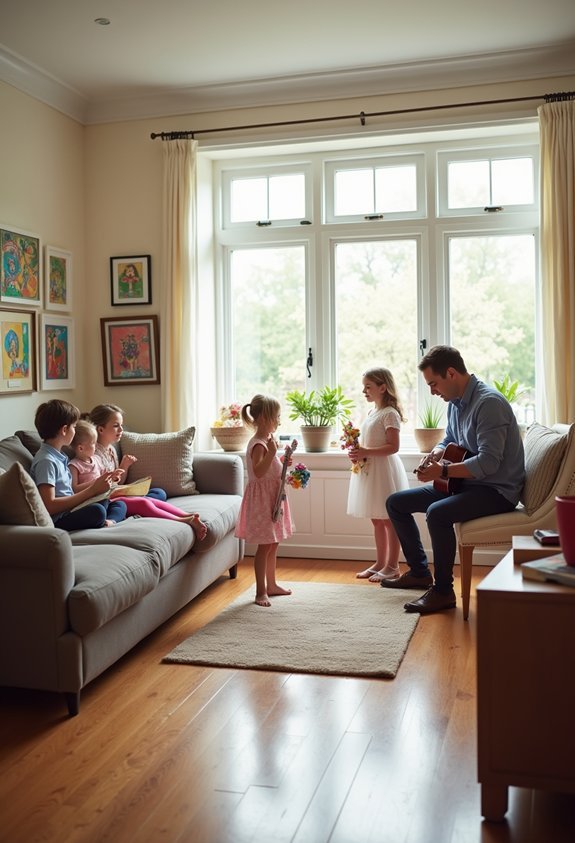
After a big day of staring at shark tanks and watching monkeys fling who‑knows‑what, it’s time to bring the show home and let your own kids be the stars.
Turn your living room into a mini art showcase and talent exhibition. Tape a “stage” line on the floor. Hang blankets as curtains. Boom, instant theater.
Turn your living room into a pint‑size theater with a taped‑off stage and blanket curtains
Have each kid pick a skill: drawing, singing, joke telling, magic tricks, even dramatic sock‑puppet fights. Give them five minutes to “rehearse,” then dim the lights and blast the applause. You’re the wild crowd, shouting and cheering like it’s Broadway.
Snap photos of their art, clap for every act, and hand out silly awards: “Most Intense Dance,” “Loudest Singer,” “Funniest Face.” They’ll beg to perform again every single weekend.
Photo and Memory Scrapbook Projects

Because kids grow faster than the laundry pile, you need a fun way to lock in the good stuff before it blurs together—and that’s where photo and memory scrapbooks come in.
Try these fast, low-mess ideas:
- Turn random photos into a memory collage, using scrapbook themes and creative journaling to save kid quotes and snack reviews.
- Run silly photo challenges for seasonal memories and milestone captures; add arrows and doodles as memory mapping.
- Build adventure chronicles of family traditions with tickets, wrappers, and drawings, or switch to digital scrapbooking so kids can drag, drop, and sticker-bomb everything.
You’ll grab the story behind each picture, not just the forced smile, and your future self will want to hug you every time you crack it open.
Learn a New Skill or Hobby as a Family
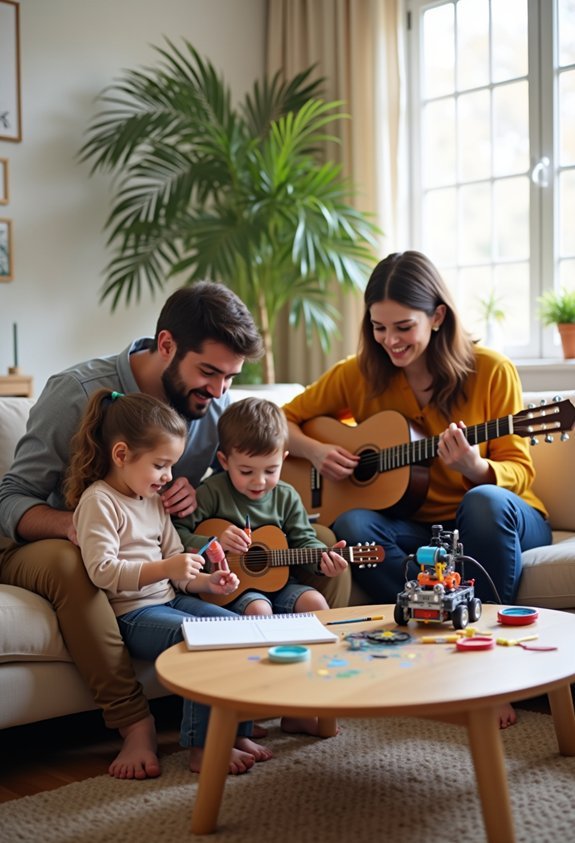
Instead of everyone hiding in their own screen bubble, pick one new thing and become “clueless together” as a family.
Nobody’s the expert; that’s the fun part.
Try family cooking nights where you burn the first pancake, laugh, then nail the second one.
Do creative writing sprints and read your wild stories out loud.
Turn the living room into a musical jam with pots, pans, and that dusty keyboard.
Learn photography basics, then stage a “serious” pet photoshoot.
Build simple woodworking projects, like wobbly birdhouses the birds will still love.
Test language learning apps and see who butchers the accent worst.
Add sewing lessons, painting techniques, gardening skills, even coding basics.
One hobby a month, zero boredom.
You’ll laugh, mess up, and grow closer.
In case you were wondering
How Can We Involve Grandparents or Extended Family in These Year‑Round Activities?
You invite grandparents to plan monthly themes, rotate hosting game or craft nights, and share family stories while cooking together; you create multi generational bonding and encourage creative collaboration through shared projects, journals, and traditions.
What Low-Cost or Free Options Exist for Families on Tight Budgets?
You might think fun costs money, but you’ve got options: explore libraries, free museums days, community events, playground meetups, at‑home craft challenges, backyard campouts, and nature walks where kids sketch, collect treasures, and swap stories.
How Do We Adapt Activities for Children With Different Learning or Physical Needs?
You adapt activities by using adaptive strategies, offering choices, and breaking tasks into small steps for each child. You’ll create inclusive play with flexible rules, sensory options, visual supports, and peers who model skills gently.
How Can We Track and Display Progress on Our Family Activity Bucket List?
You track and display your family bucket list by using progress tracking charts, sticker calendars, or digital boards; remember, a picture’s worth a thousand words, so create visual displays kids update themselves after each adventure.
What’s the Best Way to Balance Screen Time With These Offline Activities?
You balance both by setting clear screen time limits, involving kids in choosing them, then scheduling daily offline engagement first. Tie screens to completed activities, model your own boundaries, and review the plan weekly together.
Conclusion
So now you’ve got a whole year of kid fun locked and loaded—no boredom, no “I’m booooored” meltdown… or at least fewer. Studies show kids remember experiences more than stuff, and one report found 72% of adults say childhood family activities shaped who they are. That’s huge. So go make scavenger chaos, science messes, bad dance moves, and way-too-competitive game nights. Future you (and your kids) will be weirdly grateful.