13 Best Games for Teaching Kids Cooperation
Want kids to stop fighting over the blue crayon and actually act like a tiny dream team? Try cooperation games like Cooperative Musical Chairs, Group Story Building Circle, Team Puzzle Challenge, Human Knot, Pass the Hula Hoop Relay, Lego build missions, Silent Line-Up, and even Community Cleanup “hero mode.” They’ll practice sharing, planning, and cheering each other on while thinking it’s all just chaos and giggles—and that’s where the magic starts to kick in.
Key Takeaways
- Use cooperative twists on classics (like musical chairs or board games) so kids win or lose together, reinforcing shared goals over individual victory.
- Include both physical and creative games—relay races, human knots, story circles, and murals—to engage diverse strengths and learning styles.
- Choose activities that require defined roles (builder, finder, leader, recorder) so every child has a visible, valued contribution.
- Incorporate problem‑solving challenges—STEM builds, obstacle courses, survival planning—to practice communication, planning, and adapting under pressure.
- Always debrief after games, highlighting moments of teamwork, listening, and encouragement to reinforce cooperative behaviors beyond playtime.
Cooperative Musical Chairs
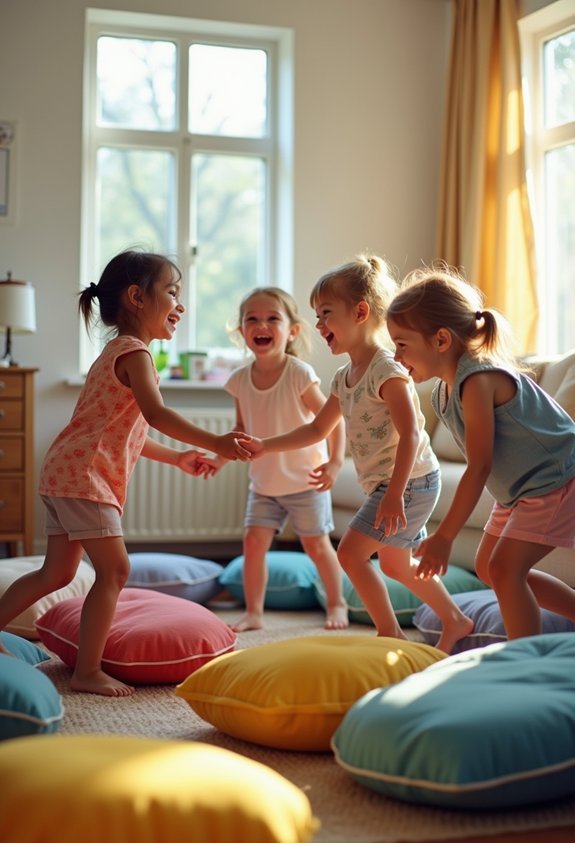
Cooperative musical chairs is like regular musical chairs’ kinder, less chaotic cousin—no one ends up crying on the floor or plotting revenge.
In this version, you don’t kick kids out; you squeeze them in. When the music stops, everyone has to share the remaining chairs. Laps, edges, armrests—everything’s fair game as long as no one gets crushed.
You’re really teaching musical teamwork here. Kids listen for the beat, dash around, then freeze and problem-solve together. They’ve to talk fast: “Scoot over!” “Sit on my lap!” “We’ve got space!” That’s chair cooperation at its best.
As chairs disappear, the group turns into a wiggly, giggly puzzle. You’ll see shy kids light up and bossy kids finally ask, “Can I squeeze in too, as well?”
Group Story Building Circle
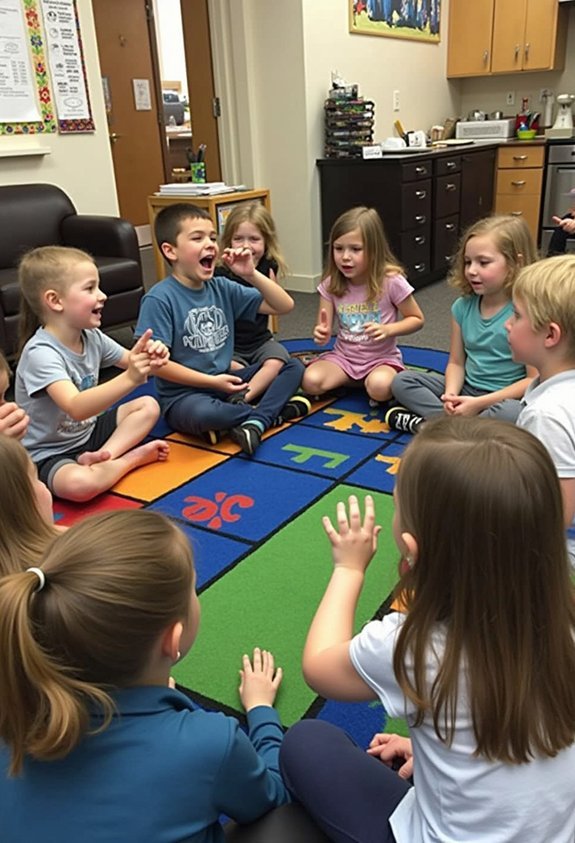
One of the easiest ways to get kids to cooperate is to hand them a story and say, “Okay, you’re all in charge now.”
In a group story building circle, everyone sits together and takes turns adding one line to a shared story—no scripts, no prep, just pure brain chaos in the best way. You kick things off with simple story prompts: “A dragon shows up at recess…” or “The class goldfish escapes…”
Then every kid adds a line. No erasing. No take-backs. If someone says the dragon loves broccoli, guess what, it’s a broccoli dragon now.
Kids learn character collaboration fast, because they’ve to listen, remember details, and build on each other’s ideas instead of stealing the spotlight during every wild turn.
Team Puzzle Challenge
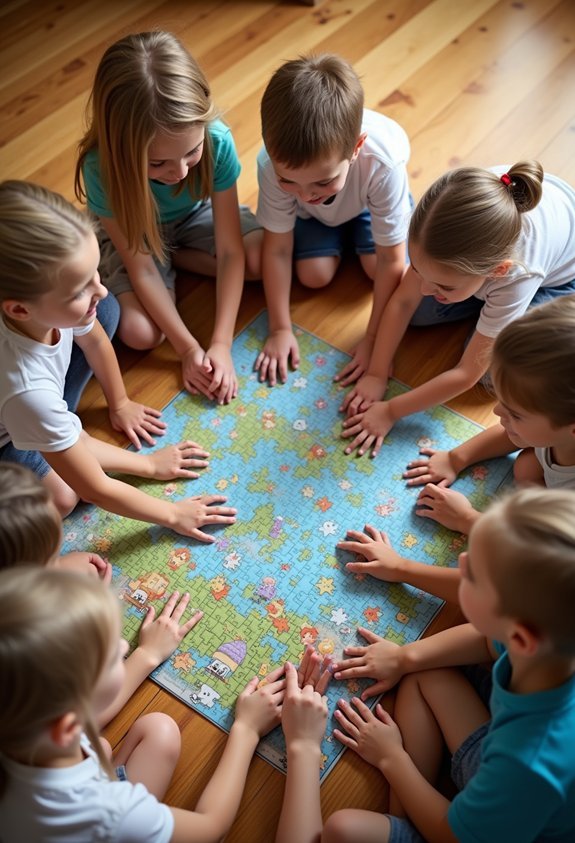
Instead of another “quiet work time” where kids slowly melt into their chairs, try a team puzzle challenge that forces them to actually talk to each other.
Hand each group a puzzle, but give different kids different pieces of the info: one gets the picture, one gets the rules, one gets the pieces, and one gets the timer.
Now they can’t win unless they share, plan, and listen. You’ll see real team communication fast, plus some dramatic gasps when the timer beeps.
Pause them halfway and say, “What’s our puzzle strategy here?” Make them reset roles, maybe swap leaders.
Afterward, ask, “Who talked a lot? Who held back? What helped?” That’s where the real learning hits.
Next time, they’ll beg for the hard puzzles.
Human Knot Breakout
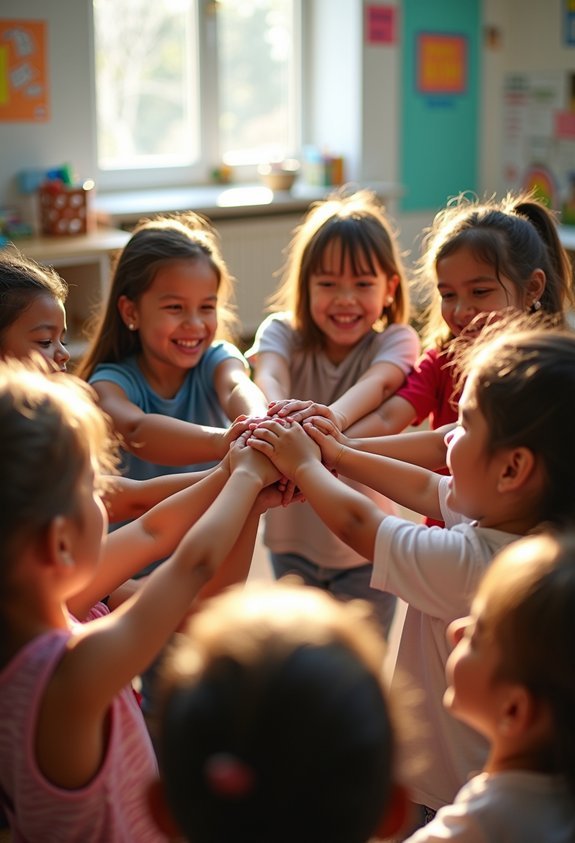
Human Knot Breakout turns your calm classroom into a full-on giggle tornado, in the best way. You ask kids to stand in a circle, close their eyes, and grab two random hands. When they open them, boom—instant chaos knot. Their job: untangle without letting go.
They’ll twist, duck, and shriek, but they’ll also test team dynamics in a big way. You’ll see leaders step up, quiet kids speak out, and bossy kids learn to chill.
To keep it from turning into a wrestling match, remind them to use clear, kind words. This game sneaks in strong communication skills while they’re too busy laughing to notice.
Kids practice clear, kind words, building real communication skills while they’re hilariously tangled together
- Elbows bump, everyone howls.
- A shy kid gives the key idea.
- They finally break free, cheering.
Pass the Hula Hoop Relay
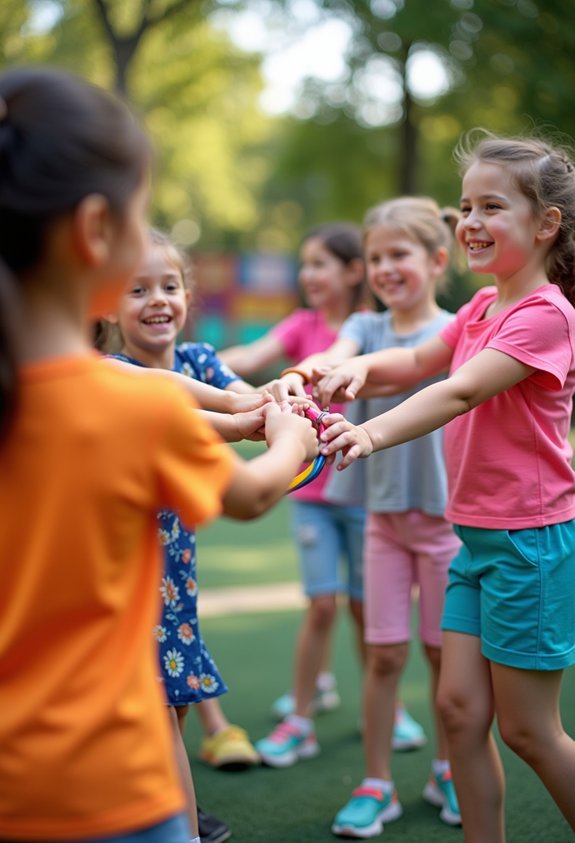
When you need kids to work together but don’t feel like giving a whole speech about “life skills,” Pass the Hula Hoop Relay does the talking for you.
You have everyone stand in a circle, holding hands. Slip a hula hoop over one pair of joined hands, then tell them the mission: get the hoop all the way around the circle without letting go.
Suddenly you’ll see hula hoop strategies pop up everywhere—kids ducking, stepping, twisting, and yelling, “Bend your knees, dude!” They’ll realize fast that speed needs smart teamwork techniques, not wild flailing.
You can pause between rounds, ask, “What actually worked?” then let them try new ideas. Same game, better cooperation every time. Kids leave laughing, sweaty, and secretly proud of themselves.
Build a Bridge STEM Challenge
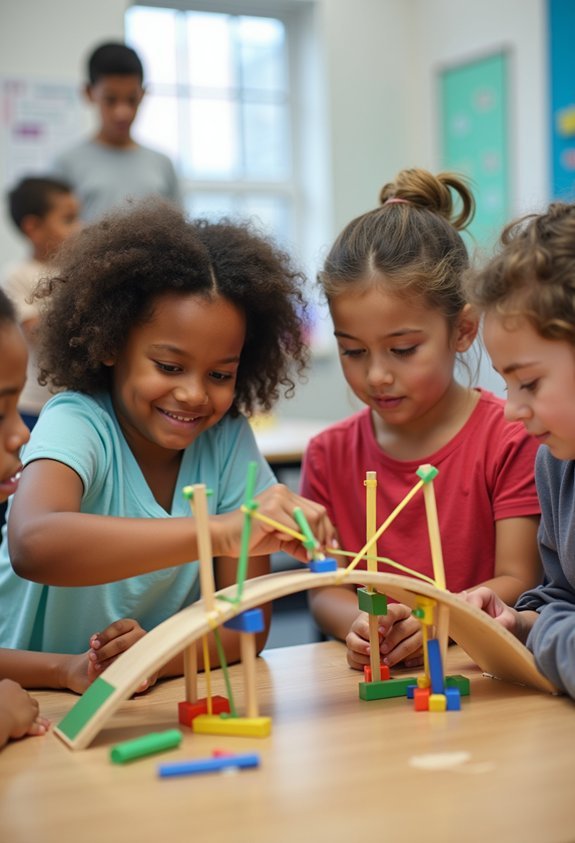
Before you start this bridge challenge, just know: the first round will probably look like a cardboard disaster zone—and that’s perfect.
You split kids into teams, dump a pile of random bridge materials on the floor, and say, “Build a bridge that holds this stack of books.” Chaos. Glue everywhere. Tape in hair. Beautiful.
At first, they argue over design strategies. Someone wants a giant ramp. Someone else builds a tower to nowhere. You guide them to test, fail, and rebuild. Every collapse becomes data, not doom.
- The moment the wobbly bridge finally holds one book
- The scream when it holds five more
- The pride when they say, “We did it together”
That tiny bridge just turned into a huge lesson.
Island Survival Planning Game
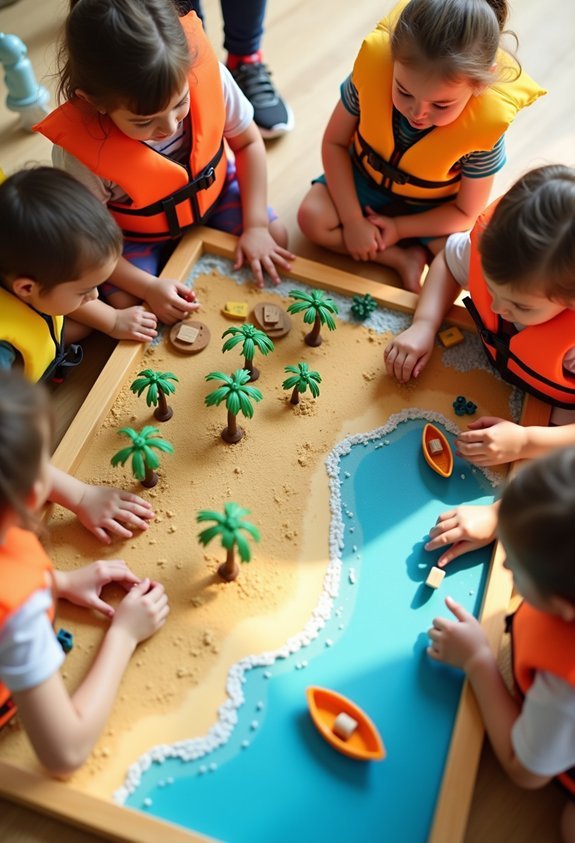
Stranded on a tiny island with a bunch of kids and zero Wi‑Fi? Perfect. You’ve got yourself an Island Survival Planning Game. Hand the group a “map” (paper works) and say, “This is your home now.”
Stranded on a tiny island with kids and no Wi‑Fi? Congratulations, you’ve unlocked Ultimate Survival Game Mode.
Their first job: island mapping. Where’s shelter? Fresh water? Danger zone with imaginary volcano crabs?
Next, dump a list of supplies: rope, tarp, food, tools, random rubber duck. They must decide who gets what and why. That’s resource allocation in kid language: “No, Brayden, you can’t have all the snacks.”
Your job is to keep them talking. Ask, “Does that help the group or just you?”
When they finally agree on a plan, celebrate like they actually survived. Maybe give them leaf crowns for making it that far.
Blindfold Obstacle Course Partners
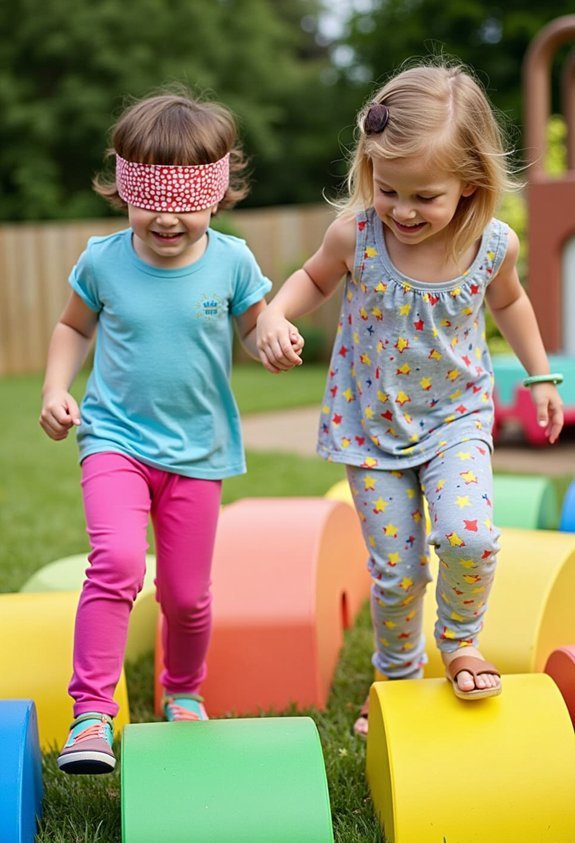
Two kids, one blindfold, zero chance of staying quiet. You pair kids up, blindfold one, and set up a simple obstacle course with chairs, pillows, maybe a very judgmental traffic cone.
The sighted partner can’t touch, only talk. Suddenly “go left” matters a lot more.
This game nails trust building and sensory awareness fast. The blindfolded kid has to listen hard. The guide has to speak clearly, stay calm, and not scream, “YOU’RE GONNA DIE” when they see a backpack.
- The panic when a child whispers, “Step big. No… bigger. NO, BIGGER.”
- The pride when they finish and yell, “We did it!”
- The laughter when someone gently walks straight into a harmless pillow wall and everyone collapses in very dramatic giggles.
Shared Art Mural Project
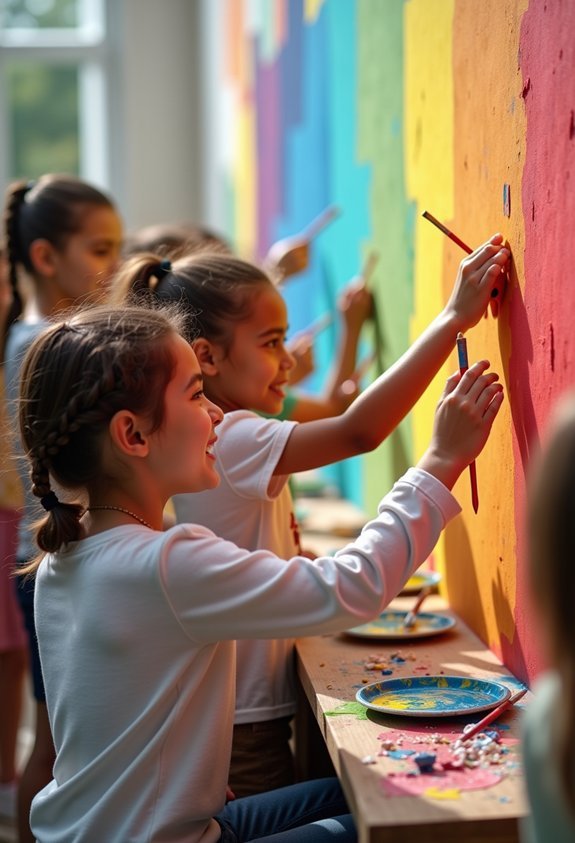
Kids don’t have to stumble into chairs to learn teamwork; they can also smear it all over a giant wall. A shared art mural turns cooperation into beautiful chaos. You roll out paper, tape it up, and tell kids, “This whole thing is ours.”
Then step back and watch the magic and mild arguing begin.
Have them plan a simple mural design together: a jungle, space scene, or wild underwater world. They must pick themes, assign spots, and share paints. “You can’t use all the blue, Brandon” becomes a life lesson.
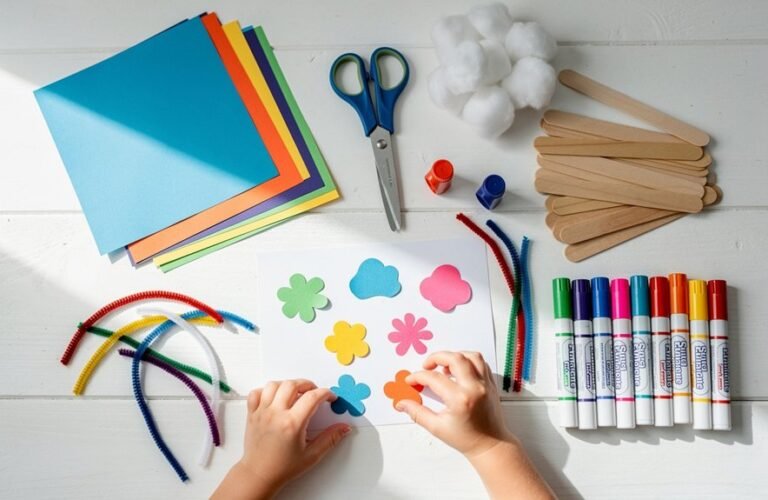
Color mixing is huge here. Someone wants purple? They’ve gotta ask, trade, and blend. By the end, they’re proud, exhausted, and accidentally better teammates.
Plus, the wall looks way cooler than before anyway.
Cooperative Board Game Time
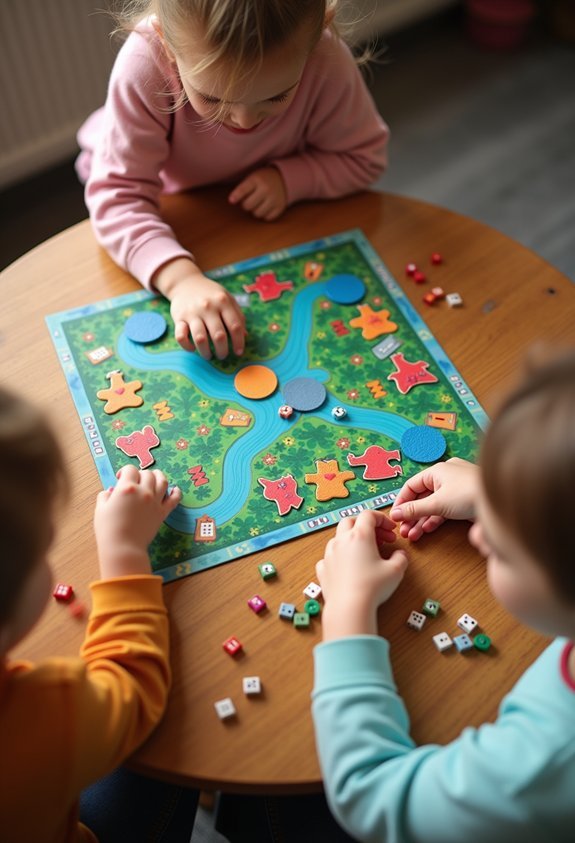
When you bust out a cooperative board game, you’re basically saying, “Alright, tiny humans, you’re all on the same side now—no crying over who won.”
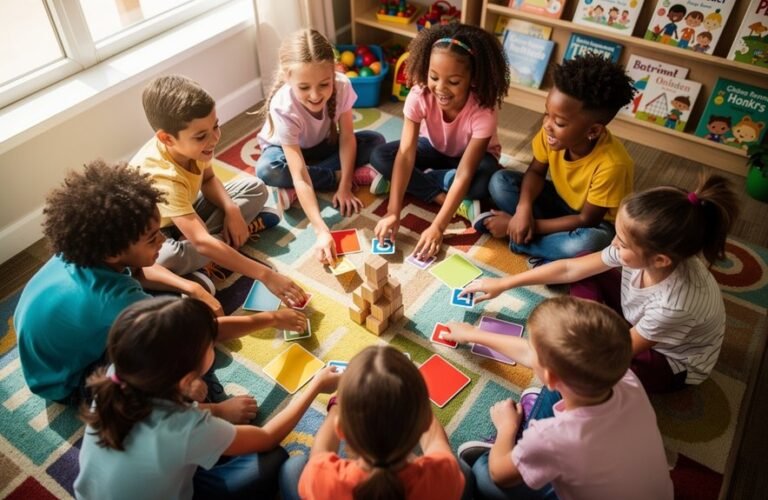
Instead of beating each other, they’re racing a timer, a volcano, zombies, a sinking island—whatever chaos the box promises. You turn the table into a tiny war room. Kids lean in, whisper plans, point at cards, shout, “We need more crystals NOW!”
Suddenly the kitchen table’s a war room and the enemy is a cardboard apocalypse
Cooperative strategy games sneak in big lessons: listening, sharing power, handling stress when the deck is evil.
- Little wins feel huge because everyone celebrates the same victory.
- Meltdowns turn into pep talks when you remind them, “We’re losing to the game, not each other.”
- Quiet kids speak up when the team needs their idea.
Community Cleanup Mission
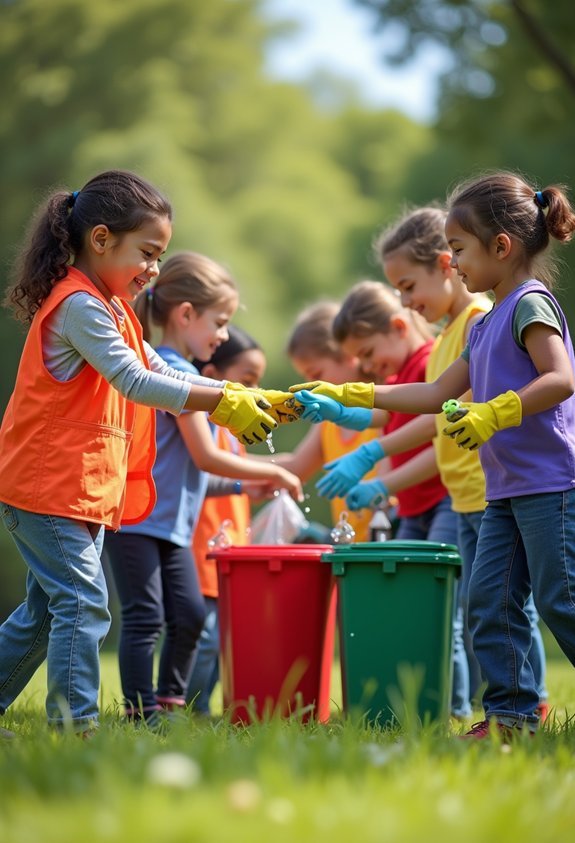
Board games are great practice, but the real boss level for teamwork is getting your kids outside on a community cleanup mission. You grab trash bags, pass out gloves, and suddenly the sidewalk is your battle zone.
Set a shared goal: fill five bags, rescue the park, then celebrate with ice cream. Kids feel like heroes, not house servants doing boring chores. They see how every small action matters, which builds real environmental awareness.
Plus, the teamwork benefits are huge. One kid spots trash, another holds the bag, another keeps score like a sports announcer. Arguments still pop up, but now you can say, “Hey, same team,” and mean it.
Later, they brag to grandparents about saving the planet, and you quietly cheer inside.
Lego Design and Build Teams
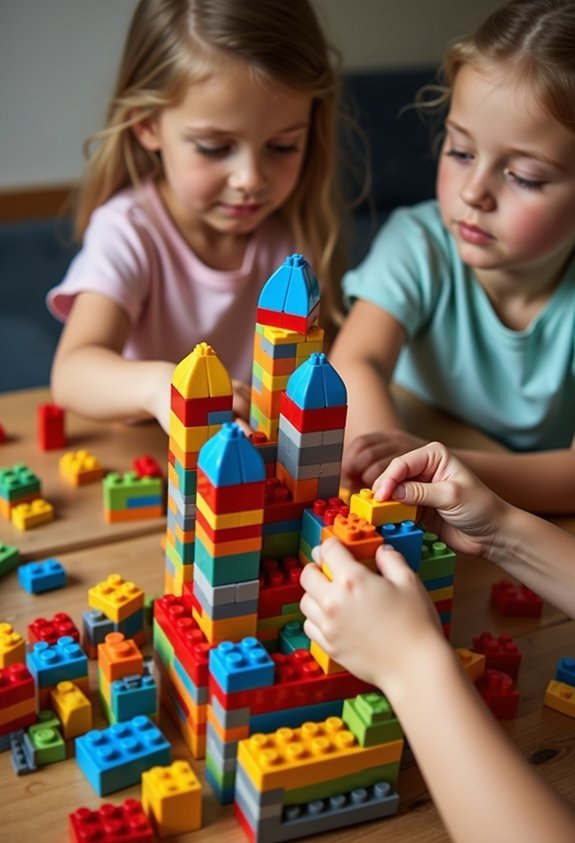
Lego might be the sneakiest teamwork teacher on earth: one second it’s “Let’s build a cool ship,” and five minutes later you’ve got a full-blown design squad arguing over wing size like tiny engineers.
Split kids into tiny build teams, dump one shared brick pile in the middle, and give a clear mission: a bridge, a zoo, a secret base. They’ve gotta plan, listen, and aim their Lego creativity together instead of snatching dragon pieces and screaming, “MINE.”
One shared brick pile, one wild mission—suddenly “my Lego” turns into “our plan” and real teamwork clicks.
You guide teamwork strategies with simple roles: builder, finder, tester. Every swap of jobs shows them the whole team matters, not just the loud kid.
Watch for moments like these:
- shy kid speaks; others listen
- two bosses finally share
- they cheer louder than the bricks deserve
Silent Line-Up Challenge
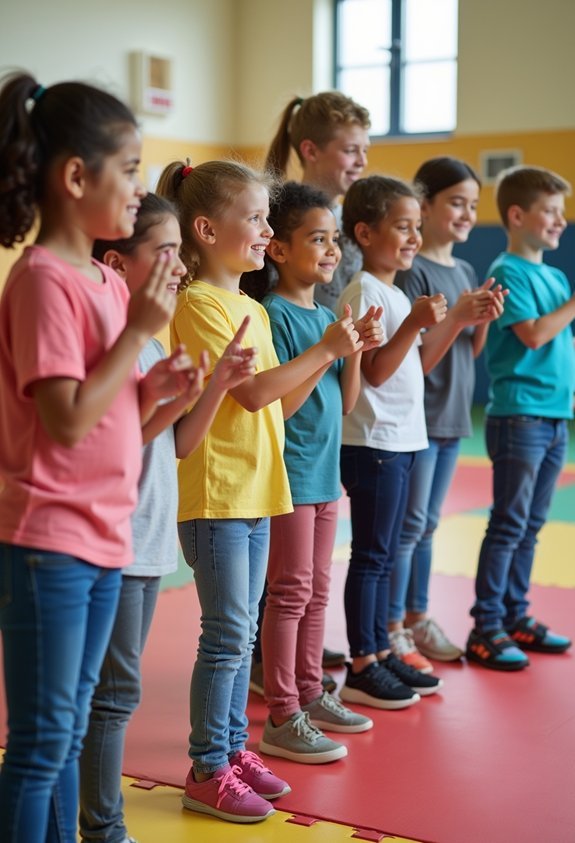
Forget bricks—you’re about to make kids work together without talking, which is basically a group project on hard mode.
In Silent Line-Up, you give them a rule: line up by birthday, height, shoe size, or number of siblings. Then you drop the bomb—no talking. At all.
They’ve got to use silent communication strategies: pointing, shrugging, holding up fingers, even dramatic stomping.
Watch them invent non verbal cues on the spot. Two kids might compare heights back-to-back. Another might draw numbers in the air like a tiny, stressed-out mime.
Your job? Just set the rule, keep them quiet, and call time.
Afterward, debrief. Ask what worked, what flopped, and who secretly tried to cheat.
Next round, switch the rule and watch their teamwork level up.
In case you were wondering
How Can I Adapt These Cooperation Games for Children With Physical Disabilities?
You adapt cooperation games by using adaptive equipment, simplifying movements, and offering roles. You pair kids strategically, emphasize communication over speed, and apply inclusive strategies so every child contributes, feels successful, and practices shared problem-solving.
What Strategies Keep Highly Competitive Kids Engaged in Cooperative Activities?
Channel their competitive spirit into shared goals: track collective scores, rotate leadership, spotlight assists, not just wins. You clarify roles, reward supportive talk, then debrief team dynamics so kids realize cooperation helps them outperform rivals.
How Do I Measure Whether Children’s Cooperation Skills Are Actually Improving?
You measure improvement by tracking behaviors over time, using structured observation techniques, simple cooperative assessments, and kids’ self-reflection, then comparing baseline and sessions to see if they share, communicate, resolve conflicts, and support teammates consistently.
What Cooperation Games Work Well in Small Indoor Spaces With Limited Materials?
You’ll run blindfold walks, human knots, and shared drawing as team building activities together in tight rooms. Use balloon passes, story circles, and object‑transport indoor challenges so kids negotiate roles, talk plans, and debrief afterward.
How Can Parents Reinforce These Cooperative Skills at Home After Gameplay?
You reinforce cooperative skills by turning daily life into an epic quest, using role playing scenarios during chores, celebrating family teamwork at meals, reflecting on conflicts together, and modeling problem-solving so kids see collaboration everyday.
Conclusion
So now you’ve got a whole toolbox of games that secretly teach kids to cooperate while they think they’re just having fun. You’re basically a ninja of teamwork. Use these when kids start arguing over who “always” gets the blue piece or who “never” gets a turn. Hit them with a puzzle, a hoop, or a cleanup mission. Watch them go from “Mine!” to “Let’s do this!” And honestly? That’s the real win.