15 Essential Kitchen Safety Tips for Young Chefs
Want to cook like a pro without burning your eyebrows off? Start by asking an adult to team up; they’re your safety shield. Tie back hair, roll up sleeves, and slap on an apron. Wash your hands, clear counters, and keep raw meat drama away from ready‑to‑eat food. Use knives with a claw grip, grab oven mitts for anything hot, and clean spills fast. Stick with me and your kitchen game’s about to level up.
Key Takeaways
- Always cook with adult supervision, especially when using ovens, stovetops, or sharp knives.
- Wear safe clothing: tie back long hair, avoid loose sleeves, and use an apron to prevent burns and contamination.
- Wash hands for 20 seconds and clean surfaces before cooking to keep germs out of food.
- Use knives carefully with a claw grip, focus on cutting, and always cut on a stable cutting board.
- Handle heat safely: use oven mitts, treat all pans as hot, and know how to smother small pan fires or when to evacuate.
Always Ask an Adult Before You Start

So you’re ready to be a master chef and totally crush it in the kitchen… but hold up, Gordon Ramsay Jr.—did you ask an adult first?
You’re not weak for needing kitchen supervision; you’re smart for not wanting to burn the house down. Grab a parent, older sibling, or babysitter and say, “Hey, I’m cooking. I need backup.”
They can turn on the oven, handle sharp knives, and stop you before you turn pancakes into flaming frisbees. Adult guidance isn’t a buzzkill; it’s your secret power-up.
Let adults wrangle ovens and knives; you handle the fun. Supervision is your ultimate kitchen power-up.
You run the recipe; they run the safety. Team up first, then cook like a legend. That way, you get tasty food, zero trips to the ER, and a kitchen that still exists when you’re done after today.
Dress the Part: Safe Clothing and Hair
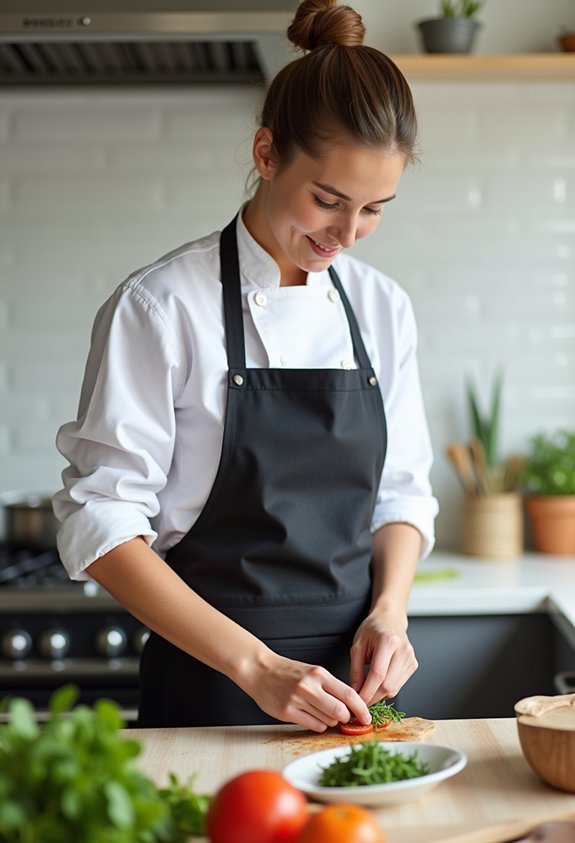
Before you even touch a spatula, you’ve gotta suit up like a kitchen superhero. Loose sleeves, dangly bracelets, and long necklaces? Nope. They can drag through sauce, knock over pans, or even catch on fire.
Wear fitted sleeves and skip jewelry for cooking time.
Next, apron safety. Your apron isn’t just for looking cute in selfies. It keeps hot splashes and sharp crumbs off your clothes and skin. Tie it snug, not hanging like a parachute, so it doesn’t snag on drawer handles.
Hair rules matter too. If your hair is longer than your eyebrows, pull it back. Use hair ties, clips, whatever works, but lock it down.
Nobody wants “Surprise Hair Noodle” in their soup. Huge yuck, instant mood killer for everyone eating.
Wash Your Hands and Keep Surfaces Clean
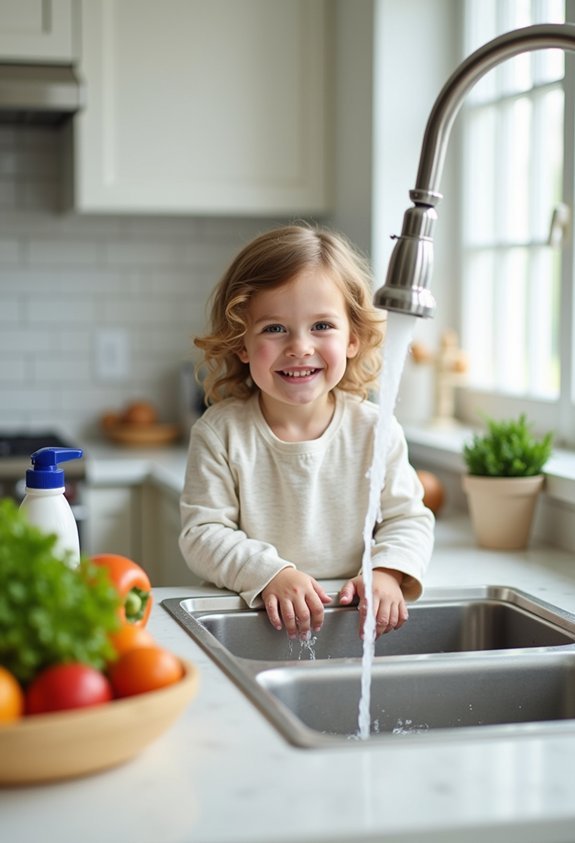
Even if you’re making the world’s best mac and cheese, dirty hands can turn it into a germ party real fast. So, before you touch food, scrub up like a surgeon.
Good handwashing techniques: warm water, plenty of soap, and a full 20 seconds. Get between fingers, under nails, and the backs of your hands. Sing the ABCs if you have to. Dry with a clean towel, not the one the dog licked.
Now look at your counters. Crumbs, sticky spots, random mystery goo? Yeah, all of that can grow bacteria.
Wipe surfaces with hot, soapy water, then do surface sanitization with a kitchen-safe spray or wipes. Clean as you go, so your kitchen doesn’t slowly turn into a science experiment. Nobody wants that.
Learn to Use Knives the Right Way
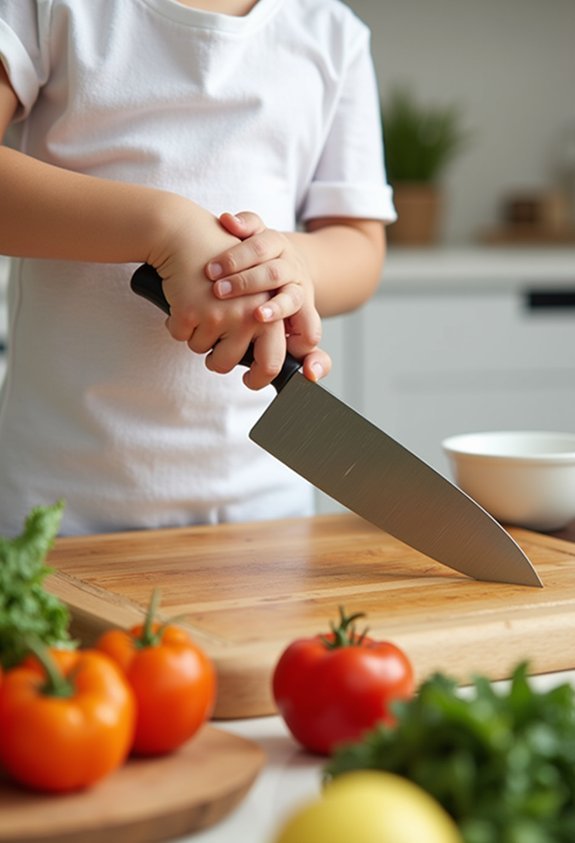
Your hands are clean, your counters aren’t a germ swamp—nice.
Now let’s talk knives, a.k.a. shiny danger sticks. First rule: respect, not fear. Hold the handle with a firm knife grip, thumb and index finger pinching the blade’s base, not waving around on top like they’re on vacation.
Curl the fingers of your other hand into a claw so you don’t slice a fingertip instead of a carrot. Go slow. Smooth, forward-and-down motions beat wild stabbing.
Learn basic cutting techniques: dice, slice, and mince. Start with soft stuff like strawberries before you battle onions.
Keep your eyes on the knife, not your phone. If you’re tired, distracted, or angry, step away from the cutting board.
Give yourself time; safe cooks get to cook again.
Handle Hot Pans and Pots Carefully
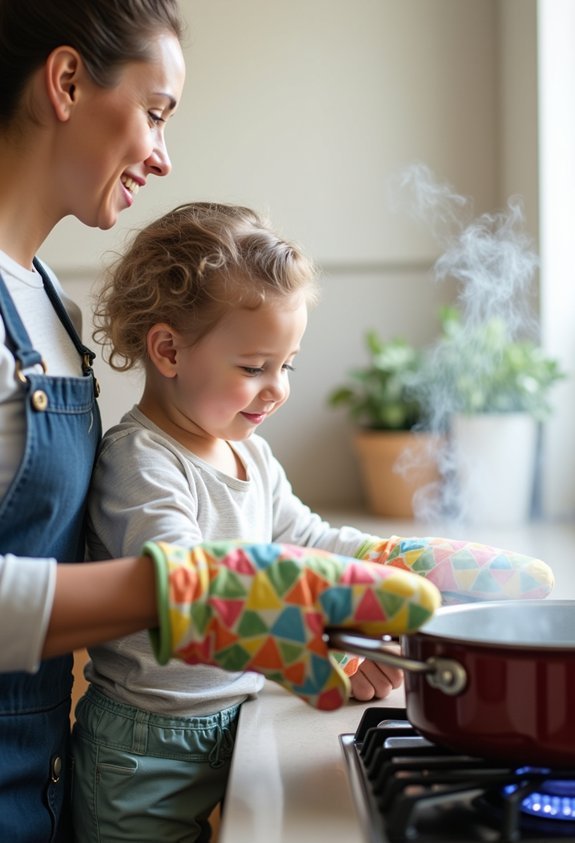
Once the stove turns on, the whole kitchen basically becomes “lava, but make it metal.”
Hot pans and pots look normal, which is rude, because they’re actually tiny heat traps waiting to roast your fingertips.
Step one: hot surface awareness. Assume everything near a burner is spicy-level hot. Tap handles with the back of your knuckles first; if it’s warm, grab a dry oven mitt or folded towel. Wet cloths plus heat equals surprise steam facial.
For smart pot handling techniques, keep handles turned inward, but not over another burner. When you move a pan, say “Hot behind!” like you’re in a cooking show, even if it’s just your cat listening.
Lift lids away from you so steam doesn’t slap your face too hard.
Respect the Stove and Oven
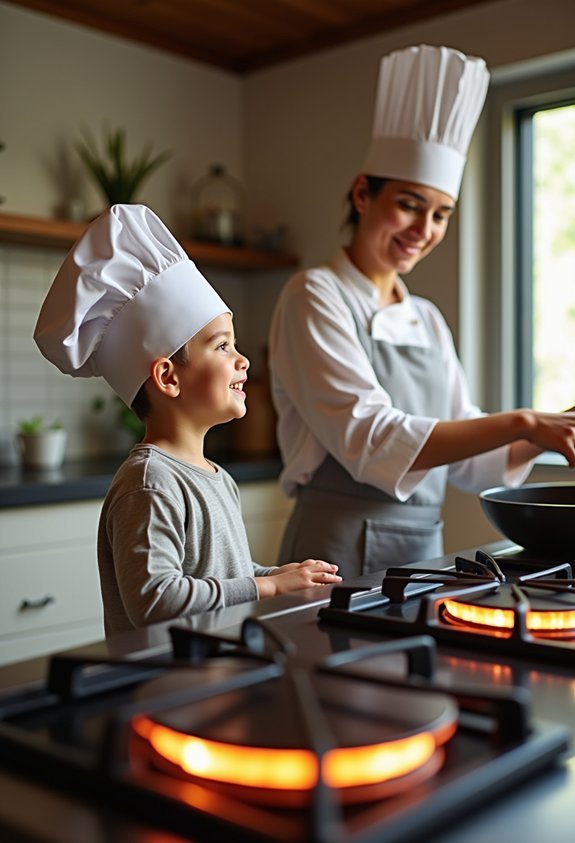
Stove drama time: this is the part of the kitchen that can turn a chill snack session into a firefighter fan club meeting if you’re careless. Treat those burners like tiny dragons.
For real stove safety, turn pot handles in, not out, so nobody hip-checks boiling soup onto the floor. Tie back loose sleeves; you want dinner crispy, not your hoodie. If a flame flares up, stay cool—turn off the burner and slide on a lid instead of tossing water like a movie hero.
Now for oven precautions: always use oven mitts, never a damp towel, or you’ll get surprise steam burns.
Open the door slowly and step back. Hot air woosh is real. Also, never leave food baking and wander off alone.
Keep Electrical Appliances Under Control
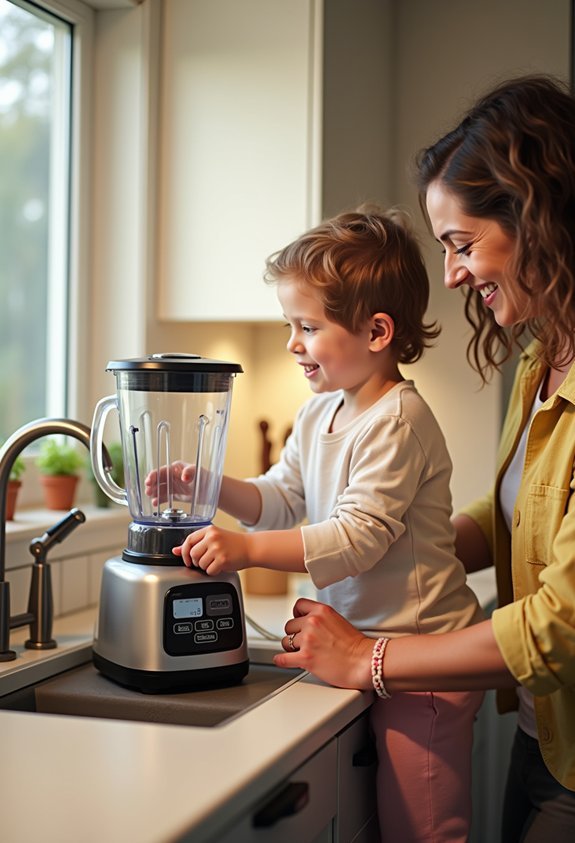
Even though blenders and mixers don’t shoot flames, they can still turn your snack time into a horror movie blooper reel if you ignore them.
First rule of electrical safety: treat outlets like tiny dragons. Don’t poke them, overload them, or yank cords from them. Always pull the plug, not the cord, when you’re done. Keep cords away from water, hanging edges, and hot burners. Wet hands plus electricity? That’s a shock selfie you don’t want.
Treat outlets like tiny dragons: don’t stab, soak, or strangle them—pull the plug, keep hands dry, survive snack time.
Now let’s talk appliance organization. Give every gadget a home so you’re not juggling a toaster, waffle maker, and air fryer on one outlet strip.
Unplug what you’re not using, park it safely on the counter, and keep switches flipped to OFF. No sparks, no screams, just snacks.
Store and Use Ingredients Safely
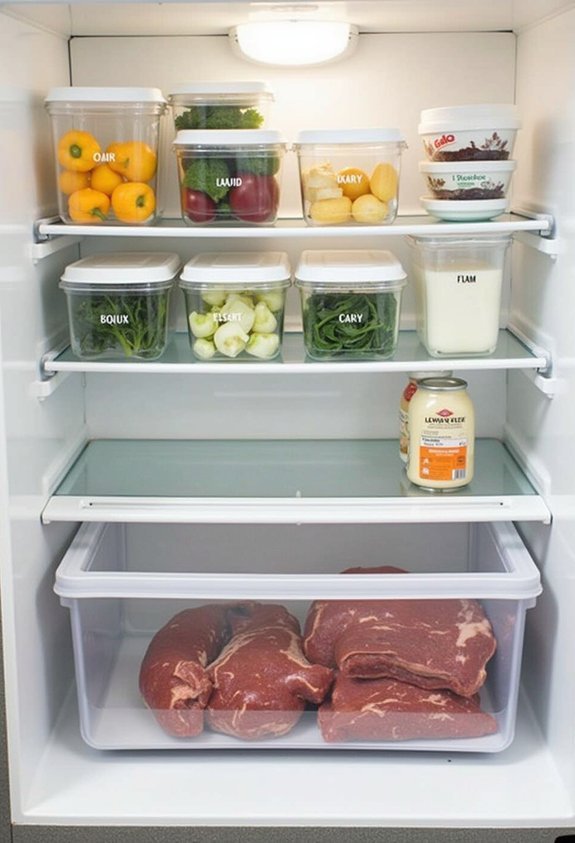
Before you start tossing stuff into bowls like a cooking show star, you’ve gotta make sure your ingredients aren’t secretly trying to poison you. Old milk, mystery meat, and slimy lettuce aren’t “extra flavor.” They’re food villains.
Good food storage is your first shield. Fridge stuff goes in the fridge, fast. Raw meat stays on the bottom shelf, so it doesn’t drip on anything happy and innocent.
- Check dates and smells. If it’s fuzzy, gray, or smells like feet, it’s gone.
- Practice ingredient labeling. Write what it’s and the date on every container.
- Use clean scoops and spoons, not your hands, so germs don’t throw a party in your food.
Respect ingredients, avoid drama in your kitchen, every time.
Prevent Slips, Trips, and Falls
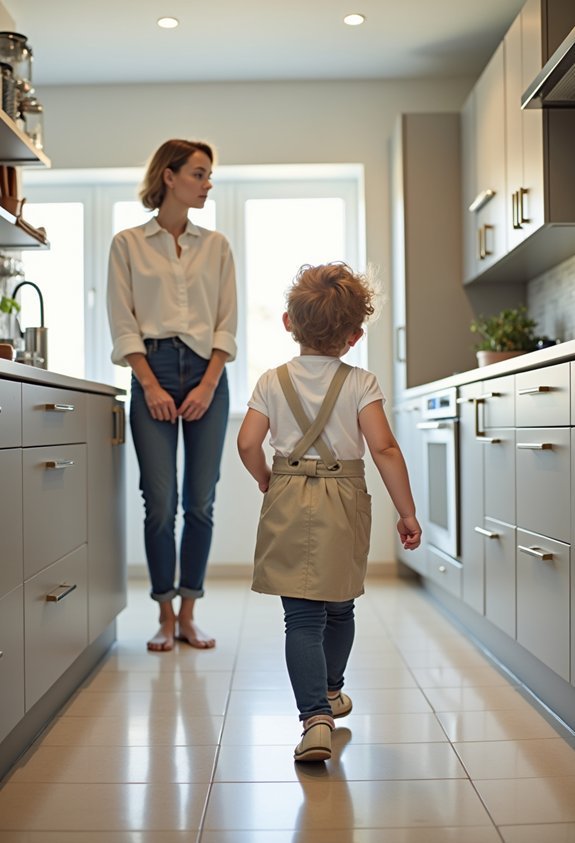
One tiny puddle on the floor can turn you into a breakdancer you didn’t sign up to be.
One rogue splash and suddenly you’re spinning on the tiles like an unwilling backup dancer
So first rule: see a spill, attack it. Don’t walk past it, don’t “do it later.” Grab a towel, wipe it up, then dry the spot so it’s not still slick.
Use spill prevention moves, too. Turn pot handles in, so boiling stuff doesn’t slosh out when someone bumps them. Pour slowly. Use smaller containers if a big one’s hard to lift.
Think about floor traction. Wear closed shoes with grippy soles, not slippery socks.
If the floor still feels like an ice rink, throw down a washable rug with a non-slip bottom. You’re cooking, not filming a fall-down comedy. Save the drama for dessert.
Keep Clutter Away From Cooking Areas
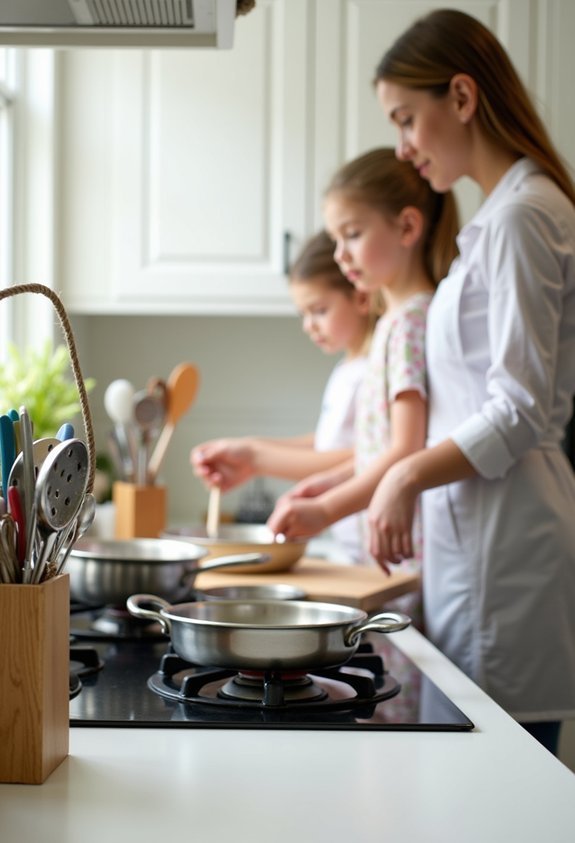
When your counter’s a junk pile, cooking feels like playing “find the spoon” on hard mode. You knock stuff over, lose ingredients, and maybe season the floor instead of the pan.
Good kitchen organization keeps the chaos down and your food in the pot. Your goal: clear, calm countertop space around the stove and cutting board.
- Move gadgets you don’t use daily to a cabinet or shelf.
- Park snacks, mail, and random junk far from the stove zone.
- Use a tray or bin to corral oil, salt, and main spices.
Before you cook, do a 30‑second sweep: put away knives, wipe crumbs, shove the toaster back.
When your space is clear, you move faster, stay safer, and feel like a pro every single time.
Know What to Do in Case of a Fire
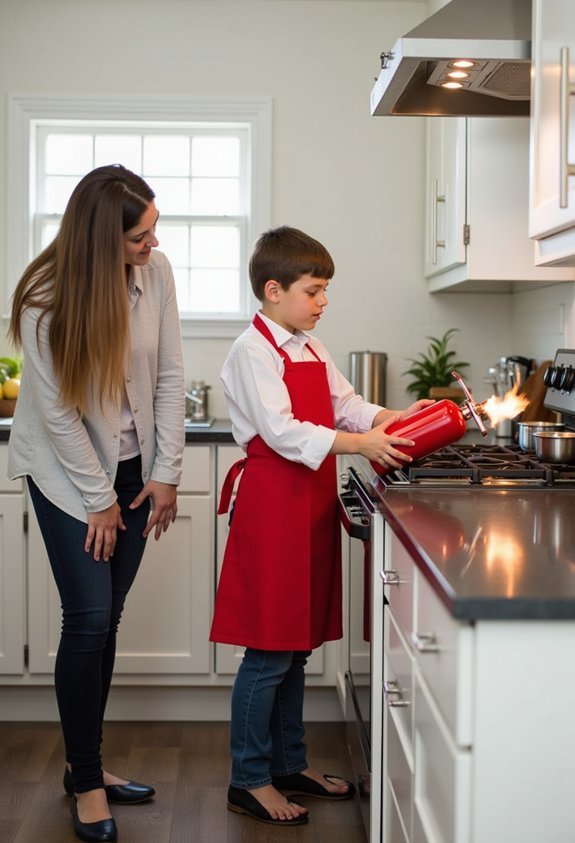
Clear counters are awesome, but a neat kitchen won’t help if your pan suddenly turns into a fire-breathing dragon.
First rule: don’t panic, and don’t touch the flames like a movie hero. Turn off the burner. If it’s a small pan fire, slide a lid on top and smother it. No lid? Back off and use baking soda, never water, especially on grease.
If a pan flares up, kill the heat, cover, and smother—baking soda yes, water never
Know where the fire extinguishers are and how they work before anything happens. If the fire grows, forget saving dinner. Yell “Fire!”, get everyone out, and head to the nearest emergency exits. Close doors behind you if you can.
Once you’re safe outside, call for help and stay out. Fires move fast, so act fast and take rules seriously, okay? always
Treat Cuts and Burns the Smart Way
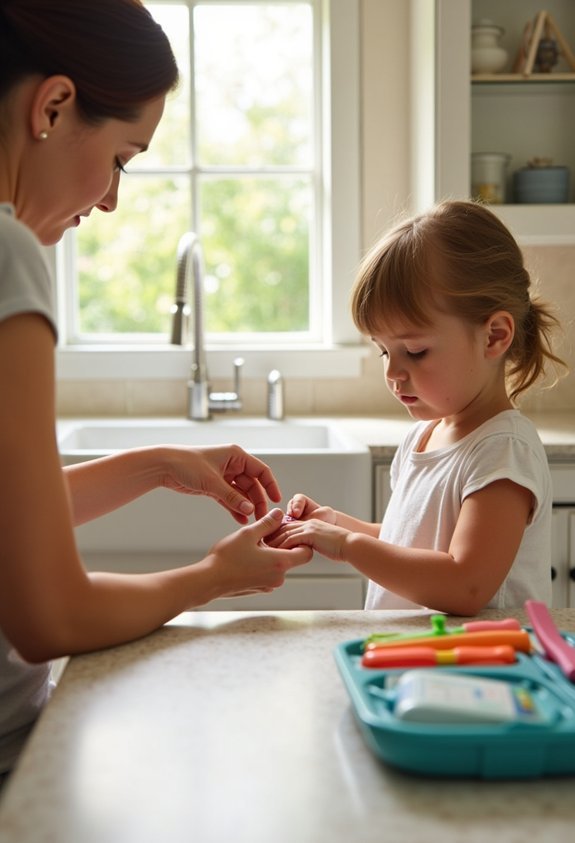
Even if you cook like a pro, sooner or later you’ll nick a finger or touch the “ow-that’s-hot” part of the pan.
When that happens, don’t panic, don’t faint, and please don’t wipe the blood on your apron like a movie chef.
For cuts, think fast first aid: rinse with cool water, pat dry, then cover it so your dinner doesn’t get a surprise “protein upgrade.”
For burns, smart burn treatment keeps you cooking:
- Run cool (not ice-cold) water over the burn for several minutes.
- Gently dry, then cover with a clean, loose bandage.
- Tell an adult away if skin blisters, turns white, or hurts like dragon fire.
If it looks bad, you don’t “walk it off” — you get help.
Use the Right Tool for the Job
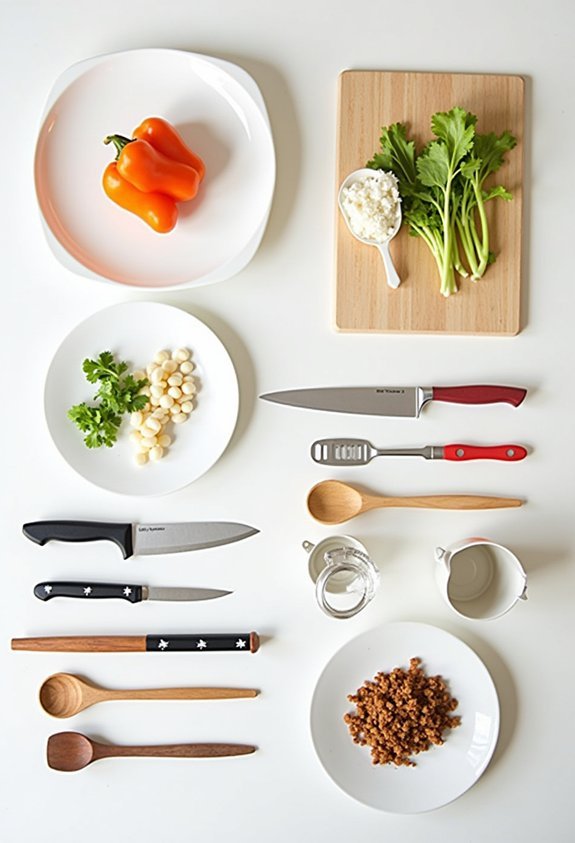
Before you start waving knives around like a cooking ninja, you’ve gotta match the tool to the job, or the kitchen will clown you fast.
Grab a sharp chef’s knife for onions, not a tiny butter knife that cries at tomatoes. Use a cutting board, not the plate your mom loves. Good utensil selection keeps your fingers, and your pride, intact.
Pick pans that actually fit the burner. Giant pan, baby burner? Your food cooks weird and you feel betrayed.
For baking, use proper measurements. A “meh, that looks right” scoop of salt can turn cookies into driveway gravel. Use real measuring spoons and cups, level them off, and follow the recipe like it’s a treasure map. Trust me, your taste buds will celebrate.
Clean Up Spills and Messes Right Away
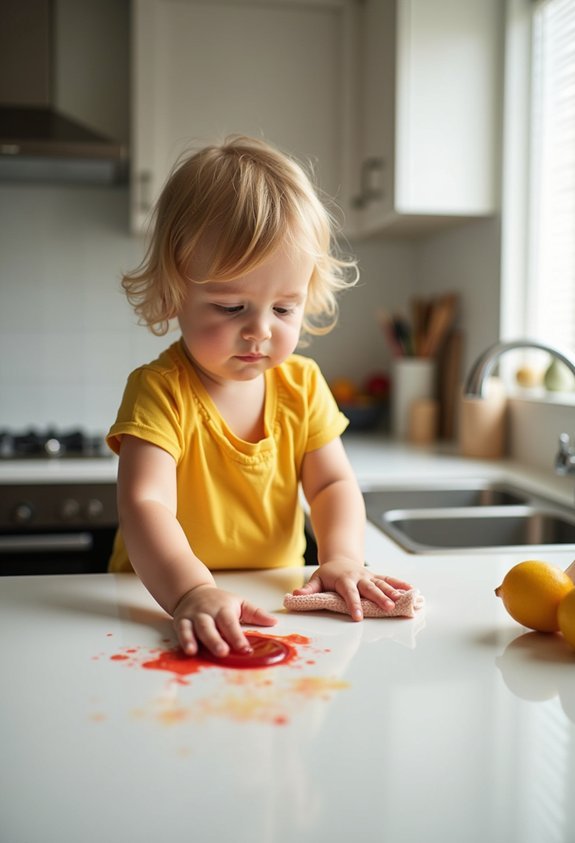
Once something hits the floor or splashes on the stove, the mess basically starts a crime scene for slipping and burning, so you’ve gotta attack it fast.
Think of liquids as tiny villains plotting ankle destruction. Your best defense is quick cleanup before anyone takes a dramatic slide.
Grab paper towels, wipe from the outside in, then dry the spot so it’s not sneaky-wet. For grease, toss some salt or flour on it first so it doesn’t smear everywhere.
- Wipe handles and knobs so slippery fingers don’t keep spreading the mess.
- Park a sponge and towel near the sink for instant spill prevention.
- Do a fast floor scan after cooking; shine beats slime every time so no one wipes out hard.
Practice Safe Habits Every Time You Cook
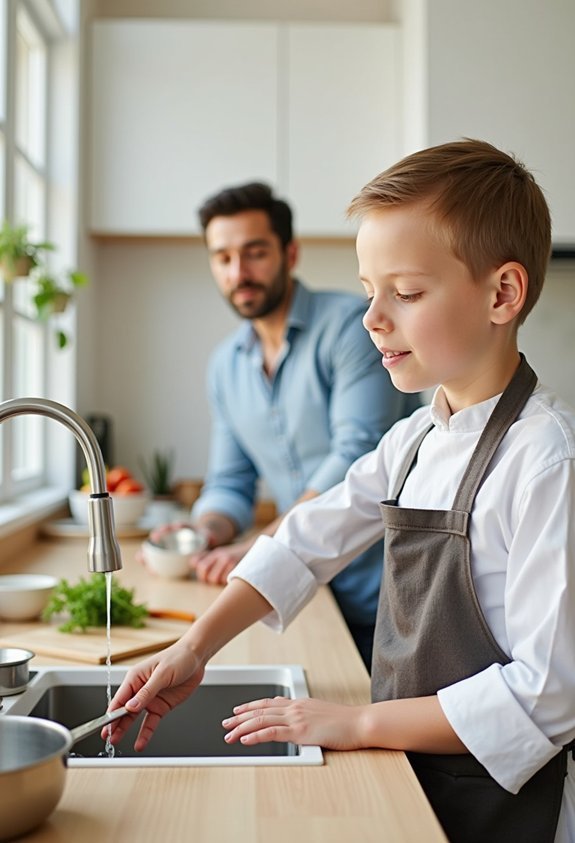
When you cook a lot, your habits are kind of like your secret superpower—or your secret villain, if they’re bad.
Safe habits start before the stove’s even on. Check sleeves, tie hair, and clear clutter. Boom: instant kitchen organization. You know where stuff is, so you’re not juggling knives and hot pans like a circus act.
Keep a “cooking mindset” every time. Ask yourself: Is this hot? Sharp? Slippery? If yes, slow down. Use oven mitts, turn pot handles in, and never grab a pan with a mystery towel. That’s how people learn what a blister smells like.
Put tools back in the same spot. Turn off burners as soon as you’re done. Little habits, huge safety win. Future you’ll seriously thank you.
In case you were wondering
How Old Should I Be Before Cooking Without an Adult in the House?
You should usually wait until you’re around 12–14 before cooking alone, but it depends on maturity. Follow age guidelines, practice safety, start with simple recipes, and prove you can handle emergencies; approach builds cooking independence.
What Are Signs of Food Poisoning I Should Watch for After Eating?
You’re a castle guard; food poisoning invaders announce themselves with nausea, stomach cramps, vomiting, diarrhea, fever, and weakness. Practice symptoms awareness, timing after meals, hydrate, rest, seek help if severe, and learn prevention strategies early.
How Can I Cook Safely if I Have Food Allergies or Sensitivities?
You cook safely by reading labels, avoiding equipment, and planning allergy substitutions. Use separate utensils, wash hands often, and explain your needs to helpers so they don’t cross-contaminate ingredients or serve foods you’re unsure about.
Is It Safe to Taste Raw Cookie Dough or Cake Batter While Cooking?
No, licking raw dough isn’t heroic taste-testing; it’s bacteria roulette. You respect raw ingredients safety by skipping raw eggs and flour and following baking hygiene practices: wash hands, clean tools, and wait until desserts bake.
How Should I Safely Store Sharp Tools Like Knives and Kitchen Scissors?
Store knives in a sturdy block or magnetic strip, never loose in drawers, to protect fingers. Use blade covers for travel, keep points down. For scissors safety, choose a designated holder, close blades before storing.
Conclusion
So here’s the wild thing: the same day you learn all these safety tips is probably the day you *don’t* slice a finger, burn an eyebrow, or slide on a puddle of juice. What a “coincidence,” right? When you tie back your hair, grab a mitt, use knives right, and clean as you go, the disasters just… don’t happen. Keep cooking, keep it safe, and let the drama stay on the TV, not in your kitchen.