Daycare Naps Ruining Bedtime? Help for Preschool Nap Struggles
If your preschooler’s daycare nap is causing bedtime battles, you’re not alone. Research shows that daytime naps reduce nighttime sleep pressure, making it harder for children to fall asleep. Signs your child has outgrown napping include taking over 30-45 minutes to fall asleep or lying awake during rest time. You can request a meeting with your daycare to discuss “quiet rest time” alternatives and adjust your evening routine with dimmed lights and calming activities to help restore peaceful nights.

Why Daycare Naps Become a Problem for Older Preschoolers

When your preschooler suddenly starts fighting bedtime or lying awake for hours, the culprit might be happening miles away at daycare.
Your child’s bedtime battles might not start at home—they could be brewing during naptime at daycare.
Between ages three and five, children’s sleep needs naturally decrease. Their sleep cycles mature, and many no longer require daytime rest.
However, most daycares maintain mandatory nap periods lasting one to two hours for all children, regardless of individual needs.
This creates a mismatch. When your child sleeps during the day, they’re borrowing from their nighttime sleep bank. Extended nap duration at daycare directly reduces their sleep pressure—the biological drive that helps them fall asleep at night.
Research shows that preschoolers who nap take longer to fall asleep and sleep less overall.
You’re witnessing this tension between institutional scheduling and your child’s evolving biological needs.
Signs Your Child Has Outgrown Their Daytime Nap

Several telltable behaviors signal that your child no longer needs daytime sleep.
Watch for consistent difficulty falling asleep at bedtime, taking more than 30-45 minutes to drift off, or waking unusually early despite adequate overnight hours. If your child skips a nap without experiencing daytime crankiness or meltdowns, they’re likely ready to transition.
Pay attention to nap duration changes too.
Children who previously slept 90 minutes but now only manage 20-30 minutes are showing reduced sleep pressure. You might also notice your preschooler lying awake during designated rest time, chatting or playing instead of sleeping.
Most children drop naps between ages three and five.
However, every child differs. Track these patterns for two weeks before concluding your child has truly outgrown their nap.
How to Talk to Your Daycare About Nap Time Flexibility

Once you’ve recognized that your child has outgrown their daytime nap, the next step involves having a productive conversation with your daycare provider.
Start by requesting a meeting rather than discussing concerns during busy drop-off times. Come prepared with specific observations about your child’s bedtime struggles and how the current nap schedule affects their nighttime sleep.
Effective communication strategies include asking questions rather than making demands. Inquire about their policies and what flexibility exists. Some daycares offer “quiet rest time” alternatives where children can look at books or engage in calm activities instead of sleeping.
Propose a trial period to test adjustments. Document changes in your child’s sleep patterns at home to share with providers.
Evening Routine Adjustments to Combat Late Bedtimes

Even if your daycare can’t adjust nap times, you can still make strategic changes to your evening routine that help your child fall asleep more easily.
Start by scheduling active evening activities right after pickup. Physical play helps burn off energy that accumulated during a sedentary afternoon nap. Aim for at least 30 minutes of movement before transitioning to calmer pursuits.
Next, examine your bedtime rituals. Keep them consistent but flexible in timing. If your child napped late, shift the entire routine 20-30 minutes later rather than forcing sleep before they’re ready.
Dim lights an hour before bed to support natural melatonin production.
Consider adding calming activities like gentle stretching or audiobooks. These signal to your child’s body that sleep is approaching, even when they’re not feeling particularly tired.
Physical Activity Strategies to Promote Better Nighttime Sleep

Because children who nap at daycare often haven’t expended enough physical energy by bedtime, strategic activity planning becomes essential for tired parents seeking smoother nights.
Prioritize active play immediately after pickup. Even 20-30 minutes of running, jumping, or climbing helps burn excess energy that accumulated during quiet daycare hours. Research shows physical activity improves sleep onset and duration in preschoolers.
Active play after pickup burns the energy daycare naps preserve—making bedtime battles far less frequent.
Outdoor exploration offers particular benefits. Nature walks, backyard adventures, or playground visits provide both physical exertion and sensory stimulation that indoor activities can’t match. The exposure to natural light also helps regulate your child’s circadian rhythm.
Time your activity strategically—aim for vigorous play at least two hours before bedtime. This allows your child’s body temperature and heart rate to normalize, creating optimal conditions for sleep readiness.
When to Consider Alternative Childcare Arrangements
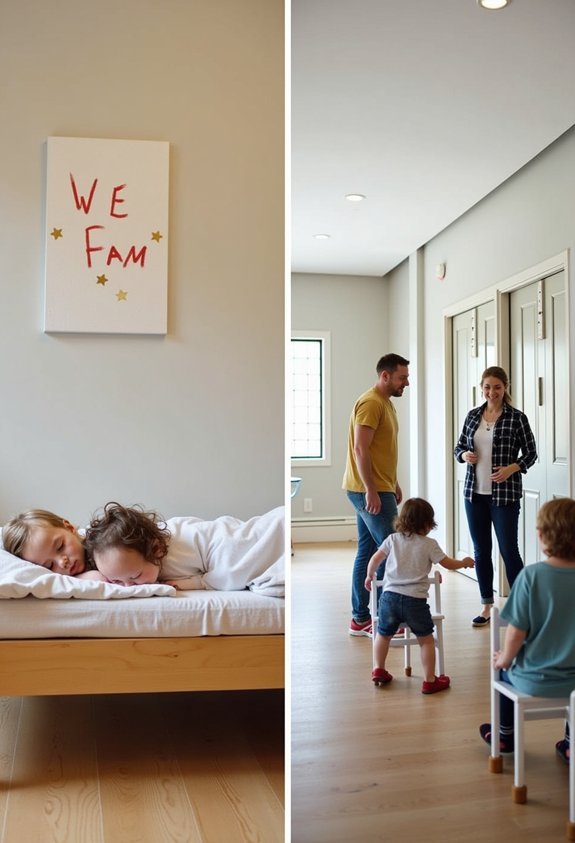
While most families successfully adapt to daycare nap schedules with patience and strategic adjustments, some situations warrant exploring different childcare options.
Consider alternative childcare arrangements if you notice:
- Persistent sleep deprivation — Your child consistently gets fewer than 10 total hours of sleep daily despite months of adjustment efforts.
- Behavioral or health concerns — You’re seeing ongoing mood problems, frequent illness, or developmental concerns linked to chronic sleep issues.
- Inflexible policies — Your current daycare won’t accommodate any flexible scheduling requests for rest time.
Options like home-based daycares, nanny shares, or centers with individualized nap policies may better suit your child’s needs.
You shouldn’t feel guilty prioritizing sleep health. Every child differs, and finding the right fit supports their overall development and your family’s wellbeing.
In case you were wondering
Will Skipping Daycare Naps Affect My Child’s Cognitive Development or Learning Abilities?
You don’t need to worry—research shows nap duration effects on cognitive function are minimal when nighttime sleep stays adequate. If your child’s getting quality rest overall, skipping daycare naps won’t harm their learning abilities.
How Do I Handle Nap Transitions When Siblings Have Different Sleep Needs?
Picture one child drowsy while another bounces energetically—managing sibling sleep means embracing individualized schedules. You’ll create separate nap times based on each child’s unique needs, using quiet activities to occupy awake siblings during rest periods.
Can Melatonin Safely Help My Preschooler Fall Asleep After Daycare Naps?
You should consult your pediatrician before trying melatonin dosage for your preschooler, as sleep safety guidelines recommend exploring behavioral strategies first. They can assess whether melatonin’s appropriate and rule out underlying issues affecting bedtime.
What Age Do Most Children Completely Stop Needing Any Daytime Sleep?
Most children stop needing daytime sleep between ages 3-5, though nap duration varies individually. You’ll notice your child naturally dropping naps, sometimes experiencing temporary sleep regression before fully transitioning to nighttime-only rest.
Should I Wake My Child Early From Weekend Naps to Maintain Consistency?
You can gently limit weekend naps to maintain nap consistency with daycare schedules. If weekend wake ups become difficult, cap naps at 90 minutes and wake your child by mid-afternoon to protect nighttime sleep.
Conclusion
You’re not alone in this exhausting tug-of-war between daycare schedules and your child’s changing sleep needs. Think of your preschooler’s sleep requirements as a shifting puzzle—what fit perfectly at age two simply won’t work at four. By communicating openly with caregivers, adjusting evening routines, and prioritizing physical activity, you can reclaim peaceful bedtimes. Trust your instincts about your child’s needs, and don’t hesitate to advocate for solutions that work for your whole family.