How to get your 4 Year Old to Fall Asleep at Night Without Losing Your Mind – Bedtime Problems

It’s 9:47 p.m. You’ve done the bath. You’ve read the bedtime story—twice. You’ve tucked them in, fetched water, let them go potty one more time, and reminded them (again) that it’s time to sleep. And yet, there’s your almost-4-year-old, still wide awake, bouncing around the room like bedtime is a suggestion rather than a rule. Sound familiar?
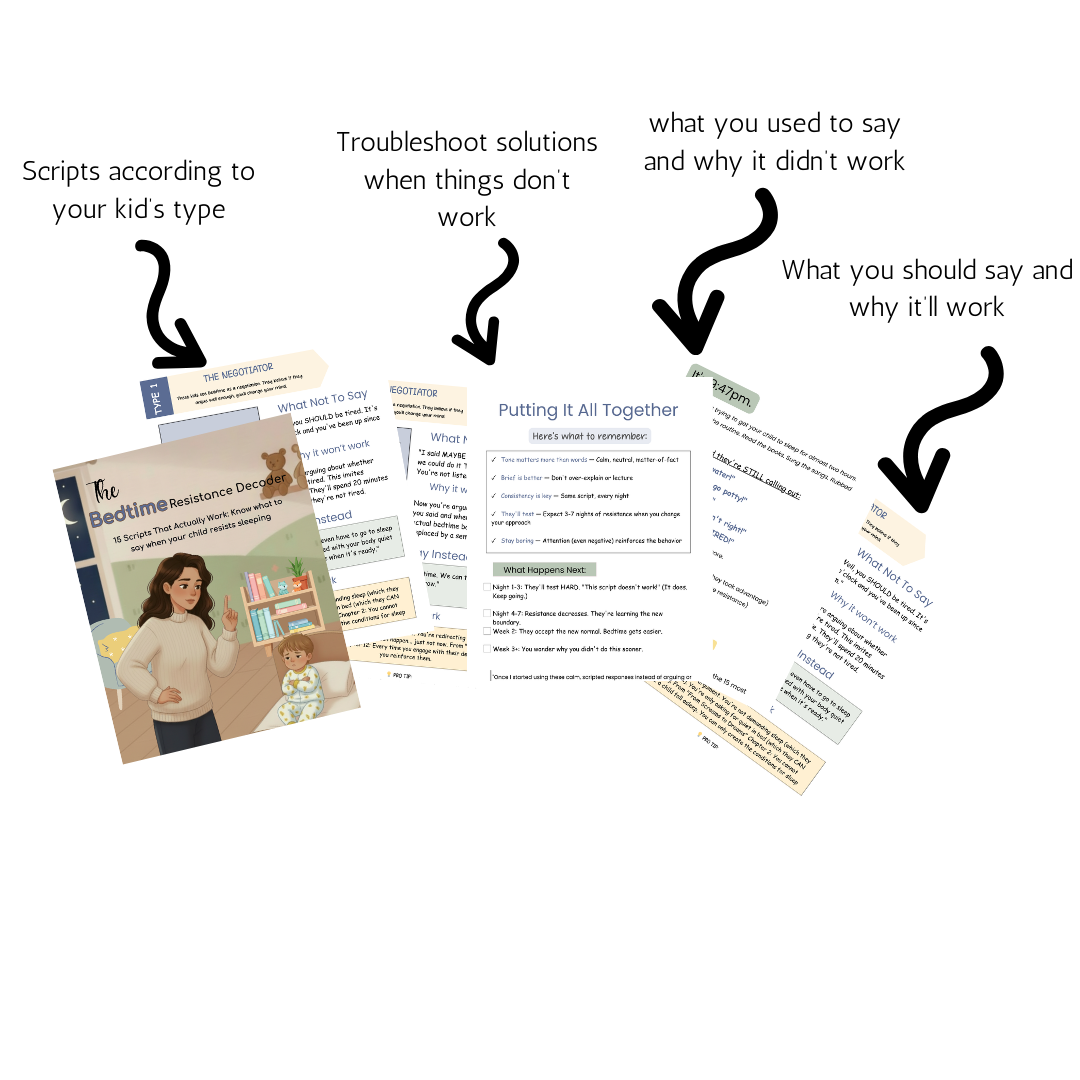
You’re not alone. Many parents of toddlers and preschoolers are dealing with the exact same exhausting cycle—bedtime battles that drag on until 10pm or later, leaving everyone frustrated and overtired. Here’s the thing: this struggle is incredibly common, and there are real, practical tips to help your child fall asleep earlier without endless tears or negotiations.
Let’s figure this out together.
Why Your Preschooler Won’t Sleep Until 10PM
Before we dive into solutions, it helps to understand why your 3 year old or 4 year old won’t fall asleep at a reasonable hour. There’s usually a biological reason—and it’s often simpler than you’d expect.
The Nap Trap
If your child goes to preschool or daycare where they nap during the day—sometimes for 90 minutes or more—they simply may not need to sleep early in the evening. Their little bodies have already gotten a chunk of rest. The average age for dropping the nap is around 3, but many preschool programs still require rest time through age 4 or 5. This means your child comes home well-rested… and ready to party at 9pm.
Here’s what worked in our house when things felt chaotic: we asked the preschool about switching to quiet time instead of mandatory napping. Many daycares will accommodate this if you explain the bedtime problems it’s causing. If they won’t budge, you may need to adjust your expectations—some kids genuinely won’t be ready for sleep until 9 or 9:30 when they nap that long.
Screen Time Suppresses Melatonin

This one might sting a little, but it’s important: screens before bed make it physically harder for your child to fall asleep. Blue light from tablets and TVs suppresses melatonin—the hormone that makes us sleepy. Even 30 minutes of screen time in the hour before bedtime can delay melatonin release, meaning your little one genuinely doesn’t feel tired when you announce bedtime.
One mom shared: “We decided to cut out TV in the evenings. We’re on day 5 without any screen time after dinner and it has been like night and day. Bedtime went from a 2-hour battle to him being asleep by 8pm.” That “hour before bedtime” screen-free window? It’s not a punishment—it’s biology working in your favor.
How Much Sleep Your Child Needs
Understanding how much sleep your child actually needs can help you set realistic expectations. According to pediatric sleep guidelines, preschoolers aged 3-5 typically need 10-13 hours of sleep in a 24-hour period, including naps.
So if your child naps for 90 minutes at preschool and wakes up around 7am, they may not actually be ready to sleep until 9pm—and that’s developmentally appropriate. It doesn’t mean something is wrong with your child. It just means their sleep cycle is different from what parenting books promised.
If they’re waking up well-rested and functioning fine during the day (not tired during the day or having night terrors), a later bedtime might simply be their normal. The goal is making sure they’re getting enough sleep overall—not forcing them to be asleep by 8pm if their body isn’t ready.
Tips to Help Your Child Fall Asleep Faster
Have you ever had one of those days where you just needed a quick win? These strategies won’t transform bedtime overnight, but they’re doable steps that genuinely help your child get sleepy and fall asleep faster.
Start the Bedtime Routine Earlier (But Not Bedtime Itself)
Here’s a counterintuitive tip: if your child refuses to sleep at 8pm, don’t start bedtime at 7:30 and spend two hours fighting them to stay in bed. Instead, push back the actual “lights out” time to when they’re naturally ready for sleep, but start the bedtime routine at a consistent time.
For example: screens off by 6pm, dinner at 6:30, bath at 7:30, books and a bedtime story at 8pm, then lights out at 8:30. Having a consistent bedtime routine signals to their brain that sleep is coming—even if they don’t actually fall asleep at bedtime right away.

Get Them Moving Earlier in the Day
Physical activity is one of the most effective tools to help the child fall asleep. If possible, go to the park after pickup, let them run around, take them swimming, or have them do “heavy work” activities like pushing laundry baskets or carrying groceries. Kids need their energy drained to sleep well.
One mom put it perfectly: “The only real thing that helped was highly intensive outdoor time. Sports, playground, yard work—just make sure they’re highly active.” The key is doing this before the wind-down period, not right before bed (that can actually make them more wired).
Offer a Bedtime Snack
If your preschooler is a picky eater and barely touched dinner, hunger might be keeping them awake. A small, calm snack with protein and fat (like cheese, yogurt, banana with peanut butter, or warm milk with a tiny bit of cinnamon) can help them feel settled and ready for sleep.
Let Go of “Asleep at Bedtime”
This mindset shift saved many parents’ sanity: stop requiring them to be asleep at bedtime. Instead, require them to stay in bed (or at least stay in their room).
Tell your child: “You don’t have to go to sleep right now. But you do need to stay in your room. You can play quietly in his room, look at books, or listen to an audiobook—but you need to stay in your room for the night.” Then leave the room. Many parents found this eliminated the power struggle entirely.
Eventually, they’ll get used to falling asleep on their own. And you get your evening back.
When to Move Bedtime Earlier
If your child is tired during the day, having bedtime battles every single night, or showing signs of being overtired (more tantrums, hyper behavior, night terrors), it may be time to experiment with an earlier wake time or adjusting the nap.
To move bedtime earlier naturally, try waking your child up earlier in the morning. If they currently wake up around 8am and you want them asleep by 8pm instead of 10pm, gradually shift their wake time earlier by 15 minutes every few days. An earlier wake means more sleep pressure by evening.
If your preschool enforces naps, see if they can wake your child earlier from the nap or switch to quiet time. Some parents found that even reducing the nap by 30 minutes made a dramatic difference at night.
What About Melatonin?
Some parents ask their pediatrician about melatonin supplements for persistent sleep problems. While melatonin can help some children fall asleep faster (especially those with ADHD or sensory processing differences), it’s not a magic fix—and it’s best used under guidance from your child’s doctor.
If you’ve tried everything else and bedtime is still a disaster, it’s worth a conversation with your pediatrician. They can rule out other issues (like enlarged tonsils or sleep disorders) and advise whether melatonin is appropriate for your child.
The Honest Truth Many Parents Need to Hear
Sometimes, despite everything you try, your child just… won’t sleep earlier. Some kids are natural night owls. Some have brains that simply won’t slow down. If they’re getting enough sleep overall and functioning well, a 9pm or even 10pm bedtime might just be where your family lands for now.
One exhausted mom shared: “My first was the same. Once he was in Kindergarten and stopped napping, he started going to bed at 8. It does get better.” Another said: “We just stopped fighting it. We do bedtime routine at 8:30, he’s allowed to play quietly in his room, and we go in before 10pm to tell him to lay down. It’s not perfect, but we got our evenings back.”
This won’t last forever. Kindergarten brings schedule changes. Dropping the nap changes everything. Your child will eventually want to go to bed at a reasonable hour—I promise.
You’ve Got This
Bedtime battles with a 3 year old or 4 year old are genuinely hard. You’re not doing anything wrong. Your child isn’t broken. Sleep problems at this age are frustratingly common—but they do improve.
Choose just one strategy from this list to try this week. Maybe it’s cutting screens an hour before bedtime. Maybe it’s talking to preschool about quiet time instead of naps. Maybe it’s simply reframing your goal from “asleep by 8pm” to “calm and in their room by 8:30.”
Small steps count. One change at a time. Even one peaceful bedtime this week is progress worth celebrating.
You’re doing a great job, even when it doesn’t feel like it.