10 Best Sensory Science Activities for Curious Toddlers
Want your toddler to do science without wrecking your house? Try rainbow rice bins, fizzy baking soda color trays, sink-or-float water labs, squishy Ziplock paint bags, cloud dough “kitchen chemistry,” sound shakers, ice cube toy rescues, scented playdough, and bubble foam in the sink. They’ll scoop, pour, poke, and experiment like tiny mad scientists while you mostly sit and drink coffee. Stick around and you’ll snag easy setups, safety tips, and zero-glitter cleanup tricks.
Key Takeaways
- Set up simple sensory science stations like rainbow rice bins, bubble foam sinks, and cloud dough to explore texture, cause-and-effect, and early science concepts.
- Use easy at-home materials—water, rice, baking soda, vinegar, flour, and oil—to keep activities low-cost, safe, and quick to prepare.
- Include fine-motor tools such as scoops, spoons, and pipettes during activities like fizzy color mixing and rice play to build hand strength and coordination.
- Encourage language development by talking about colors, textures, sounds, and smells during nature baskets, scented playdough, and sound shakers exploration.
- Prioritize quick cleanup with contained setups like squishy paint bags, ice cube rescue trays, and easily swept or drained sensory materials.
Rainbow Rice Sensory Bin
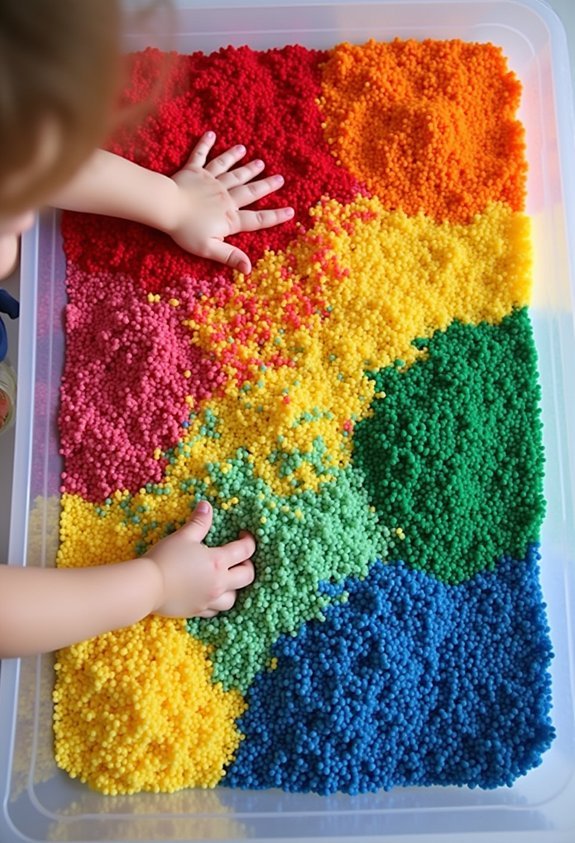
One of the easiest ways to blow your toddler’s mind (in a good way) is with a rainbow rice sensory bin. Grab a plastic tub, dump in dry rice, and add bold colors with a little food dye and vinegar or rubbing alcohol.
Let it dry, then boom—instant magic. Your kid will plunge their hands in, swish it around, and stare like you just pulled a rabbit from the fridge.
They’ll feel the colorful textures sliding through fingers, hear the soft rattle, and probably try to “rain” it on the floor. That’s sensory exploration in action, helping them focus, calm down, and build fine motor skills while you sip coffee and pretend this totally counts as science.
Just don’t eat the rice, okay? Ever.
Fizzy Color Mixing Tray
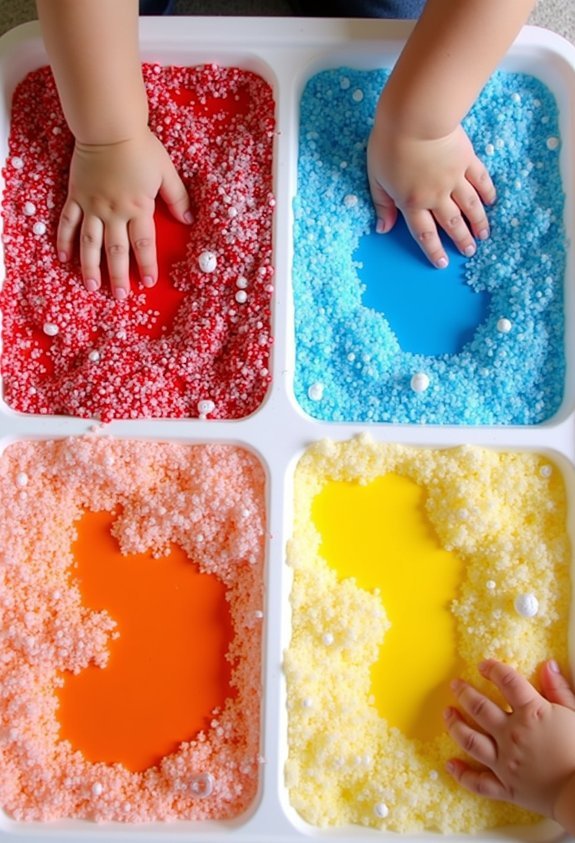
Two words: tiny volcanoes. This tray turns your kitchen table into a toddler science lab, minus the safety goggles and exploding beakers.
Grab a muffin tin or shallow tray, sprinkle baking soda in each section, and add a few drops of liquid watercolors or food coloring. Now hand your toddler a pipette or spoon and a cup of vinegar. Boom. Fizzy reactions everywhere. The bubbles race, the colors spread, and your child suddenly forgets about snacks.
Talk as you play: “What happens when blue meets yellow?” Let them predict, then watch the color mixing magic. You’ll sneak in language, fine motor work, and basic chemistry, all while your kid attacks the tray like a tiny, joyful mad scientist.
Cleanup is easy, satisfaction level: legendary.
Water Play Sink or Float Lab
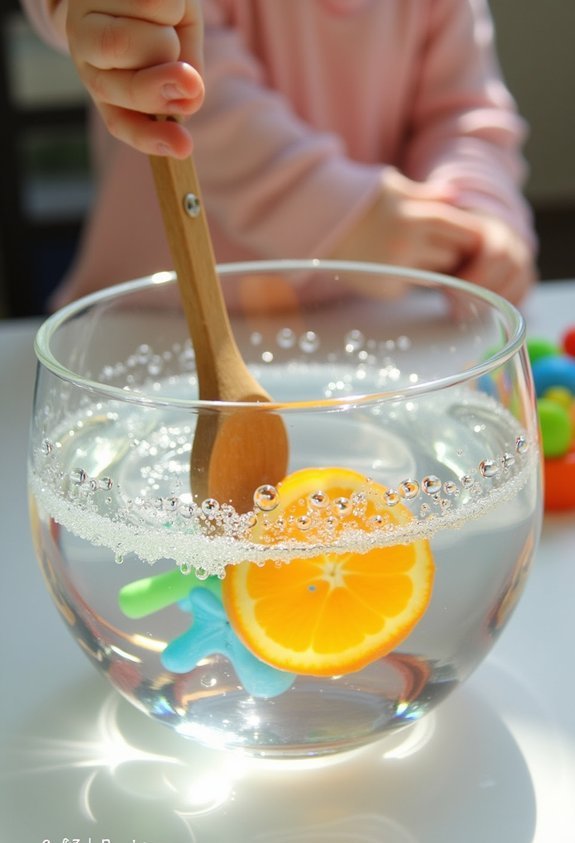
Ever wonder why a giant orange floats but your car keys sink like they’re late for a meeting at the bottom of the ocean?
Set up a mini “science lab” right in your kitchen. Grab a clear bin, fill it with water, then raid the house for test objects: spoon, rubber duck, crayon, block, potato, whatever.
Before you drop each one in, ask your toddler, “Sink or float?” Let them shout their guess, then test it with a dramatic splash.
Talk simply about object density: “Heavy for its size sinks. Light for its size floats.”
Play with water temperature too—cold, warm, even icy. Ask, “Did anything change?”
You’re not chasing perfect data, just building a curious, fearless little thinker. Science feels like everyday magic.
Squishy Bag Paint Exploration
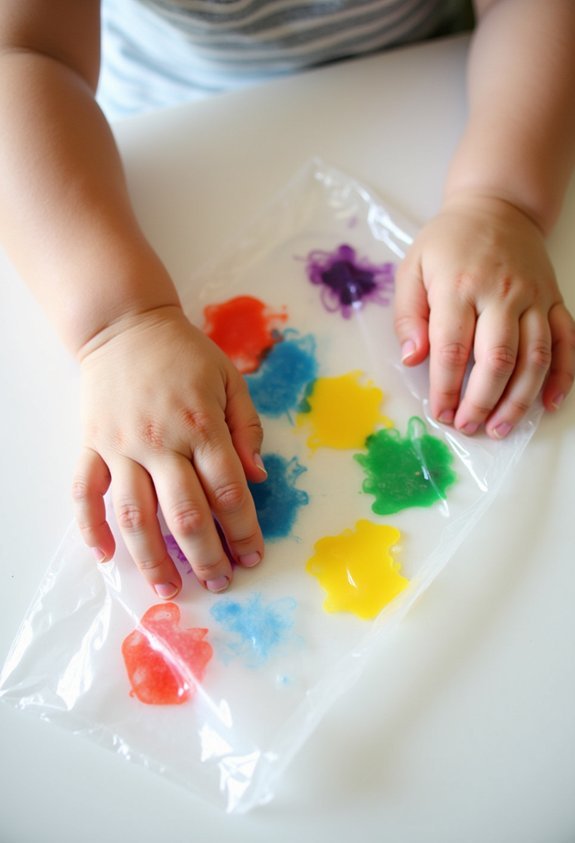
A plastic bag, some paint, and zero mess? Sign me up. Squishy bag paint exploration lets your toddler go wild without turning your walls into modern art.
Grab a zip-top bag, squeeze in a few blobs of washable paint, seal it tight, and tape it to a table or window.
Now the fun starts. Your child pokes, smears, and squishes, watching colors mix and swirl. It’s like finger painting in a force field.
Tiny hands press and glide, mixing colors in a magical, mess-free finger-painting bubble.
This simple setup boosts squishy bag development: fine motor skills, hand strength, and early writing motions all get a workout.
Sensory bag benefits don’t stop there. The cool, gooey feel calms busy bodies, so it’s perfect for car rides, waiting rooms, or “please stop licking the couch” moments during long days.
Cloud Dough Kitchen Chemistry
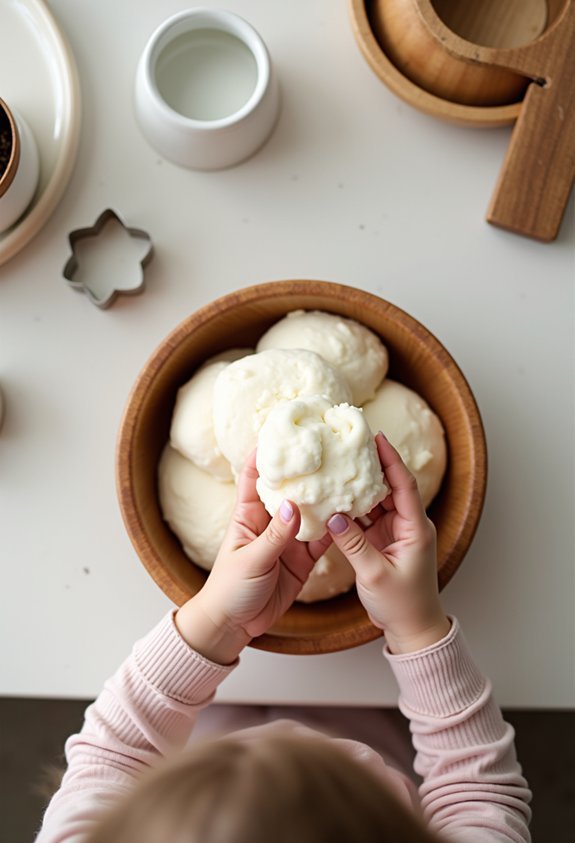
Once your toddler gets their hands in cloud dough, your kitchen basically turns into a tiny, adorable science lab. You just need flour and oil, mix them in a bowl, and boom—soft, moldable magic.
As your child squishes, pinches, and crumbles, they’re doing serious texture exploration, even if they’re also wearing half of it. Talk out loud: “It feels dry but squishes like wet sand. Weird, right?” That simple chat sneaks in words like rough, smooth, crumbly, and sticky.
Hand over spoons, cups, and muffin tins so they can scoop, pack, and pretend to bake. You’ll see mini experiments: What happens with more oil? Less?
And yes, you’re the lucky one who cleans up the “science.” Just call it hands-on chemistry and order pizza.
Nature Treasure Basket Investigation
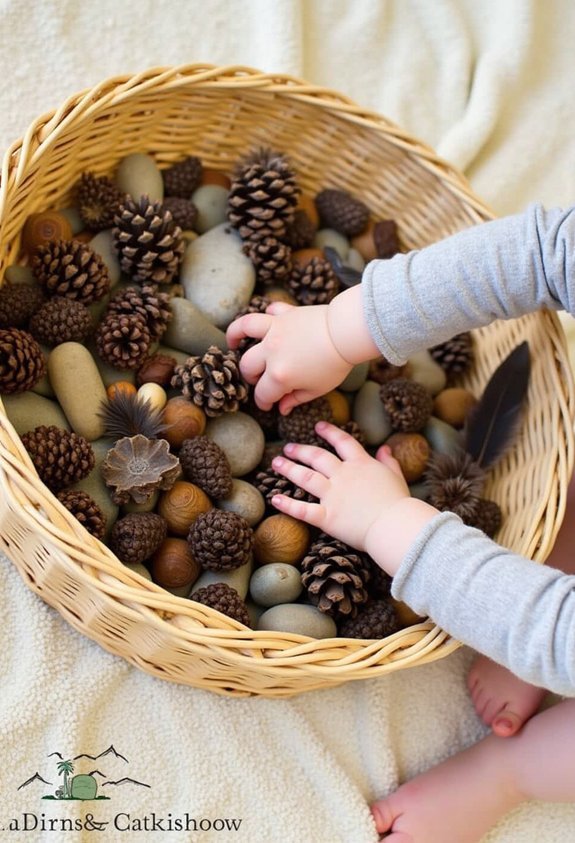
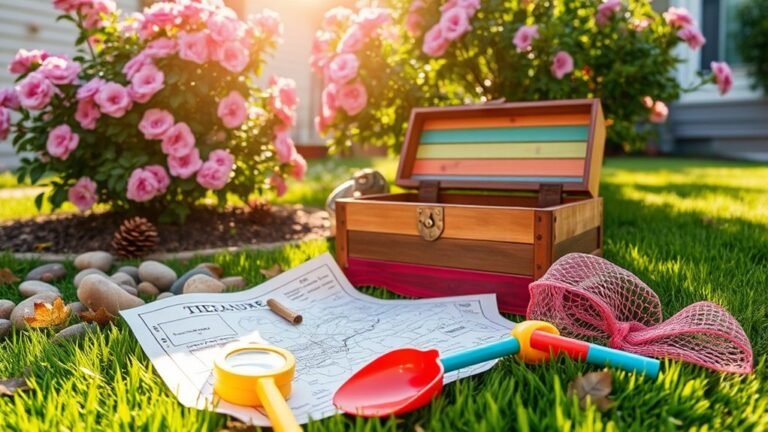
Nature treasure hunts are the closest thing to toddler archaeology you’re getting this year. Take a basket outside and let your child raid the yard, park, or sidewalk. Sticks, leaves, pebbles, flower petals—if it’s safe and not alive, it’s fair game for nature exploration.
Back inside, dump everything out like you’re opening a mystery box. Now slow it down. Ask, “Which is rough? Which is smooth? Which one pokes?”
Let your toddler sort by size, color, or “favorite rock of the day.” You’re sneaking in sensory discovery while they just think they’re hoarding sticks.
Add a magnifying glass, a flashlight, or a white towel as a “display table” so they can really study their tiny museum. Snap photos and label finds like field notes.
Sound Shakers and Rhythm Discovery
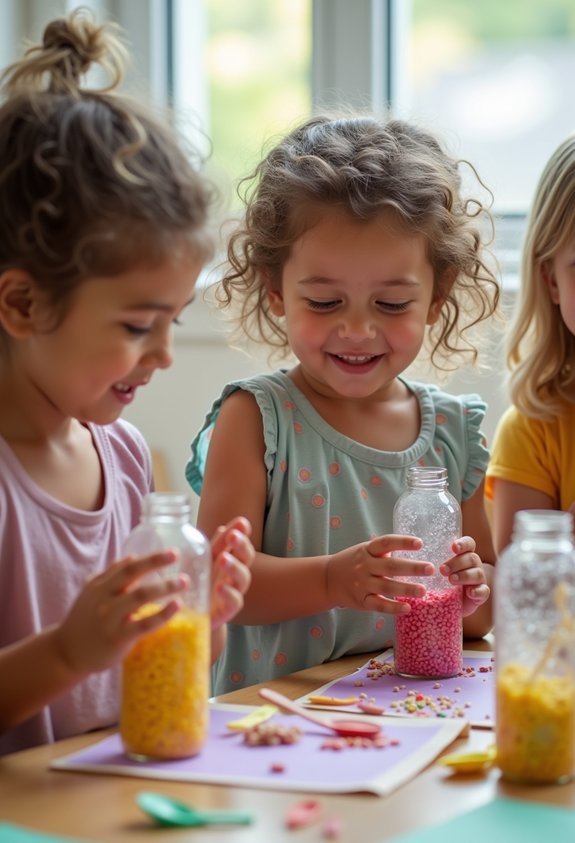
Two seconds after you hand a toddler something that rattles, you basically own front-row seats to the loudest concert on earth. So lean in and make it science. Grab a few plastic eggs or jars, toss in rice, pasta, beans, or coins, and seal them tight.
Now you’ve got a whole band. Let your kid shake each one, then sort them from quiet to loud. That’s early sound exploration without a worksheet in sight.
Next, clap or tap simple rhythm patterns—fast-fast-slow, slow-slow-fast—and have your toddler copy you with the shakers. You’re building focus, listening skills, and coordination while they go wild.
Bonus move: put on favorite songs and let them “play along” like a tiny, chaotic drummer. Then pause and enjoy the ringing silence.
Ice Cube Rescue Excavation
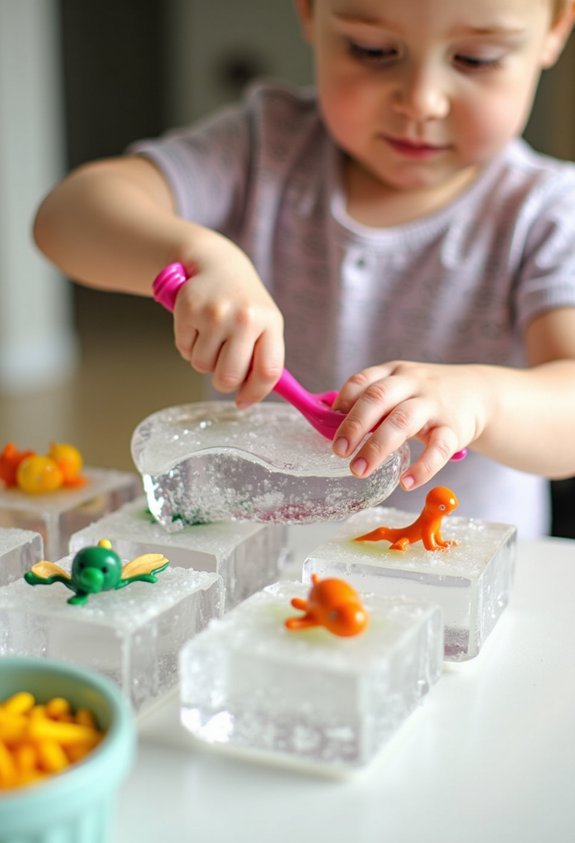
Ice-cold drama, coming right up. Freeze small toys in an ice cube tray or plastic container, then tell your toddler the toys are “stuck in the glacier” and need a rescue team.
Offer simple ice excavation techniques: a bowl of warm water, a spray bottle, a spoon, and a kid-safe dropper. Your child will test what works faster, learning about temperature effects without a single worksheet.
Warm water? Superhero. Cold water? Total slacker. Encourage guesses: “Will the ice crack if we tap it? Melt faster in the sun or shade?”
Let them touch, splash, and listen to the ice crackle. You just turned basic melting into a full science lab and dramatic rescue mission.
Bonus: it’s cheap, fast, and cleans up with one towel.
Scented Playdough Science
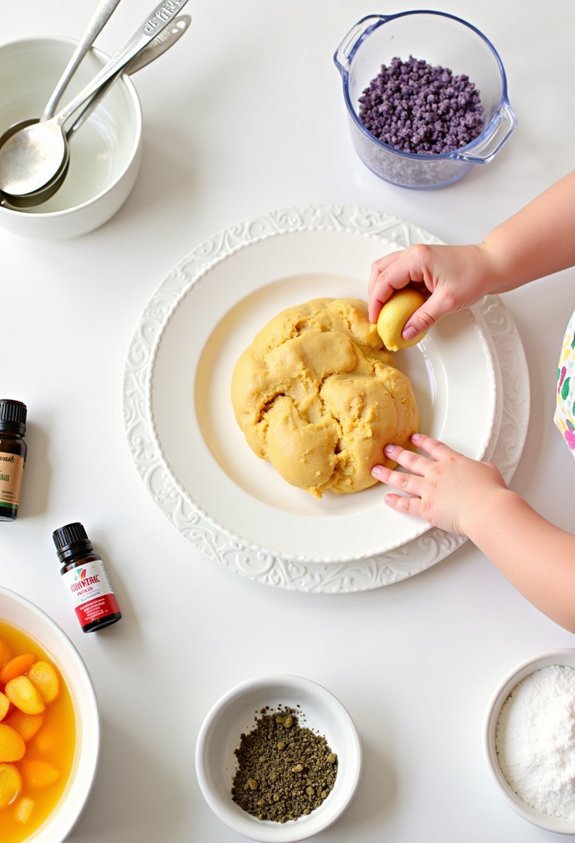
Before you even pull out the flour, just know: scented playdough is about to turn your kitchen into a tiny perfume lab run by a toddler.
You’ll mix flour, salt, warm water, oil, and a splash of food coloring, then add a few drops of vanilla, peppermint, or lemon extract. Bam—science you can squish.
Let your kid sniff each batch and guess the smell. That scented exploration builds language: sweet, sharp, minty, “smells like cookies.”
Invite them to sniff, guess, and describe: sweet, sharp, minty, cookie-scented—tiny noses building big language
Then talk about how the dough texture changes if you add more flour or oil. Too sticky? More flour. Too crumbly? More water.
You’re secretly teaching measuring, cause and effect, and body awareness. They just think they’re a tiny, slightly bossy chef in charge of all the smells today.
Bubble Foam Sensory Sink
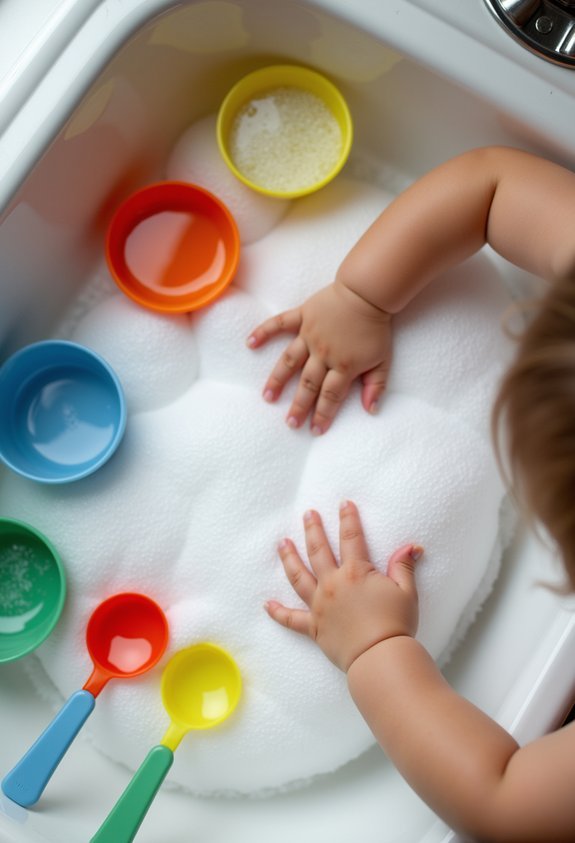
You’ve conquered the scented playdough lab, so now it’s time to move the madness to the sink and let your toddler command a mountain of bubbles.
Fill the sink or a big bin with warm water, add a squirt of baby soap, then whip it with your hand or a whisk until thick bubble foam appears. Pile it high. Higher.
Now let your toddler dig in with cups, spoons, and toy animals. You’re sneaking in sensory exploration as they squeeze, pour, and splash. Ask, “Does it feel light or heavy? Loud or quiet?”
Add a drop of food coloring and watch them lose their minds.
When you’re done, boom—cleanup’s basically finished already. You just wash everything down. No glitter, no chaos, just pure science.
In case you were wondering
How Much Daily Sensory Play Time Is Appropriate for Toddlers of Different Ages?
You can aim for 30–60 minutes daily for 1–2 year olds and 60–90 minutes for 3–4 year olds; these daily playtime recommendations follow developmental age guidelines and can be split into shorter sessions throughout day.
What Safety Precautions Should I Take for Toddlers Who Still Mouth Everything?
Treat their mouth like a curious telescope; you choose only safe materials, skip tiny pieces, scan for choking hazards, stay within arm’s reach, supervise every moment, and clean or replace anything breaking, shedding, or tasting.
How Can I Adapt Sensory Activities for Toddlers With Sensory Sensitivities or Autism?
You adapt sensory activities by offering choices, using visual supports, and starting with brief, predictable play. Add one texture at a time, watch for stress signals, use calming techniques, and offer a cozy escape spot.
How Do I Manage Mess and Cleanup Without Getting Overwhelmed by Sensory Projects?
You tame the chaos by embracing gentle mess management: contain projects in trays, prep wipes and bins, limit materials, enforce simple cleanup strategies, sing a tidy-up song, and celebrate quick resets instead of spotless perfection.
What Basic Sensory Materials Should I Keep at Home for Quick, Low-Prep Activities?
Keep rice, dry pasta, water beads, playdough, kinetic sand, cotton balls, and washable paint handy so you’ll quickly set up sensory bins, water play, and simple texture exploration with scoops, cups, and toy animals ready.
Conclusion
So that’s your sensory science starter pack, right there on the living room floor—no lab coat, no PhD, just you, your tiny chaos goblin, and a vacuum that’ll probably quit in protest. You’re not just killing time; you’re growing a curious brain, one mess at a time. Pick one activity, set it up like you’re launching a NASA mission, and dive in. Your toddler’s basically a tiny, sticky Einstein with better dance moves.