15 Family Volunteer Activities That Build Happy Memories
Volunteering as a family builds lasting memories while teaching kids the joy of giving back. You can serve meals at a soup kitchen, organize a neighborhood park cleanup, or assemble care packages for those in need. Try planting trees together, writing letters to deployed military members, or walking dogs at an animal shelter. Each activity strengthens your bond and shows children they can make a real difference—and there are plenty more ideas to explore below.
Key Takeaways
- Serving meals at soup kitchens and assembling care packages for the homeless strengthen family bonds while teaching children empathy and compassion.
- Environmental activities like park cleanups, beach cleanups, and planting community gardens create lasting memories rooted in shared environmental stewardship.
- Volunteering at animal shelters teaches responsibility and compassion through hands-on activities like walking dogs and supporting adoption events.
- Creating no-sew fleece blankets for hospital patients gives families a tangible way to provide comfort while working together at home.
- Writing heartfelt letters to deployed military members allows kids to express gratitude through drawings and personal messages that build connection.
Serving Meals at a Local Soup Kitchen

When you walk into a soup kitchen for the first time, you might feel a little nervous—and that’s completely normal. Take a deep breath. You’re about to do something meaningful together.
Getting Started with Meal Preparation****
Most soup kitchens welcome families with kids ages 8 and up. Here’s what to expect:
- Arrive 15 minutes early for orientation
- Wear closed-toe shoes and tie back long hair
- Follow the lead of experienced volunteers
Your family might chop vegetables, portion plates, or serve guests with a smile.
Why Community Engagement Matters
Kids learn empathy by seeing real faces and hearing real stories. They discover that helping others feels good. You’ll leave with full hearts and stronger bonds.
Start with one visit. See what grows from there.
Organizing a Neighborhood Park Cleanup
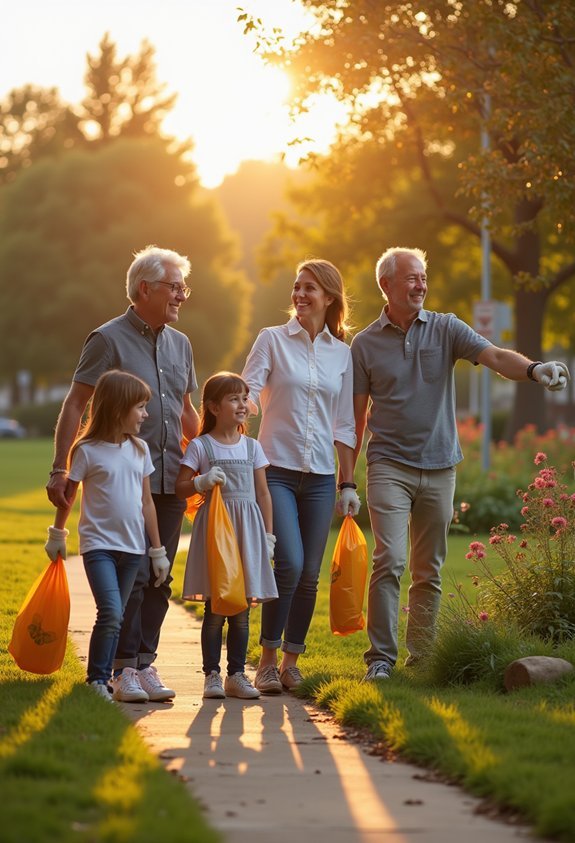
Because parks belong to everyone, keeping them clean becomes a shared responsibility—and a perfect family project. You’ll boost community involvement while teaching kids environmental awareness in action.
Getting Started:
- Pick a local park and set a date
- Gather supplies—trash bags, gloves, and grabbers
- Invite neighbors through flyers or a group chat
- Assign roles so everyone feels important
Your children can spot litter, sort recyclables, or carry bags. Even small hands make a difference.
Why It Matters:
Kids see their effort transform a space. They learn that caring for shared places builds stronger neighborhoods. You’re showing them that small actions create real change.
Pack snacks, bring water, and celebrate together afterward. Your park—and your family bond—will shine brighter.
Assembling Care Packages for the Homeless
Helping neighbors at the park feels great—and you can bring that same spirit to people facing harder times.
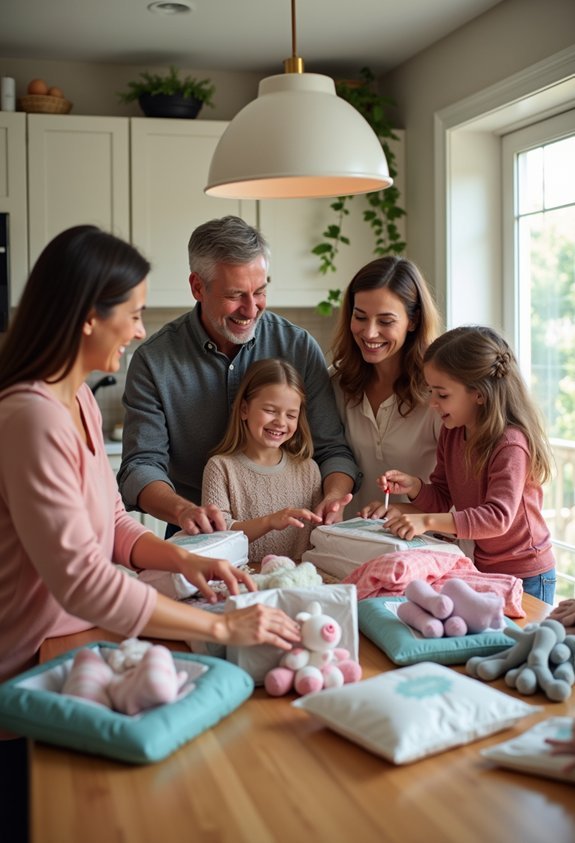
Care packages offer a simple way to show kindness. They’re also perfect for building relationships within your family as you work side by side.
What to Include:
- Socks and hygiene items
- Granola bars or crackers
- Bottled water
- Hand warmers in winter
Tips for Success:
- Let kids pick items at the store
- Create an assembly line at home
- Add handwritten notes of encouragement
This activity works wonders for enhancing empathy in children. They begin to understand that small acts matter.
Keep a few packages in your car. When you see someone in need, your family can offer help together.
Volunteering at an Animal Shelter
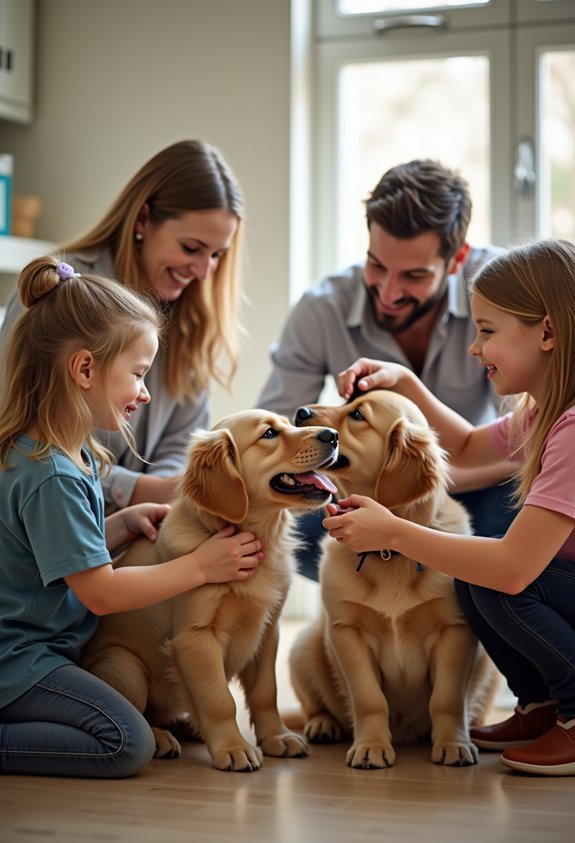
If your family loves animals, volunteering at a local shelter can be one of the most rewarding experiences you’ll share together. You’ll learn about animal care while making a real difference in animal welfare.
Getting Started
Most shelters require volunteer training before you begin. This teaches your family safe handling and shelter education basics.
Ways to Help
- Walk dogs and socialize cats
- Support pet adoption events
- Help with fundraising events
- Join community outreach programs
- Assist with rescue efforts
Going Deeper
Some families try fostering pets temporarily. Others connect with wildlife conservation groups nearby.
Your kids will learn responsibility and compassion. They’ll see how small actions create big change. These moments together build lasting memories—and help animals find loving homes.
Planting Trees and Community Gardens
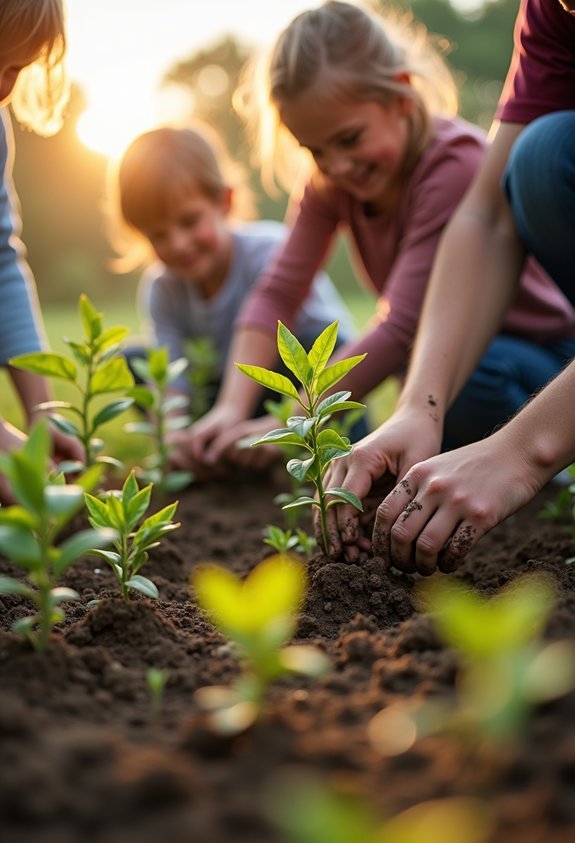
When your family wants to make a lasting mark on your community, planting trees and tending gardens together offers something truly special.
Tree planting teaches kids about local flora while building biodiversity awareness. You’ll watch tiny seedlings grow for years to come. That’s family bonding with purpose.
Why This Works:
- Hands on learning about sustainable practices
- Environmental education happens naturally
- Community engagement connects you with neighbors
Getting Started:
- Contact local parks about tree planting days
- Join a community garden for ongoing garden maintenance
- Learn which plants support local wildlife
Your children develop nature appreciation through dirt under their fingernails. They see real results from their effort.
These activities create memories rooted in something bigger than yourselves. You’re building a greener future together.
Reading to Children at the Local Library
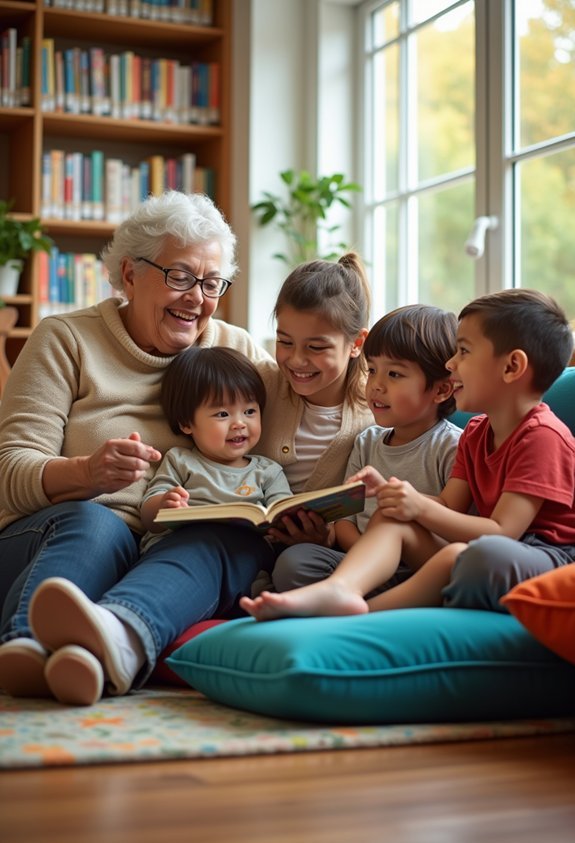
Reading to children at your local library creates a beautiful gift for young listeners and your own family too. When you join storytime sessions together, you’re sharing the magic of books while helping kids discover new worlds.
Your family can support literacy programs in simple ways:
- Sign up to read picture books during weekly story hours
- Help organize book drives for children who need them
- Assist librarians with summer reading activities
Kids light up when someone takes time to read aloud. Your voice brings characters to life and sparks imagination. Even shy family members often bloom in this gentle setting.
You’ll find that giving your time to young readers fills your own heart. These quiet moments build confidence in children and create warm memories for everyone involved.
Visiting Residents at Nursing Homes
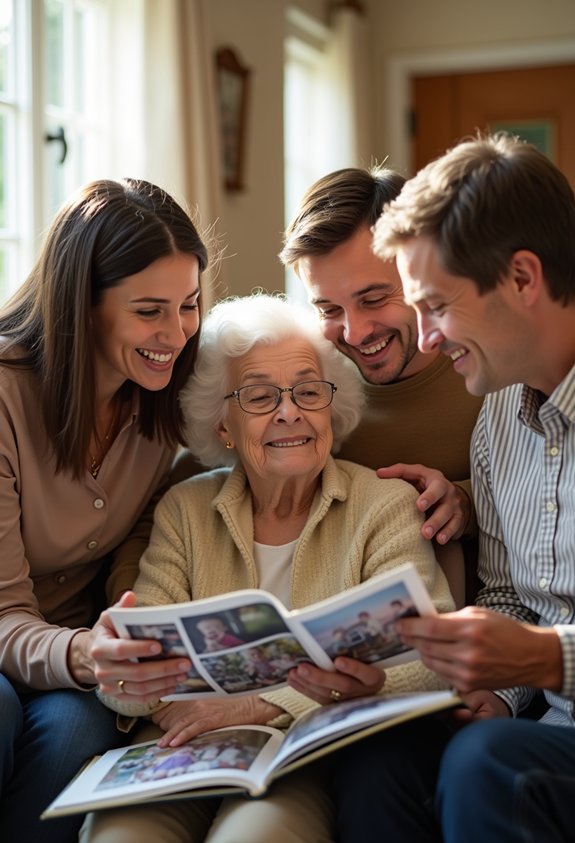
Visiting residents at nursing homes offers your family a chance to brighten someone’s day in the most meaningful way. You’ll discover friendship building happens naturally when generations connect.
Simple Ways to Get Involved:
- Join game afternoons with cards or puzzles
- Participate in craft sessions making seasonal decorations
- Bring pets for pet visits that spark joy
- Help with music therapy sing-alongs
Story sharing creates magic. Residents love telling life stories, and your kids become eager listeners. Memory circles let everyone swap favorite moments from the past.
During holiday celebrations, your family can help decorate or serve treats. These small acts mean everything.
Your children learn compassion. Residents feel valued. That’s the beauty of this volunteer work—everyone walks away with fuller hearts.
Participating in a Charity Walk or Run

Charity walks and runs bring your family together for a shared goal—moving your feet while helping others.
You don’t need to be fast. You just need to show up. These events welcome all ages and fitness levels, from toddlers in strollers to grandparents walking at their own pace.
Start charity training a few weeks early. Take evening walks together. Build up slowly. This prep time becomes bonus family fitness time you’ll treasure.
Training together before the big day turns prep into precious family moments you’ll remember long after crossing the finish line.
Here’s what makes these events special:
- You wear matching team shirts and feel united
- You meet other families who care about the same cause
- You cross a finish line together, high-fives all around
Pick a cause your family connects with. Heart health. Animal rescue. Local schools. When the mission matters, every step feels meaningful.
Collecting and Donating Toys for Children in Need
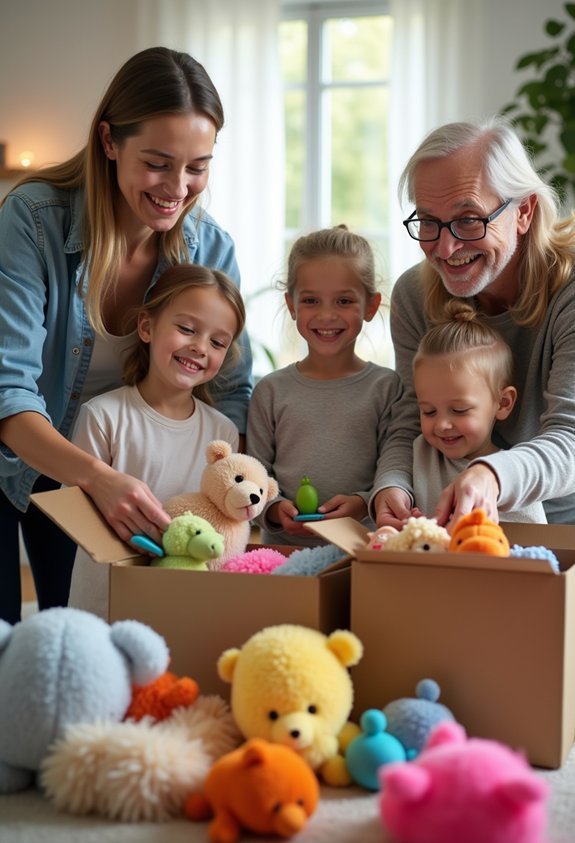
When you gather toys for children who have less, you’re teaching your kids one of life’s most powerful lessons—generosity in action.
A toy collection brings your whole family together with purpose. Start by sorting through your home. Let your children choose items they’ve outgrown but still love. This matters—it shows them giving isn’t about parting with junk.
Simple Steps to Get Started:
- Set a collection box in a visible spot
- Visit stores together for new donations
- Research local shelters or holiday programs
- Let kids help sort and wrap items
Watching children’s happiness unfold when they receive these gifts creates lasting impact. Your kids learn that their actions matter. They see how small efforts spark big joy. That’s a memory worth making.
Making Blankets for Hospital Patients
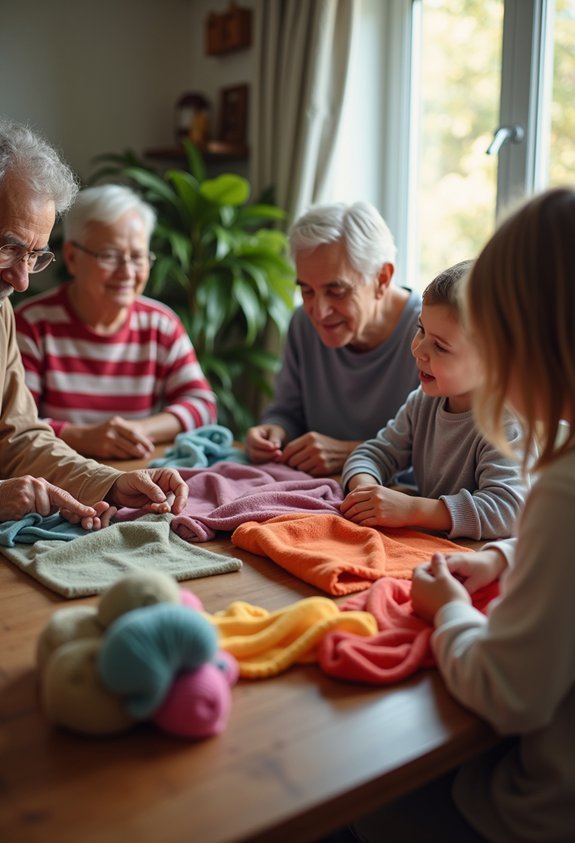
A simple fleece blanket can bring real comfort to someone facing a hospital stay. Your family can join this meaningful hospital outreach without any sewing skills at all.
No-sew blanket making uses just two pieces of fleece and scissors. Kids love cutting the fringe strips and tying the knots. It’s hands-on work that creates something truly useful.
Here’s why this activity works so well for families:
- Everyone can help — even young children tie knots with ease
- Results feel real — you hold the finished blanket in your hands
- Connection matters — patients receive warmth from your family’s effort
Contact your local hospital’s volunteer coordinator to learn their donation guidelines. Some accept blankets directly. Others partner with organizations that handle delivery. Either way, your family spreads kindness together.
Helping at a Food Bank or Pantry
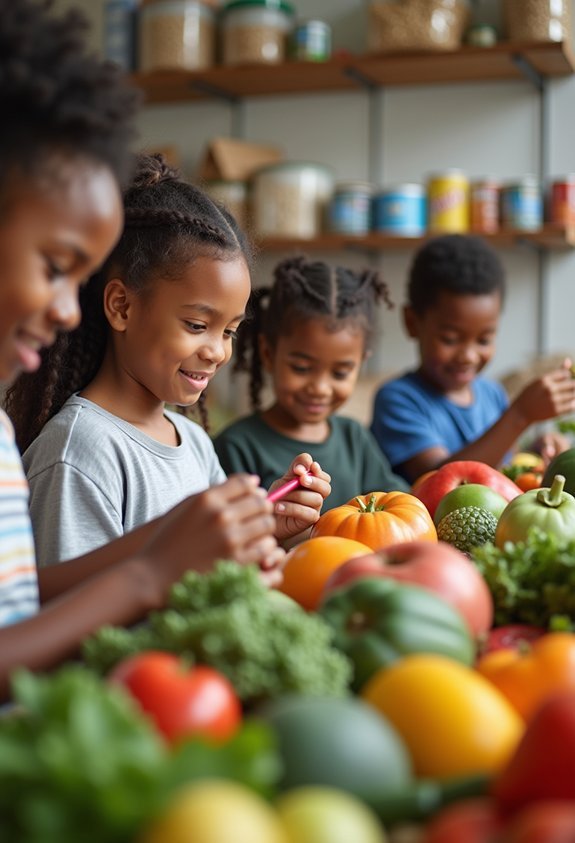
Sorting cans and stocking shelves might sound simple, but this work makes a real difference for families facing hunger in your community.
Every sorted can and stocked shelf represents hope for a neighbor struggling to put food on the table.
Food sorting teaches kids valuable skills:
- Reading expiration dates
- Organizing by category
- Understanding what families need most
Many pantries also offer nutritional education programs where your family can help prepare healthy recipe cards or assemble balanced meal kits.
Getting started is easy:
- Call your local food bank to ask about family-friendly volunteer hours
- Wear closed-toe shoes and comfortable clothes
- Bring water bottles and positive attitudes
Kids as young as five can help with basic tasks. They’ll feel proud knowing their small hands helped feed real neighbors. That pride sticks with them.
Writing Letters to Deployed Military Members
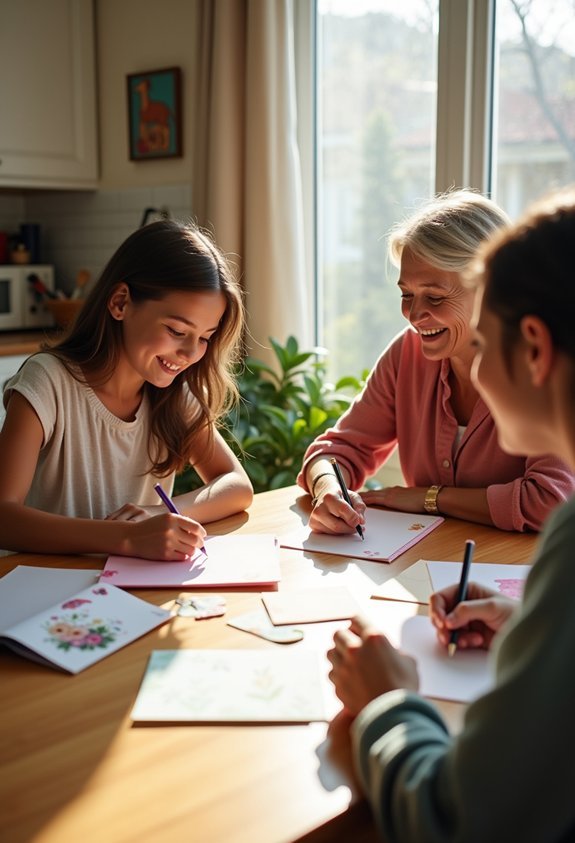
Sending a handwritten letter to a service member overseas might seem like a small gesture, but it carries enormous meaning for someone far from home.
Letter writing brings your family together around a shared purpose. Kids learn that military support doesn’t require big budgets—just heartfelt words and a stamp.
Here’s how to get started:
- Contact organizations like Operation Gratitude or A Million Thanks to find approved ways to send letters
- Keep messages upbeat and personal—share what you’re grateful for or a funny family moment
- Let kids add drawings or stickers to brighten someone’s day
You’re teaching your children that kindness travels. That stranger across the ocean? They’ll feel less alone because your family took twenty minutes to care.
Participating in Beach or River Cleanups
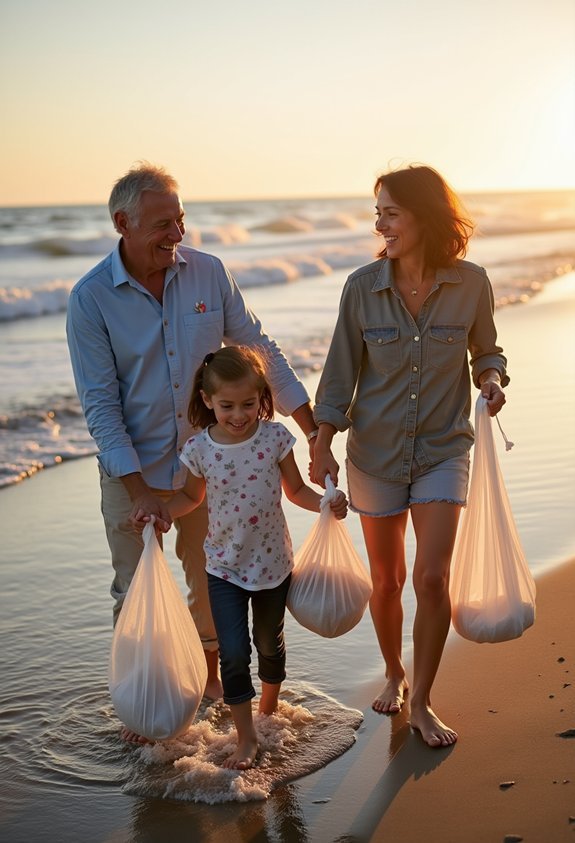
Taking care of people far away feels wonderful—and so does caring for the land and water right in your own backyard. Beach and river cleanups bring your family together for a hands-on mission that matters.
Why It Works
- Teaches environmental education through real action
- Builds community awareness about pollution
- Creates strong family bonding over shared purpose
Simple Tips for Success
- Check local groups for organized cleanup events
- Review beach safety rules before you go—watch for glass, sharp objects, and slippery rocks
- Bring gloves, bags, sunscreen, and water
- Let kids spot and collect safe items while adults handle anything risky
Your children will remember the day you worked side by side to protect something beautiful. That pride lasts.
Volunteering at a Habitat for Humanity Build
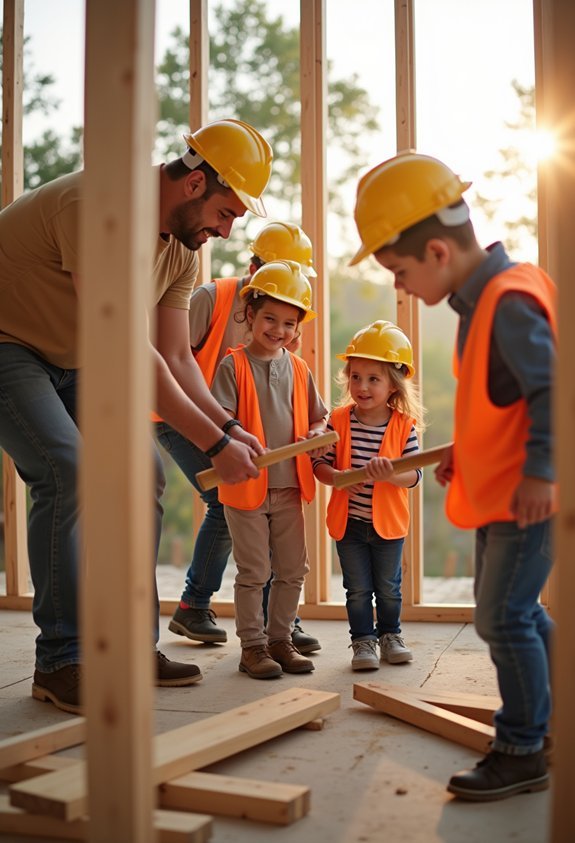
When your family picks up a hammer for Habitat for Humanity, you’re doing more than building a house—you’re building hope for a neighbor who needs it.
This hands on learning experience teaches real construction skills while creating meaningful family bonding moments. Your kids gain project management basics and teamwork experience they can’t get anywhere else.
What your family will discover:
- Empathy growth as you meet the future homeowners and hear their stories
- Cultural exchange with volunteers from different backgrounds
- Building relationships that last beyond the workday
The community impact feels real when you see walls go up together. Skill development happens naturally—measuring, painting, organizing supplies. Every task matters. Your family leaves tired, proud, and closer than before.
Hosting a Donation Drive in Your Community
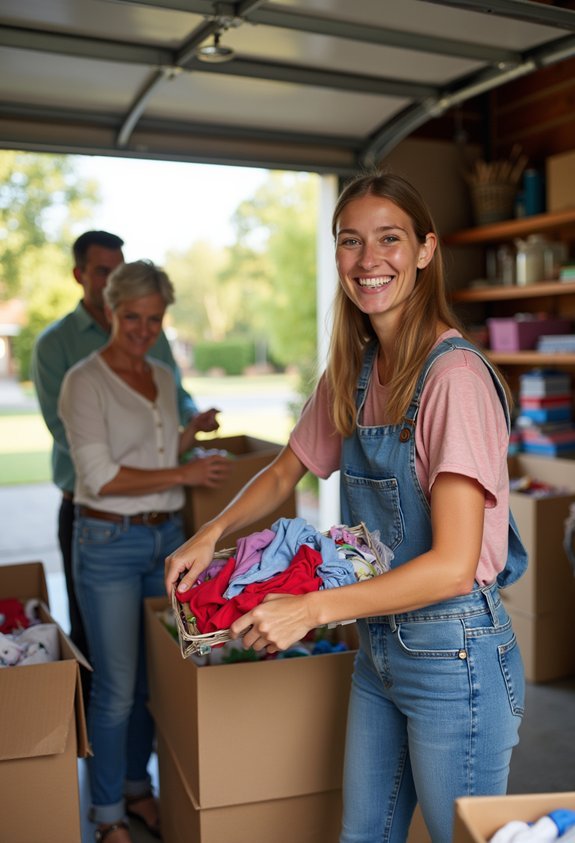
Hosting a donation drive brings your whole family together around a shared mission—and your neighbors get to join in too.
Getting Started
First, pick a cause your family cares about. Food pantries, animal shelters, and school supply programs all welcome help. Set clear donation goals so everyone knows what you’re working toward.
Building Community Partnerships****
Reach out to local businesses. Many will let you place collection bins near their entrances. Churches, libraries, and community centers often say yes too. These community partnerships multiply your impact.
Make It Fun
- Create colorful flyers together
- Track progress on a poster at home
- Celebrate milestones with small treats
Your kids learn generosity feels good. Your neighbors see kindness in action. And families in need receive real help.
In case you were wondering
What Is the Minimum Age Requirement for Children to Participate in Volunteer Activities?
You’ll find age guidelines vary by organization, but many welcome children as young as 5 for simple tasks. You should check each program’s volunteer suitability requirements since activities differ in complexity and safety considerations.
How Can Families Find Reputable Volunteer Organizations in Their Local Area?
Surprisingly, finding help isn’t hard when you’re looking to give it. You’ll discover reputable volunteer organizations by checking local resources like libraries and community centers, or exploring online platforms such as VolunteerMatch and Idealist.
Are There Tax Benefits for Families Who Donate Time or Goods?
You can’t claim tax deductions for donated time, but you may deduct charitable contributions of goods at fair market value. Keep detailed records and receipts when you donate items to qualified organizations.
How Often Should Families Volunteer to Create Meaningful Bonding Experiences Together?
You’ll create meaningful bonding activities by volunteering together at least once or twice monthly. Frequency recommendations suggest consistency matters more than quantity—regular experiences help your family build stronger connections and lasting happy memories.
What Safety Precautions Should Parents Consider Before Volunteering With Young Children?
Like a safety net beneath a trapeze, you’ll want to research age-appropriate tasks, pack proper safety gear, share emergency contacts with organizers, and don’t forget to confirm adult supervision ratios before bringing your little ones along.
Conclusion
Picture your family laughing together while painting a community garden fence. Imagine your child’s proud smile after handing a warm meal to someone in need. These moments stick with you forever.
You don’t need grand plans. Just pick one activity from this list and try it this weekend. The memories you’ll create—and the lives you’ll touch—start with that simple first step.