Fun Science Experiments With Household Items
You can turn your kitchen into a mini science lab with stuff you already own. Make a baking soda and vinegar volcano that foams like crazy. Stack colorful sugar water to build a rainbow in a glass. Use hot water to puff up a balloon without even touching it. Whip up a homemade lava lamp with oil, water, and fizzing tablets. Bend water with a comb like a wizard. And that’s just the start of the chaos.
Key Takeaways
- Create a kitchen volcano by reacting baking soda and vinegar; add food coloring and dish soap for thicker, colorful “lava.”
- Make a rainbow in a glass by layering sugar-water solutions of different densities colored with food dye.
- Demonstrate air expansion with balloon magic by heating and cooling a bottle capped with a balloon to inflate and deflate it.
- Build a homemade lava lamp using water, oil, food coloring, and effervescent tablets to generate rising and falling colored bubbles.
- Explore static electricity by charging a plastic comb in your hair, then bending a thin water stream and attracting paper confetti.
Kitchen Volcano: Exploring Chemical Reactions With Baking Soda and Vinegar
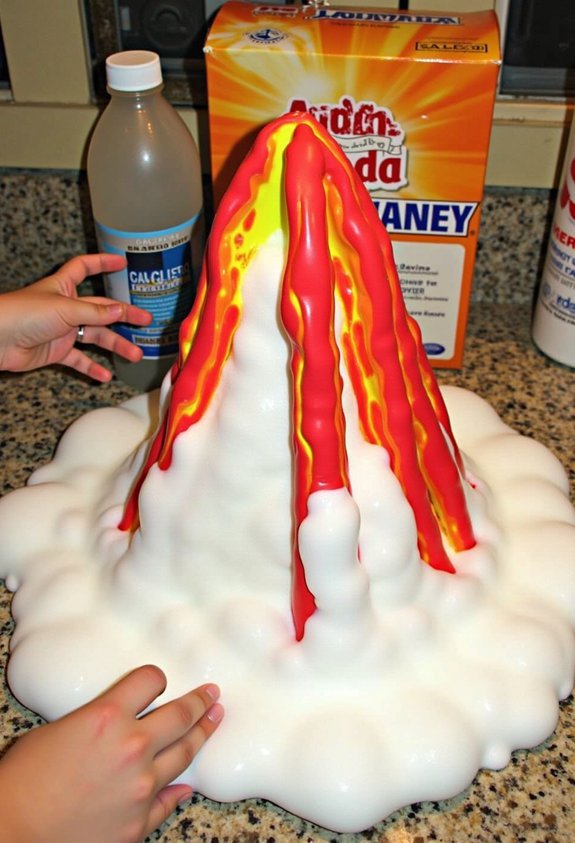
There’s one science experiment that never gets old: the classic “AAAAH IT’S ERUPTING!” kitchen volcano. You grab a cup, pile in baking soda, and feel like a mad scientist already.
Then you pour in vinegar, it foams up, and suddenly your counter’s Mount Doom. That wild fizz is a chemical reaction between an acid and a base, making gas bubbles that blast the “lava” out.
For a bigger eruption demonstration, shape clay or foil around the cup so it looks like a volcano mountain. Add food coloring and a squirt of dish soap for thicker, dramatic lava.
Try changing the amount of baking soda, or the temperature of the vinegar, and see how the explosion changes. You’re testing ideas, not just making a mess.
Rainbow in a Glass: Discovering Liquid Density at Home
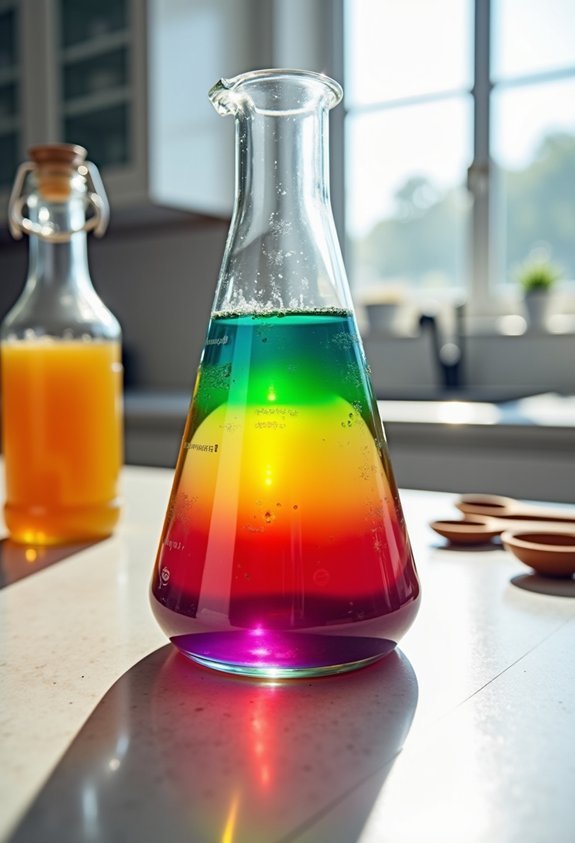
When you stack a rainbow in a drinking glass, it kind of feels like you’re cheating gravity.
Grab a clear glass, water, sugar, food coloring, and a spoon. In four cups, mix water with different amounts of sugar: no sugar, a little, more, and a lot. Add a different color to each cup.
Now the fun part: slowly pour the densest liquid into the glass first, then the next, and so on. Pour over the back of a spoon so the liquid layers don’t crash together.
Gently layer the sugariest colors first, spoon-backed, so each drifting stripe lands softly in place
When you’re done, you’ve got stripes that look like a tiny science parfait. Talk about color mixing with manners—each color stays in its lane because heavier liquids sink and lighter ones float.
It’s weird, pretty, and strangely satisfying.
Balloon Magic: Air Pressure and Gas Expansion Experiments
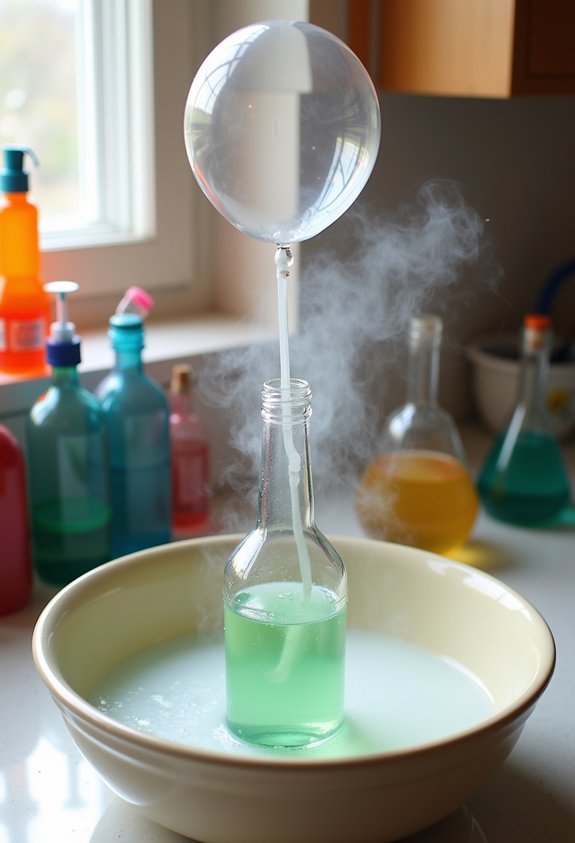
Although it just looks like a squishy party prop, a balloon is basically a tiny lab that shows off how wild air and gas can be.
Grab an empty bottle, a balloon, and some hot and cold water. Stretch the balloon over the bottle’s mouth. Put the bottle in hot water and watch balloon inflation begin like it’s waking up from a nap. Move it to cold water and the balloon shrinks back down, all dramatic.
What’s going on? Heating the air inside the bottle makes gas spread out and push harder. That extra air pressure shoves against the balloon, so it stretches. Cool the air and it chills out, pushes less, and the balloon slumps like it’s bored on the couch beside you.
Homemade Lava Lamp: Immiscible Liquids and Bubbling Reactions
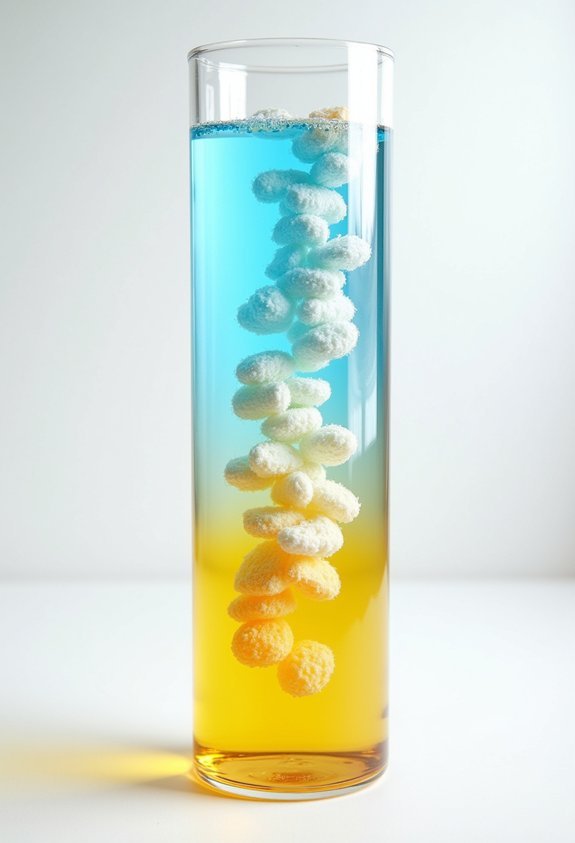
Even without fancy lab gear or a fireplace-sized volcano, you can still make your own mini lava show in a plastic bottle. Grab a clear bottle, fill it two-thirds with oil, then top it off with water.
See the split? That’s oil density in action; the oil’s lighter, so it floats like a lazy sunbather. Squirt in food coloring. The drops dive through the oil and burst in the water, giving you awesome color mixing.
Now crush an antacid tablet, toss the bits in, and back up like you just launched a rocket. Bubbles drag colored water upward, then it falls again like glowing blobs.
Keep adding tablet pieces whenever your lava lamp “dies” and needs a dramatic sequel. Because boring bottles are tragic.
Secret Messages: Invisible Ink Using Lemon Juice and Heat

Some spies use gadgets and secret codes, but you? You’ve got a lemon and a light bulb.
Squeeze a little lemon juice into a cup and add just a few drops of water. Dip a cotton swab, then write a message on white paper. It’ll dry and vanish like magic. Boom— invisible ink.
To reveal it, hold the paper near a warm lamp or a toaster, but not too close. You want spy drama, not fire alarm drama.
As the paper heats, the lemon juice turns brown before the rest of the page. Your secret words slowly appear, like they’re rising from the dead.
You’ve just done chemistry, cracked a code, and maybe started a prank war. Hide it under someone’s notebook. Extra chaos.
Dancing Raisins: Carbonation and Buoyancy in a Glass
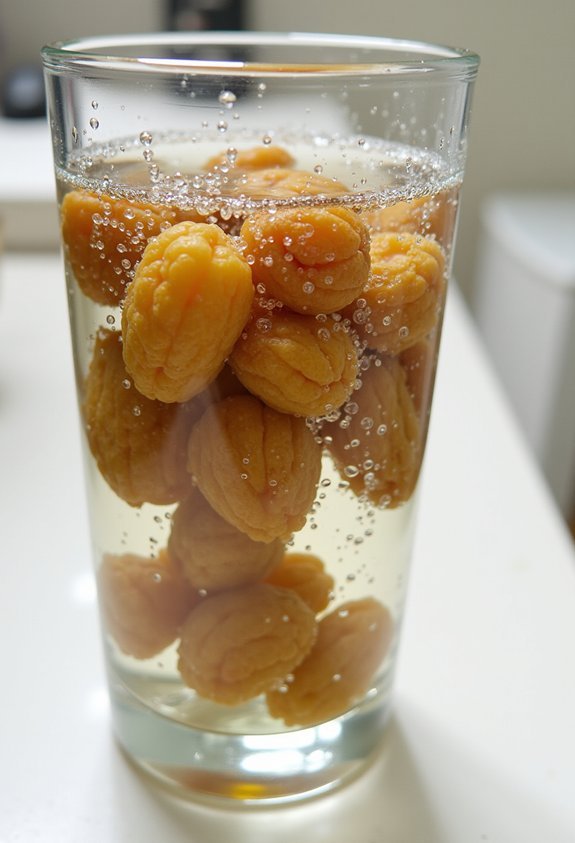
Your secret spy notes are awesome, but now it’s time to make snack food dance. Grab a clear glass, pour in fizzy soda, and drop in a few raisins. Then just stare like, “Did my snack just move?” Yes. Yes, it did.
Here’s what’s going on:
- Tiny gas bubbles stick to the raisins. Those carbonation effects work like little floaties on their rough, wrinkly skin.
- When enough bubbles cling on, the raisins rise. You’re seeing buoyancy principles in action: more bubbles, more lift.
- At the top, some bubbles pop, the raisins lose lift, and they sink again. Then the whole wild ride repeats, like a snack roller coaster you didn’t pay for.
Seriously, you’ll want to drop in everything just to see what happens.
Static Electricity Fun: Bending Water and Moving Paper With a Comb
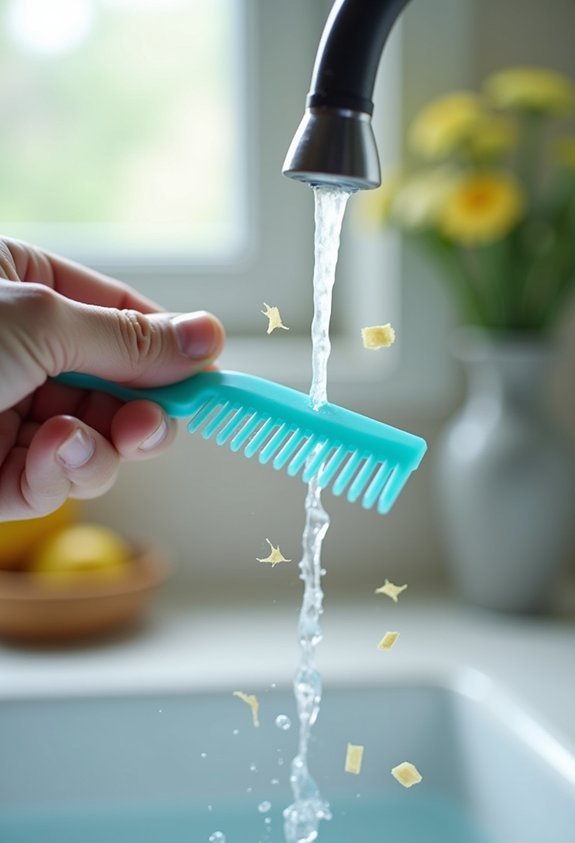
When a plastic comb can boss around water and tiny paper bits, you know science is about to get weird.
First, do the comb experiment with your hair. Run a dry plastic comb through it like you’re really annoyed at tangles. You’ve moved tiny electrons, giving the comb an electric charge.
Now turn on a thin stream of tap water. Slowly bring the comb close. The water bends toward it like it’s under a Jedi mind trick.
Next, tear paper into confetti. Hover the comb above. The pieces leap up and stick, as if the comb just became a tiny paper magnet.
You’ve seen static before in clingy socks. Now you’re actually controlling it, like low-budget superpowers. Not bad for a comb and hair.
Backyard Nature Science: Observing Soil, Seeds, and Mini Ecosystems
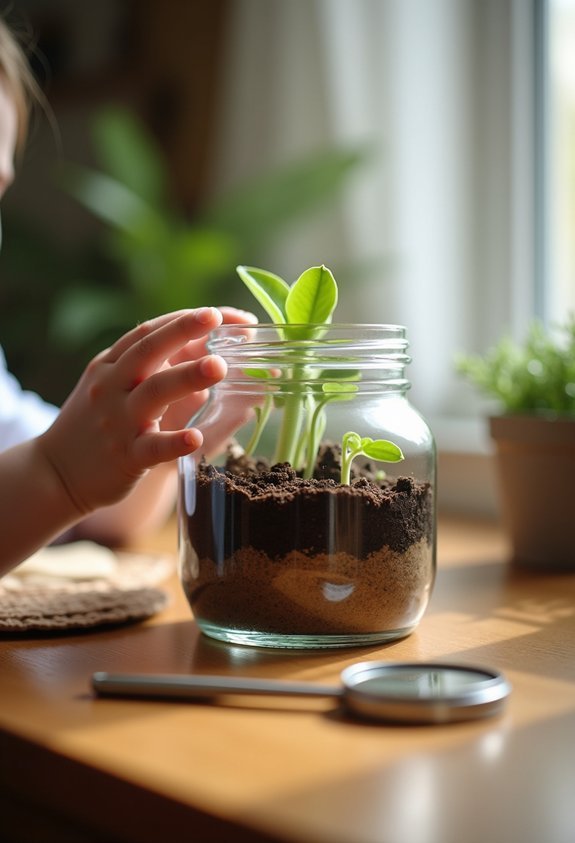
Even without a fancy lab, the wildest science lab might be hiding in your backyard dirt.
Grab a spoon, a jar, and your inner five‑year‑old gremlin. Dig up some soil and really stare at it. Pebbles, bits of leaf, maybe a random Lego head—hello, soil composition. Different stuff means different homes for bugs, roots, and tiny microbes throwing microscopic parties.
Now run three fast missions:
- Fill a clear jar with soil and water. Shake, wait, watch layers form like a dessert gone wrong.
- Plant dry beans in two cups: one soggy, one barely damp. Compare seed germination. Drama!
- Leave a small board on the ground overnight. Tomorrow, lift it and meet the night crew: worms, pill bugs, spiders. They rule underground.
In case you were wondering
How Can I Adapt These Experiments Safely for a Classroom With Many Children?
Organize small group activities, supervise closely, and demonstrate safety precautions first. Use goggles, gloves, and materials, avoid flames, and pre-measure ingredients. Assign roles, set cleanup routines, and discuss what to do if spills happen accidentally.
What Should I Do if an Experiment Doesn’T Work Like the Pictures or Description?
Like a detective rechecking clues, you first stay calm, review each step, and confirm materials. You practice expectations management, treat failure as data, then use experiment troubleshooting: adjust quantities, timing, or setup, and try again.
How Can I Turn These Simple Activities Into Longer Science Fair Projects?
You turn them into longer projects by asking new questions, planning project expansion, and repeating trials. Use hypothesis formulation to predict changes in variables, collect organized data, graph results, and compare outcomes between different experimental.
Are There Low-Mess Versions of These Experiments for Small Apartments or Limited Space?
You can do low-mess versions in small apartments. Imagine a tray by the window, holding neat, labeled cups and a notebook—doesn’t that feel manageable? You use minimal supplies, compact setups, and wipeable surfaces for cleanup.
How Do I Explain the Science Concepts to Very Young Kids Without Confusing Them?
You explain science by linking it to daily experiences, using simple language and concrete actions. Use visual aids, repeat ideas in phrases, ask questions, and kids’ll touch or move things so ideas then feel real.
Conclusion
So now you’ve turned your kitchen into a volcano zone, made rainbows in a glass, and forced raisins to dance like awkward dads at weddings. Impressive. You’ve basically proven you don’t need a lab coat, just baking soda, vinegar, and poor judgment. Keep playing “mad scientist” with your everyday stuff. Blow minds, not the house. And if anyone says science is boring, calmly hand them a balloon, a lemon, and a lighter. Then just smile.