How Can I Convince My Kids To Sleep In Their Own Bed Without Me To Fall Asleep?
It’s 9:47 PM. You’ve read three bedtime stories, fetched two glasses of water, and you’re sitting in a chair beside the bed for the third night in a row. Your little one keeps popping their eyes open to make sure you’re still there, and every time you try to move away from the bed, they whisper, “Mommy, don’t go.”

I see you, mama. I’ve been right there on that floor next to my kid’s bed, wondering if I’d ever have my evenings back.
Here’s the good news: helping your child fall asleep independently doesn’t require tears, strict timers, or letting them cry it out. There are gentle, loving ways to teach your toddler—or your 5-year-old—that you are safe, that they are safe, and that they can do this.
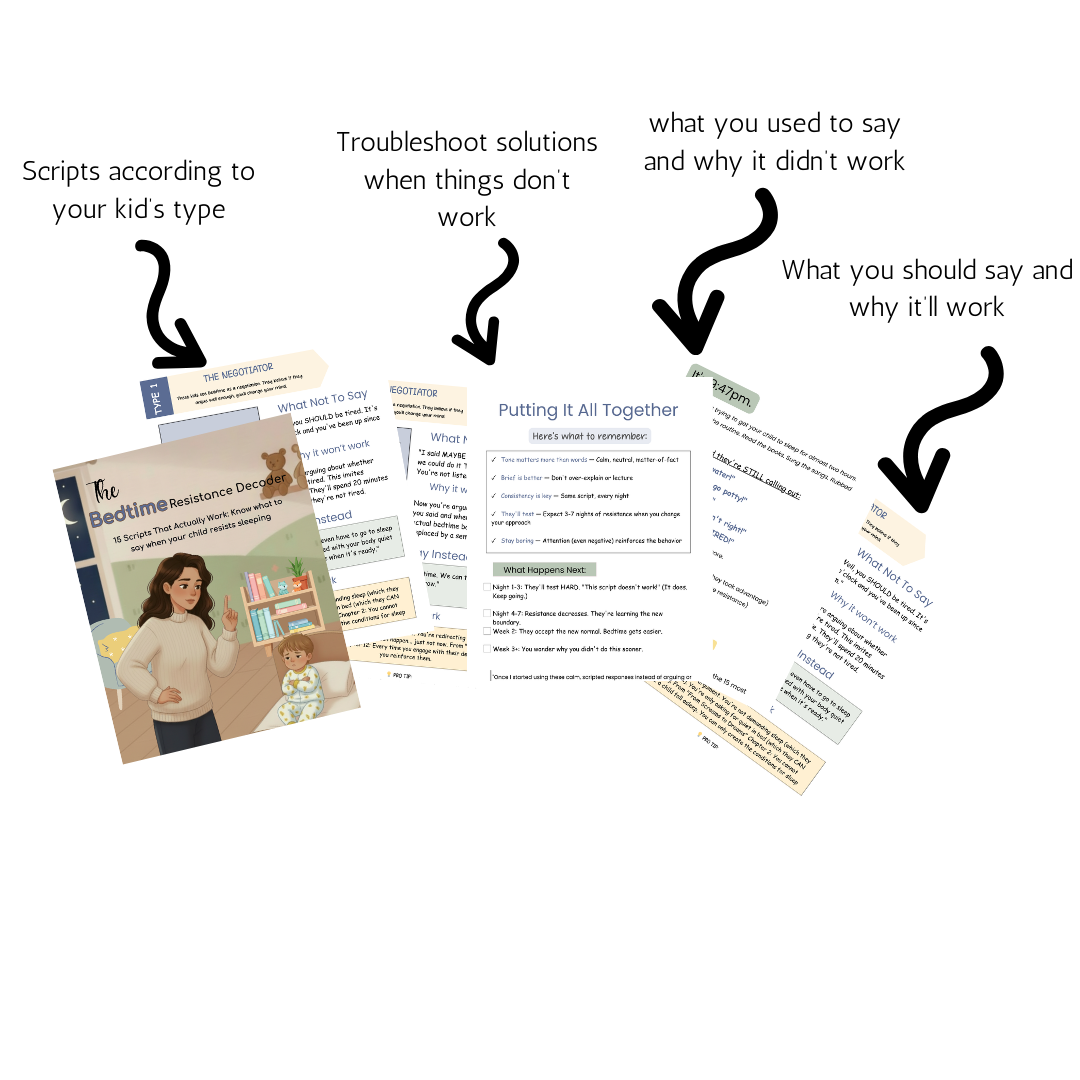
Why Does My Child Always Want Me to Sit Next to Them?
First, let’s take a breath together. Your child wanting you close at bedtime isn’t a failure—it’s actually developmentally normal. The dark is scary. Being alone in their bedroom feels big. Their little nervous system is looking for reassurance that everything is okay.
When your 5-year-old or toddler always wants you to snuggle them to sleep, they’re not manipulating you. They genuinely feel safer with mom or dad nearby. The goal isn’t to dismiss that need—it’s to gently build their confidence so they can eventually go to sleep feeling secure, even when you leave the room.
What’s Really Going On at Nighttime
Kids who struggle to sleep alone often fall into a few patterns. Maybe they’re afraid of the dark and need extra reassurance. Perhaps they’re going through a new situation—a new baby at home, a room change, or starting school. Or maybe they’ve simply gotten used to having you there every night, and now their brain doesn’t know how to settle without you.
Whatever the reason, the child feeling anxious at bedtime is real, even if the fear itself isn’t logical to us. Acknowledging this is the first step.
The Gradual Move Method: Your New Best Friend
Here’s what worked in our house when things felt impossible: instead of trying to leave the room cold turkey one night, we made it a slow, gentle process. This approach helps your child build independence without feeling abandoned.
How to Gradually Move Away from the Bed

Start by sitting in a chair beside the bed, right where you normally would. Do your usual bedtime routine—brush teeth, change into pajamas, tuck them in with their favorite stuffed animal, and read a book together. Then sit in your chair and let them know you’ll stay until they’re sleepy.
After a couple months (or even a couple weeks, depending on your child), start moving the chair a little farther away. You might sit on the floor next to the bed first, then move to sitting in a chair across the room, then eventually near the doorway.
The key steps:
• Week 1-2: Sit right next to the bed as usual
• Week 3-4: Move your chair to the middle of the bedroom
• Week 5-6: Sit near the doorway with the door open
• Week 7+: Sit in the hallway, then eventually leave after a few minutes
Each next night might feel like a tiny step, but those small shifts add up. Before you know it, your little one would fall asleep within minutes of you saying goodnight from the door.
Build a Bedtime Routine That Actually Works
Parenting tip that changed everything for us: kids need to sleep on a predictable schedule, and they thrive when they know exactly what’s coming. A solid bedtime routine signals to their brain that it’s time to wind down and get sleepy.
A Simple Bed Time Flow
Here’s a gentle routine that works for most families:
• 30 minutes before bed: Dim the lights and start calming down (no screens!)
• Bath time: A warm bath helps their body temperature drop, which triggers sleepiness
• Pajamas on, brush teeth: Keep it quick and consistent
• Bedtime stories: One or two books (set the expectation early!)
• Snuggle and tuck in: This is your special time for connection
• Goodnight phrase: Something simple like “I love you. You’re safe. See you in the morning.”
When they know what to expect every night, there’s less room for the endless negotiations that can drag bed time out for hours later than planned.
What About the Fear of the Dark?
If your child is afraid of the dark, a simple night light can work wonders. My toddler once refused to even stay in her room until we found a soft, warm night light that made her feel like she had a little friend glowing nearby.
You might also try giving them a special stuffed animal that’s their “brave buddy”—something they can hold when they feel nervous. Some families even do a little “monster spray” ritual (just water in a spray bottle) to help kids feel empowered.
The goal is to reassure them without dismissing their feelings. Saying “There’s nothing to be scared of” rarely helps. Instead, try: “I hear you. It can feel scary. But you have your night light, your blanket, and your brave buddy. And I’m right down the hall.”
Helping Your Child Sleep in Their Own Bed All Night

Getting your child to sleep at bedtime is one thing. Keeping them there? That can feel like a whole different challenge. Here’s what I’ve noticed with my own kids: consistency is everything.
When They Keep Coming Out
If your son or daughter pops out of bed asking for water, one more hug, or to tell you something “really important,” stay calm. Walk them right back to bed with minimal conversation. The more exciting you make it, the more they’ll want to come out again.
Some parents find a “ticket system” helpful. Give your child two tickets at bedtime. Each time they come out, they use a ticket. When the tickets are gone, you’ll walk them back silently. This puts them in control—they get to decide how to use their “free passes.”
The “Big Boy” or “Big Girl” Conversation
Sometimes a long talk during the day (not at bedtime!) about learning to go to sleep independently can help. Let him know that you believe in him. Talk about how big boy beds are exciting, and how sleeping alone is a skill he’s learning—just like riding a bike or tying shoes.
A reward chart can be motivating for some kids. Each night they stay in bed, they earn a sticker. After several nights, they get a small reward. Celebrate the wins!
What If They Still Won’t Go to Bed Without Me?
Here’s the truth: some kids need more support than others, and that’s okay. If your child started sleeping alone and then regressed, it might be tied to a new situation—maybe they’ve had big changes at school, or they’re processing something emotionally.
For kids who truly struggle, try the “quiet time” approach. Let them know they don’t have to fall asleep right away—they just have to stay in their room and be quiet. Give them a few calmer activities like reading books or talking softly to their stuffed animals. Many parents find their kids would fall asleep on their own once the pressure to “perform” sleep was removed.
And if you’re still lying down with them at nap time or bedtime, that’s not failure either. Do what works for your family right now, and trust that things will shift as they grow.
Quick Tips for Exhausted Parents
When you’re running on empty, here are some fast wins:
• Keep the door open if it helps them feel connected to you
• Use a sound machine or soft music to help them stay asleep
• Offer check-ins: “I’ll come back in five minutes to make sure you’re cozy”
• Be patient with yourself —this process takes time, sometimes a couple months
• Celebrate small wins —even staying awake in bed quietly is progress!
You’ve Got This, Mama
Bedtime battles are exhausting. I know how it feels to put her to bed and then spend another hour going back and forth, wondering if they’ll ever just… sleep.
But here’s what I want you to remember: your child isn’t broken. They just need support as they learn this new skill. Every night you show up with patience, every time you walk them back to bed with love, you’re building their confidence.
Pick just one small thing to try this week. Maybe it’s starting to gradually move your chair toward the door. Maybe it’s trying a new bedtime routine. Maybe it’s just having a calmer, connected long talk during the day about what bedtime will look like.
One small step is enough. You don’t have to fix everything tonight.
And on those nights when nothing works and you end up reading stories until your eyes cross? That’s okay too. You’re doing better than you think.
What strategies have worked for your family? Share your tips in the comments—we’re all figuring this out together!