Here’s How To Encourage Independent Play To Your Child (Let Them Play Independently Without Losing Your Mind)
To encourage independent play, start with short five-minute sessions when your child is rested and fed, then gradually increase the duration. Create a safe, inviting space with open-ended toys like blocks or play dough that spark imagination without predetermined outcomes. Resist jumping in to direct their play—instead, observe quietly and trust their creative process. Building this skill strengthens problem-solving abilities and emotional regulation, and the strategies below will help you nurture confident, self-directed play.
Start Small With Short Solo Play Sessions
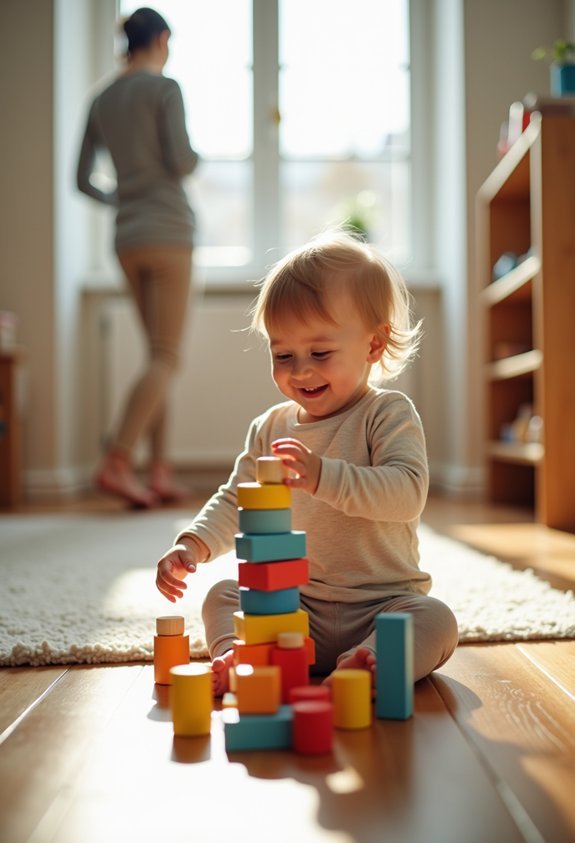
Five minutes of independent play mightn’t seem like much, but it’s the perfect starting point for building your child’s solo play skills. Research shows that toddlers naturally have shorter attention spans, so matching your expectations to their developmental stage sets everyone up for success.
When considering timing tips, begin during moments when your child feels rested and fed. A cranky or hungry child won’t engage meaningfully with solo activities.
Follow duration guidelines that respect your child’s age—start with five minutes for toddlers and gradually increase by two to three minutes weekly.
You’ll notice your child’s capacity growing as they develop confidence. Stay nearby initially, offering quiet reassurance without interrupting their focus.
This approach nurtures independence while maintaining the security your child needs to explore on their own terms.
Create A Safe And Inviting Play Space
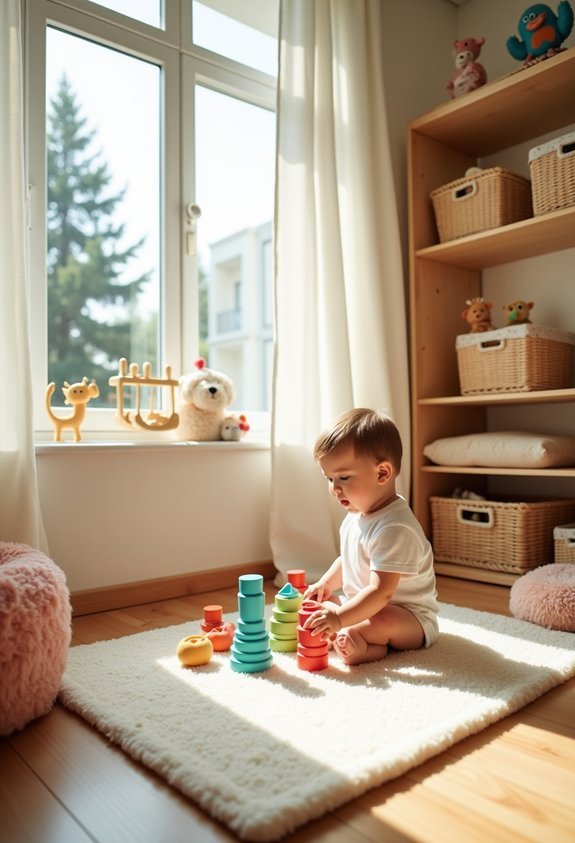
Once your child shows readiness for solo play, the environment you provide becomes their foundation for exploration and growth. A well-designed play area signals safety and sparks curiosity, allowing your child to engage deeply without constant supervision.
Consider these essential elements when setting up the space:
- Safety first: Remove hazards, secure furniture, and ensure all toys are age-appropriate so you can step back confidently.
- Sensory elements: Include varied textures, colors, and materials that invite touch and discovery.
- Accessibility: Arrange toys at your child’s level so they can make independent choices.
Research shows children explore more freely when their play area feels both contained and stimulating.
Keep the space uncluttered yet interesting—too many options overwhelm, while thoughtful variety encourages sustained engagement.
Choose Open-Ended Toys That Spark Imagination

The toys you select shape how your child learns to think, create, and problem-solve independently. When it comes to toy selection, prioritize items without predetermined outcomes—blocks, scarves, play dough, and simple figurines encourage imaginative play far more than electronic gadgets with flashing lights.
Open-ended toys grow with your child. A wooden block becomes a phone today, a spaceship tomorrow, and a sandwich next week. This flexibility builds cognitive flexibility and creative confidence.
You don’t need expensive options. Cardboard boxes, kitchen utensils, and natural materials like pinecones work beautifully.
Research consistently shows children engage longer with simpler toys because they’re driving the narrative.
Rotate toys weekly to maintain novelty without overwhelming your child. Fewer choices actually promote deeper, more sustained independent play sessions.
Resist The Urge To Jump In And Direct Their Play

When your child builds a lopsided tower or narrates a story that makes no logical sense, your instinct to correct or improve their work can actually undermine the very skills you’re trying to develop.
Play autonomy requires you to step back and trust the process, even when it feels uncomfortable.
Research shows that creative freedom during play strengthens problem-solving abilities and emotional regulation.
Consider these strategies:
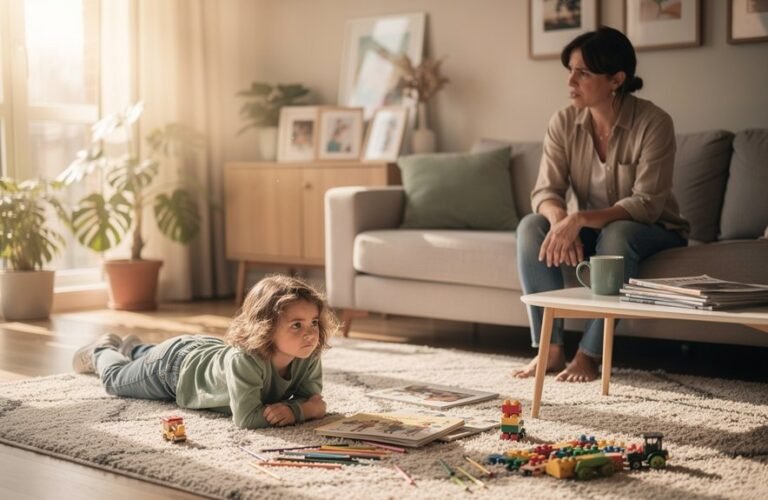
- Observe quietly from a distance rather than hovering nearby
- Offer encouragement without suggestions (“I see you’re working hard!”)
- Wait for your child to invite you before participating
Your child’s unconventional approaches aren’t mistakes—they’re experiments.
When you resist directing their play, you communicate trust in their capabilities and allow genuine learning to unfold naturally.
Establish A Consistent Independent Play Routine
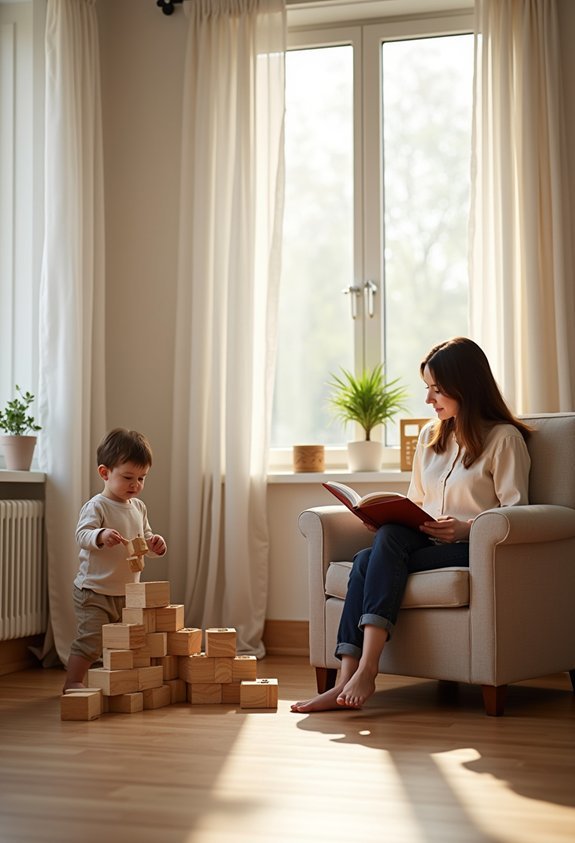
Just as children thrive with predictable mealtimes and bedtimes, they also benefit from knowing when independent play will happen each day. Building a consistent playtime schedule helps your child anticipate and mentally prepare for solo exploration time.
Choose a time when your child is typically well-rested and fed—perhaps after breakfast or following afternoon snack. Start with short intervals of 10-15 minutes and gradually extend as your child’s capacity grows.
Integrate independent play into your daily routine by anchoring it to existing activities. For example, “After we read our morning book, it’s your special play time.” This predictability reduces resistance and builds your child’s confidence.
Research shows that consistent routines lower anxiety and foster self-regulation skills, making independent play feel safe rather than isolating.
Celebrate Their Efforts And Build Their Confidence
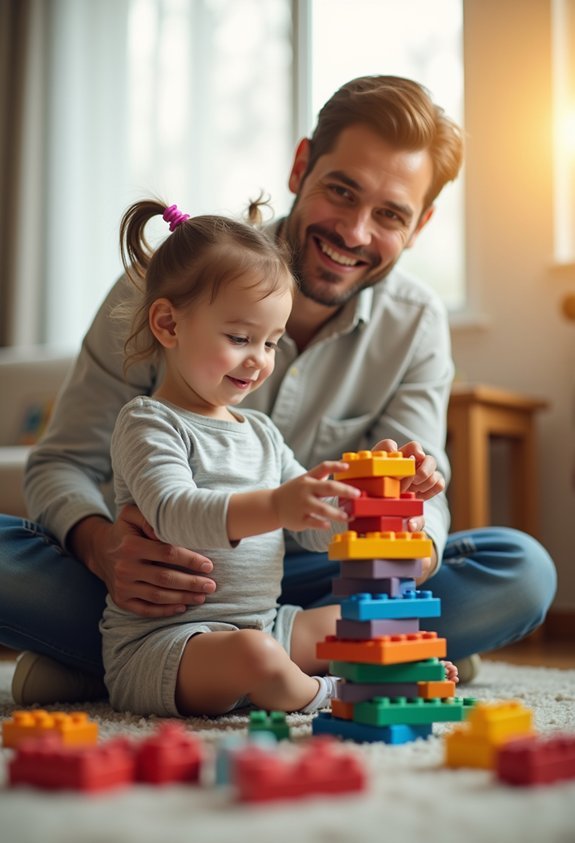
Because children develop confidence through recognition rather than perfection, how you respond to their independent play efforts matters tremendously.
When you praise achievements—even small ones—you boost self esteem and encourage continued exploration.
Focus your feedback on specific actions rather than general statements. Try these approaches:
- Acknowledge the process: “You worked so hard building that tower” validates effort over outcome
- Notice details: “I see you chose all the blue blocks” shows you’re paying attention
- Celebrate persistence: “You kept trying even when it fell down” reinforces resilience
Your genuine enthusiasm teaches children that their independent efforts have value.
This recognition creates a positive feedback loop where they’re motivated to engage in solo play again, knowing their exploration matters to you.
In case you were wondering
At What Age Can Children Start Playing Independently?
You can start encouraging independent play around 6 months old. As your baby grows, you’ll notice the importance of autonomy emerging naturally. By fostering creativity through safe exploration, you’re supporting healthy developmental milestones and building confidence.
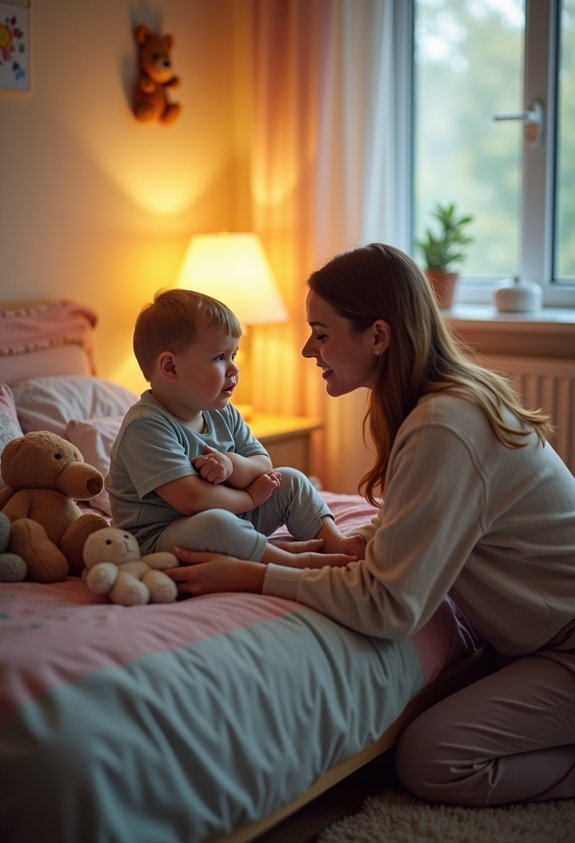
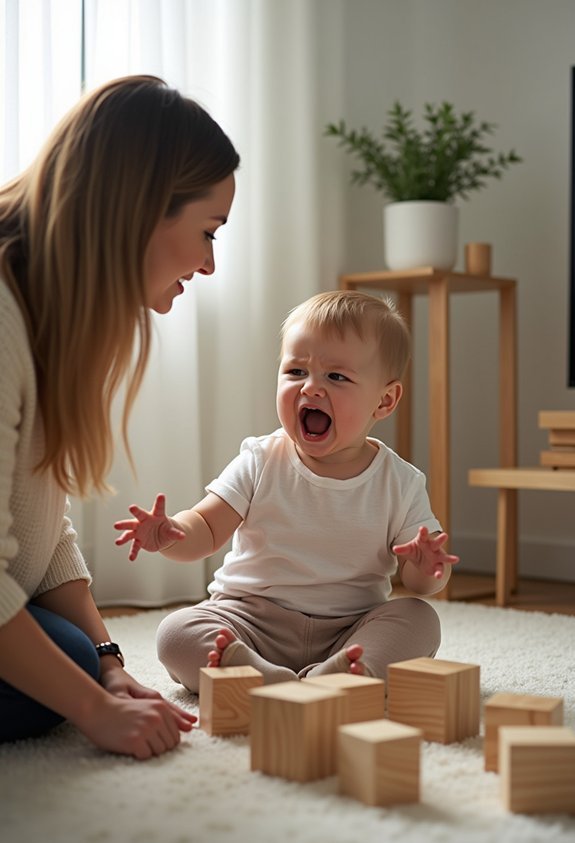
How Do I Handle My Child’s Tantrums When I Leave Them Alone?
Tiny tantrums typically trigger tears, but you’ll manage them by identifying tantrum triggers beforehand. Use calming techniques like validating feelings, offering brief reassurance, then gradually extending alone time as your child builds confidence and security.
Is Too Much Independent Play Harmful for My Child’s Social Development?
You don’t need to worry—independent play supports development when you maintain play balance. Your child builds social skills through varied interactions, so mix solo time with peer activities and family engagement for healthy growth.
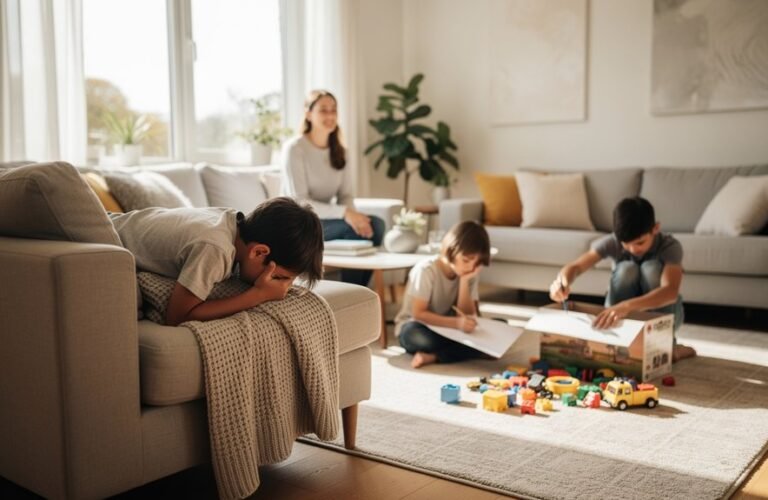
What if My Child Has Siblings Who Constantly Interrupt Their Solo Playtime?
You’ll need to establish clear playtime boundaries by creating designated solo play spaces and times. Teaching healthy sibling dynamics helps everyone respect each other’s need for independent exploration while strengthening their social-emotional development.
How Long Should Independent Play Sessions Last for Different Age Groups?
Independent play duration varies by age specific guidelines: toddlers can manage 5-15 minutes, preschoolers 15-30 minutes, and school-age children 30-60 minutes. You’ll want to gradually increase time as your child’s developmental capacity grows.
Conclusion
You’ve now got the tools to transform playtime into powerful moments of growth. When you step back and let your child explore, you’re not being neglectful—you’re being intentional. You’re building their confidence, creativity, and problem-solving skills one play session at a time. So take a deep breath, trust the process, and watch your little one flourish. Their independence starts with your patience.