Mud Season Survival Kit: 15 Activities When Your Backyard Is a Swamp
When your backyard turns into a boot‑eating swamp, don’t wave the white flag—work with it. Throw down a quick pallet or board walkway so you’re not losing shoes. Set up a kid gear station and a boot wash zone by the door. Turn one corner into a mud kitchen lab, another into a mini firepit lounge. Then try birdwatching, drainage experiments, compost, and cleanup missions… there’s a lot more you can actually do with all that mud.
Key Takeaways
- Build temporary mud-safe walkways and planned paths using pallets, boards, or rocks to keep feet dry and protect your yard from ruts.
- Set up a kid-friendly boot wash and outdoor gear station with hooks, labeled bins, and trays to contain mess and simplify daily routines.
- Experiment with simple DIY drainage fixes—test trenches, redirected downspouts, rock channels, and aerated low spots—to reduce standing water.
- Turn the yard into a mud kitchen and start raised bed gardens for creative play and productive, mud-resistant growing spaces.
- Create comfort zones and community projects—like a cozy firepit lounge, compost station, neighborhood clean-up, and moody nature photography—to enjoy mud season outdoors.
Build a Temporary Mud‑Safe Walkway
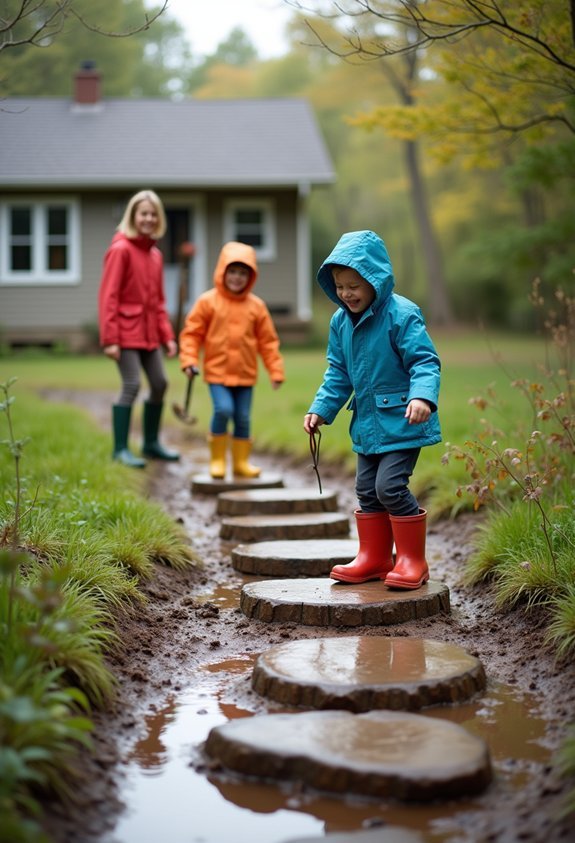
Step one of surviving mud season: stop sacrificing your socks to the swamp and build yourself a mud‑safe walkway.
Grab whatever mud safe materials you can find: pallets, scrap boards, flat rocks, even old baking sheets you secretly hate. Lay them in a line from the door to the least soggy spot. That’s your basic walkway design: no sinking, no slipping, no screaming.
Grab anything mud-safe—pallets, rocks, hated bakeware—and lay a no-sink, no-slip sanity path.
Test each step with your weight; if it wobbles, fix it or add support. Angle pieces slightly so water runs off, not into your shoes. If you need extra grip, toss down sand or busted cardboard.
Is it pretty? Nope. Does it keep your toes warm and drama‑free? Absolutely. When mud season ends, just pick it up and reclaim your turf.
Turn the Yard Into a Mud Kitchen Lab
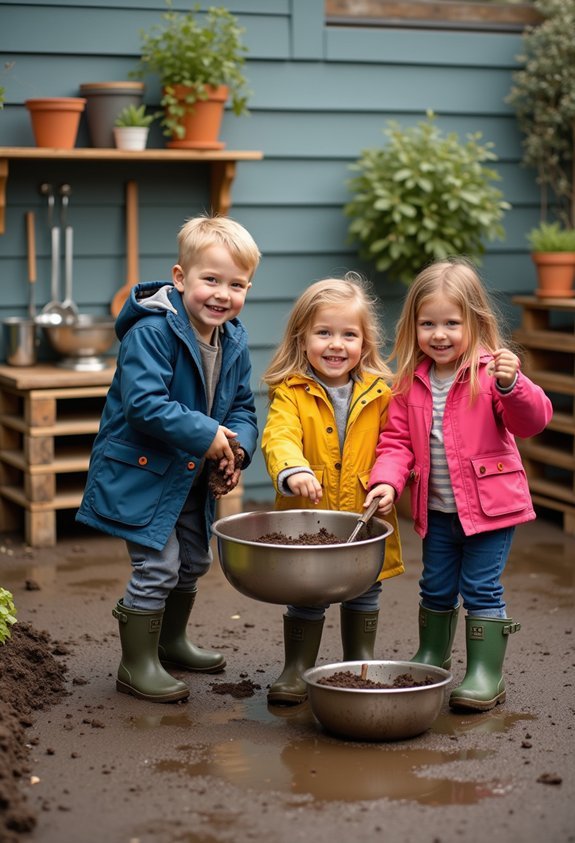
Once you’ve accepted that your yard is basically chocolate pudding, you might as well open a full‑on mud kitchen lab out there.
Grab old pots, metal bowls, measuring cups, and whatever sad plastic spoons survived last summer. Boom—instant outdoor lab.
Tell the kids you’re testing top‑secret mud recipes. Thick brownie batter mud, watery soup mud, gritty “taco seasoning” mud with sand and leaves.
Let them measure, mix, pour, and name every weird creation.
Talk about texture as you go—smooth, lumpy, squishy. That’s sneaky science and sensory play wrapped in chaos.
Ask questions: What happens with more water? More dirt? Which mud sticks better to sticks?
You’re turning a ruined lawn into the coolest backyard experiment zone. They’re filthy, focused, happy—and not inside whining today.
Create a Kid‑Friendly Boot Wash and Gear Station
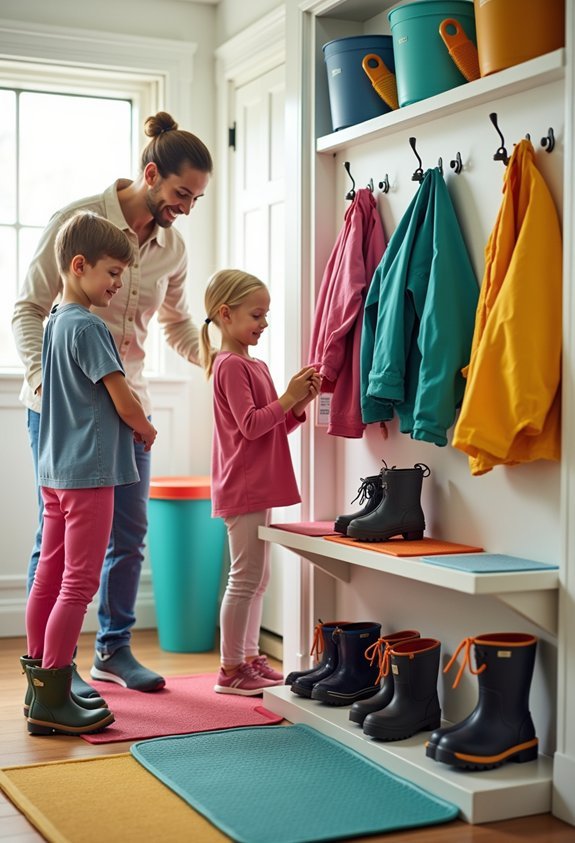
Next, build a tiny gear parking lot.
Hooks for coats and snow pants. A crate for hats and gloves. A tray or old baking sheet for dripping boots.
Label everything so kids know where stuff lives. That simple gear organization saves your morning sanity and keeps the mud drama outside.
You might even impress the neighbors.
Try Backyard Birding From a Dry Perch
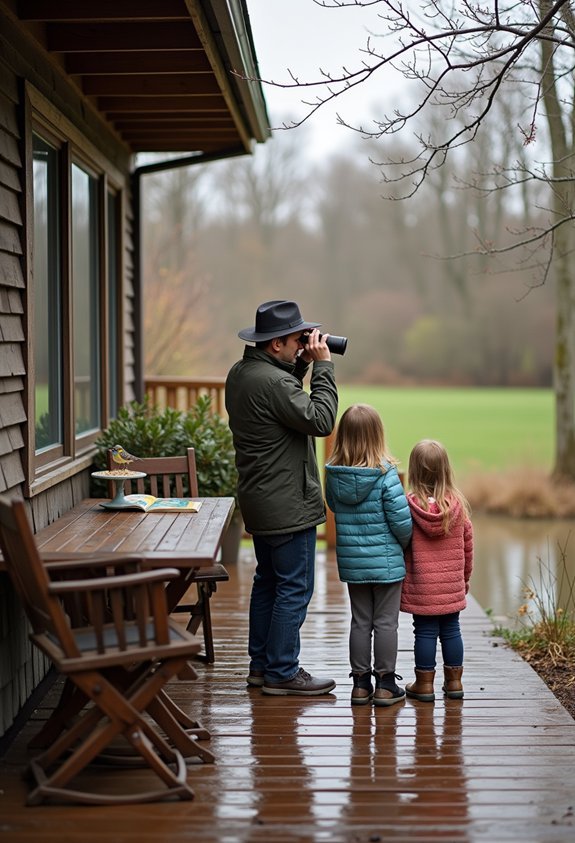
While the yard is busy pretending to be a swamp, you can turn mud season into a front‑row nature show from a dry, cozy perch. Grab a hot drink, park by a window, and boom: instant bird watching lounge.
Hang a simple feeder or toss seed on a rimmed tray so it doesn’t float away. Keep a notebook handy and name the regulars: “Bossy Blue Jay,” “Chaos Sparrow,” whatever fits. Snap photos for quick feather identification later; it’s like Pokémon, but louder.
Challenge kids to spot the first red bird of the day or the weirdest walk. Before long, you’re rooting for tiny drama kings with wings instead of cursing the mud pit below. And hey, no mosquitoes are biting you inside this time.
Experiment With DIY Drainage Fixes
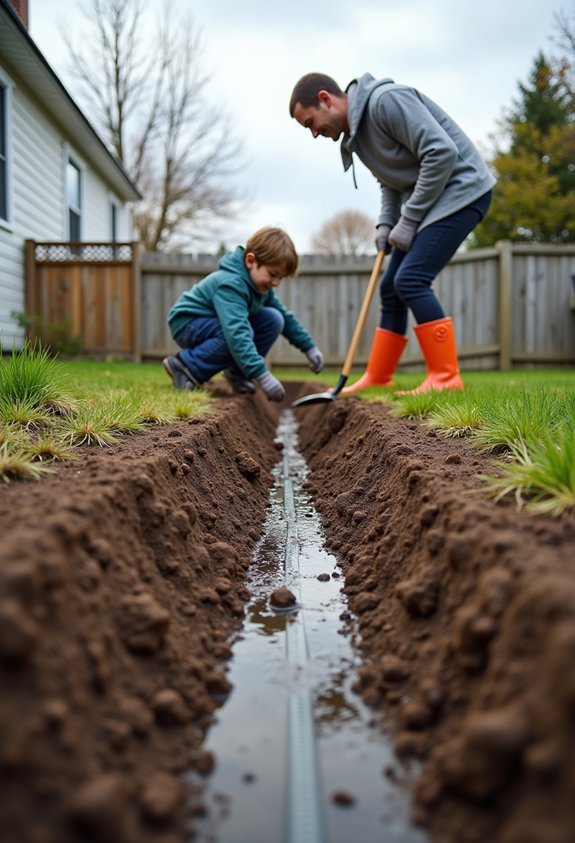
At some point you have to stop yelling at the mud and start bossing it around. Grab old towels, scrap boards, even a snow shovel, and start testing quick drainage solutions.
Notice where water collects, then dig a tiny test trench and see if it drains to a safer spot, like gravel or the driveway edge. You’re doing science… very soggy science.
Try laying gutters’ downspouts on different angles and watch how that changes water management. Throw down a line of rocks to guide water like a tiny river.
Poke holes in low spots with a garden fork and see if puddles shrink. Take notes, snap photos, brag later. You’re not stuck with mud; you’re training it. Soon the swamp starts to listen better.
Set Up a Pop‑Up Outdoor Art Studio
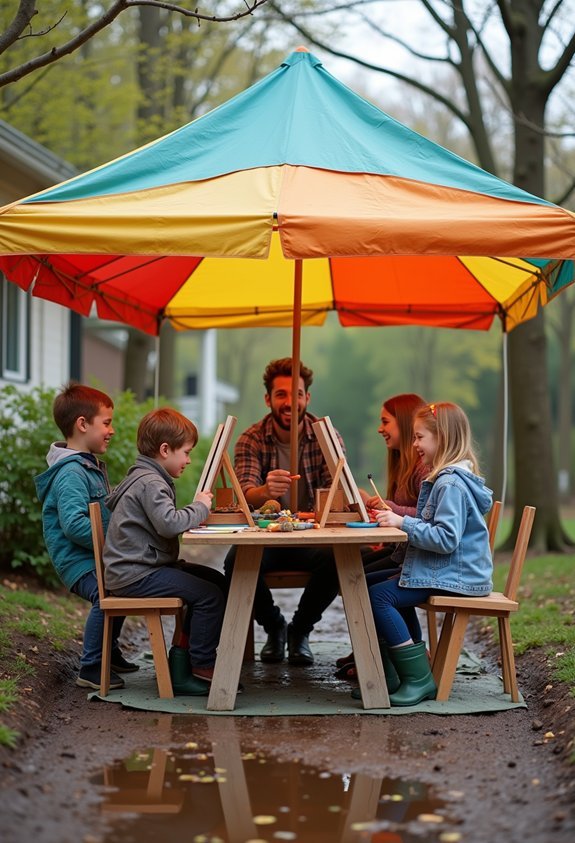
Mud’s handled for the moment, so now you get to do something way more fun than poking puddles with a garden fork: turn the mess into an art studio.
Drag a table, old sheet of plywood, or even a couple upside‑down bins outside and boom—instant pop‑up studio. Toss your art supplies in a plastic tub: markers, cheap paints, chalk, scrap cardboard, whatever survived the last school project.
Drag any junk table outside, dump your scruffy art supplies, instant backyard studio magic.
The mud becomes your backdrop. Try footprint painting, leaf rubbings, or mud‑stamp patterns with old toy cars. If people stare, you’re not weird, you’re “an installation.”
Use simple creative prompts: only paint with sticks, draw what the mud looks like if it could talk, or make “before and after the storm” comics. Let the chaos feel brilliant.
Plan and Start a Raised Bed Garden
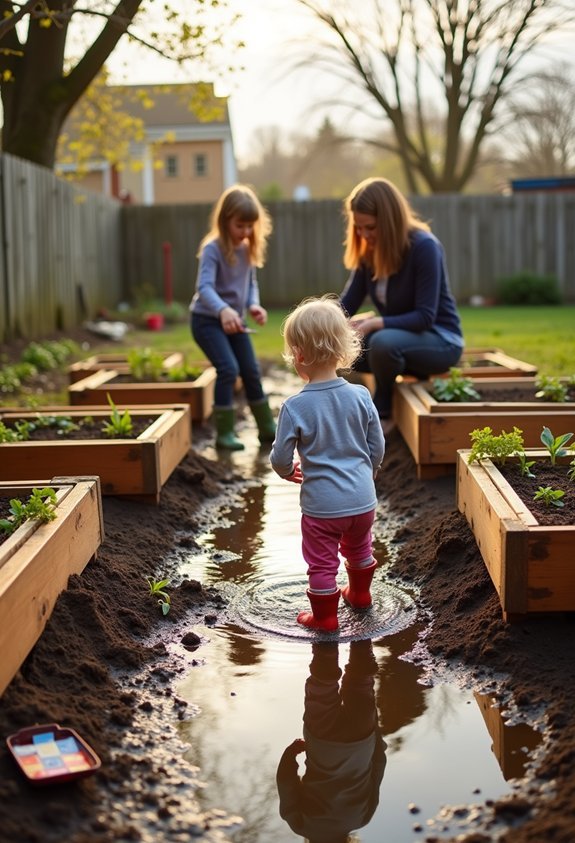
First things first: you need a garden you can actually walk in without losing a boot, and that’s where raised beds save your butt. Mud stays low, your veggies live high, and you keep your socks clean.
Start with a simple garden layout: rectangles you can reach from both sides, about four feet wide. Wood boards, cinder blocks, even old stock tanks all work. Fill with good soil, not the swamp sludge by your porch.
Now the fun part: seed selection. Picture tiny packets that promise salsa, salads, and bragging rights. To keep you fired up:
- Imagine biting a sun‑warm tomato you grew. Goosebumps.
- Picture bright flowers flexing against gray mud.
- Hear yourself saying, “Yeah, I grew that.”
All year long.
Host a “Mud Olympics” Game Day

Once you stop glaring at the mud and decide to lean in, it basically turns into a free giant playground you don’t have to clean.
Mud isn’t a mess; it’s a free backyard playground you never have to tidy.
So call it the “Mud Olympics” and make a big deal out of it.
First event: mud relay. Split into teams, sprint across the yard, tag a partner, try not to face-plant.
Winner gets hot chocolate; loser also gets hot chocolate, because you’re not a monster.
Next, build a muddy obstacle course with buckets, pool noodles, and anything that won’t break.
Crawl under chairs, jump over logs, slide through a mud pit finish line.
Add silly medals, loud play-by-play announcing, and a “dirtiest player” award.
You’ll forget you ever hated puddles. Neighbors will stare; you’ll be weird, happy legends.
Test Drive Rain Gear and Outdoor Clothing
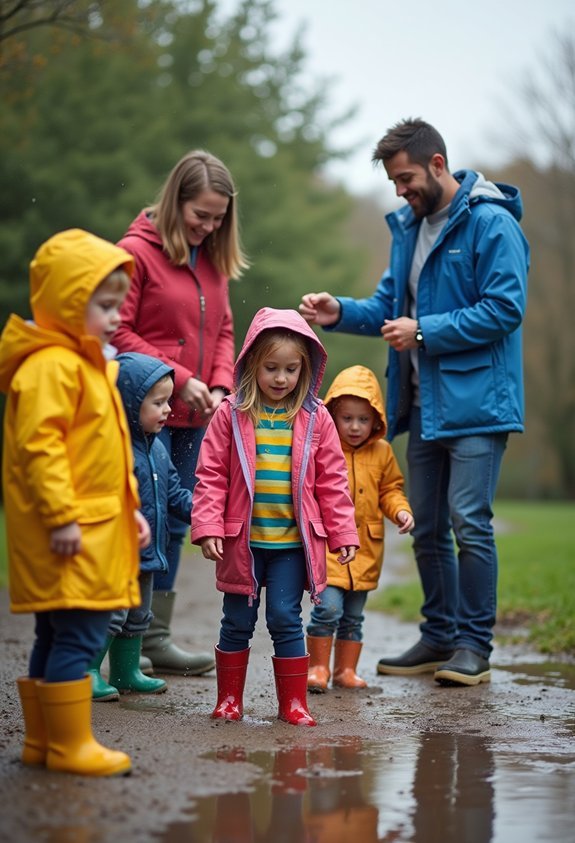
Before you surrender to the giant swamp outside, use mud season as your test lab for rain gear and “outdoor clothes.” This is the time to find out if that “waterproof” jacket is a hero or a lying trash bag with sleeves.
Step outside during a drizzle, a downpour, and that weird sideways rain.
- Stomp through puddles like a five‑year‑old on espresso. Do your boots leak? Cool, now you know before a real hike soaker.
- Swing your arms, squat, twist. If your outdoor clothing pinches, rubs, or rides up, it’s fired. No mercy.
- Do the “soaked or smug” test. Stay out ten minutes. If you’re warm, dry, and smugly superior, that rain gear earns a gold star. Declare it your official mud season uniform.
Learn Your Soil Type With Simple At‑Home Tests

Two things are true about mud season: everything is wet, and your yard is basically a mystery soup.
So let’s figure out what’s actually in that soup. Scoop up a handful of mud, squeeze it, and see what happens. If it stays in a tight ball, you’ve got heavy clay. If it crumbles right away, it’s sandy. If it holds but feels silky, hello loam, the jackpot of soil composition.
Next, try quick pH testing. Fill a jar with soil and water, shake hard, then drop in a pH strip.
Too acidic? Picture sad tomatoes.
Too alkaline? Imagine iron‑starved yellow leaves.
Knowing your soil’s mood helps you choose plants and fixes later, instead of just yelling at puddles like they personally betrayed you today.
Design a Future Hardscape or Path System
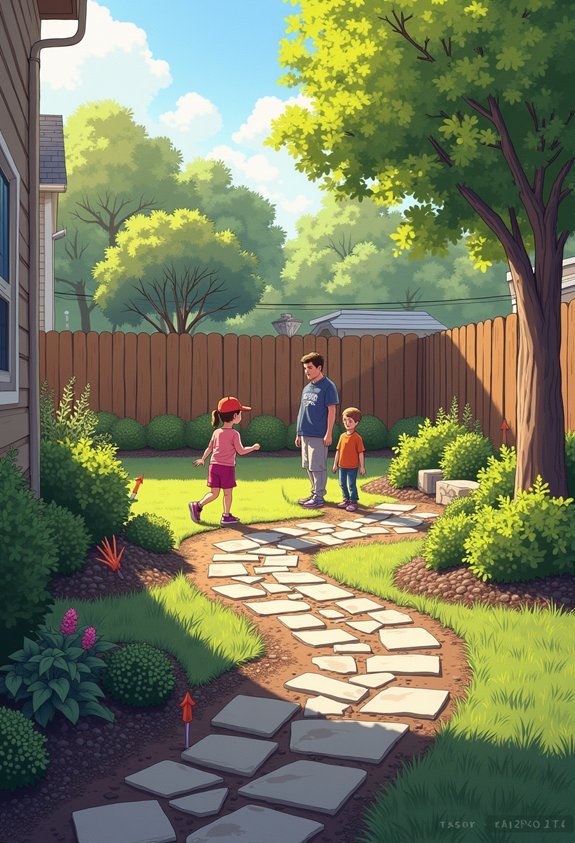
Even if your yard currently feels like a boot‑eating swamp, this is prime time to plan where you actually want to walk without losing a shoe.
Grab a notebook, look out the window, and notice where your feet naturally want to go: trash cans, shed, garden, mailbox.
Think of path design like drawing cheat codes on your lawn. You’re deciding, once and for all, where mud won’t win.
Every path you plan is a permanent power-up against puddles, ruts, and ruined shoes.
- Picture next spring. You step outside, and instead of squelch, you hear a solid *clack* on stone. Instant mood lift.
- List hardscape materials you love: gravel, pavers, brick, wood rounds.
- Sketch simple paths on paper. Erase, redraw, go wild now—before concrete makes it permanent. Your future dry socks will honestly thank you.
Create a Cozy Firepit Lounge on High Ground
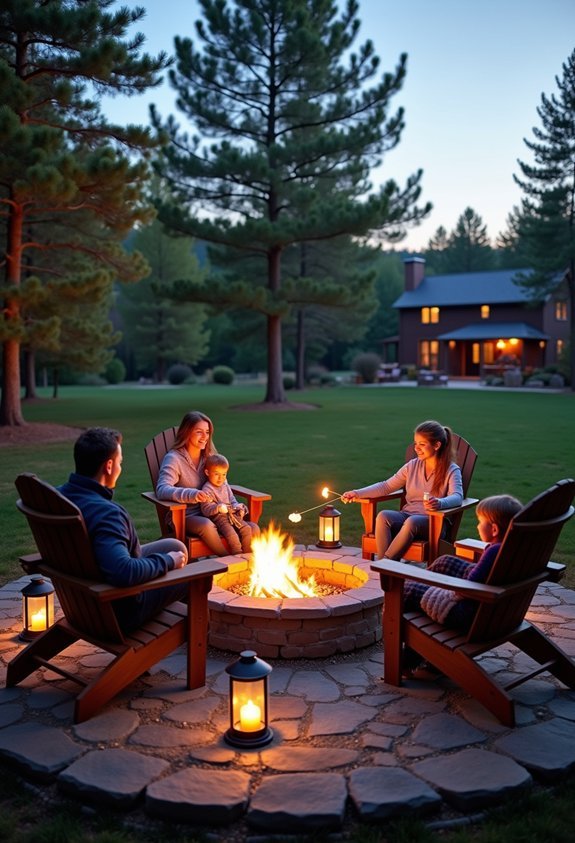
You’ve mapped out where your feet should go; now let’s figure out where your butt should land. Head for the highest, driest spot you’ve got. If your dog refuses to lie there, it’s still too soggy.
Pick a simple fire pit setup: metal bowl, old grill body, or a ring of stones if your area allows it. Keep it small; you want s’mores, not a signal flare.
Next, plan cozy seating that won’t sink. Think gravel pad, wood pallets, or a leftover patio slab as a firm base. Add folding chairs, a thrifted bench, even milk crates with cushions. Toss in blankets, a lantern, and a thermos.
Boom—instant mud‑season lounge. Invite neighbors, tell dramatic flood stories, and pretend you’re camping, minus the mosquitoes tonight.
Start a Compost Station While the Ground Is Soft
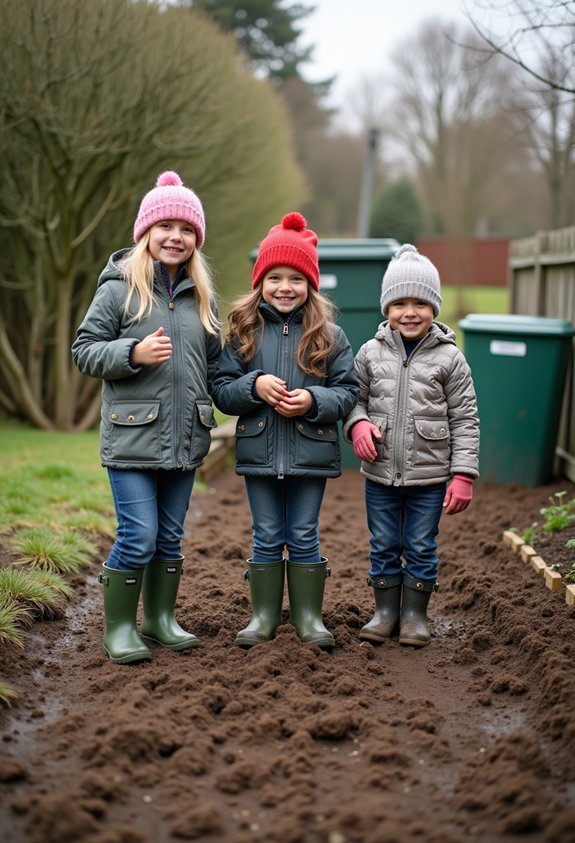
While the yard’s already a mud milkshake, it’s prime time to start a compost station and turn that mess into future bragging rights.
Stick a bin or old trash can in a corner, poke drainage holes, and boom—nature’s slow cooker. Toss in everyday compost materials and let the muck do the magic.
- Kitchen scraps = power fuel. Banana peels, coffee grounds, veggie ends. You’re feeding soil, not landfills.
- Yard waste finally earns rent. Toss leaves, dead plants, and that sad Valentine’s bouquet. They’ll break down into dark crumble.
- Compost benefits you can see. In a few months, you’ll have free fertilizer that makes plants explode with growth and cuts junk you drag to the curb.
Mud season chaos becomes epic flex.
Practice Nature Photography in Gloomy Weather
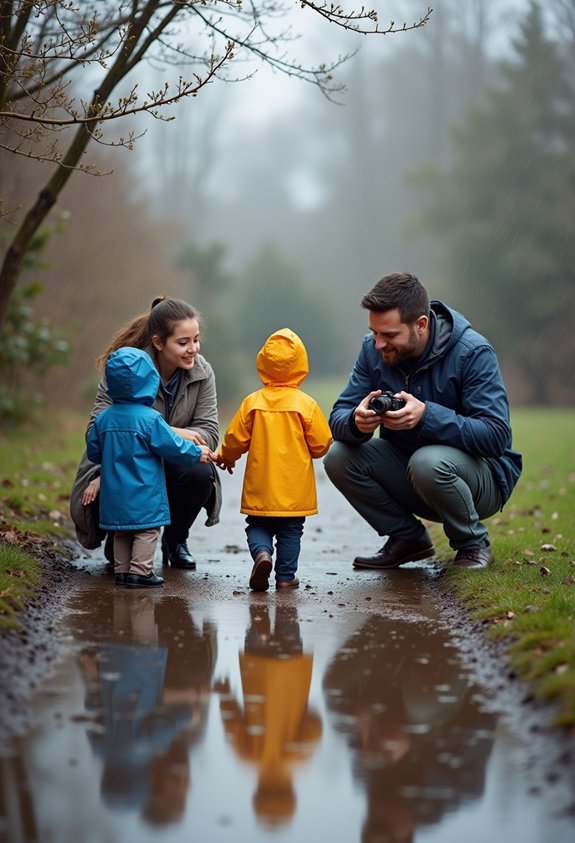
Mud’s cooking in your compost corner, so now it’s time to point that energy at something way more dramatic: gloomy-weather nature pics.
Grab your phone, zip your jacket, and hunt for moody details. Gloomy lighting is your free filter; it softens colors, hides trash cans, and makes puddles look like secret portals.
Think about nature composition like you’re arranging items on a tiny stage. Put a crooked tree off to one side, a bright leaf in the front, and let the gray sky frame it all.
Shoot raindrops on branches, boots in mud, fog wrapping around roofs. Take ten versions of the same shot. Move two steps left. Crouch. Tilt. Boom—drama unlocked.
If it feels weird, you’re probably close to something really cool today.
Organize a Neighborhood Clean‑Up After the Thaw

As the snow finally melts and the world stops looking like a sad gray snow cone, all the trash that’s been hiding for months pops out like, “Hey, miss me?”
Candy wrappers in the grass, old coffee cups in the ditch, that one lone sock nobody will ever claim.
So you grab gloves, text a few neighbors, and turn this mess into a mini party with purpose.
Post a quick invite, promise hot cocoa, and watch the crew appear.
- Kids race to fill bags, acting like trash-hunting superheroes.
- Parents swap stories and gossip, and that’s when real neighborhood bonding sneaks in.
- You step back, see clean streets, feel that warm buzz of community involvement, and think, “Wow, we actually did something good today together.”
In case you were wondering
How Can I Protect My Pets and Keep Mud From Tracking Indoors?
You protect pets by using booties, wiping paws at the door, and fencing off deep mud. Add mats, washable runners, and a designated entry. Start indoor training so they wait calmly for cleanup before roaming.
What Indoor Backup Activities Keep Kids Busy When the Yard Is Unusable?
You keep kids busy with indoor crafts like painting, slime, and cardboard forts, rotate family games, build obstacle courses, host kitchen science experiments, set up reading nooks, and stream kid workouts or dance parties inside.
How Do I Prevent My Septic or Drainage Field From Getting Damaged in Mud Season?
You protect your field by treating it like it’s guarding the Earth’s core, practicing septic maintenance, redirecting roof runoff, avoiding traffic, installing drainage solutions like swales or French drains, and consulting professionals about pooling issues.
Are There Low‑Cost, Temporary Ground Covers That Won’T Ruin My Lawn Later?
Yes, you can use low‑cost temporary solutions like straw, wood chips, or permeable mats; they drain well, protect roots, and lift off later, letting your existing turf recover without introducing permanent grass alternatives into your landscape.
How Can I Check if Mud Season Flooding Is Harming My Home’s Foundation?
An ounce of prevention is worth a pound of cure: you check by doing a foundation inspection, looking for new cracks, sticking doors, pooling water, poor water drainage, musty smells, and shifting floors after rains.
Conclusion
Now you’ve got a whole survival kit for when your backyard turns into a boot‑eating swamp. You can build paths, wash gear, spy on birds, even cook snacks by the fire while your lawn screams for help. The only question left is… what are you actually gonna try first? The mud kitchen? The drainage experiments? Or are you secretly about to invent the world’s first Olympic sport: Extreme Backyard Mud Diving? Your move, mud warrior.