17 Multicultural Family Traditions for Seasonal Joy
Looking for simple ways to spark joy together? Try 17 multicultural traditions you can start tonight: light candles at dusk with a shared intention; sing global carols with neighbors; swap handmade ornaments; tell winter legends with a talking stick; bake treats from five continents; host a small “around-the-world” feast; make a DIY nativity or symbol wall; give “Secret Saints” gifts; and end the year with blessings and kind actions. Gentle, doable, meaningful—step by step, you’ll find even more.
Light the World: Candle Traditions From Around the Globe

Even a single candle can change a room, so let’s start small and light with purpose.
Even one candle reshapes a room—begin small, and light with intention.
You want to serve. Candles help you do that with calm, care, and focus. Candle lighting carries global significance. It marks hope, memory, and community in many places. You can honor that spirit at home.
Try this simple plan:
1) Choose a time. Dawn, dinner, or dusk.
2) Set an intention. Gratitude, healing, or service.
3) Light together. One match. Many hearts.
4) Share a name or need. Keep it brief.
5) Close with a kind act.
Practical ideas:
- Invite a neighbor to join.
- Deliver a warm note with a tea light.
- Save quiet minutes for reflection.
Small flame. Steady hands. Open hearts. You’ll light the world, one gentle glow at a time.
Global Caroling Night With Songs in Multiple Languages
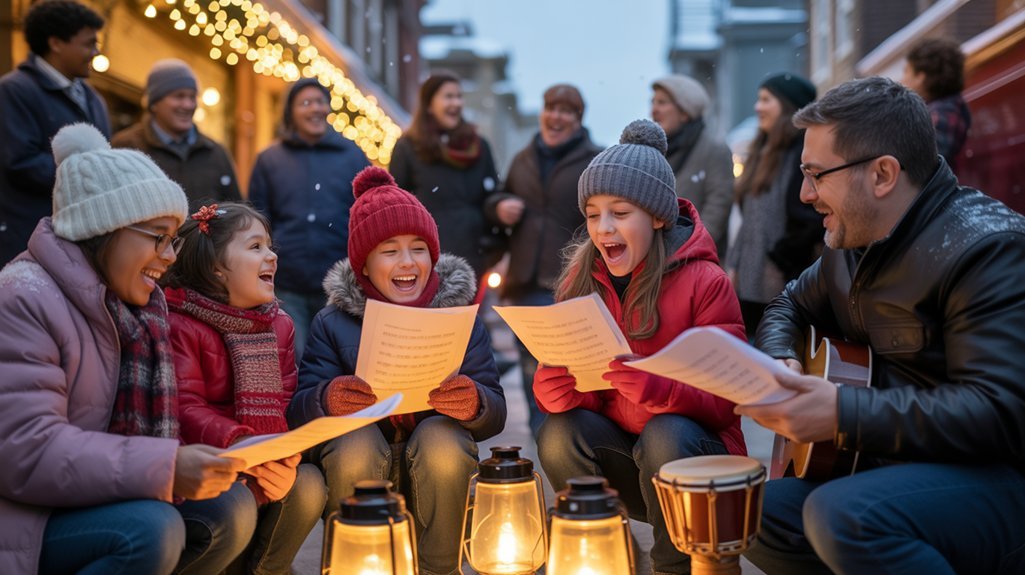
Your candle brought quiet light; now let your voices carry it farther.
1) Set your plan
- Invite neighbors, seniors, and new families.
- Pick a short route near those who need cheer.
- Choose three to five songs with multilingual lyrics.
2) Prepare your team
- Print simple lyric cards with phonetic help.
- Keep tempos gentle and keys low.
- Wear cozy caroling costumes: scarves, hats, simple sashes.
3) Serve with heart
- Bring small kindness: tea bags, notes, cookies.
- Sing first, listen second. Ask names. Offer prayers if welcome.
4) Practice respect
- Learn greetings for each language.
- Share solo lines with children and elders.
- Keep songs balanced: one lively, one calm, one sacred or folk.
Quick tips
- Warm up voices.
- Stay brief at each door.
- End with thanks and a smile.
DIY Nativity and Holiday Displays From Different Cultures
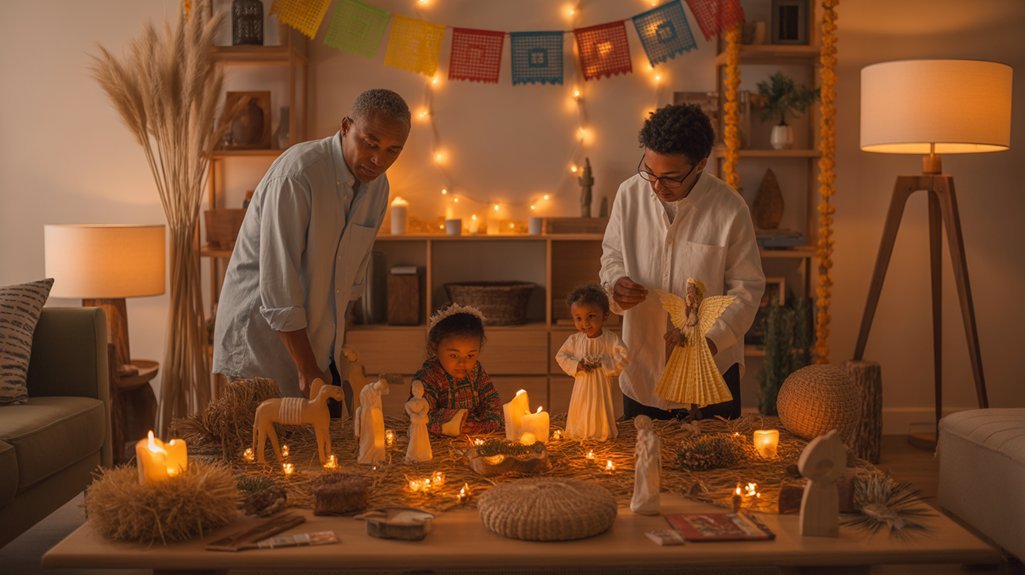
While the season buzzes with bright lights, slow down and craft a display that tells your family’s story—one piece at a time.
Amid bright bustle, pause and craft a display that tells your family’s story, piece by piece.
You can shape hope and care with your hands. You can honor many roots and bless your neighbors, too.
Try this simple plan:
1) Choose a theme
- A cultural nativity with local fabrics
- A lantern path for welcome
- A wall of holiday symbols from many lands
2) Gather supplies
- Reused boxes, scrap cloth, twine
- Clay, paper, natural greens
3) Make together
- Paint figures in skin tones you know
- Add food baskets, water jars, tiny blankets
- Include signs with kind words in many languages
4) Share the light
- Place it near a window
- Invite friends to add one piece
- Offer a quiet spot for reflection
Around-the-World Christmas Eve Feast

You can plan a global menu with simple picks: Italian seven fishes, Mexican tamales, Polish pierogi, Filipino bibingka.
Spotlight one traditional dish per guest, then add a short story, a blessing, or a song.
Set inclusive table rituals—name cards, pass-the-wish, a candle for absent loved ones—so everyone feels seen and full.
Global Menu Planning
Even with a busy season, you can plan an Around-the-World Christmas Eve feast that feels joyful, doable, and fun.
1) Set a theme. Choose three regions. Keep it simple. Think international cuisine that invites conversation and care.
- One bright starter
- One hearty main
- One cozy side
- One sweet finish
2) Build around seasonal ingredients. They’re fresh, budget-friendly, and kind to the planet. Apples, citrus, winter greens, root veggies.
3) Match dishes to your helpers. Give clear roles. One person chops. One seasons. One serves. Everyone shares.
4) Plan portions. Small tastes win. Use trays, skewers, and mini bowls.
5) Create a flow.
- Prep the day before
- Reheat gently
- Serve in waves
- Label allergens
Quick ideas: citrus salad, spiced rice, roasted roots, simple custard. Light, warm, welcoming. You’ve got this.
Traditional Dishes Spotlight
Planning set the stage; now the food gets a spotlight. You’re ready to serve hearts through plates. Honor your culinary heritage with simple, soulful dishes. Pull out family recipes. Ask elders for tips. Taste, adjust, repeat. Keep portions friendly. Label allergens. Offer meat, veg, and gluten-free. Smile as you plate. Your care shows.
1) Choose anchors: one soup, one roast, one sweet.
2) Add bright sides for color and crunch.
3) Prep ahead; hold warm and safe.
4) Tell the story of each dish as you serve.
- Examples:
- Pozole, roasted cod, saffron rice, honey cake.
- Pierogi, ginger carrots, citrus salad.
| Dish | Origin | Serve-With |
|---|---|---|
| Tamales | Mexico | Tomatillo salsa |
| Bacalhau | Portugal | Olive oil, parsley |
| Jollof Rice | West Africa | Grilled chicken |
| Bibingka | Philippines | Coconut, salted egg |
Inclusive Table Rituals
How do we make the table feel like home for everyone tonight?
1) Set the tone
- Greet each guest by name.
- Share a calm smile. Offer water, tea, or juice.
- Say, “Your traditions matter here.”
2) Practice inclusive dining
- Place name cards with pronouns.
- Add veggie, halal, kosher, and gluten-free signs.
- Keep common allergens labeled and separate.
3) Invite voices
- Ask a short story from each culture: a song, a saying, a memory.
- Pass a “gratitude candle” or bell to take turns.
- Keep it simple. Keep it kind.
4) Offer family blessings
- Invite one line per person. Whispered or spoken.
- Include hopes for health, work, and peace.
5) Close with care
- Pack leftovers to share.
- Send a kind text tomorrow.
- Promise, “You’re welcome back.”
Storytime: Winter Tales and Legends From Many Lands

You can make cold nights feel warm with folktales of winter—moonlit foxes, brave children, long roads, safe homes.
Add legends of snow spirits from many lands—gentle guardians, fierce winds, quiet warnings—and you’ll spark wonder and care.
Try a simple ritual: lights low, blankets ready, one story each person, then a quick share—favorite moment, kind lesson, new word.
Folktales of Winter Nights
Even as the nights grow long and the air turns sharp, winter is a perfect time to gather close and share folktales from many lands. You can lift hearts with winter folklore and cultural narratives that honor family, kindness, and courage. Share to comfort. Share to inspire. Share to serve.
1) Prepare the space
- Warm drinks
- Soft lights
- Shared blankets
2) Choose stories
- Short, brave journeys
- Wise helpers
- Hopeful endings
3) Invite voices
- Kids read lines
- Elders add memories
- Guests teach a tale
| Region | Theme | Service Idea |
|---|---|---|
| Andes | Warmth shared | Knit a scarf |
| West Africa | Clever unity | Cook for neighbors |
| Arctic | Patience together | Read to elders |
Pass the talking stick. Pause for feelings. Close with a simple blessing and one kind action tomorrow.
Legends of Snow Spirits
Sometimes the first snowfall feels like a soft hush, as if the world holds its breath and waits for stories. You can use that hush to guide winter legends exploration with care and joy.
Snow spirit folklore holds gentle lessons about kindness, courage, and respect for nature. You’ll help hearts feel safe while minds stay curious.
Try this simple plan:
1) Choose a region: Japan, the Arctic, the Alps.
2) Pick one snow spirit: Yuki-onna, the Ijiraq, the Barbegazi.
3) Share the values: mercy, wisdom, and balance with the land.
Add small helpers:
- A white candle for focus.
- A warm drink for comfort.
- A map to show roots and routes.
Invite reflection:
- Who needs care?
- What calls for bravery?
- How can we honor winter?
Shared Storytelling Rituals
Snow spirits set the mood, and now that soft hush can welcome many voices. You can lead story sharing that warms hands and hearts. You can guide a gentle narrative exchange where elders, kids, and guests feel seen. Keep it simple. Keep it kind.
1) Prepare the circle
- Dim lights, pour tea, pass blankets.
- Place a candle or lantern in the center.
- Set a cue: a bell, a scarf, a smile.
2) Invite the tales
- Ask for winter legends from home countries.
- Offer prompts: courage, generosity, wonder.
- Welcome songs, proverbs, and short prayers.
3) Share with care
- Use a talking stick to give turns.
- Pause to honor feelings.
- Thank each teller by name.
4) Close in unity
- Swap favorite lines.
- Bless tomorrow’s helpers.
- Plan next time.
Advent Calendar With International Acts of Kindness
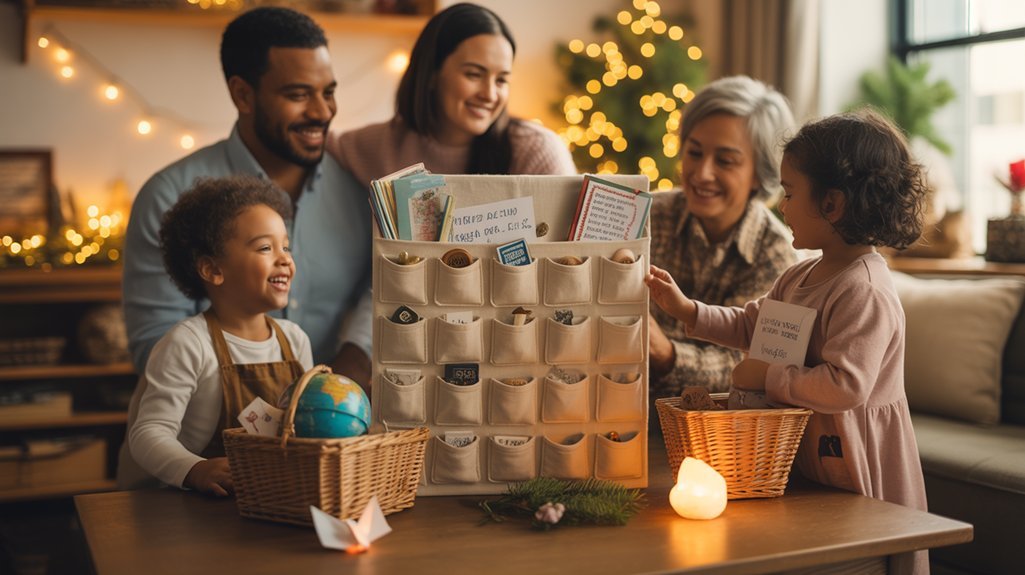
How can a simple countdown become a bridge to the world? Try a kindness countdown that opens hearts and eyes. Each day, you choose one small act. You learn a greeting, offer help, or share a story. You build cultural gratitude as you go. Simple steps. Real care. Quiet joy.
1) Set a daily theme: give, learn, connect.
2) Prep simple supplies: notes, stickers, cocoa.
3) Keep it quick: 5–10 minutes.
4) Reflect as a family.
- Say thank you in three languages.
- Donate snacks to a shelter.
- Write a kind note to a neighbor.
| Day | Action | Why it matters |
|---|---|---|
| 1 | Learn hello in Swahili | Show respect |
| 2 | Send tea to a nurse | Offer comfort |
| 3 | Share a folktale | Pass wisdom |
| 4 | Compliment a bus driver | Honor service |
You’ll feel close. And connected.
Multicultural Ornament Craft Swap
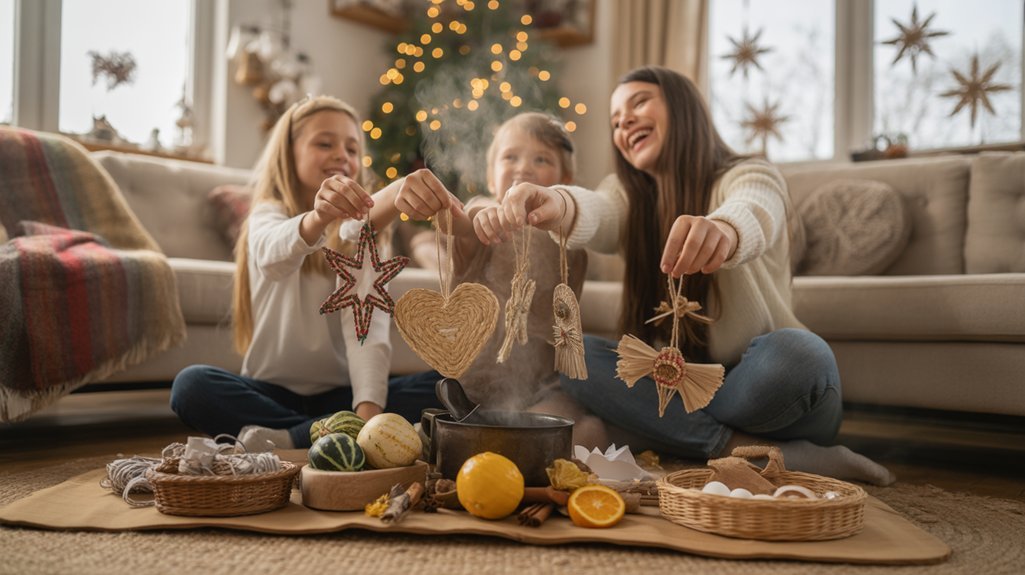
While the tree waits for its sparkle, invite friends or neighbors to swap handmade ornaments from different cultures. You’ll build care and trust as you trade stories, skills, and ornament inspiration. You’ll also bless others with beauty they can hang and keep.
Gather friends to swap handmade, cultural ornaments—share stories, skills, and beauty to cherish and keep.
1) Plan the swap
- Pick a date and a cozy spot.
- Set a simple theme: paper, fabric, natural.
- Ask each person to bring 3–5 ornaments and a short note.
2) Create with cultural techniques
- Try Polish paper stars, felt Scandinavian hearts, West African Adinkra prints.
- Use colors with meaning. Share why they matter.
3) Host with heart
- Offer tea, fruit, and gentle music.
- Show steps. Praise effort. Make space for beginners.
4) Give and go
– Swap, share care tips, and send extras to a neighbor in need.
Holiday Baking Day: Cookies and Treats From Five Continents

Because a warm kitchen brings people close, plan a Holiday Baking Day that travels the world—one sweet at a time.
1) Set the mission
- Bake to bless neighbors, coworkers, and friends.
- Choose five regions. Keep it simple. Keep it joyful.
2) Pick recipes with cultural flavors
- Europe: buttery spritz.
- Africa: sesame chebakia.
- Asia: coconut macaroons.
- Americas: alfajores.
- Oceania: ANZAC biscuits.
3) Prep stations
- Bowls, labels, timers.
- Allergy notes. Handwashing. Smiles.
4) Lead cookie decoration
- Colors that tell a story.
- Shapes that honor each place.
- Simple icing, nuts, seeds, dried fruit.
5) Share the love
- Pack small assortments.
- Add a kind note with the cookie names.
- Deliver with thanks and eye contact.
It’s okay if crumbs happen. You’re creating care, not perfection. Bake. Bless. Repeat.
St. Nicholas, Three Kings, and Santa: Traditions to Try
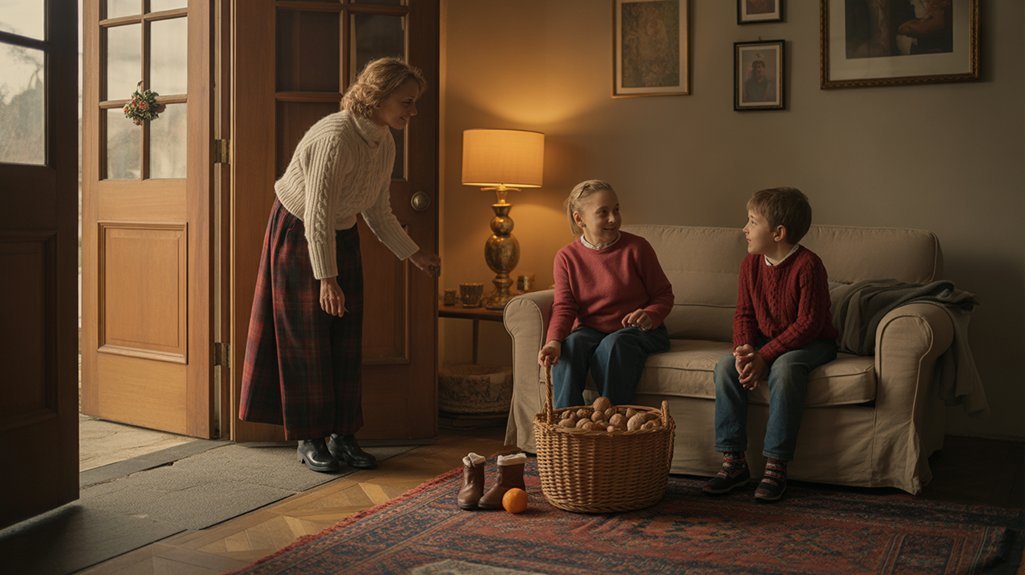
Fresh from sharing sweets, you can carry that same joy into story-filled winter customs.
1) Honor St. Nicholas on Dec 6.
- Fill shoes with fruit, notes, small socks.
- Add a secret kindness: leave cocoa for a neighbor.
- Read a short tale of the saint who helped the poor.
2) Welcome the Three Kings on Jan 6.
- Set out grass for camels, water too.
- Bake a simple crown cake.
- Invite kids to bring diapers or cans for a pantry.
3) Celebrate Santa Claus on Christmas Eve.
- Share one cozy story.
- Write a thank-you letter to helpers you know.
- Leave cookies, then donate a toy.
Quick tips:
- Keep it simple. Keep it kind. Keep it repeatable.
- Tie every moment to service.
- Call it all “Christmas Celebrations,” open to all hearts.
Winter Market at Home: Stalls Inspired by Global Fairs
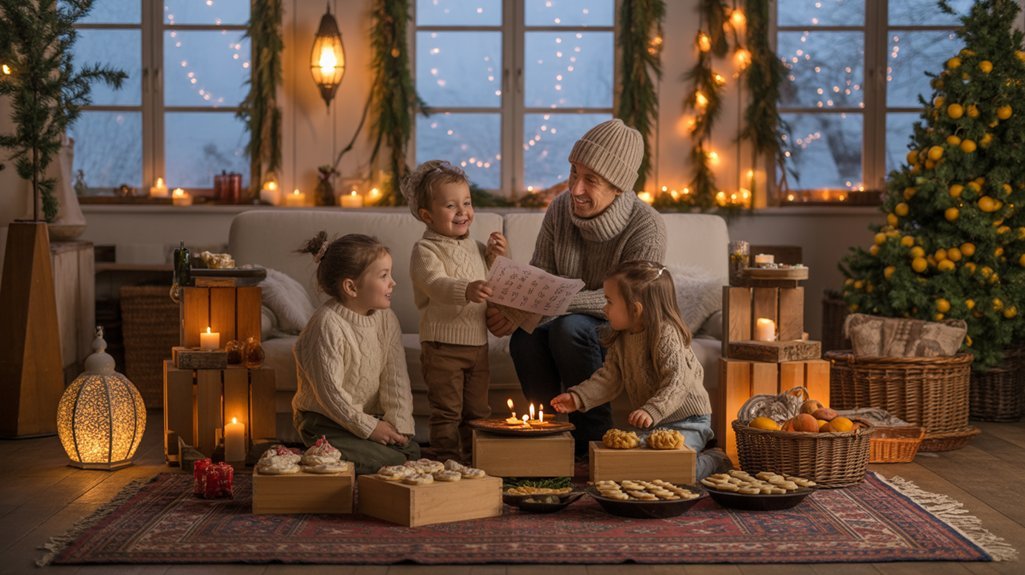
Even on a chilly night, you can turn your living room into a cozy winter market that feels global and welcoming.
1) Set the scene
- Clear a path for “stalls.” Use boxes or trays.
- Hang string lights. Play soft world music.
- Add signs with kind greetings.
2) Create simple stalls
- Warm drinks: spiced cocoa, mint tea, apple cider.
- Savory bites: dumplings, stuffed breads, roasted nuts.
- Sweet treats: ginger cookies, sesame candy, fruit.
3) Share global flavors
- Offer small tastes. Use tiny cups and napkins.
- Label origin and ingredients. Note allergies.
4) Make seasonal crafts
- Paper lanterns, salt dough ornaments, braided yarn.
- Invite quick make-and-take kits.
5) Welcome everyone
- Give gentle roles: greeter, taster, crafter, cleaner.
- Keep prices as “kindness tokens.” Smiles count.
You’re hosting warmth, wonder, and care—one stall at a time.
Family Service Project Guided by Global Needs
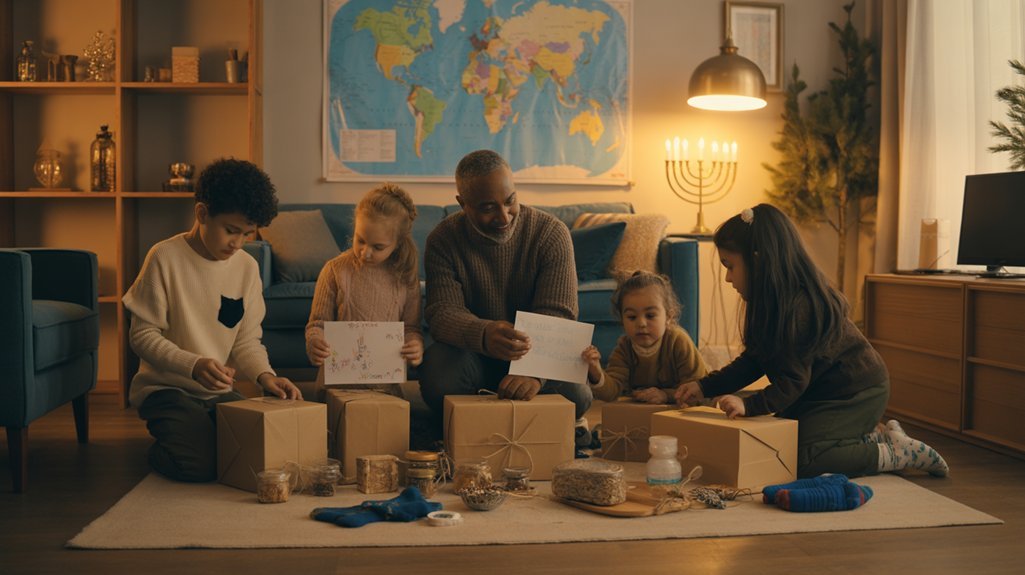
When you look at the world’s needs, it can feel big—but your family can start small and still make real change. You care. You show up. That’s how community impact grows and how global engagement begins at home.
1) Pick a focus
- Food, water, warmth
- Books, tech, mentors
2) Learn together
- Read one short article
- Watch one map video
3) Act with a plan
- Set a goal
- Choose a partner group
- Track simple wins
4) Reflect and celebrate
- Share lessons
- Plan the next step
| Need | Simple Family Action |
|---|---|
| Warm coats | Host a porch pickup |
| Clean water | Fund a filter as a team |
| School supplies | Fill five backpacks |
| Refugee welcome | Set up a starter kit |
Small steps. True care. Lasting change. You’ve got this.
Greeting Cards in Different Scripts and Languages
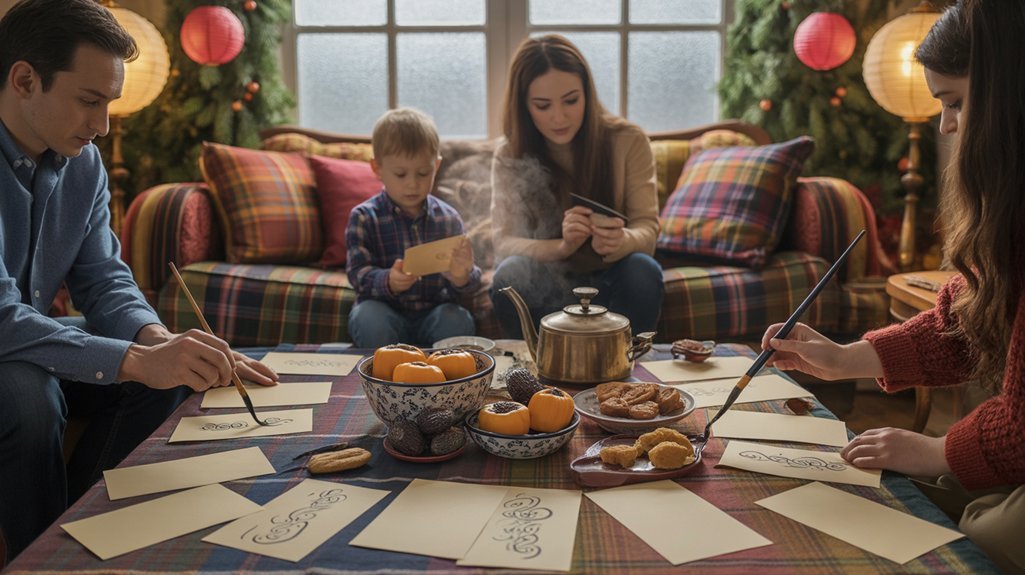
You can choose scripts that carry heart and history—Arabic for a blessing, Hindi for joy, Korean for luck.
Use simple transliteration tips—match sounds, add hyphens, test with a friend—so names and greetings feel right.
Then mix languages with care: one line per script, bold hellos like “Hola, سلام, नमस्ते,” and a short note in English so everyone smiles.
Choosing Meaningful Scripts
Because words carry history and heart, choosing the right script for your card can turn a simple note into a keepsake. You want each line to show care, honor elders, and welcome kids.
Think of the card as cultural storytelling in ink. Let the letters themselves serve the moment. Soft curves for joy. Bold strokes for strength. Simple forms for peace.
- Ask who the card honors. Choose the script that feels like home to them—Arabic for a grandmother, Devanagari for a mentor, Hangul for a friend.
- Match tone to occasion. Elegant calligraphy for blessings. Playful handwriting for light cheer.
- Do script sharing. Invite family to write one line each in their script.
- Add meaning cues—colors, motifs, or proverbs that reflect shared values.
Transliteration Tips and Tricks
Even if scripts look hard, transliteration makes them friendly and fun. You can write warm cards that people can read aloud and share. You won’t be perfect at first, and that’s okay. Your care will shine.
1) Start simple
- Pick one phrase: hello, peace, thank you.
- Learn the sounds first, then the letters.
- Use slow, clear syllables.
2) Use smart tools
- Try phonetic guides and audio clips.
- Check two sources before you copy.
- Save a cheat sheet.
3) Practice out loud
- Clap beats for tricky sounds.
- Record yourself. Listen. Adjust.
4) Honor names
- Ask for preferred spellings and stress.
- Write options if unsure.
Quick transliteration techniques:
- Break words into chunks.
- Mark stress with capitals or dots.
- Note special sounds.
Helpful language blending:
– Add gentle glosses in parentheses.
Mixing Languages Gracefully
Although it can feel tricky at first, mixing languages on a card can warm hearts on both sides of a family. You want to honor everyone. You also want the message to feel smooth and kind. You can do both. Think of it as bilingual storytelling. Short lines. Clear love. Gentle flow.
- Choose a “home” language for the main greeting, then add a line in the second language. Keep tone and meaning aligned. Simple works best.
- Pair scripts with purpose. Bold the main wish in one script. Add a soft echo line in the other. Smiles follow.
- Invite a light language exchange. Add a tiny glossary: one word, one meaning, one smile.
- Test read aloud. If it sings, keep it. If it stumbles, trim, swap, or split.
Festive Fashion Parade: Attire From Heritage and Beyond

Color tells a story. You can help your family wear that story with care. Plan a Festive Fashion Parade that honors roots and welcomes new friends. Keep it kind, simple, and fun. Aim to lift others up.
Color tells a story—wear it with care. Celebrate roots, welcome friends, keep it kind and uplifting.
1) Gather pieces
- Scarves, shawls, heritage headpieces
- Simple shirts or dresses
- Comfortable shoes
2) Choose cultural color palettes
- Reds for joy
- Blues for peace
- Golds for hope
3) Mix with respect
- Ask about meanings
- Avoid sacred items
- Credit the source
4) Invite voices
- Let elders guide fits
- Let kids style safely
- Let guests bring a piece
5) Keep a service focus
- Share care kits as favors
- Snap photos for thank-you notes
- Donate extra attire
Smile, cheer, clap. You’re weaving pride, warmth, and welcome—one outfit at a time.
Outdoor Lights Walk Featuring Cultural Symbols

When night falls, take a slow walk together to find lights that tell many stories. You’ll notice bright colors, gentle shapes, and signs of hope. This outdoor time lifts spirits and builds care. You model service by seeing, listening, and honoring what neighbors share. Keep it simple. Walk softly. Smile often.
- Plan your route. Choose streets with rich neighborhood light displays. Map a loop that kids and elders can enjoy. Bring warm drinks.
- Try cultural symbolism exploration. Point out stars, lanterns, moons, candles, and patterns. Ask, “What might this mean?” Stay curious, not certain.
- Practice kindness. Thank homeowners. Leave a short note of gratitude. Offer to help take photos.
- Reflect together. Share one symbol you loved, one feeling you felt, and one way you’ll carry the light.
Gift-Giving Rituals From Diverse Customs
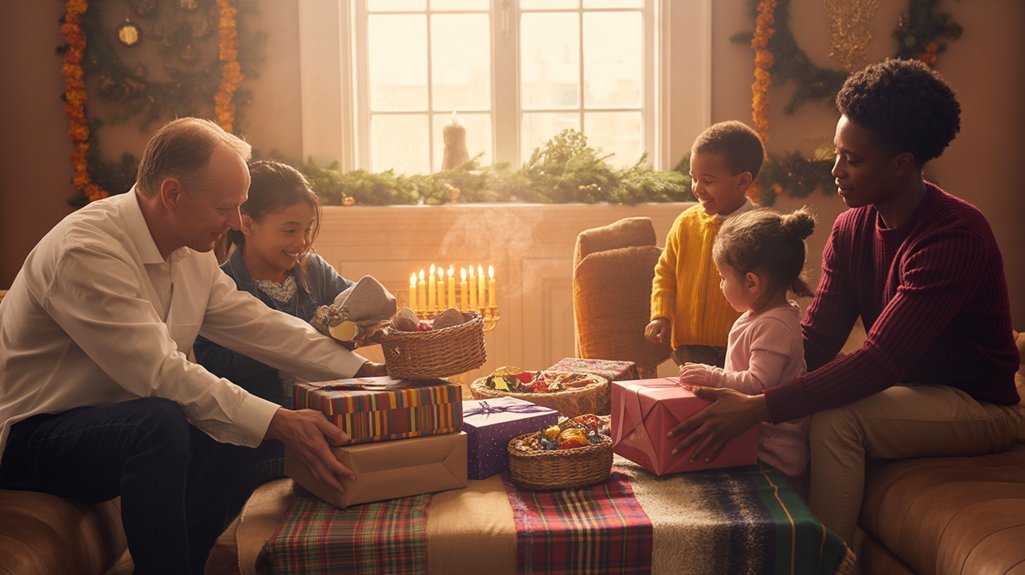
You can make gift time feel special with simple rituals from many homes.
Try “Secret Saints” inspired by Sinterklaas with small notes, sweets, and surprise drops, and add red envelopes for Lunar New Year or Eidi for Eid with kind words and a wish.
Start small, explain the meaning, and let kids help choose who gets what.
Secret Saints and Sinterklaas
Though the names sound playful, Secret Saints and Sinterklaas carry deep meaning and simple joy. You give quietly. You notice needs. You share hope.
In Secret Saints exchanges, you draw a name, watch closely, and offer small, caring gifts. In Sinterklaas celebrations, you leave shoes by the door, tuck in kind notes, and share spiced cookies. You serve with heart. You build trust. You make room for shy smiles.
- Choose a theme: warmth, creativity, or service. Set a small budget and add one handmade touch.
- Observe gently. Listen for hints. Gift useful, comforting things—tea, gloves, a note.
- Write a playful poem or riddle. Keep it kind. Add a small treat in a shoe.
- End with thanks. Reveal yourself with grace. Invite others to join next year.
Red Envelopes and Eidi
Here’s how to serve well.
1) Learn the why.
- Eidi significance: elders share joy, youth receive hope.
- Red envelope etiquette: crisp bills, not coins; avoid fours; use both hands.
2) Prepare with heart.
- Set a simple budget.
- Write a kind note.
- Offer a sweet or tea.
3) Give with respect.
- Wait for the right moment.
- Face the child. Meet their eyes.
- Say a short blessing.
4) Invite connection.
- Ask elders to share stories.
- Let kids give, too—drawings, hugs, thanks.
Small gifts. Big dignity. Lasting bonds.
Midnight and Morning Rituals: Blending Timelines
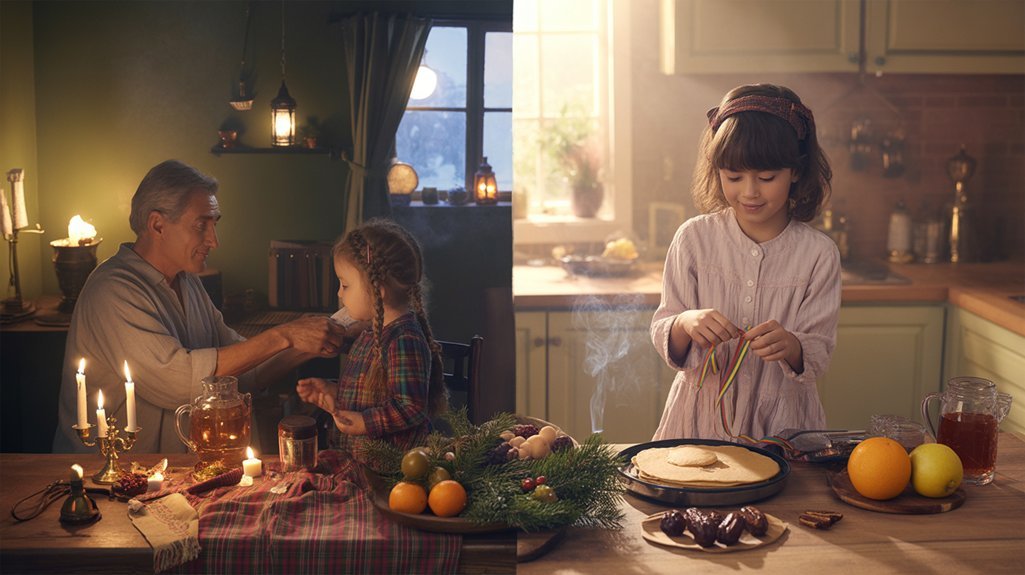
While the clock slips from night to day, traditions can meet in the soft middle. You can weave midnight blessings with morning gratitude so everyone feels seen.
Keep it simple. Keep it kind. Serve with small, steady acts. A candle lit at 12. A warm tea at dawn. You’ll guide hearts through the dark and into light with care and calm.
Keep it simple, kind, and steady—midnight candle, dawn tea, guiding hearts from dark to light.
- Set a shared time: choose a gentle midnight moment for blessings, then greet sunrise with thanks. Keep both brief, clear, and welcoming.
- Create touchstones: a song, a scent, a shawl. Small signals say, “We belong.”
- Assign roles: kids bless the home, elders bless the hands, you bless the table.
- Prepare give-and-help kits: notes, fruit, and warm drinks for neighbors before bed and at first light.
Year-End Reflection and Blessings From World Traditions
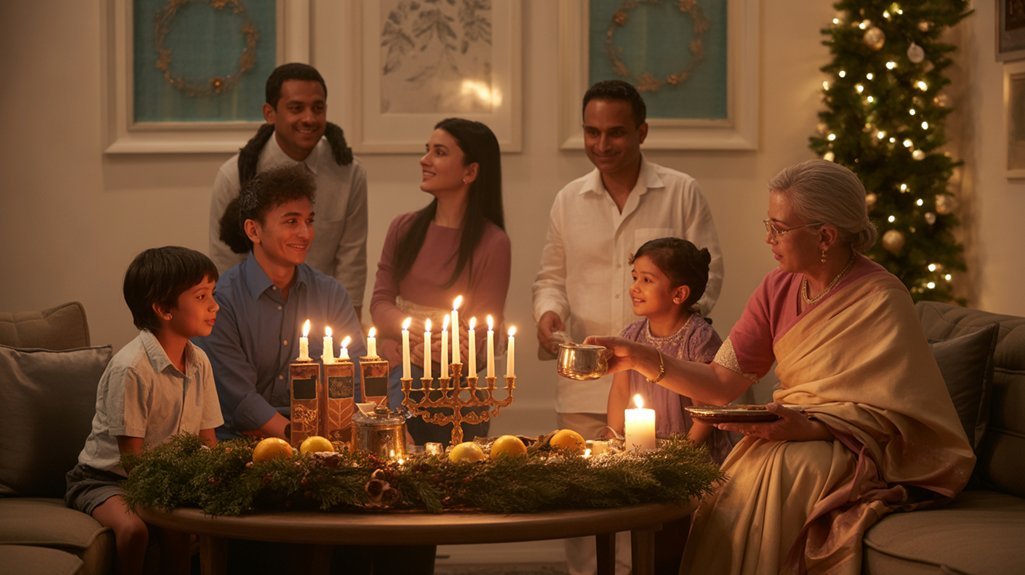
Because the year’s edge invites both memory and hope, you can gather small blessings from many places and make them your own.
You serve others best when you pause, breathe, and name what mattered. Let year end gratitude guide your plans and your care.
Try this simple flow:
1) Light
- Candle, lantern, or porch light.
- Say one thank-you.
- Offer one wish for someone else.
2) Words
- Two cultural reflections from elders or books.
- One line you’ll carry forward.
3) Action
- A small gift: soup, note, or ride.
- A promise you can keep this week.
4) Cleanse
- Sweep the doorway.
- Release one worry. Smile.
5) Bless
- Touch hearts or hands.
- Speak, “May we’ve courage, kindness, and rest.”
You’ll end well. You’ll begin ready.
In case you were wondering
How Can We Respectfully Navigate Differing Religious Beliefs Within One Celebration?
You invite interfaith dialogue, listen first, and set shared values. You practice respectful compromise, rotate customs, and co-create rituals. You ask consent for prayers, offer opt-ins, and spotlight service, ensuring everyone feels honored, safe, and meaningfully included.
What Budget-Friendly Tips Help Include Multiple Cultures Without Overspending?
Craft clever, cost-conscious connections: repurpose décor, rotate dishes, and host potluck plates. You lead cultural crafts from recycled supplies, invite shared storytelling circles, stream global songs, borrow library resources, and schedule skill-swaps—serving everyone while celebrating many cultures without overspending.
How Do We Handle Food Allergies Across Diverse Traditional Dishes?
You create allergy awareness, label ingredients, and invite guests’ needs early. Offer safe stations, separate utensils, and cross-contact training. Prepare food substitutions—gluten-free breads, nut-free sauces, dairy-free desserts—and share recipes. Encourage potlucks with allergen-safe options to honor everyone compassionately.
What Resources Help Pronounce Names and Greetings Accurately?
Use NameShouts, Forvo, and YouTube for name pronunciation; consult Omniglot and Mango Languages for cultural greetings. Like tuning an instrument before a concert, you’ll honor people by practicing. Ask politely, repeat back, and note phonetic spellings.
How Can We Involve Long-Distance Relatives in Shared Traditions Virtually?
Host virtual celebrations with a set agenda, rotating roles, and shared rituals. Send care packages beforehand, synchronize recipes, and co-create playlists. Use breakout rooms for storytelling, record highlights, and assign service-focused challenges to boost family engagement and meaningful connection.
Conclusion
You’ve got this. Start small. Pick one tradition this week: a candle walk, a story swap, or a simple feast. Did you know 72% of families say shared rituals boost their happiness? Yours can too.
Try:
1) One song in another language
2) One dish from a new culture
3) One bedtime blessing
Invite a neighbor. Ask kids to choose. Snap a photo and repeat next year.
Keep it warm, simple, and yours. Little steps. Lasting joy.