17 Playful Money Games for Family Bonding
You want your kids to learn about money without the epic groans, right? Turn it into games. Play Coin Detective with weird coins, run a Grocery Store Challenge with a set budget, or race to fill Savings Jars. Build a simple Family Budget together, then battle it out in an Allowance Auction for screen time. Try a Road Trip Budget Quest, “Entrepreneur for a Day,” and Charity Choice Circle. Stick around and you’ll grab a whole toolkit of fun.
Key Takeaways
- Turn everyday activities like grocery shopping into budgeting games where kids compare prices, track totals, and decide what fits within a shared family budget.
- Use playful at‑home games—DIY dollar store, allowance auctions, and board game banking—to practice spending choices, saving, and basic banking skills together.
- Create chore-to-cash systems and savings jar races so kids link effort to earnings while visually tracking progress toward shared family goals.
- Run “needs vs. wants” relays and spend-save-share sorting games to spark quick, energetic conversations about priorities and responsible money choices.
- Launch simple family businesses or “investment markets,” then debrief profits, losses, and charitable giving to build entrepreneurial thinking and generosity.
Coin Detective

Even if you’re not a “math person,” you’re about to turn loose change into a full‑on mystery game with Coin Detective.
First, dump every coin in the house on the table. It’ll sound like tiny thunder. Hand everyone a bowl and say, “Find the weirdest coins you can.” Date from the year you were born? Bonus point. Odd picture? Bonus point. Super shiny? Obviously magic.
You’re mixing coin collecting with pure treasure hunting. You look up each coin together: what year, what place, what it might be worth.
Then you build a “case file” for the coolest ones using sticky notes or index cards. By the end, your family’s yelling, trading, and arguing over nickels like they’re rare diamonds. Money never felt this fun.
Grocery Store Challenge

Your kids are now coin experts who’d sell you a nickel for twelve bucks, so let’s take those money skills out into the wild: the grocery store.
Turn your tiny coin shark loose in the wildest money classroom: the grocery store aisle
Before you go, hand your child a small list and a set amount of cash. That’s their mission money. Talk about grocery budgeting in simple terms: “We have ten dollars. We can’t spend eleven.”
Then hit the aisles together. Let your kid compare prices, read tags, and hunt for sales like a tiny bargain ninja. When they beg for cookies, ask them to check if it fits the budget or if a swap for healthy choices like apples or yogurt works better.
Celebrate wins, laugh at mistakes, and show receipts like victory trophies for the whole family.
Savings Jar Race

Some families have game night; you’re about to have money-race night. Grab a few empty jars and tell everyone, “First jar to fill wins!” Name each jar: bike, beach trip, new board game, whatever makes your crew yell, “Yes, please!” Then let the chaos begin.
You set rules and savings strategies. Maybe kids toss in coins every time they finish homework, do chores the first time you ask, or catch you scrolling instead of working. Fair’s fair.
Next, unleash jar decorations. Stickers, markers, glitter—go wild, but maybe not glitter if you like your vacuum.
As the jars fill, kids see money grow in real life. When a jar hits the line, celebrate big and enjoy that goal together. Make a huge deal about winners.
Family Budget Builder

Those jars are awesome for one goal at a time, but now it’s time to run the whole money circus.
Tonight, you’re building a Family Budget Builder with your crew. Grab snacks, paper, and loud opinions.
First, list your money coming in. Then ask, “Where should it go so we’re not broke by Thursday?” That’s where budget categories jump in.
- Musts: Rent, food, lights. Boring, but vital.
- Goals: Debt, savings, big dreams like a beach trip.
- Fun: Treats, games, pizza nights, small but loud joys.
- Give: Gifts, charity, helping friends a little.
Now argue, laugh, and rank your financial priorities.
When kids fight for pizza money, you’ll see what really matters. Write it down, stick it up, and high-five yourselves.
Allowance Auction
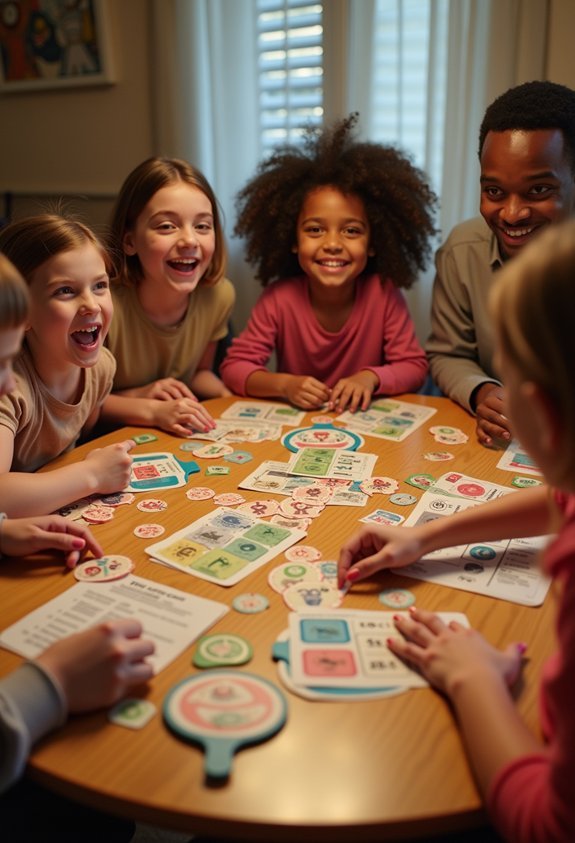
Before anyone rolls their eyes at “family meeting,” flip it and tell them you’re hosting an Allowance Auction tonight. You’re not nagging about chores; you’re running a full-on money showdown.
Give each kid pretend dollars based on your usual allowance strategies. Then lay out what’s up for grabs: extra screen time, picking dessert, skipping one chore, sitting in the front seat, choosing Saturday’s activity. They lose their minds.
Explain the rules fast. Kids study their bidding options and decide what matters most. Want movie night control? Bid big. Don’t care about dishes? Save your cash for something better.
After each win, ask why they spent that way. You’re basically teaching priorities… while everyone’s laughing. No eye-rolls, just drama, strategy, and surprisingly deep money talks.
Spend, Save, Share Sorting Game
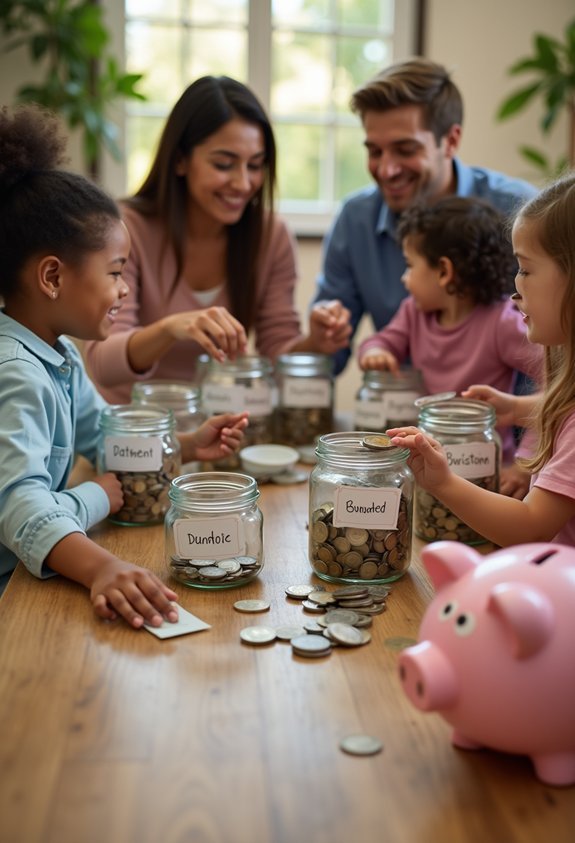
Your kids just battled it out in the Allowance Auction, so now you’ve got the perfect excuse to ask, “OK, what happens to that money next?”
Enter the Spend, Save, Share Sorting Game—aka the moment your kids realize money isn’t just for slime, snacks, and in-app garbage.
Watch them discover money can spark goals, generosity, and dreams way bigger than slime and screen add-ons
Grab three jars and label them Spend, Save, Share. Then hand over their auction cash and let them sort it. As they argue with themselves, you’ll see their spending habits explode into the open.
Talk out loud:
- What do you want right now?
- What’s worth waiting for?
- Who could use some help?
- How will this choice feel tomorrow?
You’re sneaking in financial literacy while they test savings strategies and hilarious, generous sharing values.
Board Game Bankers

Once the jars are stuffed and everyone’s drunk with power from their new “wealth,” it’s time to turn game night into a full-on money lab with Board Game Bankers.
Grab any classic board game with money—Monopoly, Life, whatever—and make each kid take turns as the banker. You’re not just handing out cash; you’re secretly teaching banking basics.
Have them collect “paychecks,” pay bills, give change, and track balances on a simple sheet. If they mess up the math, boom—family audit.
Laugh, fix it, try again. You’ll see their confidence grow fast, and they’ll see that financial literacy isn’t some boring adult thing—it’s just part of playing the game well.
Plus, you get to yell, “Bank error in my favor!” every time they miscount your money.
DIY Dollar Store

Some families go to Target for fun; you’re about to open your own tiny store in the living room. Grab play money, baskets, and anything not nailed down. Boom—DIY Dollar Store.
You set prices: every item costs one pretend dollar. Kids become shoppers, you’re the cashier, and suddenly toothpaste is a hot luxury item.
Stock your shelves with:
- School snacks and random pantry treasures
- Old toys that feel “new” when they’re for sale
- Dollar decor from last year’s party bin
- Simple budget crafts, like markers, stickers, and tape
Ring up totals, count change out loud, and “close” when shelves are empty. Kids learn to add, compare prices, and stick to a tiny budget—without whining. Almost. Most times. Sometimes they riot.
Needs vs. Wants Relay

Cash register closed, it’s time to see if your tiny shoppers can tell the difference between “I’ll actually survive” and “But I neeeeeed it.”
Needs vs. wants becomes a full-on relay race. You line up cards or objects: water, shoes, internet, glitter slime, cookies, a pet dragon plush. Kids sprint, grab an item, and tag the side of the room they think it belongs on: Need or Want.
Then you pause for a quick necessity evaluation. Can we live without glitter slime? Sorry, yes. Internet? Ouch, but still yes. You guide them through desire distinction with real talk: “Need keeps you healthy and safe. Want makes life extra fun.”
Expect drama, protests, and very passionate speeches for cookies. Let them argue; money lessons stick.
Chore-to-Cash Match-Up

Three words your kids need to hear: money beats whining. In Chore-to-Cash Match-Up, you turn nagging into a money game. You post a list of chores on the fridge and give each one a price tag. Suddenly you’re not begging; you’re hiring. Kids learn that effort brings chore rewards, not magic.
Turn nagging into a paycheck: hire your kids, price the chores, and watch effort beat entitlement
Here’s a simple way to run it:
- List chores with clear prices: $1 for dishes, $2 for bathroom, $3 for yard work.
- Set daily earning limits so your wallet doesn’t cry.
- Pay in small bills so kids feel the cash incentives stack up.
- Hold “payday” once a week, and review what they did well, missed, or tried to “speed-run.”
Then celebrate, brag and laugh at the chaos together loudly.
Investment Simulator for Kids

Once your kids get hooked on chore money, it’s time for the plot twist: “What if your dollars could have little dollar babies?”
That’s where an Investment Simulator for Kids comes in. You set up a fake “family market” with simple choices: lemonade stand, pet-sitting biz, or a “boring but safe” savings account. They pick where to “invest” their chore cash.
Each week, you update results. Some ideas boom, some flop, and you talk through why. That’s how investment strategies stop feeling like Wall Street magic and start feeling like picking teams at recess.
You sneak in financial literacy while they’re busy yelling, “My pet-sitting stock is crushing your lemonade!” They’ll learn risk, patience, and not freaking out.
That’s real-life money superpower training today.
Price Is Right Family Edition

Even if your kids have never seen the game show, you can still turn your kitchen into “The Price Is Right: Family Edition” and it’s hilarious.
Grab random stuff: cereal, soap, that mystery can no one claims. Put it all on the table and announce dramatic game-show mode. Everyone guesses the price without going over. Closest wins.
Here’s the twist: sneak in real lessons on family pricing and budgeting strategies:
- Guess the total bill for tonight’s dinner.
- Pick the cheapest brand that still tastes good.
- Build a “snack cart” under a fake $10 budget.
- Compare store brand vs name brand savings.
Talk trash, cheer loudly, and let kids see how every small choice changes the final bill for you.
Money Memory Match

After all that “Price Is Right” chaos, you can switch gears to a game that’s quieter… but still attacks your brain: Money Memory Match.
Grab index cards and write money terms on half, with matching meanings or pictures on the rest. Things like “interest,” “savings,” “rent,” even “broke.” Shuffle, lay them face down, and take turns flipping two at a time. If they match, you keep the pair and explain the word in your own way.
Mess up, and everyone yells a fake game-show buzzer. You’re not just playing; you’re building real financial literacy, memory skills, and inside jokes. Plus, kids love beating adults when they remember “debit card” before you do.
Warning: they’ll start correcting how you talk about money at the store.
Road Trip Budget Quest

Before you toss everyone in the car with snacks and vibes, turn that road trip into a full-on Budget Quest. You set a total budget, then make the kids your co-pilots of cash. Explain what gas, food, and “emergency slushies” might cost. They help plan stops and compare prices, like tiny, loud accountants. Use simple road trip budgeting rules so everyone knows the limits but still feels free.
1) Pick a trip budget and write it on a big sticky note.
2) Guess each cost, then do real travel expense tracking with receipts.
3) Let kids decide between snacks now or souvenirs later.
4) Celebrate leftover money with one silly, guilt‑free treat.
On the drive home, talk about what worked, what flopped, and what you’d change next time.
Entrepreneur for a Day

On a random Saturday, turn your kid into a full-on entrepreneur and yourself into their slightly underpaid business partner. Start by asking, “What could people actually want to buy from you today?” Maybe it’s lemonade, pet rock art, or backyard soccer coaching.
Then help your kid do simple market research, like checking what neighbors already sell and what prices they charge. Together, sketch a tiny business plan: goal, supplies, price, and how you’ll spread the word.
Hand them a notebook as their “CEO clipboard.” You’re the helper, not the boss, so let them pick weird ideas and learn from flops.
End the day by counting profits, losses, and hilarious mistakes. Ask what they’d change next time, and celebrate every bold, messy, money-making experiment together.
Charity Choice Circle

Sometimes money feels the most magical when you give it away on purpose. In Charity Choice Circle, you and your kids become a tiny giving team.
> Turn family time into a tiny giving team, making money feel magical through meaningful generosity.
First, pick an amount—maybe spare change, maybe five dollars. Then everyone suggests a charity organization they care about: animals, playgrounds, hunger, anything that tugs their heart.
Next, sit in a circle and let each person pitch their cause, Shark Tank style, minus the sharks and plus more snacks.
- List three charities and look up what they do.
- Guess how each gift might change someone’s day.
- Vote as a family where the money goes.
- Send the gift and mark the calendar.
Later, check back together and talk about the community impact you helped make happen.
Dream Goal Vision Board Game

Glue sticks, magazine scraps, and way too much glitter—welcome to the Dream Goal Vision Board Game. You spread out old magazines, catalogs, even that random flyer from the pizza place. Everyone grabs scissors and hunts for pictures of things they want: bikes, trips, pets, college, a backyard pool with a slide. That’s dream mapping in picture form.
Next, you glue everything onto one big family vision board. While you build, you talk money: How much would this cost? How long would it take to save? What could we cut back on to get there faster?
Suddenly “budget” isn’t a boring word; it’s a treasure map. By the end, you’ve got glitter in your hair and shared goals on paper. It feels exciting, real, possible.
In case you were wondering
How Can We Adapt These Money Games for Teenagers With Part-Time Jobs?
You turn games into simulations: track actual paychecks, set budgeting challenges for bills, savings, and fun money, then compare investment strategies, role-play financial setbacks, and debate trade-offs so teens practice confident, independent decision-making with stakes.
What if Parents Have Different Money Values or Budgeting Styles?
You start by naming your different money values without blame, then compare budgeting styles like experiments, not rules; you invite your teen to notice trade-offs, ask questions, and help design a shared, flexible family plan.
How Much Real Money Should Children Handle During These Activities?
You start with play money, then introduce small amounts of real cash—like coins or a few dollars—based on age appropriateness, your comfort, and your child’s responsibility, gradually increasing amounts as their understanding and self-control grow.
How Often Should Families Play Money Games to See Behavior Changes?
You should schedule money games twice a week; like Atticus patiently guiding Scout, your consistent, playful talks nurture values, while weekly engagement and behavior tracking charts reveal shifts in saving, sharing, and thoughtful spending habits.
How Can We Involve Grandparents or Relatives in These Money Learning Games?
You invite grandparents to co-host game nights, share money memories, and track scores, so they feel valued. Rotate roles, let kids teach rules back, building family inclusion, elder engagement, and deeper respect across generations together.
Conclusion
So now it’s your turn. You can keep treating money like a scary Voldemort subject…or you can grab these games and turn your living room into Hogwarts for dollars. You’re not raising tiny Scrooges or clueless shopaholics—you’re raising heroes who know how money works. Start with one game tonight. Coins, snacks, chaos. Laugh at the fails, cheer the wins, and watch your family level up like it’s Mario with a savings account.