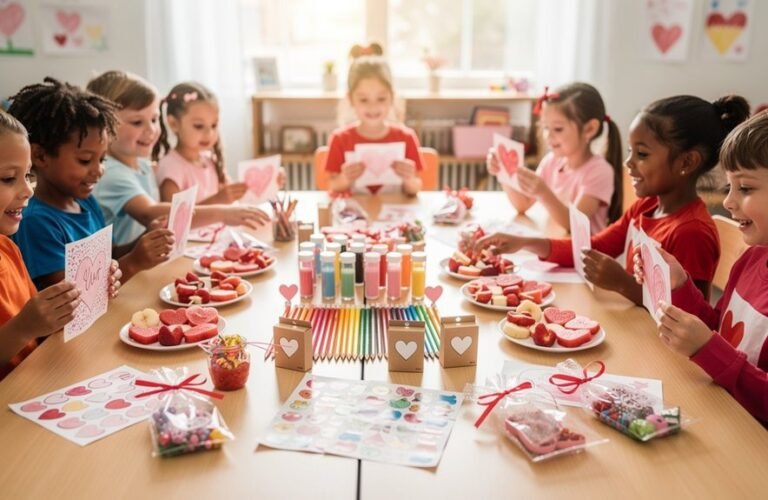
What to Do With 847 Pieces of School Artwork (Without Your Kid Noticing)
Turn your fridge into a tiny “museum” where only a few VIP masterpieces hang, then secretly rotate new art in and old art out. Retire extras to a hidden archive box in a closet. Snap photos (or scan the best stuff), then quietly recycle the glitter explosions. Later, turn favorites into gifts, books, or wrapping paper so it feels special, not sad. And if you want a sneaky system that actually lasts, you’re about to get it.
Key Takeaways
- Turn part of the fridge into a rotating mini gallery, quietly replacing older pieces with new ones and snapping photos before you swap.
- Create a labeled “archive box” hidden in a closet, periodically moving overflow art there without fanfare for later review.
- Digitize artwork by photographing or scanning, organizing files by child and date, then discreetly recycle most originals.
- Transform standout pieces into gifts, framed decor, or photo books so a few favorites become visible keepsakes instead of piles.
- Stealthily repurpose drawings as wrapping paper, bookmarks, or craft material, giving the art a second life while reducing clutter.
Turn the Fridge Into a Rotating Mini Gallery
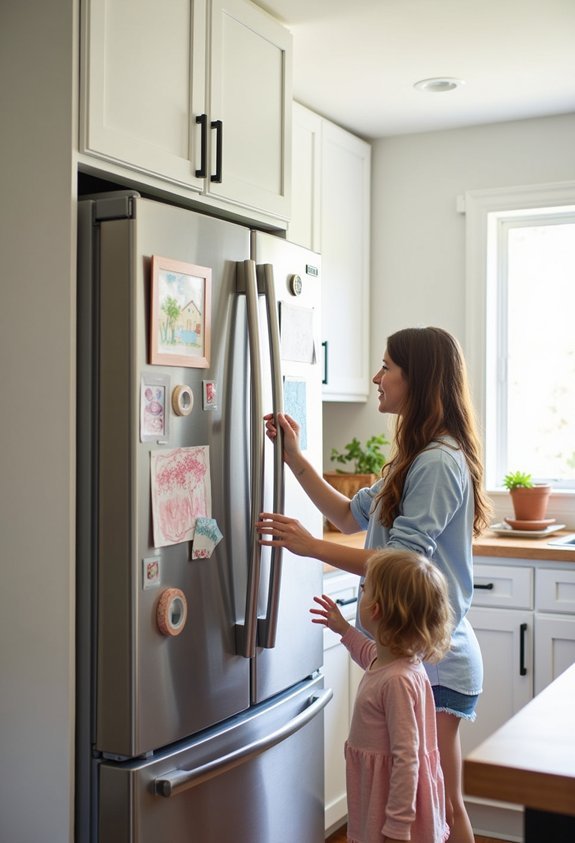
Let’s be honest: if you’ve got kids, your fridge is probably already a chaotic art museum with snack fingerprints.
So let’s upgrade it from chaos to “wow.” First, claim the fridge door like it’s prime downtown wall space. Pick one zone for your official mini gallery and keep everything inside that border.
Use fun magnets, washi tape, or cheap frames so pieces feel special, not slapped up. For simple fridge organization, set a rule: when a new masterpiece goes up, an old one comes down. No guilt, just rotation, like a classy museum with more string cheese.
Talk through the swap with your kid, brag on their work, and let them help pick what’s “on display” next. Take a picture before anything ever disappears.
Create a Secret “Archive Box” System
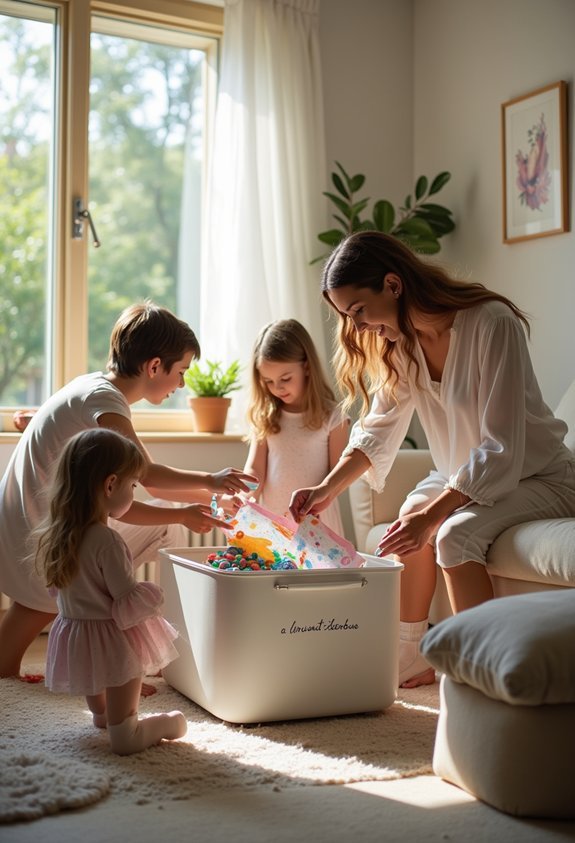
One simple trick saves your sanity and your kid’s feelings: a secret archive box.
You pick a sturdy bin, label it with their name, and stash it in a closet like it’s top-secret treasure.
Every few weeks, when the fridge gallery starts to overflow, you quietly “retire” pieces into the box.
No ceremony. No guilt. Just swoop and tuck. This is your archive organization in beast mode.
Broken macaroni frame? Toss. Sweet rocket ship drawing? Archive.
The box turns chaos into sentimental storage, not a paper avalanche.
> One simple box turns kid-art chaos into curated memories instead of living under a paper avalanche.
Later, you can sit with your kid, open the time capsule, and choose a few true legends to keep.
The rest? You’ll feel weird for three seconds, then deeply free.
Future you’ll send grateful thank-you notes.
Snap, Scan, and Save: Going Digital Without the Drama
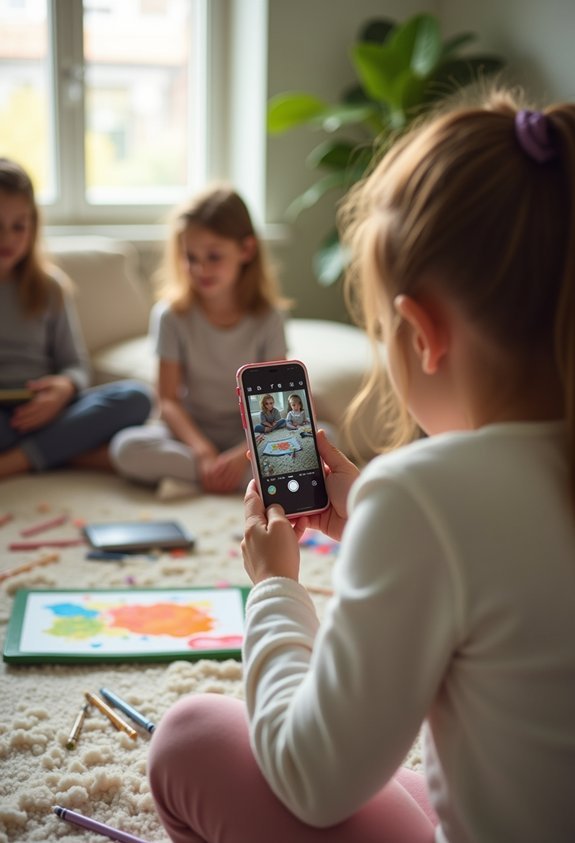
Before the art pile swallows your dining table whole, it’s time to recruit your phone as your new art assistant. You’re not throwing memories away; you’re just moving them to the cloud, like tiny VIPs with better seating.
Here’s how to turn chaos into digital organization without tears (yours or theirs):
- Snap each masterpiece in good light. Don’t overthink it. Crayons, glitter blobs, all of it.
- Use a scanning app for the “important” stuff: report covers, comics, epic dragon scenes.
- Create folders in your photo storage by child, grade, and month so you can actually find things later.
- Let your kid help tap the button. They feel involved, you feel less guilty about recycling the paper pile at the end today.
Transform Favorites Into Gifts, Books, and Decor
Two magic words for surviving the art avalanche: use it.
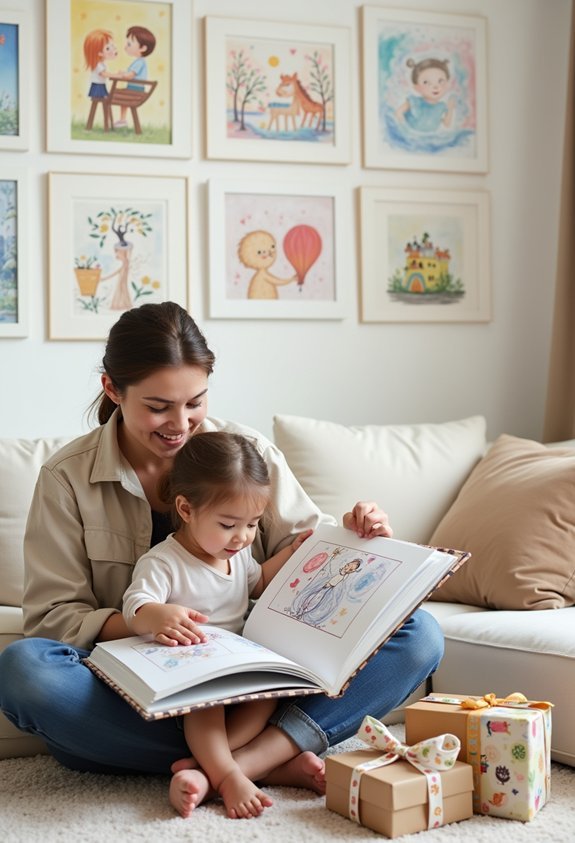
Stop stuffing masterpieces in a drawer like witness protection. Pick the top ten and turn them into art gifts. Grandma gets a mug with the wonky rainbow. Uncle Dan gets the superhero potato print on a notebook. Suddenly your kid’s doodles are family treasures, not clutter.
Next, make memory books. Snap photos of flat pieces, then build a simple photo book online. Add quick notes: “age 5, obsessed with sharks” or “the glitter month.”
You’re turning piles into a story you can actually flip through.
For decor, frame a few bold pieces and hang a rotating “gallery wall.” Your kid beams with pride, guests laugh, and your fridge finally breathes again at last, friend.
Reuse, Repurpose, and Recycle Like a Stealthy Pro
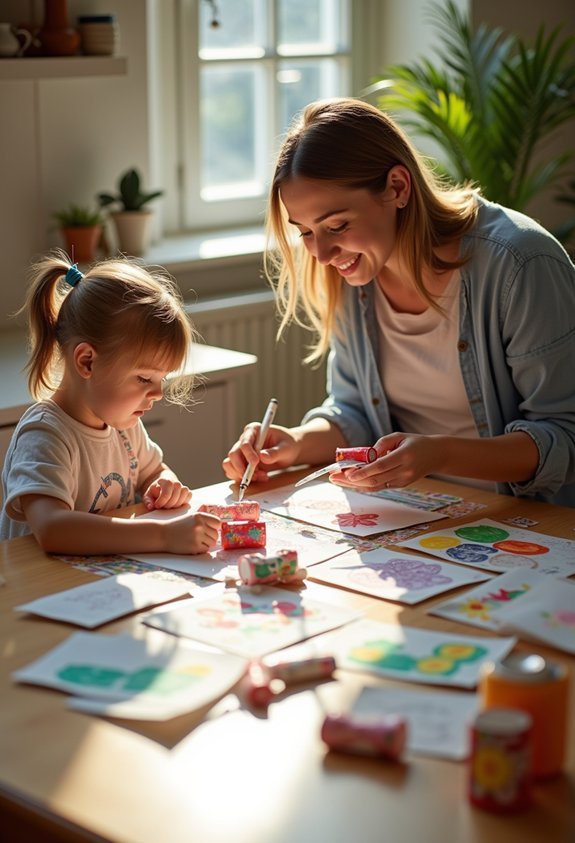
Even after you’ve made gifts and books and a whole “gallery wall,” the art pile still somehow breeds at night, so it’s time to go stealth mode: reuse, repurpose, recycle. You’re not trashing memories; you’re running a tiny art factory.
Stop drowning in kid art—go stealth mode and turn the chaos into a tiny art factory
- Turn drawings into wrapping paper. Birthdays, holidays, random Tuesday gifts—boom. Cute, free, and Grandma cries happy tears.
- Cut favorite bits into bookmarks or labels for bins, school folders, snack jars. Fancy organizer, zero dollars.
- Host art supply swaps with other parents. Trade stacks of doodles for glue sticks, googly eyes, and fresh paper.
- Use old pieces as backgrounds for new “creative collaborations.” You add stickers, your kid adds scribbles, and suddenly it’s “modern art.” Less clutter, more glory, zero guilt.
Build Simple Rituals So Letting Go Feels Normal
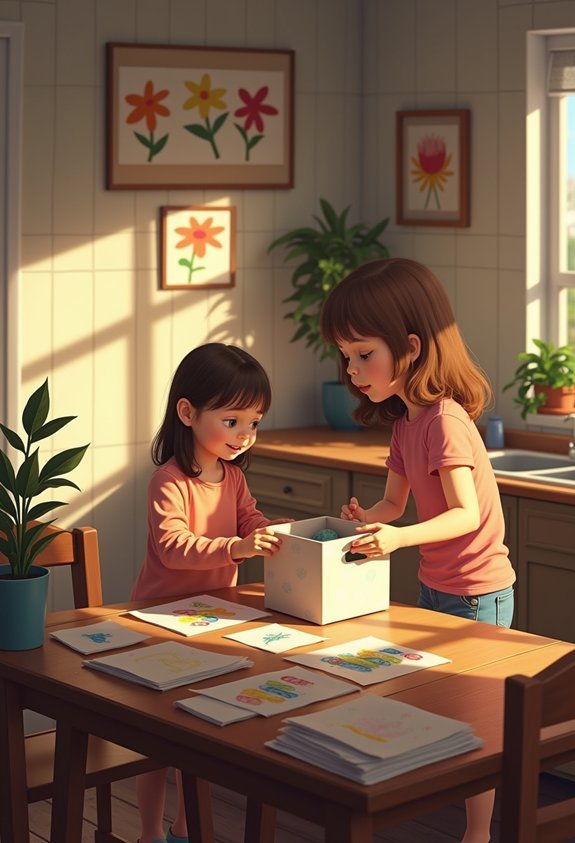
At some point, you’ve gotta stop treating every scribble like it’s going to the Louvre and start building tiny “goodbye” habits so tossing stuff doesn’t feel like betrayal.
Start with a weekly “art show” night. You and your kid lay everything out, cheer like wild fans, and talk about what they made. That’s art appreciation, kid-style. Then you pick a few favorites to keep or photograph.
Next, add a simple goodbye line: “We loved this, now it did its job.” Drop the rest in a bin together. No sneaking, no drama. You protect the emotional connection, but you teach that not all art lives forever.
Over time, these tiny rituals turn throwing things out into normal life, not heartbreak. Everyone breathes easier at last.
In case you were wondering
How Do I Talk to My Child if They Notice Artwork Is Missing?
You stay calm, thank your child for noticing, and start honest artwork conversations. Explain you can’t keep everything, but you treasure their creativity. Invite them to choose favorites to display, managing expectations gently at home.
What’s a Polite Way to Decline More Artwork From School or Caregivers?
You can say, “We’re setting artwork limits to keep our space calm, but we treasure what you send.” Research shows clutter boosts stress for 60% of families, so you’re honoring respectful boundaries and everyone’s wellbeing.
How Long Should I Keep Especially Sentimental Pieces Like First Drawings or Cards?
Keep them as long as they carry sentimental value and help you see your child’s artistic evolution. You might curate yearly, photographing everything, saving only pieces that still move you deeply when you revisit them.
How Do I Fairly Manage Artwork When I Have Multiple Children?
You manage multiple kids’ artwork by rotating display time, involving them in sharing responsibilities, and creating schedules together; since 73% of children feel happier when life’s predictable, you’ll balance fairness, reduce clutter, and honor creativity.
What if My Child Refuses to Let Go of Any Artwork at All?
You validate your child’s artistic attachment first, naming the emotional expression in each piece, then invite collaboration: photograph favorites, create rotating displays, and store a limited collection together so your child feels respected and secure.
Conclusion
Now you’ve got a game plan worthy of Hermione’s homework planner. You can honor the masterpieces, ditch the guilt, and still see your fridge door. You’ll rotate, snap, gift, and recycle like a sneaky art ninja, while your kid thinks everything is still “saved forever.” Spoiler: it’s not, and that’s okay. You’re teaching them memories live in stories, not just stacks of paper. So grab a bin, a scanner, and your courage. Time to curate.