Why Kids Love Growing Their Own Gardens
Kids love growing their own gardens because it’s a full-body adventure. They get their hands dirty, watch tiny seeds transform into real plants, and discover fascinating creatures like worms and ladybugs. Gardening teaches patience as they care for something daily and rewards them with the pride of harvesting food they grew themselves. It’s a screen-free way to spark curiosity and build confidence—and there’s so much more to explore.
Key Takeaways
- Messy play with soil and plants builds sensory awareness while providing a peaceful escape from digital devices.
- Watching seeds sprout teaches patience and rewards children with pride when their daily care produces visible results.
- Exploring garden creatures with magnifying glasses sparks curiosity about biodiversity and how ecosystems work.
- Having their own garden space gives children confidence, independence, and valuable learning experiences from mistakes.
- Sharing harvests and cooking homegrown ingredients creates family bonding, teaches generosity, and builds community connections.
The Joy of Getting Dirty and Hands-On
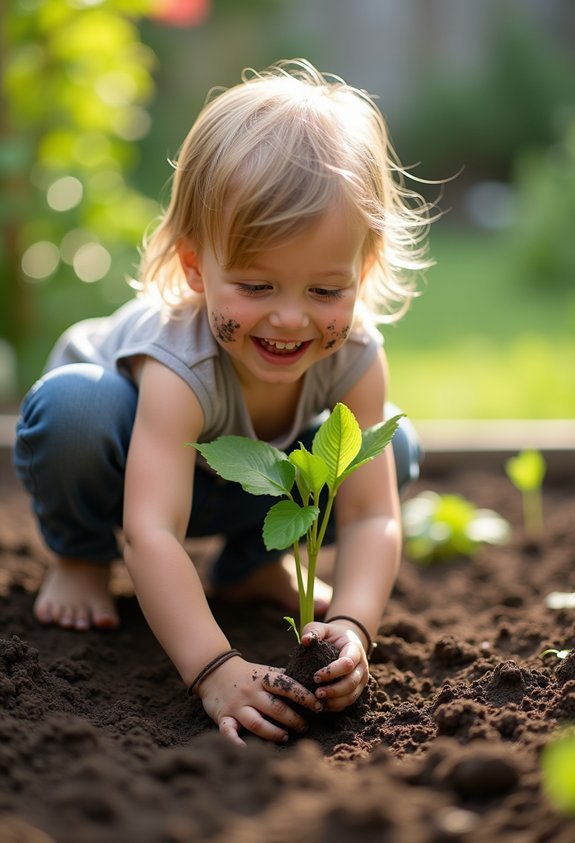
When kids dig their hands into cool, damp soil, something magical happens. They connect with nature in a real, powerful way. You’ll notice your child’s eyes light up during this tactile exploration.
Why messy play matters:
- It builds sensory awareness
- It reduces stress and anxiety
- It sparks curiosity about living things
Don’t worry about muddy fingers or grass-stained knees. These are signs of healthy learning. Your child is discovering textures, temperatures, and the thrill of creating something alive.
Try this: Let them squish soil between their fingers. Have them feel the difference between dry and wet dirt. Watch as they become little scientists.
You’re giving them permission to explore. That’s a beautiful gift.
Watching Seeds Transform Into Living Plants
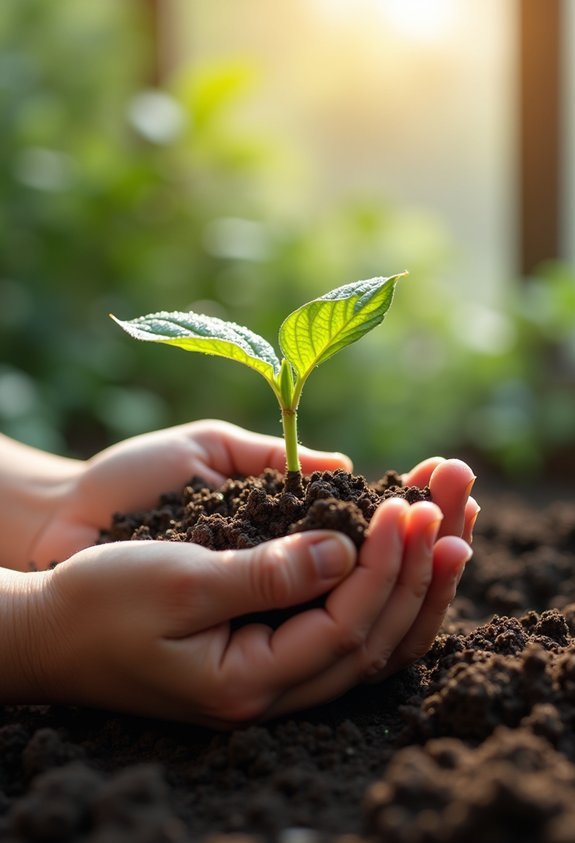
As your child plants a tiny seed and waits for that first green sprout, they’re witnessing one of nature’s most amazing shows. Seed germination feels like magic to young eyes. One day there’s dirt. The next, a tiny green loop pushes through.
This slow-motion plant growth teaches patience in the best way. Your child learns to:
- Check their pot each morning
- Notice small daily changes
- Celebrate every new leaf
Try fast-growing seeds like beans or radishes for quick wins. Kids stay excited when they see results within days.
The pride on their face when that seedling stands tall? Priceless. They made that happen. They gave it water, light, and care. That’s real accomplishment they can see and touch.
Discovering Bugs, Worms, and Garden Creatures
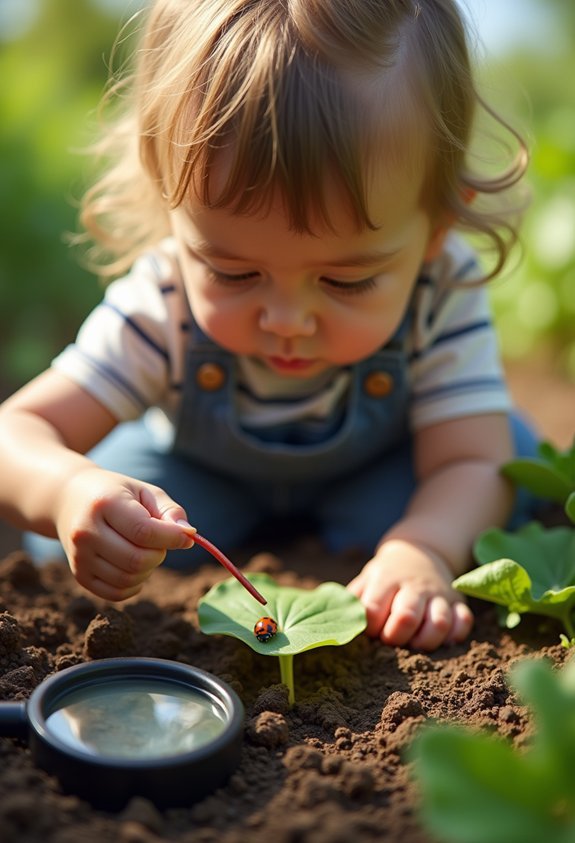
Why do gardens buzz with so much life? Your garden is a tiny world full of amazing creatures waiting to be found.
Bug Exploration Made Easy
Grab a magnifying glass and start your creature observation adventure. You’ll spot:
- Ladybugs hunting tiny pests
- Butterflies sipping nectar
- Busy ants carrying food
Worm Discovery Underground
Dig gently in moist soil. Earthworms are garden heroes. They make dirt healthy for your plants. This ecosystem learning happens right in your hands.
Building Nature Curiosity
Insect identification becomes a fun game. Notice the garden biodiversity around you. Each bug has a job. Each creature matters.
Your wildlife interactions teach you something special. Gardens connect everything—plants, soil, bugs, and you.
Keep watching. Keep wondering. Every worm discovery and beetle sighting makes gardening even more exciting.
Learning Patience Through Daily Plant Care
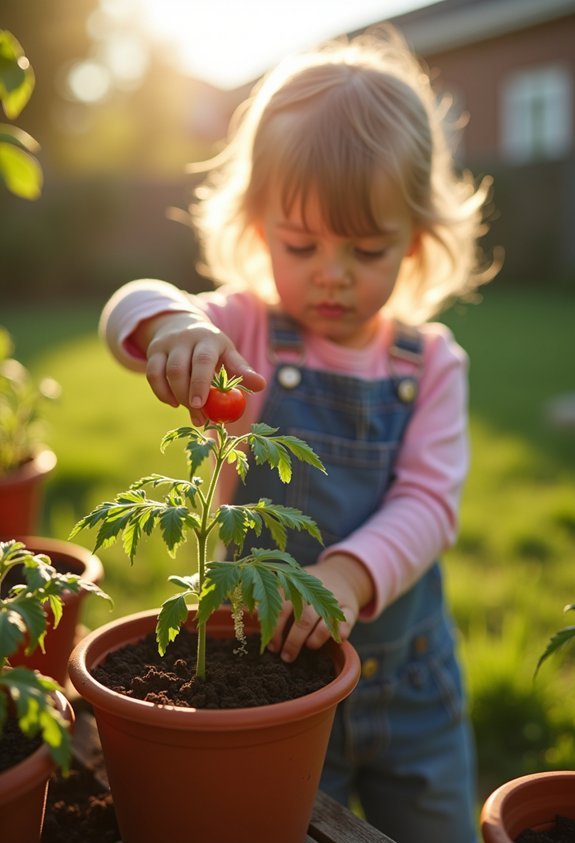
Gardens teach you something screens never can—how to wait. When you plant a seed, nothing happens right away. No instant results. No quick rewards. Just dirt, water, and hope.
This is where the magic starts.
Following planting schedules helps you understand time differently. You check your plants each morning. You water them gently. You watch for tiny changes. These nurturing routines become part of your day.
What daily care teaches you:
- Small efforts add up
- Growth takes time
- Your actions matter
Some days feel slow. That’s okay. Your tomato plant doesn’t rush, and neither should you.
When that first sprout finally pokes through? You’ll feel proud because you earned it. You showed up every day. You waited. And waiting made the reward even sweeter.
The Pride of Harvesting Homegrown Food
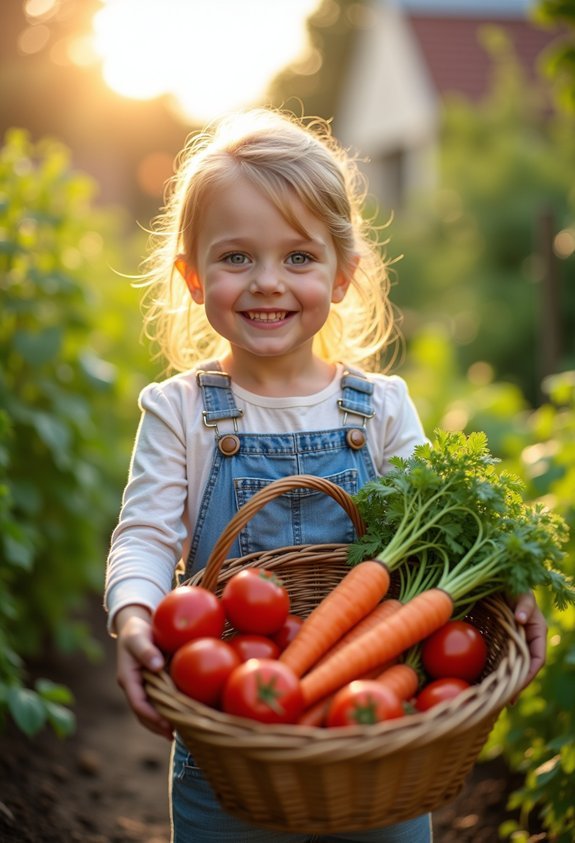
That moment when you finally pick something you grew yourself? It’s pure magic. Your hard work becomes real food you can actually eat.
Harvest celebrations don’t need to be fancy. Even a small tomato deserves a happy dance. You earned this!
Here’s what makes harvesting so special:
Harvesting transforms months of patience into something you can hold, taste, and celebrate as your own creation.
- You see the results of your patience and care
- You feel proud knowing you made this happen
- You connect with your food in a whole new way
Culinary creativity blooms when you cook what you’ve grown. Maybe you’ll toss your cherry tomatoes in pasta. Perhaps you’ll munch carrots straight from the soil.
That pride stays with you. You did something real. You grew food with your own two hands. That’s worth celebrating.
Creating a Special Outdoor Space to Call Their Own
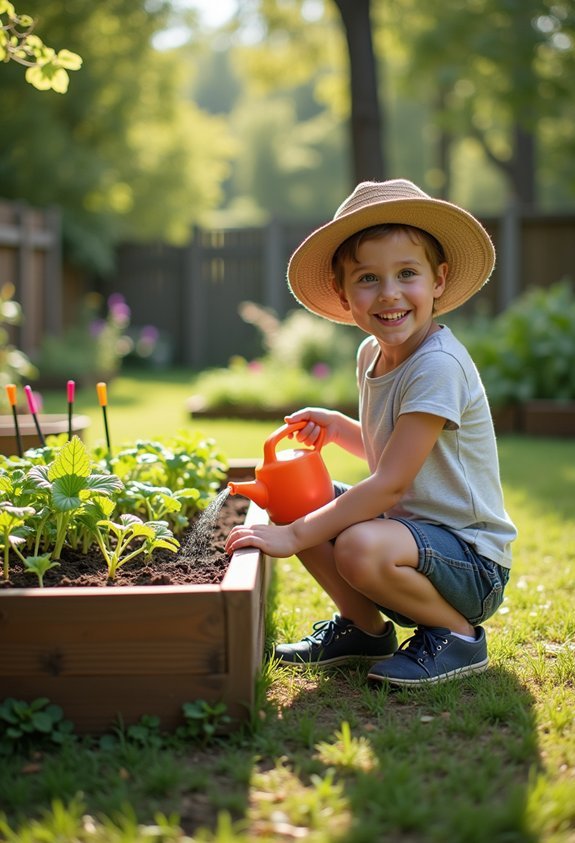
When children have their own corner of the garden, something wonderful happens. They discover a personal sanctuary where imagination runs wild.
Why Their Own Space Matters
- It builds confidence and ownership
- They make decisions without pressure
- Mistakes become learning moments
Simple Ways to Create Their Garden Spot
- Let them choose the location
- Add child-sized tools they can handle
- Include a small bench or stepping stones
- Allow room for outdoor creativity—maybe a painted rock border or handmade plant markers
You’ll notice something special unfold. Your child starts visiting “their” garden without being asked. They check on plants before breakfast. They show every visitor their growing space.
This little patch of earth becomes more than dirt and seeds. It becomes theirs.
Sensory Experiences That Spark Curiosity
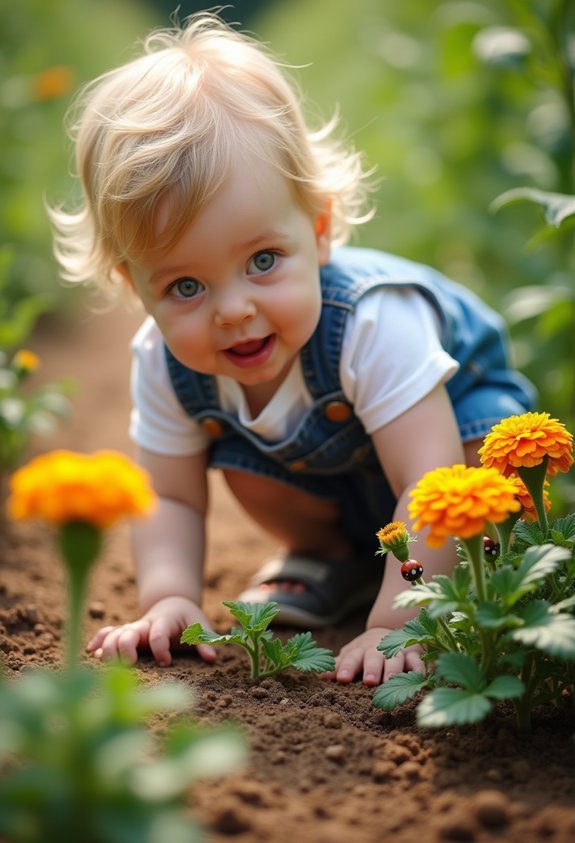
Beyond what they can see, children discover gardens through touch, smell, sound, and even taste. This sensory exploration opens up a whole world of wonder right in your backyard. You’ll notice your child leaning in to sniff flowers or running fingers along fuzzy leaves.
Gardens awaken all five senses, turning your backyard into a living classroom where children explore through touch, smell, and sound.
Gardens offer natural curiosity stimulation through:
- Textures – smooth tomatoes, prickly stems, soft petals
- Scents – mint, lavender, fresh soil after rain
- Sounds – buzzing bees, rustling leaves, crunching gravel paths
Encourage your child to close their eyes and describe what they notice. Ask simple questions like “What does that feel like?” or “Can you hear the wind?” These moments build observation skills and deepen their connection to nature.
Building Responsibility Through Nurturing Living Things
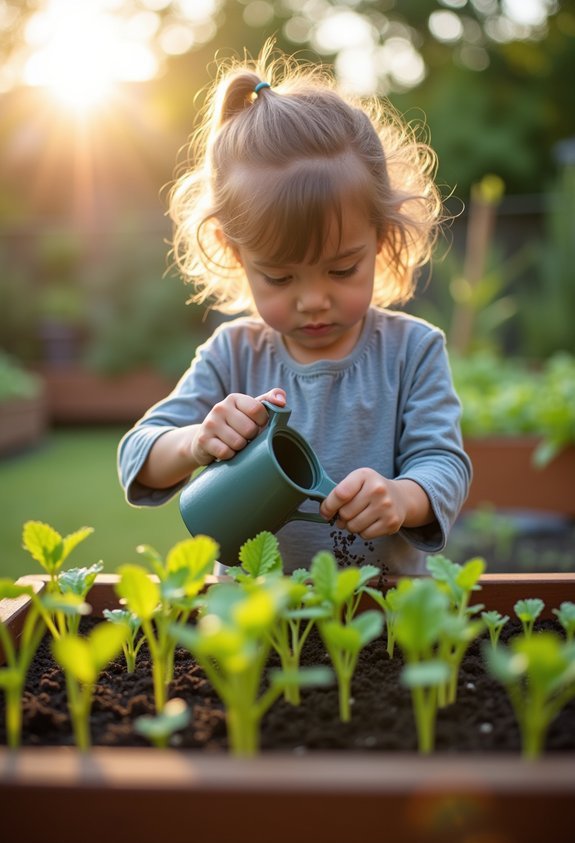
While sensory play sparks wonder, gardening also teaches children something deeper—how to care for something outside themselves.
When your child waters a seedling each morning, they’re building nurturing skills that last a lifetime. They learn that living things depend on consistent care. This responsibility development happens naturally—no lectures required.
Simple ways to encourage ownership:
- Let them choose one plant that’s “theirs”
- Create a simple watering schedule together
- Celebrate growth milestones with photos
You’ll notice something shift. Your child starts checking on their plant without reminders. They feel proud when leaves unfurl. They learn that their actions matter.
This is responsibility in its purest form. Small hands caring for small green things—growing confidence right alongside those roots.
Connecting With Nature in a Digital World
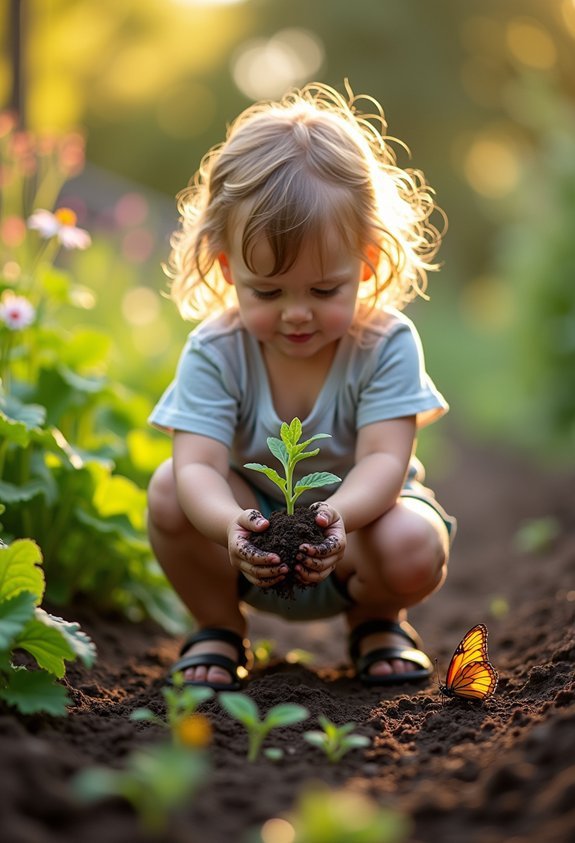
In a world filled with glowing screens and endless apps, gardens offer something rare—a place where children can unplug and truly connect. Nature exploration becomes an adventure when your child digs in real dirt instead of swiping through virtual worlds.
A garden provides the perfect digital detox. Here’s what kids discover when they step outside:
- Real textures—soil between fingers, fuzzy leaves, smooth seeds
- Living sounds—bees buzzing, birds chirping, wind rustling
- Natural rewards—watching a tiny sprout become dinner
You don’t need to ban devices completely. Just offer an alternative that feels exciting. When children grow something alive, they find magic that no app can replicate. The garden becomes their screen-free sanctuary.
Sharing the Harvest With Family and Friends
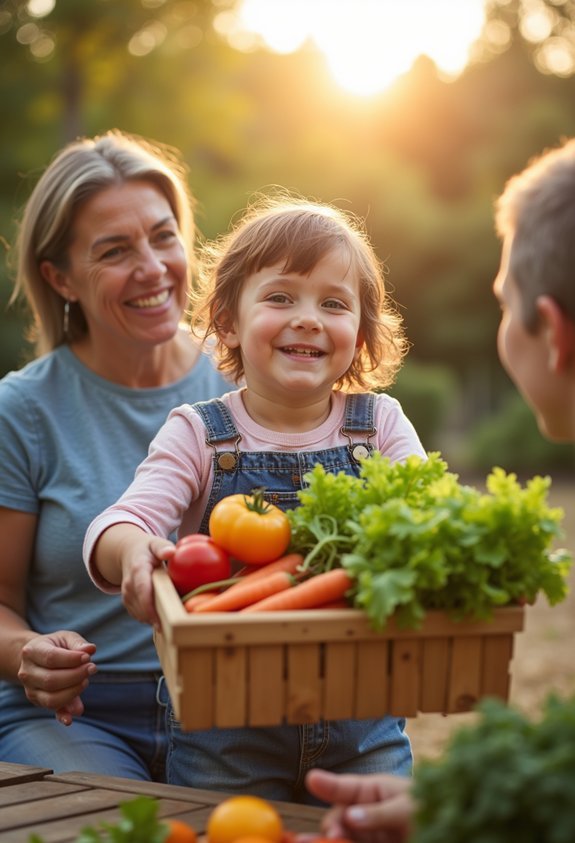
The moment your child picks that first ripe tomato, something wonderful happens—they want to share it. This generous impulse is one of gardening’s greatest gifts.
Ways to spread the joy:
- Host simple garden parties where kids show off their plants
- Let children deliver fresh veggies to neighbors
- Create family recipes together using homegrown ingredients
- Pack extra produce in colorful bags as gifts
When your child hands grandma a basket of beans they grew themselves, you’ll see pure pride in their eyes. They learn that hard work creates something valuable enough to give away.
These shared moments build lasting memories. Your little gardener discovers that the best harvests aren’t just eaten—they’re celebrated together.
In case you were wondering
What Age Is Best to Start a Child’s First Garden?
You can start your child’s first garden as early as age two or three. Age recommendations suggest toddlers enjoy simple tasks like watering, while older kids handle planting seeds. Gardening benefits include teaching responsibility and patience.
Which Vegetables Are Easiest for Beginners to Grow Successfully?
You’ll find easy to grow vegetables like radishes, lettuce, and cherry tomatoes practically leap from the soil! For gardening success tips, you should choose fast-growing varieties that’ll keep young gardeners excited and engaged.
How Much Space Does a Kid-Friendly Garden Need?
You don’t need much space at all! A 4×4-foot area works perfectly for raised beds, or you can try container gardening on a balcony or patio. Start small so kids won’t feel overwhelmed.
What Tools Are Safe for Children to Use While Gardening?
You’ll want child gardening tools like plastic trowels, watering cans, and kid-sized gloves. Safe gardening practices include using blunt-edged scissors for harvesting and avoiding sharp pruners until they’re older and supervised.
How Can Indoor Gardening Work for Apartments Without Outdoor Space?
You can grow herbs, vegetables, and flowers through container gardening on windowsills, balconies, or under grow lights. Indoor plants thrive when you choose compact varieties, use quality soil, and ensure adequate sunlight.
Conclusion
You’ve seen why gardening captures kids’ hearts. The dirt, the bugs, the waiting, the wonder—it all adds up to something magical.
So grab some seeds. Find a sunny spot. Get those hands dirty.
When your child picks that first ripe tomato or snips fresh herbs for dinner, you’ll witness pure pride blooming right before your eyes.
Their garden is waiting. Are you ready to dig in?