Your Child Isnt High Needs ” Theyre Missing These 4 Crucial Skills No One Talks About
Your kid’s not “high needs”; they’re just missing four clutch skills no one bothered to teach them. They don’t know how to handle big feelings, so you get meltdowns over the blue cup. They can’t stay flexible, so one tiny plan change = full drama. They freeze instead of problem-solving, then cling to you because they don’t know how to cope alone. Fix those four, and your “extra” kid suddenly feels a whole lot easier—and that’s exactly what we’re about to do.
Key Takeaways
- Many “high needs” behaviors come from lagging emotional regulation skills, not personality; kids melt down because they’re overwhelmed and lack tools to cope.
- Teaching emotional regulation with simple strategies—deep breathing, naming feelings, physical comfort—can quickly turn explosive crises into manageable moments.
- What looks like stubbornness is often weak flexible thinking; kids struggle to handle changes, transitions, or “no” because they can’t yet shift their mindset.
- Explicitly teaching problem-solving—identify the problem, brainstorm options, test and review—arms kids with a repeatable method for handling everyday conflicts and frustrations.
- Coaching kids to pause, self-soothe, and try solutions before rescuing them builds independence, resilience, and genuine confidence over time.
The Hidden Skill Behind Meltdowns: Emotional Regulation

Even though it looks like your kid is losing their mind over the “wrong” color cup, what’s really going on under all that drama is one big missing skill: emotional regulation.
Your child feels huge waves inside but has no clue what they’re or how to ride them. That’s emotional awareness, and it’s still under construction.
So when the cup is blue instead of red, their brain screams, “EMERGENCY,” and their body hits the panic button. They’re not trying to ruin dinner; they’re trying to survive feelings that feel way too big.
What they really need are simple coping strategies—deep breaths, a hug, a break, words for the storm. When you coach that, the meltdowns slowly shrink from hurricane to heavy rain outside.
Why “stubbornness” Is Often Just Struggling With Flexible Thinking

Big feelings are one thing; now let’s talk about the kids who treat every plan like it’s written in stone and guarded by dragons.
You say, “We’re leaving the park in five minutes,” and your child acts like you just canceled oxygen. That’s not evil plotting. It’s a brain that really struggles to shift.
What looks like stubborn behaviors is often a missing skill: flexible thinking. Your child’s mind grabs one idea and holds on like a bulldog with a steak.
Any change? Instant battle. When you expect a flexible mindset, but they only have “one-track” mode, everyone melts down.
Seeing it as a skill problem, not a character flaw, helps you respond with teaching, not shame. That’s where real change finally starts happening.
From “Helpless” to Capable: Building Real-Life Problem-Solving Skills
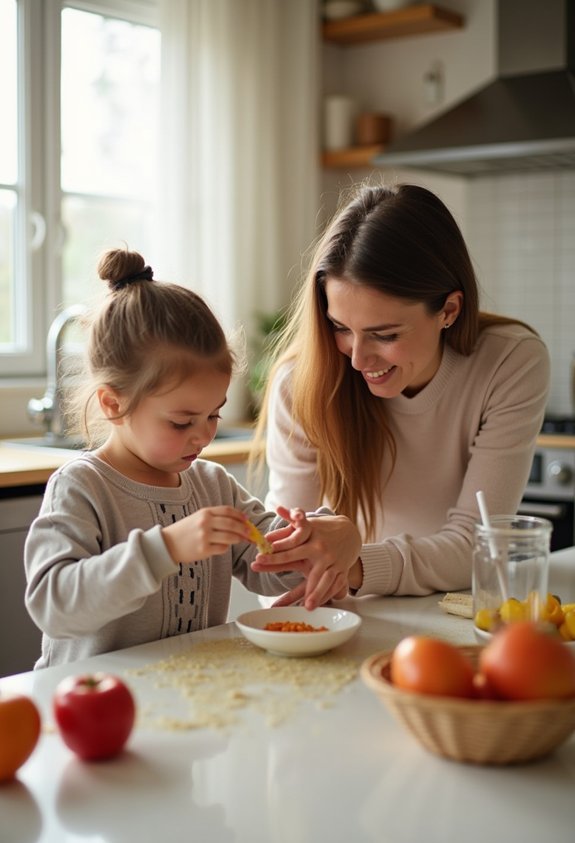
Try walking them through real life scenarios step by step:
- Name the problem. “Your shoe keeps coming undone. Annoying, right?”
- Brainstorm options. Double knot? Different laces? Sit down while tying? Let them pick.
- Test and review. Try the idea, then ask, “Did that work or do we tweak it?”
You’re not raising a robot who follows orders.
You’re coaching a thinker learning real problem solving techniques they’ll use tomorrow and years from now too.
Growing Independence: Teaching Kids How to Cope Without Constant Support

Problem-solving is awesome, but you don’t want to be the on-call help desk for every tiny thing your kid faces.
Growing independence starts when you stop jumping in at every whine. Instead of fixing it, coach it. When your child yells, “Moooom, it’s not working!” you say, “Cool, show me what you tried.” That’s an independence mindset in action.
Stop rescuing every time they whine; coach their effort and watch independence grow.
Teach simple coping strategies: pause, breathe, plan.
Kid loses the Lego piece? Breathe. Check the floor. Check the box. Then ask for help if needed.
Kid’s nervous about homework? Make a tiny plan: one problem, short break, repeat.
You’re not abandoning them; you’re lending your calm brain. Stand close, stay kind, but let them sweat a little. That’s how confidence grows without you doing everything.
In case you were wondering
How Can I Explain These Hidden Skills to Teachers Without Sounding Confrontational?
Explain the hidden skills as observations, not criticisms, and say you’re seeking effective communication. Use “I notice” statements, share examples, invite insights, and emphasize a collaborative approach: “How can we support these skills in class?”
Are There Cultural Differences in How Emotional Regulation and Independence Are Taught to Children?
You see the writing on the wall: cultures differ. Cultural norms and parenting styles shape whether adults stress obedience and harmony or encourage expression, independence, and assertiveness, changing how you support children’s regulation and autonomy.
What Role Do Siblings Play in Strengthening or Weakening These Hidden Skills?
Your siblings shape these hidden skills by offering daily practice in emotional growth and conflict resolution. You watch their role modeling, copy behaviors, push back in arguments, and gradually learn empathy, patience, boundaries, and cooperation.
How Do I Support My Child if I Struggle With These Skills Myself?
Like learning to dance together, you support your child by practicing skills alongside them, using simple parenting strategies, modeling mistakes, celebrating small wins, and viewing your own personal growth as the powerful lesson they’ll see.
Can Screen Time Positively Support These Skills, or Should It Always Be Limited?
Screen time can positively support these skills when you choose interactive content, so you shouldn’t always limit it. Focus on screen time benefits from educational apps, co-view with child, ask questions, and model regulation together.
Conclusion
So no, your kid isn’t “too much.” They’re a rookie driver on a wild brain-highway and nobody gave them a map. Now you know the four big skills: calming big feelings, flexible thinking, real problem-solving, and coping without you glued to their side. Start small. Practice daily life stuff. Celebrate tiny wins like they just landed on the moon. You’re not raising a disaster. You’re building a powerhouse with training wheels.