Why Preschoolers Love These Easy DIY Crafts
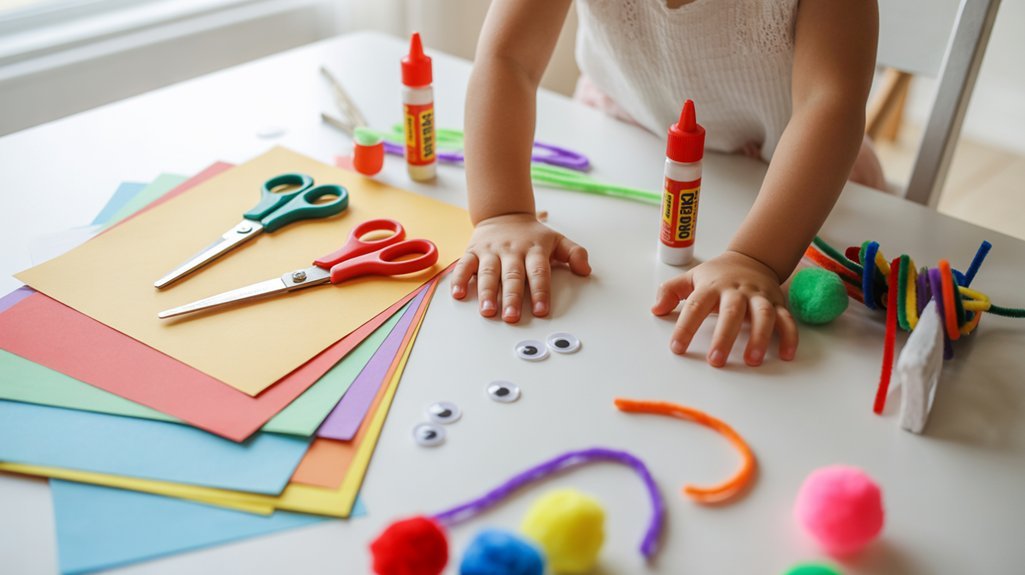
Your preschooler loves easy DIY crafts because they deliver instant results in under 15 minutes, perfectly matching their short attention span. These projects let them make glorious messes without judgment while exploring textures and colors they choose themselves. When they complete something independently, their confidence soars as they prove their growing abilities. The hands-on, multisensory experience with familiar household materials feels safe yet exciting, encouraging them to take creative risks. Understanding these key motivators will help you select projects that truly resonate with your child’s developmental needs.
Key Takeaways
- Quick projects under 15 minutes provide instant results that build confidence and maintain preschoolers’ limited attention spans.
- Messy play with washable materials allows judgment-free exploration of textures, fostering authentic self-expression and creativity.
- Choosing their own colors and materials empowers preschoolers to make independent artistic decisions and strengthen their creative voice.
- Completing crafts independently boosts self-esteem by proving their growing abilities and teaching valuable problem-solving skills.
- Multisensory experiences with familiar household items engage multiple senses while teaching resourcefulness and encouraging experimentation.
Instant Gratification Through Quick and Achievable Projects
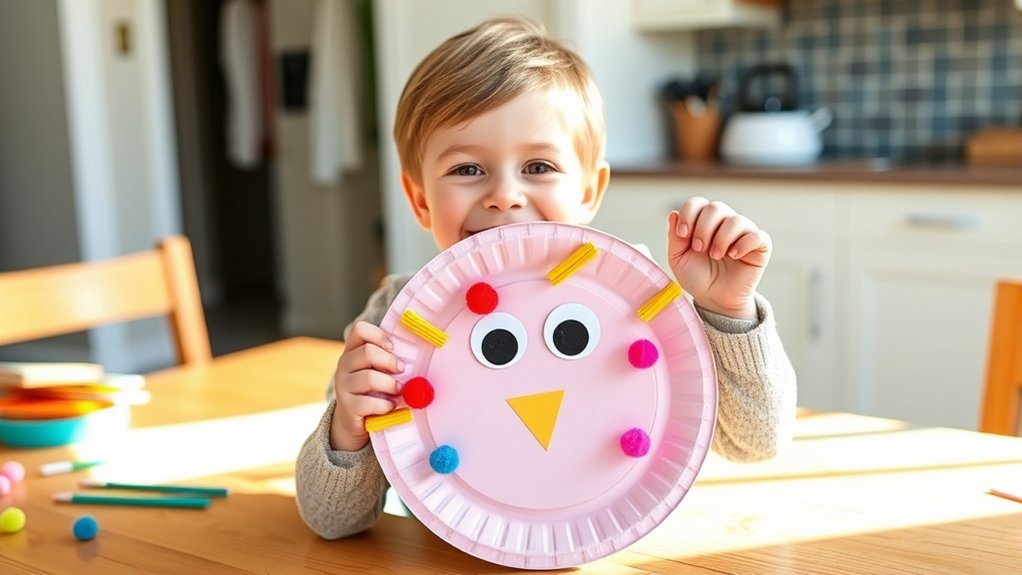
Since preschoolers have limited attention spans, they need projects they can complete in 15 minutes or less. You’ll find that young children thrive when they see instant results from their creative efforts. They’re naturally drawn to activities that deliver quick satisfaction rather than those requiring patience they haven’t yet developed.
When you choose fast-paced crafts, you’re setting your preschooler up for success. Simple projects like paper plate masks, finger painting, or sticker collages let them transform basic materials into finished creations quickly. This immediate accomplishment builds their confidence and keeps them engaged.
You’ll notice they’re more eager to try new activities when they know they won’t lose interest halfway through. Quick wins make crafting enjoyable rather than frustrating, encouraging them to explore their creativity without overwhelming their developing focus.
Freedom to Make a Mess Without Judgment
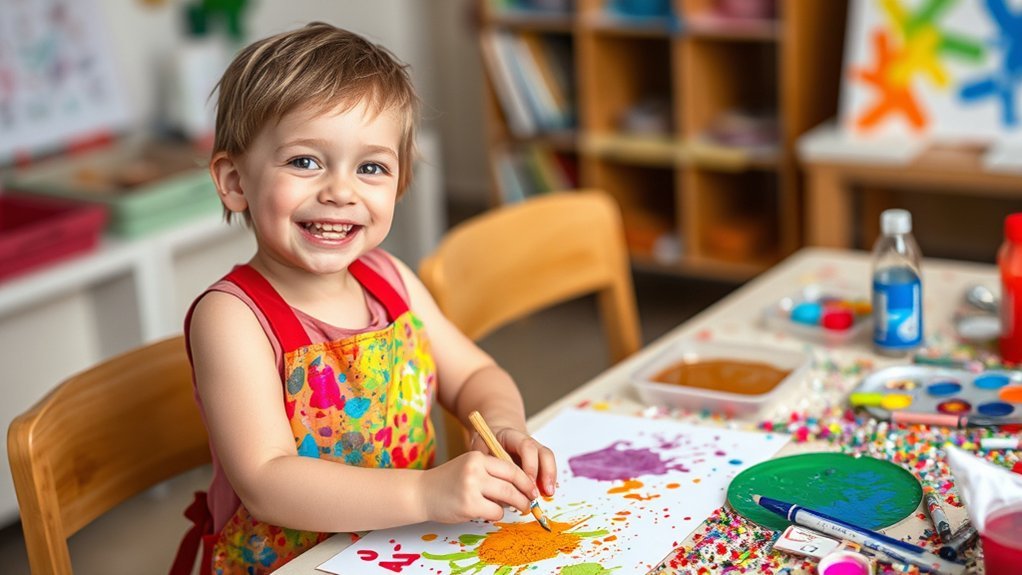
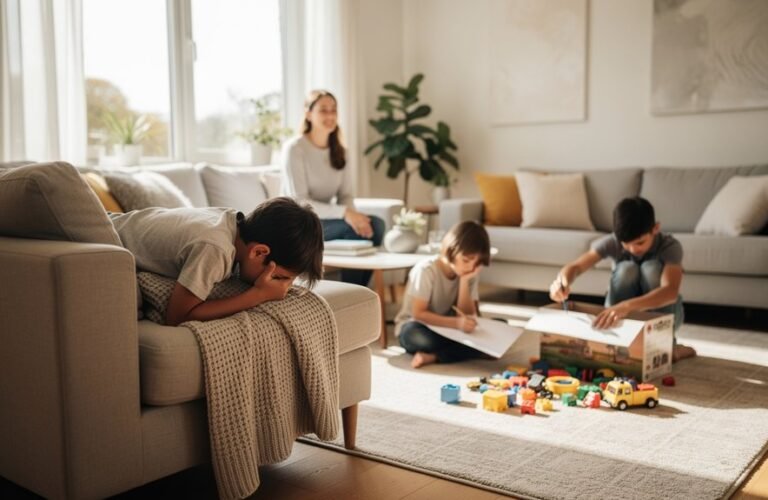
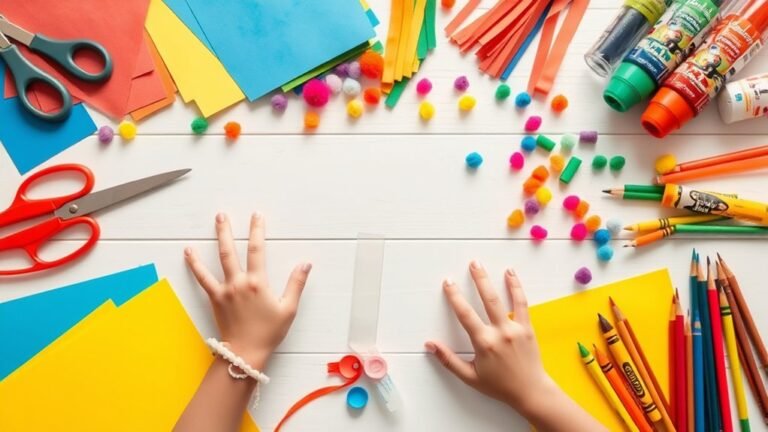
Beyond finishing projects quickly, preschoolers need space to create without worrying about perfect results. You’ll notice your child thrives during messy play when they can squeeze glue, splatter paint, and stick feathers wherever they want. This freedom lets them explore textures and materials authentically.
Creating a judgment free environment means accepting that crafts won’t look Pinterest-perfect. Your preschooler isn’t focused on making something display-worthy—they’re experimenting with cause and effect, testing boundaries, and expressing themselves through materials.
Set up craft sessions where mess is expected, not discouraged. Lay down newspapers, use washable supplies, and resist the urge to correct their technique.
When you eliminate the pressure to create something “right,” you’re giving your child permission to innovate, take risks, and discover their creative voice without fear of criticism.
Opportunities for Creative Self-Expression and Personal Choices
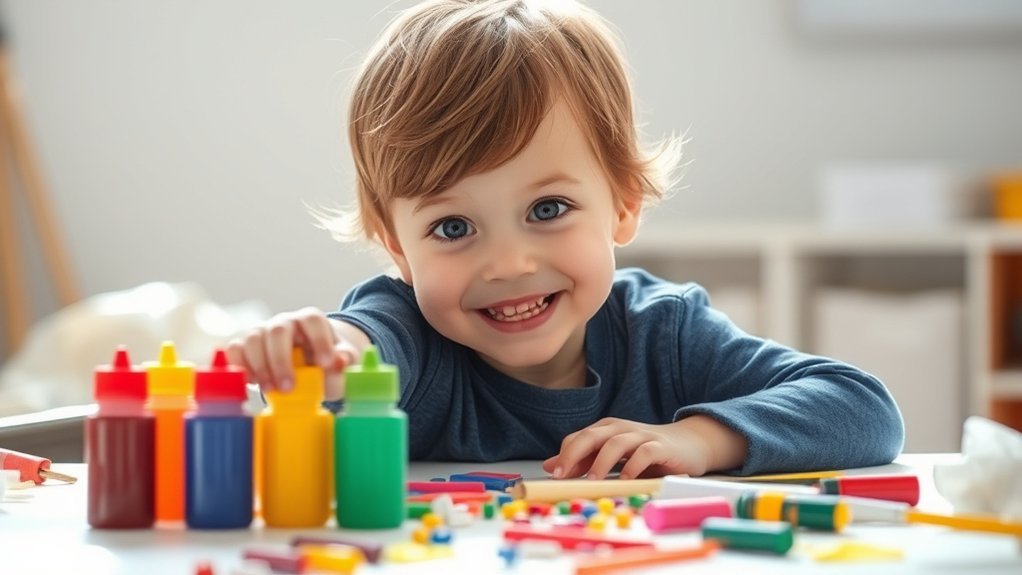
When preschoolers choose their own colors, materials, and design directions, they’re building confidence in their artistic decisions. You’ll notice how empowered they feel when selecting purple over blue or deciding where to place each sticker. This autonomy transforms simple crafting into meaningful artistic exploration.
DIY crafts naturally encourage imaginative play as children determine what their creation represents. That blob of paint becomes a dragon, and those popsicle sticks transform into a castle. You’re giving them permission to see possibilities beyond instructions.
Each personal choice strengthens their creative voice. When you ask, “What would you like to add next?” instead of directing every step, you’re fostering independent thinking.
These moments teach preschoolers that their ideas matter and their unique perspective holds value in the creative process.
Building Confidence Through Independent Accomplishment
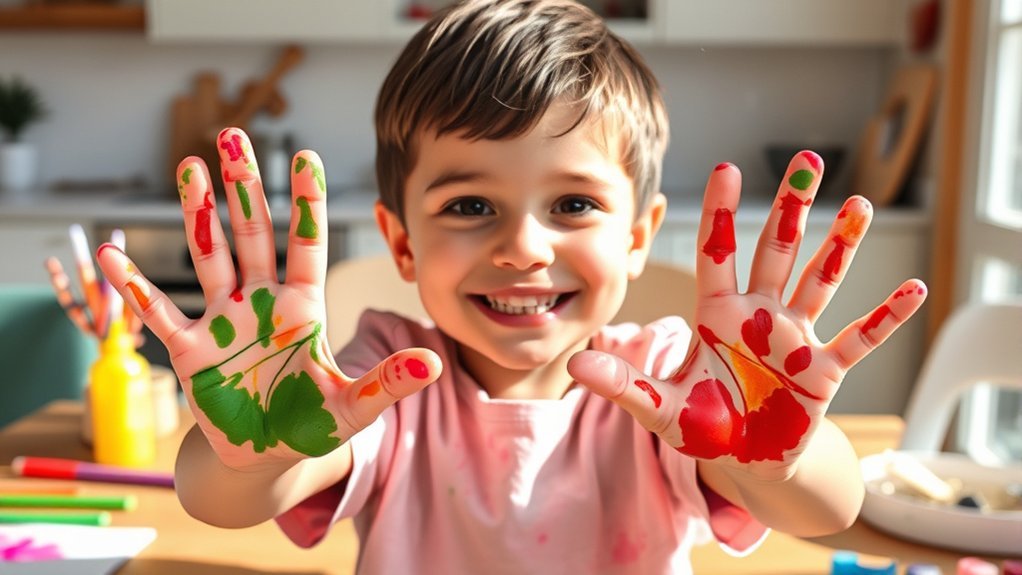
The pride radiating from a preschooler who completes a craft independently is unmistakable. When your child finishes a project without constant assistance, they experience a genuine self-esteem boost that reinforces their capabilities.
These accomplishments teach them they’re competent problem-solvers who can tackle challenges alone. Simple DIY crafts encourage independent play while developing crucial life skills. Your preschooler learns to follow instructions, make decisions, and persist through difficulties without relying on adults for every step.
Each completed project becomes tangible proof of their growing abilities. You’ll notice increased confidence as they eagerly attempt more complex tasks. They’ll volunteer to help with other activities and approach new challenges with enthusiasm rather than hesitation.
This foundation of self-assurance extends beyond crafting, positively influencing their willingness to try unfamiliar experiences throughout childhood.
Engaging Multiple Senses for Hands-On Learning
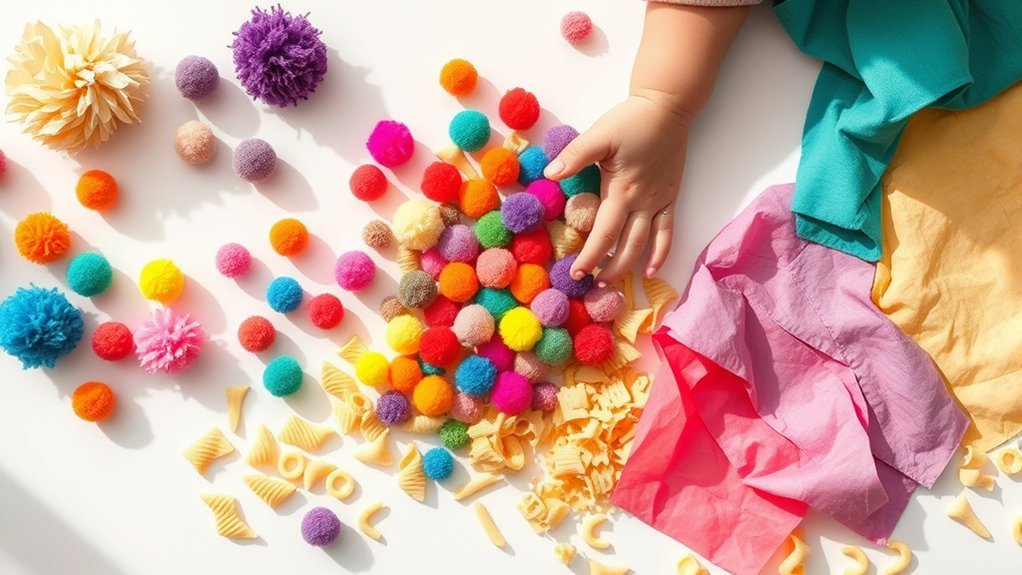
Preschoolers naturally explore their world through touch, sight, sound, and smell, making DIY crafts ideal vehicles for multisensory learning. When your child squishes playdough, crinkles tissue paper, or spreads glue with their fingers, they’re engaging in sensory exploration that strengthens neural pathways and deepens understanding.
Tactile learning occurs as little hands manipulate different textures—smooth buttons, rough sandpaper, soft cotton balls, or sticky tape. These physical interactions help preschoolers process information more effectively than passive observation alone. You’ll notice they remember projects better when they’ve actively touched and manipulated materials.
Incorporate scented markers, textured fabrics, or materials that make satisfying sounds. This multisensory approach doesn’t just make crafts more enjoyable; it creates richer learning experiences that engage your preschooler’s developing brain through multiple channels simultaneously.
Using Familiar Materials That Feel Safe and Accessible
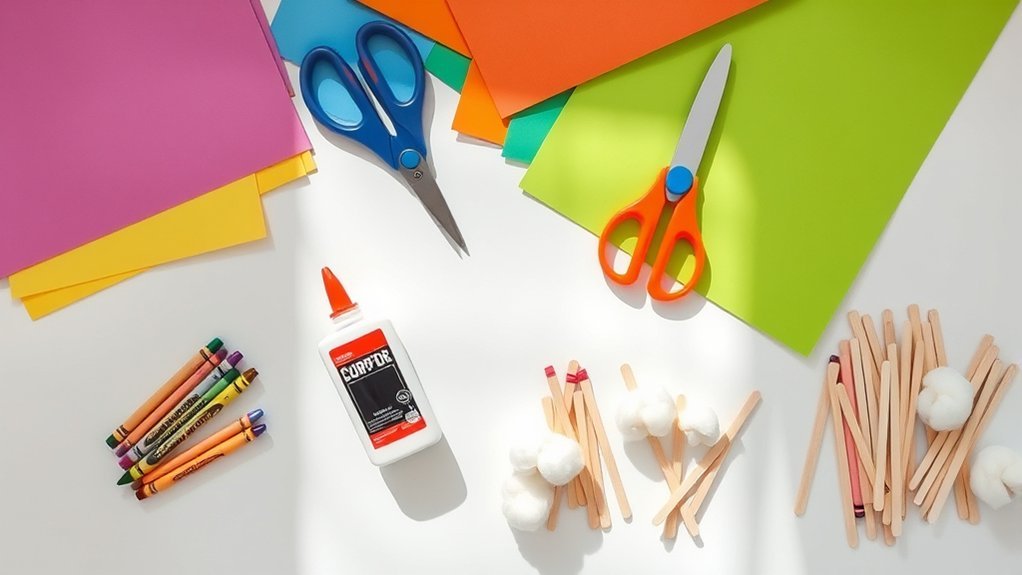
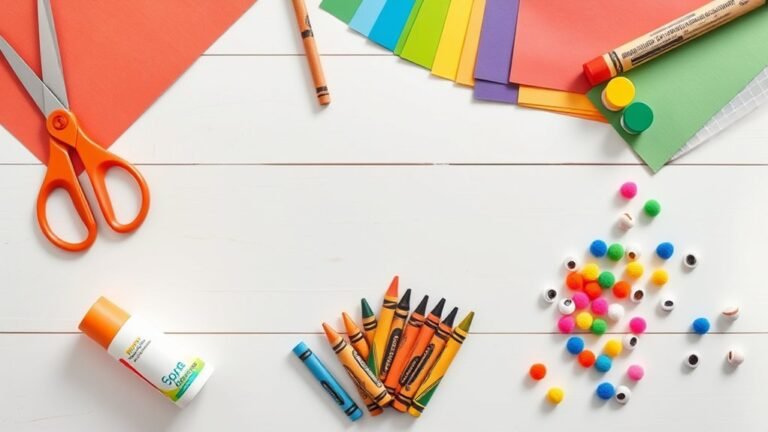
Household items like empty cereal boxes, egg cartons, and paper towel rolls transform into crafting gold when you’re working with preschoolers. These familiar materials create comfort and confidence, allowing children to dive into creative projects without hesitation.
When kids recognize items from their daily routines, they’re more likely to engage enthusiastically and experiment freely. You’ll notice preschoolers handle these everyday objects with natural ease.
They’ve already touched cereal boxes at breakfast and watched you unroll paper towels, so there’s no intimidation factor. This familiarity promotes safe exploration where children can focus on creation rather than worrying about using something new or potentially scary.
Plus, you’re teaching resourcefulness. Kids learn that creativity doesn’t require expensive supplies—just imagination and the willingness to see potential in ordinary things around them.
In case you were wondering
What Age Range Is Considered Preschool for These DIY Crafts?
Preschool age typically includes children from 3 to 5 years old. You’ll find these DIY crafts perfect for this developmental stage, as the craft benefits support their growing fine motor skills, creativity, and ability to follow simple instructions independently.
How Long Should I Supervise My Preschooler During Craft Activities?
You’ll want constant supervision throughout craft time—it’s no coincidence that accidents happen when we look away. Following craft safety guidelines and supervision tips means staying within arm’s reach, especially when using scissors or glue.
Where Can I Find Affordable Craft Supplies for Preschoolers?
You’ll find affordable craft supplies at local craft stores like Michaels or Hobby Lobby, which often have weekly coupons. Online retailers such as Amazon, Oriental Trading, and Dollar Tree’s website offer budget-friendly bulk options perfect for preschoolers.
How Do I Store Completed Preschool Crafts Without Creating Clutter?
You’ll need smart craft organization like rotating display boards, photo documentation, or designated storage bins. These clutter solutions let you preserve memories without overwhelming your space—simply digitize favorites, display seasonally, and donate or recycle older pieces regularly.
Can These Crafts Be Adapted for Children With Special Needs?
Every child deserves to create! You’ll find these crafts bloom beautifully with inclusive adaptations. Try incorporating sensory materials like textured papers, large grippers, or scented paints. You can modify steps to match each child’s unique abilities and learning style.
Conclusion
You’re watching a garden grow when you hand your preschooler glue and paper. Each sticky fingerprint becomes a root reaching deeper into confidence. Every crooked line they draw is a stem stretching toward independence. The mess they’re making isn’t chaos—it’s soil being turned and prepared. You’re not just supervising crafts; you’re tending tomorrow’s forest. What looks like child’s play today is planting seeds that’ll shade them for life.