Summer Schedule for Kids: The Perfect Balance Between Structure and Chaos
You want summer to feel fun, not like boot camp or a sugar-fueled riot, right? Try a loose daily rhythm: same basic anchors (wake, meals, quiet time, bedtime), but tons of wiggle room in between. Mornings: get dressed, eat, quick tidy, simple plan for the day. Afternoons: messy play, books, sprinklers, boredom (on purpose). Screens? Earned, not endless. When plans explode—as they will—you protect sleep, snacks, and sanity, and you’re golden… and that’s just the start.
Key Takeaways
- Build a loose daily rhythm using activity “zones” (morning, midday, afternoon, evening) instead of rigid time slots to keep structure flexible.
- Protect a few anchors—meals, basic chores, outdoor time, and a consistent bedtime—to reduce meltdowns and give kids a sense of safety.
- Offer wide-open stretches for unstructured play and creativity, staying nearby to support without directing every activity.
- Treat screens as a limited reward tied to real-world efforts (reading, helping around the house), and suggest simple offline alternatives first.
- Expect plans to change; adjust around your anchors, focus on one must-do task, and welcome spontaneous fun as part of the rhythm.
Why Kids Need Both Routines and Room to Roam

Even though summer feels like it should be all “no rules, no shoes, no bedtime,” kids actually do best with a mix of routine *and* wild freedom.
Your kid’s brain loves knowing a few basics: when food shows up, when screens turn off, when it’s actually time to sleep. That safety net keeps meltdowns from hitting like surprise thunderstorms.
Simple rhythms—meals, screens, sleep—calm their brain and keep storms from turning into meltdowns
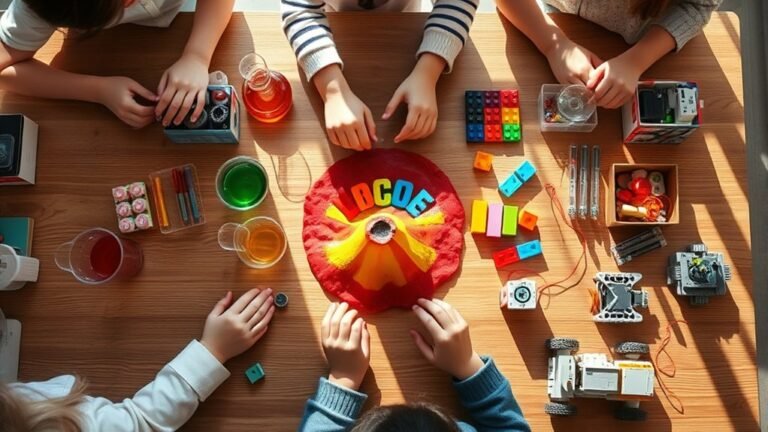
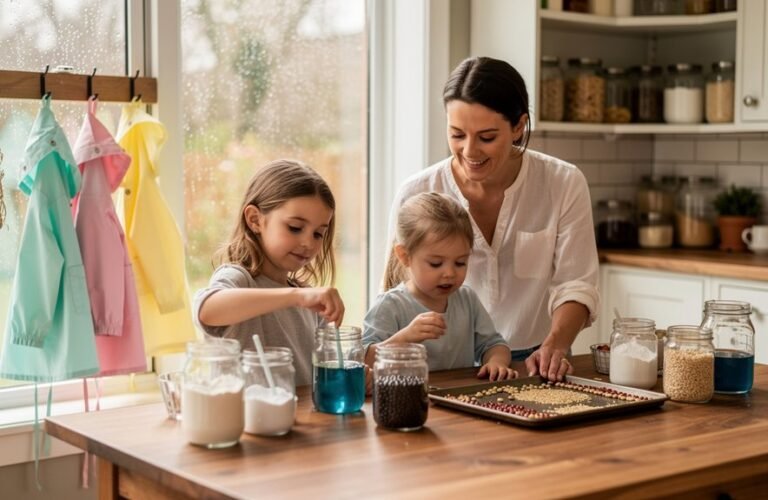
But your kid’s heart? It needs wide‑open space for playful exploration. Backyard “science labs,” messy art, bike adventures, fort cities in the living room—this is where confidence and creativity explode.
Routine flexibility lets you hold both. You keep gentle guardrails, not iron walls. Enough structure so life doesn’t feel like chaos, enough freedom so summer doesn’t feel like school.
At all—just bright, loud, gloriously theirs.
Building a Daily Rhythm That Actually Fits Your Family
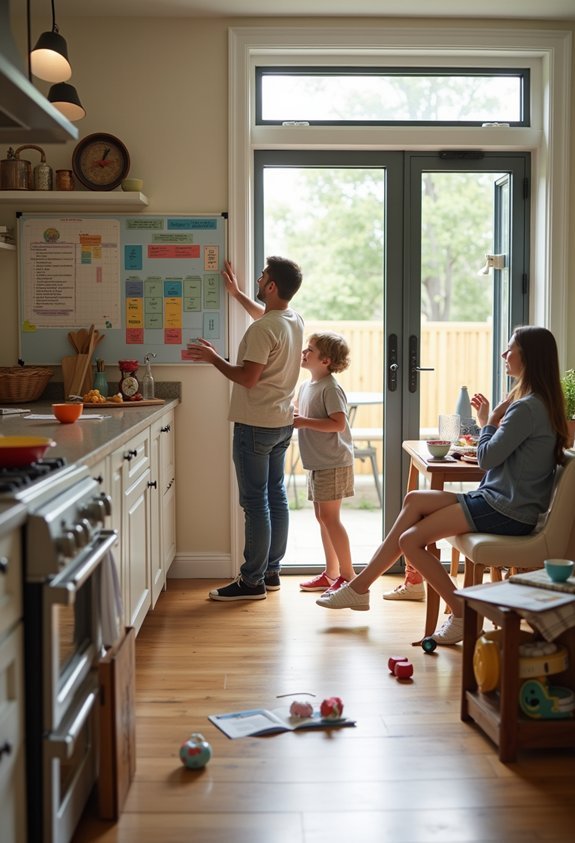
Once you’ve accepted that summer with kids isn’t a spa retreat but more like running a tiny, sticky theme park, you can start building a daily rhythm that actually works.
First, look at your family preferences: night owls, early birds, slow eaters, screen lovers, outside maniacs. Work with that, not against it.
Pick loose “zones” for the day instead of rigid time slots: play, quiet, out of the house, reset. Lunch doesn’t need to be 12:00 on the dot; it just happens after outside time before everyone melts down.
That’s how flexible schedules save your sanity. Think of rhythm as a playlist, not a prison. If something’s bombing—change it. Test, tweak, repeat, until days feel wild but not out of control for you.
Simple Morning Anchors That Set Everyone Up for Success
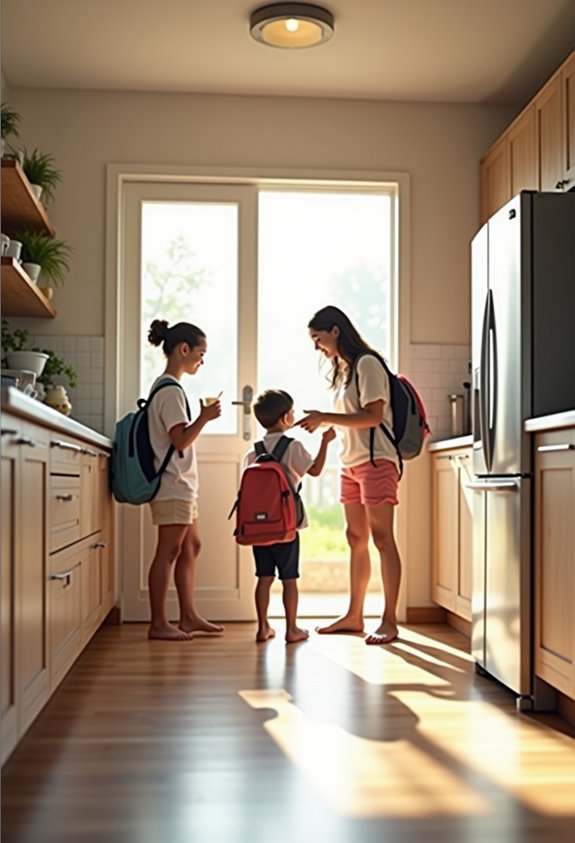
Before the day turns into a loud, sticky circus, you can grab a tiny bit of control with a few simple morning “anchors.”
Think of these like the three things that always happen, no matter what chaos is coming: everyone eats something that’s not a leftover Goldfish, bodies get dressed in actual clothes (pajamas with yogurt on them don’t count), and the house gets a 5-minute reset so you’re not tripping over Legos by 9 a.m.
These tiny morning routines become family rituals that feel calm, not bossy and surprisingly powerful.
Try anchors like these:
- Quick breakfast together, phones and TV off.
- Get dressed, teeth brushed, sunscreen slapped on.
- Five-minute tidy: toys in bins, counters clear.
- Short check-in: what’s happening today, who needs what?
Creating Afternoons for Imagination, Play, and Downtime
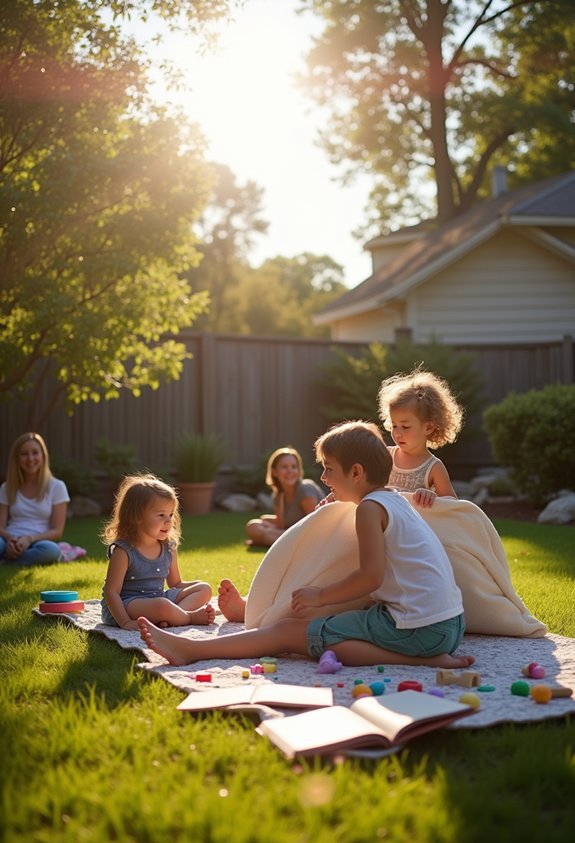
When the sun hits that blazing afternoon level and everyone starts melting into whiny puddles, that’s your sign: it’s time to switch from “go go go” to “slow, weird, and creative.”
Afternoons don’t have to be filled with activities and sign-ups and driving all over town; they can be this loose, cozy block of time where kids get bored enough to actually invent stuff again.
You don’t schedule every minute; you just set the scene. Think blanket on the floor, art supplies, a fan blasting like a tornado.
Let them drift between creative play, reading in a pile, and backyard adventures. You stay nearby, not running the show, guarding snacks and peace.
That’s the magic of unstructured time: their brains have room to wander.
Screen Time, Chores, and Learning: Finding a Healthy Mix
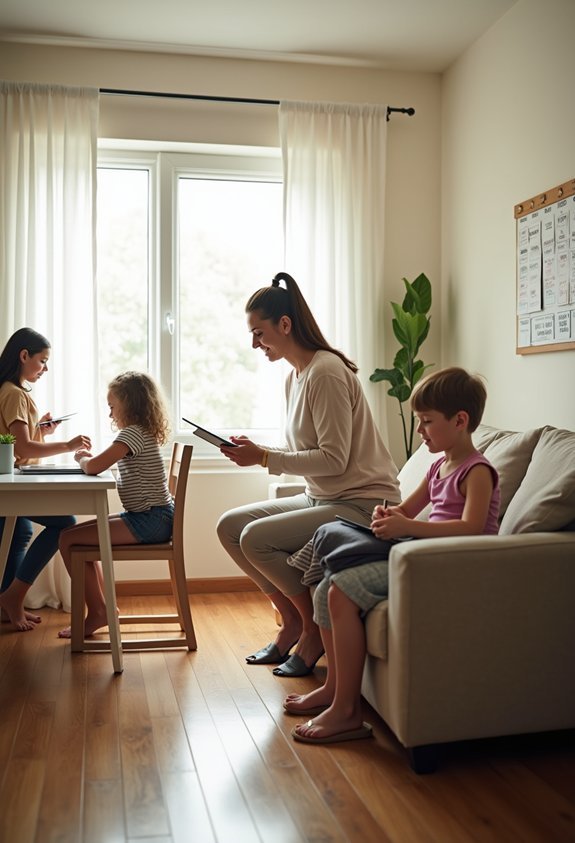
Even though summer can feel like a free‑for‑all, you still don’t want your kid turning into a couch potato with a Wi‑Fi signal.
Think of screens, chores, and learning like three kids on a seesaw. If one hogs the middle, everything crashes.
Set clear screen time limits, then link them to real‑world effort. No chores, no shows. Simple.
Make screens something they earn, not something they expect every time they sit down
- 20 minutes of reading buys 20 minutes of YouTube
- Chore rewards unlock gaming time or a later movie
- Online learning apps count as “bonus” minutes, not endless scrolling
- Bored? Point them to a chore, a book, or the backyard
You’re not being mean; you’re being the coach. Screens become a prize, not the main event.
They’ll survive, and you’ll stay sane too.
Adjusting the Plan When Real Life (and Summer Chaos) Happens
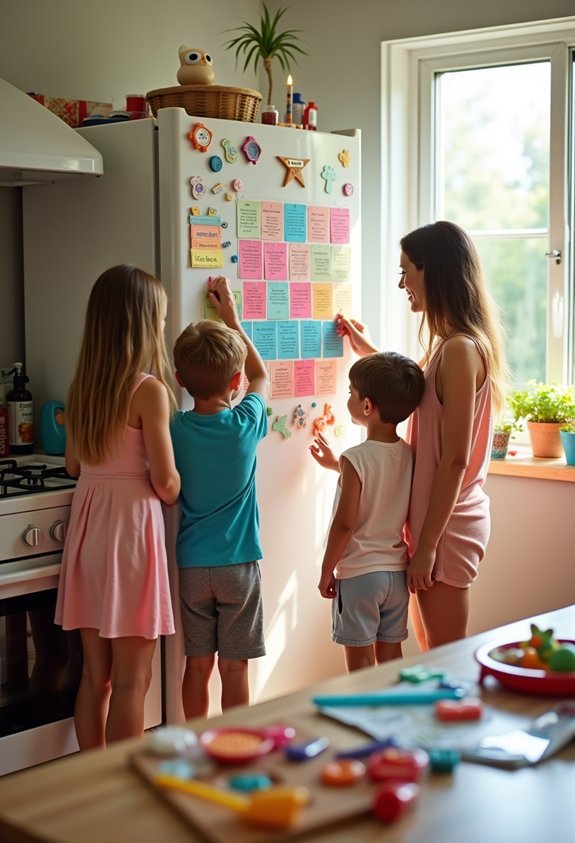
Let’s be honest: your perfect summer schedule will last about three days before life body‑slams it. That’s not failure; that’s summer doing summer.
So plan for flexible adjustments from the start. Think of your schedule like a whiteboard, not stone tablets. Kid wakes up sick? Lightning‑fast change. Grandma invites everyone to the pool? You shift chores to tomorrow and call it life skills.
Spontaneous activities aren’t the enemy; they’re the magic. Just protect a few anchors: meals, rest, and a basic bedtime so everyone stays human.
When the day explodes, ask, “What’s the one thing we still need?” Do that, drop the rest, and move on. The goal isn’t perfection; it’s surviving with some laughs left.
Then high‑five yourself and call it good parenting.
In case you were wondering
How Do We Handle Vacations or Travel Without Completely Disrupting the Summer Schedule?
You keep a loose routine, protect key anchors like meals and bedtime, and accept flexibility. You involve kids in vacation planning, use travel tips—snacks, quiet activities, stretch breaks—so trips feel adventurous without wrecking their rhythm.
How Much Sleep Should Kids Get During Summer, and Should Bedtimes Change?
Aim for age-based sleep recommendations—about 10–12 hours for younger kids, 8–10 for teens. You can shift bedtimes later, but keep consistent wake times and gradual bedtime adjustments so their internal clocks stay steady all summer.
How Can Co-Parents Keep a Consistent Summer Rhythm Across Two Different Households?
You keep a consistent summer rhythm by agreeing on routines, using communication strategies, and syncing plans in shared calendars. You revisit expectations, adjust together, and present changes as a united front so child feels supported.
How Do I Include Kids With Different Ages and Needs in One Summer Schedule?
You start with shared anchor times, then layer in age appropriate activities for each child. Use flexible scheduling, rotate kid-led choices, pair siblings as helpers, and plan downtime so everyone’s needs feel seen and respected.
What’s a Realistic Way to Transition From Summer Schedule Back to School Routines?
You start two weeks before school, using gradual adjustments to bedtime, wake-up, and screen time. Build in practice mornings, review routines together, and use calm, consistent transition strategies so kids feel prepared, not shocked inside.
Conclusion
So that’s your summer game plan: a little structure, a little wild, like a sandbox with a fence. You’re not running a tiny boot camp, and you’re not hosting a 90-day sleepover either. You’re the DJ, mixing chores, screens, play, and quiet so nobody totally melts down. Try a rhythm, tweak it, laugh when it flops. Your goal isn’t perfect days. It’s happy, tired kids and a house that’s messy—but not on fire.