15 Fun Activities That Teach Kids Gratitude
You want your kids to whine less and appreciate more? Try sneaky gratitude games. Do a scavenger hunt for “something that makes you smile.” Make a thankful jar and toss in one note a day. Build a gratitude tree with paper leaves, write what you love on each, and tape them up. Do silly thank-you notes, cozy “what went right today?” chats, and an acts-of-kindness calendar. If you’re up for more, there’s a whole toolbox waiting.
Key Takeaways
- Create hands-on gratitude crafts like trees, thankful jars, and thank-you notes to help kids see and share what they appreciate.
- Use interactive experiences like scavenger hunts, gratitude walks, and listening circles to combine movement, play, and reflection.
- Tie gratitude to holidays and milestones with projects like thank-you table runners, birthday appreciations, and “best moments” New Year posters.
- Integrate kindness and gratitude using a simple daily acts-of-kindness calendar and kid-made gratitude coupons that reward caring behaviors.
- Set up a cozy gratitude corner with cushions, soft lighting, and a gratitude wall where kids post drawings, wins, and thankful thoughts.
Gratitude Scavenger Hunt Around the House or Yard
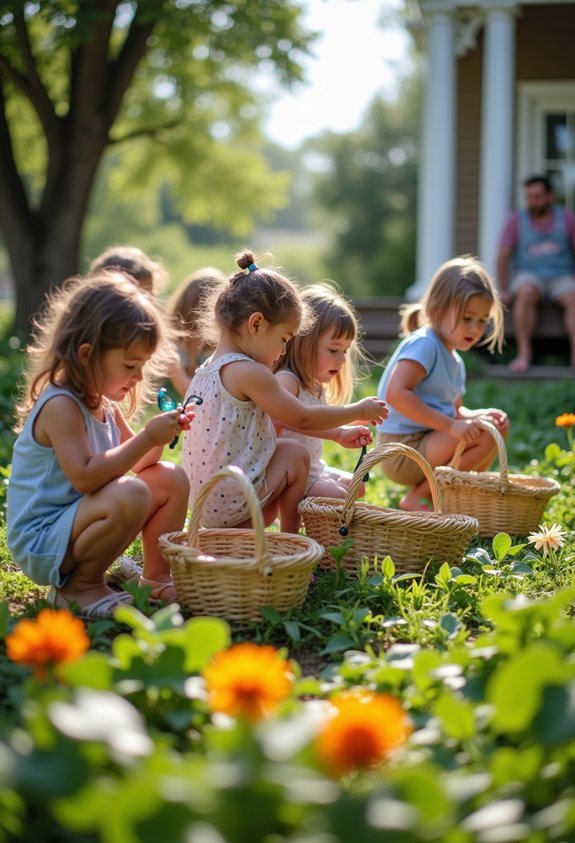
Even if your kids roll their eyes at the word “gratitude,” a scavenger hunt can sneak it in without them even noticing.
You grab paper, list ten things to find: something cozy, something that smells amazing, something that makes you laugh-snort. They race off, arguing over who owns the softest blanket.
When they return, you ask one quick question for each item: Why are you glad you have this? Keep it fast, like a game show. Toss in silly gratitude quotes as bonus clues, or make them sing two lines of thankful songs to earn extra points.
You’re laughing, they’re moving, and boom—they’re practicing gratitude without a single cheesy speech from you. They just think you invented the weirdest, most awesome race ever today.
Creating a Daily Thankful Jar Together
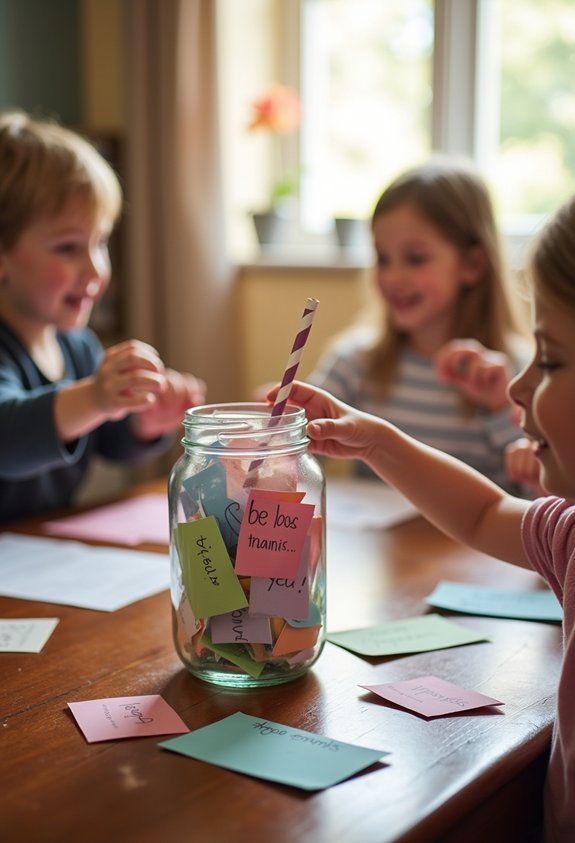
Picture this: one little jar on your counter that quietly turns your whole family less “UGH” and more “okay, life’s actually pretty good.”
A Thankful Jar is stupid–simple: you grab any jar, cup, or old spaghetti sauce container, slap a label on it, and boom—you’ve got a gratitude machine.
First, have a jar decorating party. Stickers, markers, tape, googly eyes, whatever’s rolling around in that junk drawer. When the jar looks gloriously weird, you’re ready.
Every day, everyone writes one thing they’re thankful for on a tiny scrap of paper. Small stuff counts: cold pizza, extra screen time, the dog not barfing on the rug. Drop it in.
On bad days, dump the notes out and read them. Instant mood CPR. thankful activities daily.
Drawing and Decorating Gratitude Trees
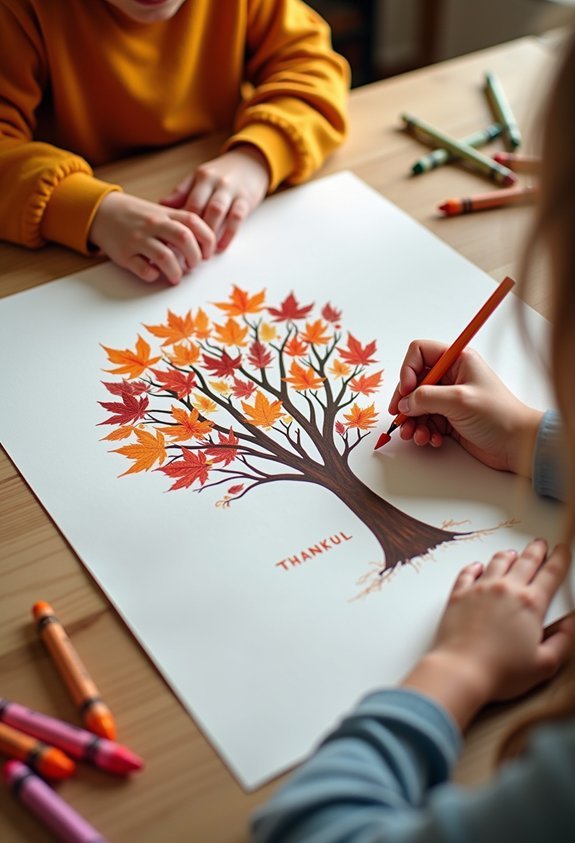
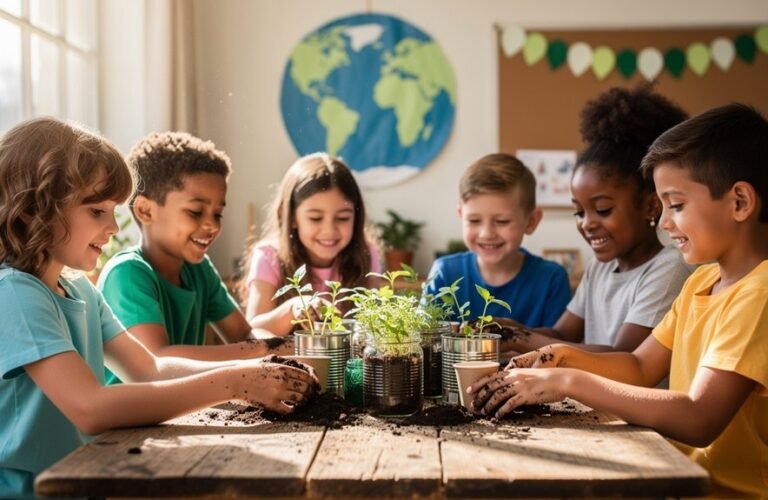
Cut out paper leaves or hearts as tree decorations. Kids write or draw what they’re grateful for, then tape or glue them on.
Keep the tree up all month. On rough days, point to it and say, “See? Life’s not totally falling apart. We still have pizza, pets, and grandparents.”
Suddenly, the drama feels smaller.
Writing Simple Thank-You Notes to Real People
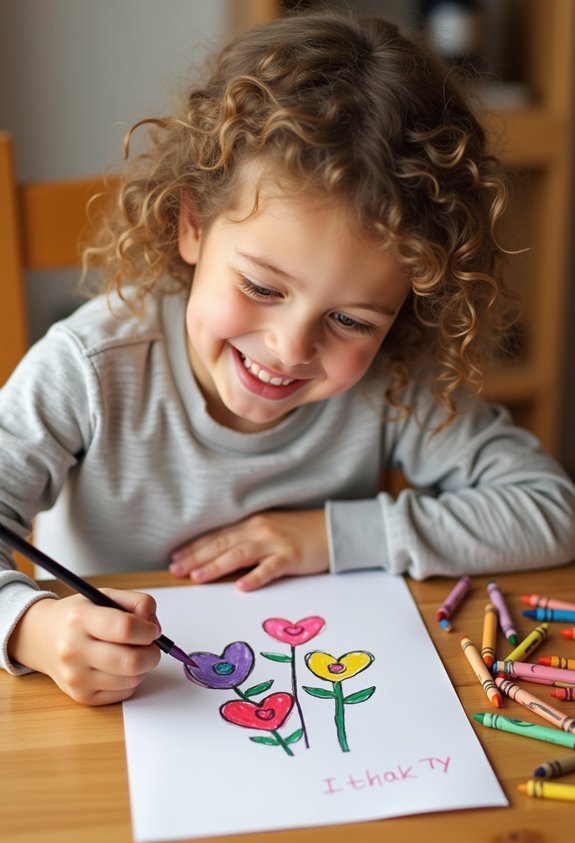
When your kid writes a real thank-you note, it’s like giving someone a tiny paper high-five that they can keep forever.
Start super simple. Grab a sticky note or small card and say, “Pick one person who did something kind today.” It could be the bus driver, the lunch lady, or that aunt who sends loud toys.
Use easy thank you templates so your kid isn’t stuck staring at a blank page. Think: “Thank you for _____. It made me feel ____.” They fill the blanks, boom, instant message.
Let them add drawings and silly “gratitude stamps” they design with markers or stickers. Then actually deliver the note.
Watch their face when the other person lights up—that’s gratitude landing. Kids remember reactions like that.
Bedtime “Rose, Bud, Thorn” Sharing Ritual
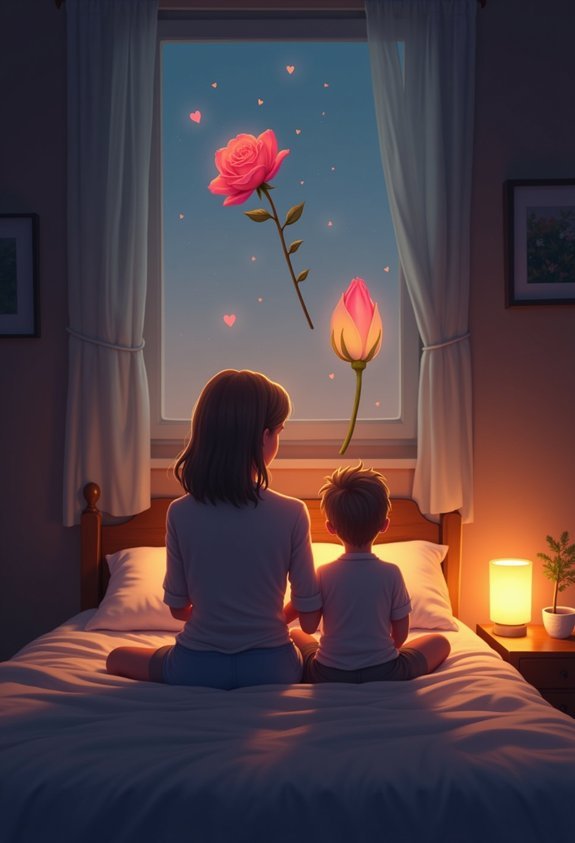
Even if bedtime at your house currently feels like a hostage situation, “Rose, Bud, Thorn” can turn those last 10 minutes into actual cozy magic instead of chaos.
You ask each person three quick questions: What was your rose today, your best moment? What was your thorn, the hard or annoying part? And what’s your bud, something you’re excited about tomorrow?
It’s like tiny bedtime storytelling, but low effort and no paper crowns required. Kids practice sharing feelings without a big serious talk. You go first, so they see it’s safe to be real.
One rule: no fixing, just listening. If your child says, “My thorn was homework,” you don’t lecture—you nod, groan, and say, “Yep, homework is the worst.”
Tonight, start it anyway.
Gratitude Walks in Nature With Noticing Games

Some days your house feels like a screen-addicted circus, so getting outside for a “gratitude walk” is basically a sanity rescue mission for everyone.
On the sidewalk or trail, you lead a slow, silly parade of nature observation. Try mindful breathing: three deep breaths, then whisper one thing you’re glad for.
On the sidewalk or trail, lead a slow, silly gratitude parade with deep, giggly breaths
Turn it into games. Do sensory exploration: Who can spot five textures? Who hears the most bird calls using sound awareness? Call out animal appreciation every time you see a squirrel, bug, or dog.
Hand your kid your phone for quick nature photography. Zoom in on weird bark, clouds, or tiny flowers.
Practice simple flower identification and notice seasonal changes. Later, use the walk for short gratitude reflections or appreciation journaling at home.
Making a Family Gratitude Scrapbook or Collage
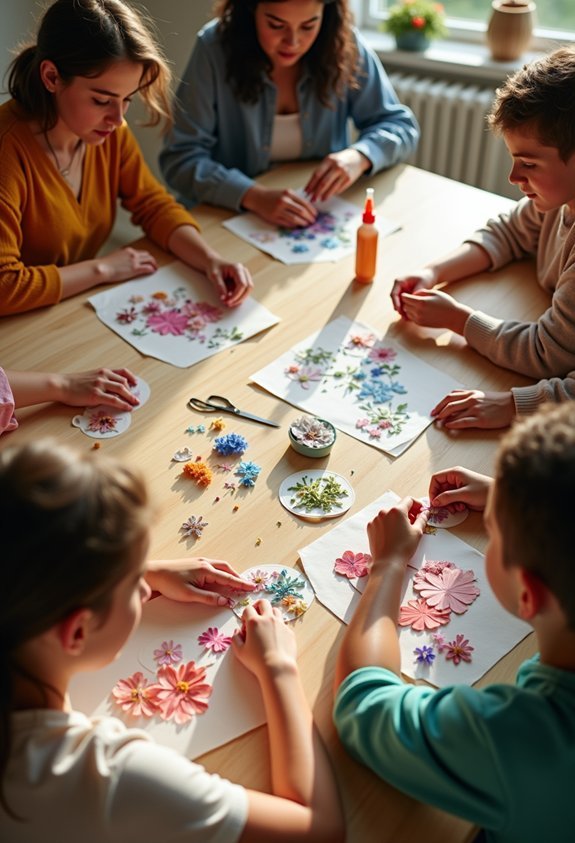
Instead of letting cute moments vanish into the black hole of your camera roll, turn them into a family gratitude scrapbook or giant collage that basically screams, “We like our life, thanks!” at the wall.
Grab a cheap notebook or big poster board and declare it the Official Family Memory Shrine. Print photos, ticket stubs, doodles, even that weird receipt from the ice cream place where everyone was sticky and happy.
Then build your family photo collage like you’re telling a story.
- Ask each person, “What are you thankful for here?” Then write their words under the picture.
- Add gratitude themed stickers, arrows, and speech bubbles so the page feels loud and joyful.
- Hang it low so kids can revisit daily.
Role-Playing Thankfulness With Stuffed Animals or Toys
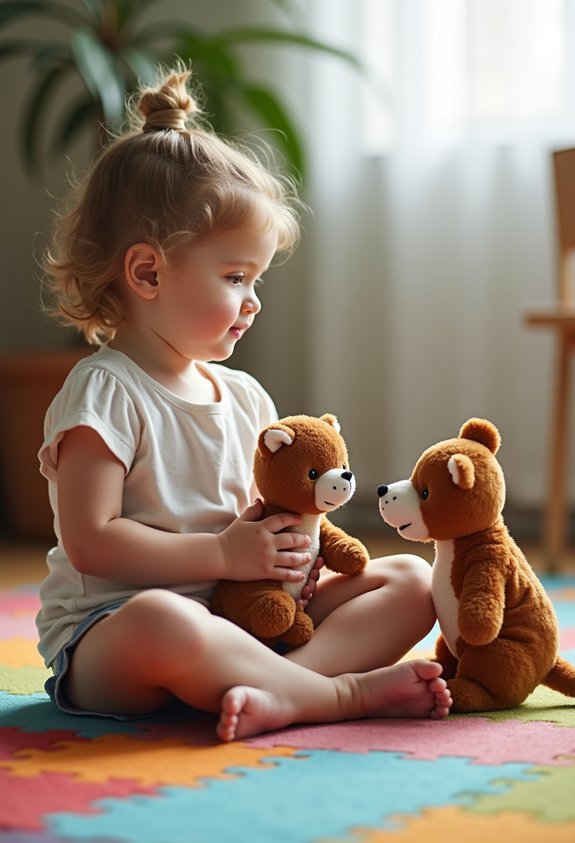
Tiny plush drama theater, coming right up. Grab a pile of stuffed animals or action figures and turn the floor into a mini stage. You’re the director; your kid’s the star.
Pick a simple scene: Teddy helps Bunny find a lost shoe. Now pause and ask, “How can Bunny say thanks?” Let your child act it out with big voices and silly moves.
Use toy thankfulness role play to hit real-life moments. A doll thanks a friend for sharing crayons. A robot thanks Grandma for visiting.
Sneak in stuffed animal gratitude by swapping roles so your child plays the one giving thanks and the one receiving it. Talk after: “Which felt better?” You’ll see lightbulbs—and maybe tears of joy. Big feelings, tiny squishy actors.
Cooking a Meal as a Thank-You for Someone Special
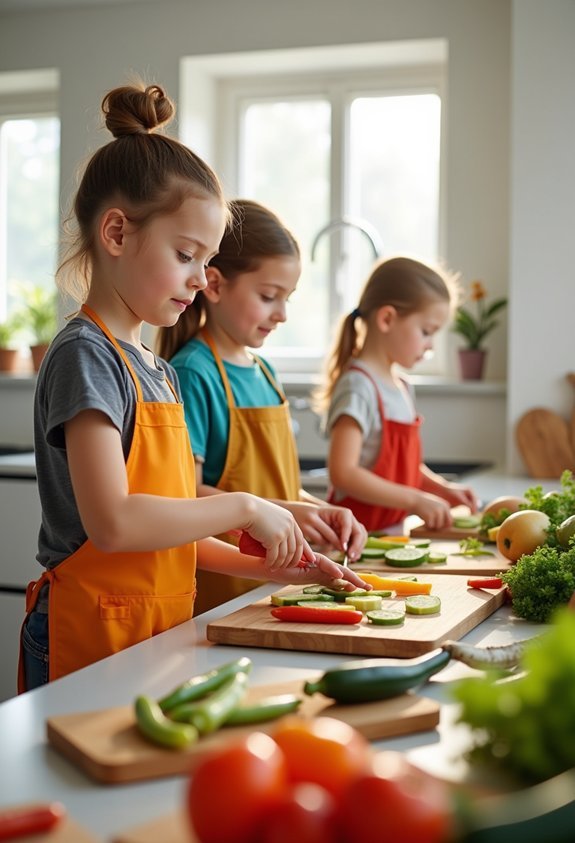
Those stuffed animals deserve a standing ovation… but let’s upgrade from pretend thanks to something you can actually eat. You grab your kid and say, “Let’s cook for Grandma. She survives on microwaved noodles.”
Now you’re cooking together, turning gratitude into garlic bread. Keep it simple: pasta, tacos, pancakes for dinner. The goal isn’t greatness; it’s heart.
- Set the stage: light a candle, play music, let your kid make a goofy menu.
- Let them plate the food. Talk about meal presentation like it’s a cooking show.
- Deliver the meal. Have your child say, “We made this to thank you,” and watch faces melt.
Later, remind them, “See? Gratitude isn’t just words. It’s action—with crumbs.” That’s how thank-you turns real and delicious.
Gratitude Bingo for Home, School, or Playdates
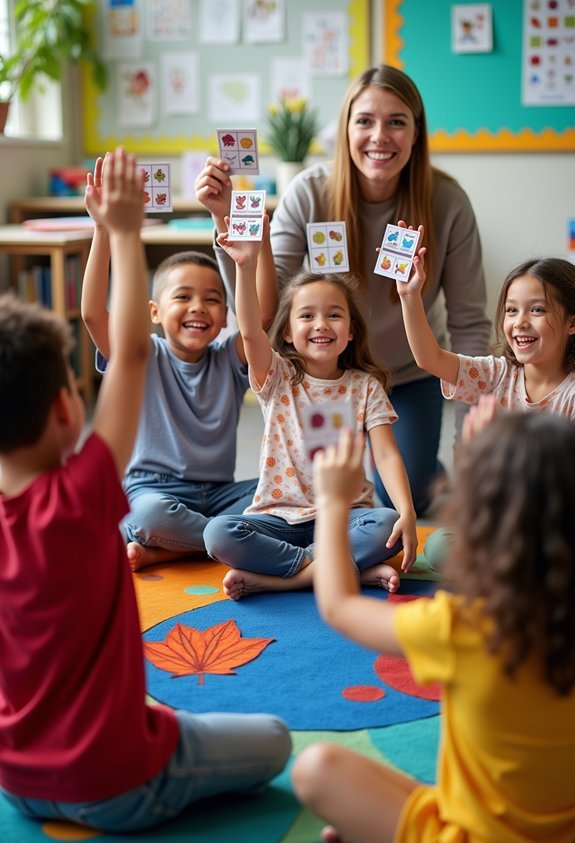
When “say thank you” starts sounding like “eat your vegetables,” it’s time to sneak gratitude in through a game—enter Gratitude Bingo.
Grab a poster or whiteboard and draw a simple 5×5 grid. This is your gratitude board. In each square, write prompts: “someone who helped you today,” “a favorite snack,” “something that smells amazing,” “a teacher you like,” and so on.
Kids have to notice those blessings in real life, then mark the matching square. First one to get five in a row yells, “BINGO, I’M BLESSED!” and picks from small bingo prizes—stickers, extra story time, choosing dessert.
Spot real-life blessings, mark your squares, shout BINGO, I’M BLESSED, then celebrate with a tiny prize
Play at home, school, or playdates. Same game, different prompts, endless chances to practice thankful thinking. Kids stay busy, you stay sane, and gratitude actually sticks.
Designing Gratitude Coupons Kids Can Give Away
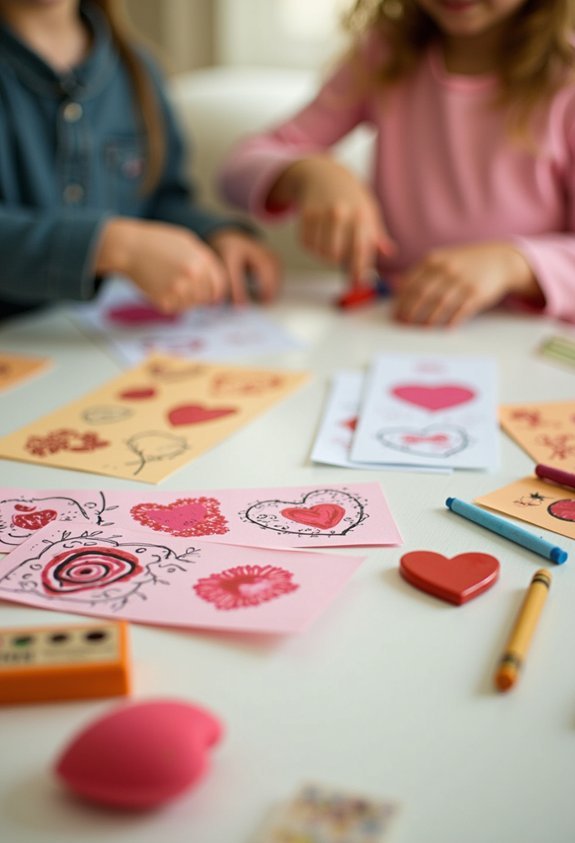
Gratitude coupons are like kid-made gift cards, but way cuter and 100% free. You’re handing your kid a license to spread joy without spending a dime.
Start with simple gratitude coupon design: small rectangles of paper, bright markers, tape, maybe way too many stickers.
Now help your kid think of creative coupon ideas that feel personal, not generic. Who gets one? You, a sibling, a teacher, the long-suffering family cat?
- “One Free Room Clean-Up” – They clean their room without whining. In theory.
- “Movie Night Boss” – They pick the movie, snacks, and seating chart.
- “Hug Attack Pass” – Redeemable for five giant hugs, no escape.
Put the finished stack in a jar and let them give coupons away all week.
Listening Circles Where Everyone Shares One Good Thing
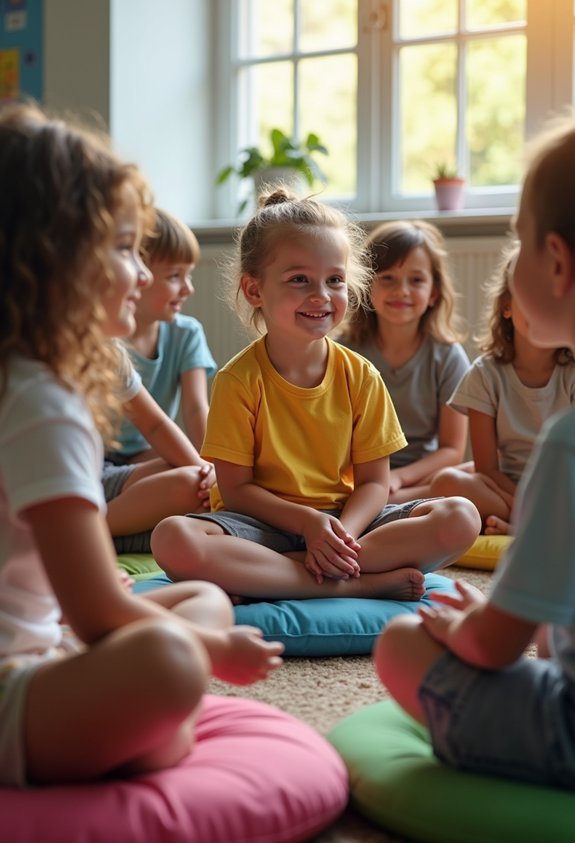
Coupons are fun, but now it’s time to get the whole crew talking.
Try a simple listening circle. Everyone sits in a rough circle—couch, floor, dog bed, whatever. You pass an item, like a stuffed llama or wooden spoon. Whoever holds it shares one good thing from today. No interrupting, no fixing, no judging. Just ears.
Pass a silly object and share one good thing—no fixing, just listening.
You’ll hear wild stuff: “Recess was epic,” “Grandma’s soup didn’t burn,” or “My brother didn’t bug me…much.” Encourage sharing stories, not just one-word answers. Ask, “What made it feel good?” That invites quick personal reflections without turning it into therapy hour.
End by asking, “Whose moment made you smile most?” Boom—kids notice other people’s wins, not just their own. Do it nightly and watch everyone’s gratitude muscles grow.
Seasonal Gratitude Projects for Holidays and Birthdays
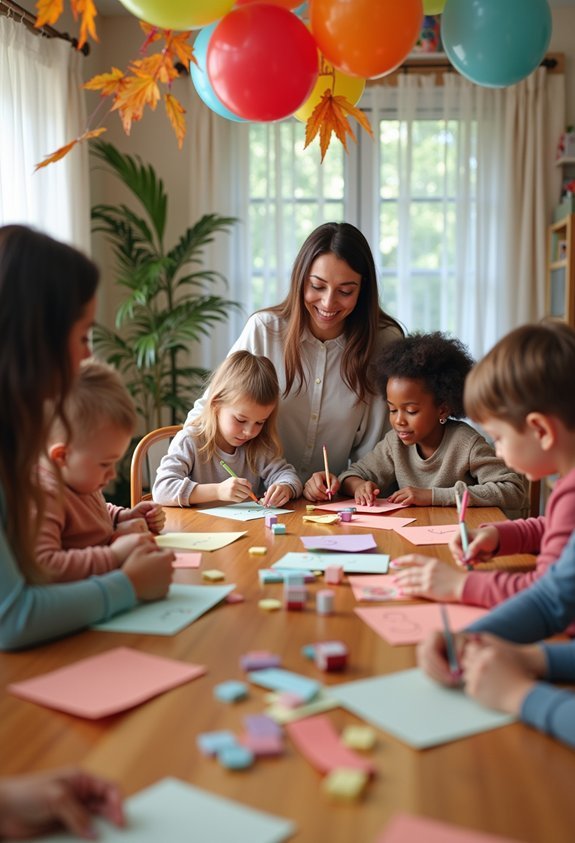
Big holidays and birthdays already feel like glitter explosions, so they’re the perfect time to sneak in some gratitude without anyone rolling their eyes. Instead of just cake, gifts, and sugar crashes, you can build simple holiday thankfulness traditions and birthday appreciation activities that still feel fun, not preachy.
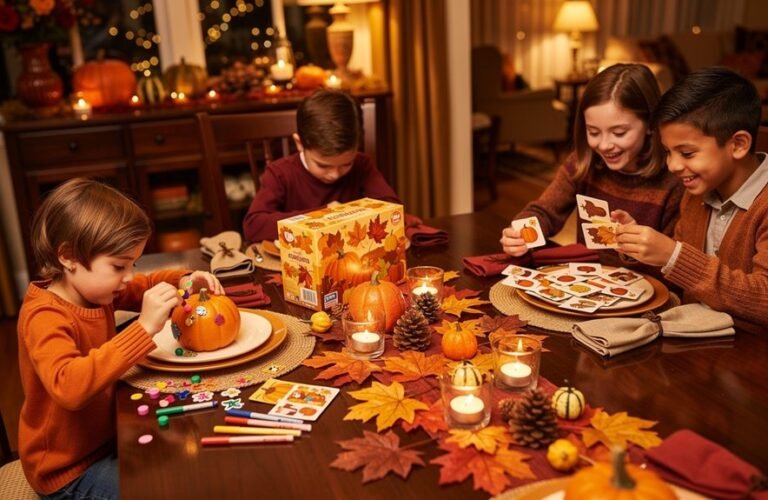
- Have kids decorate a “thank-you table runner” with drawings and notes to people they love, then use it under the feast. Messy? Yes. Memorable? Also yes.
- For each birthday gift, ask your child to name one thing they enjoy about the giver, then help them write or record a quick message.
- On New Year’s Eve, make a “best moments” poster with photos, ticket stubs, and scribbled captions of what made the year awesome for you.
Acts of Kindness Challenge Calendar for Kids
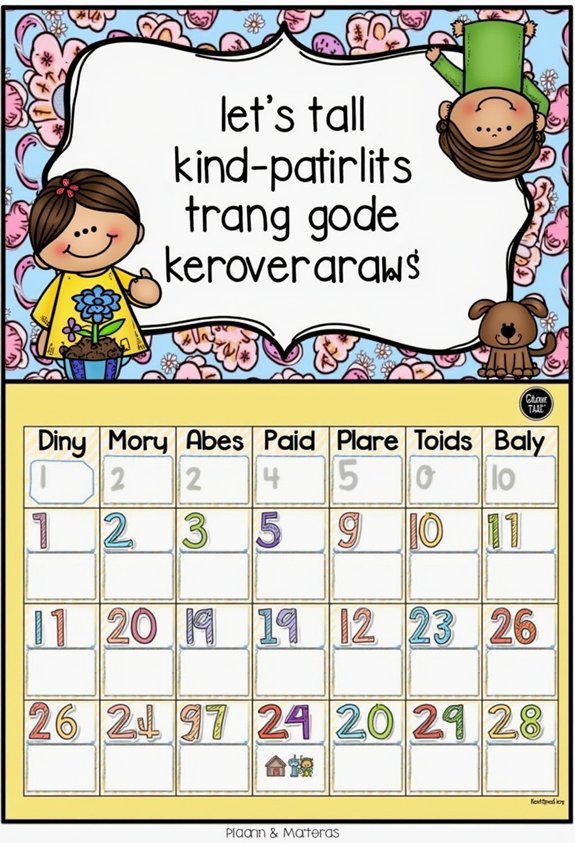
Holidays and birthdays are awesome for thank-yous, but what about all the totally normal Tuesdays in between? That’s where an Acts of Kindness challenge calendar saves the day.
You grab a blank month, your kid grabs markers, and together you fill each square with one tiny mission. Stuff like “hold the door,” “text Grandma,” “pick up ten pieces of trash,” or “let your brother choose the show without whining.”
Boom—built-in gratitude activities.
Keep it simple: one box, one action. If they miss a day, no guilt; tomorrow’s another shot.
Add silly ones too, like “tell a joke to someone grumpy.” By the end of the month, kindness isn’t a random event. It’s just how your kid operates.
And honestly, you’ll feel kinder too inside.
Creating a Cozy Gratitude Corner at Home
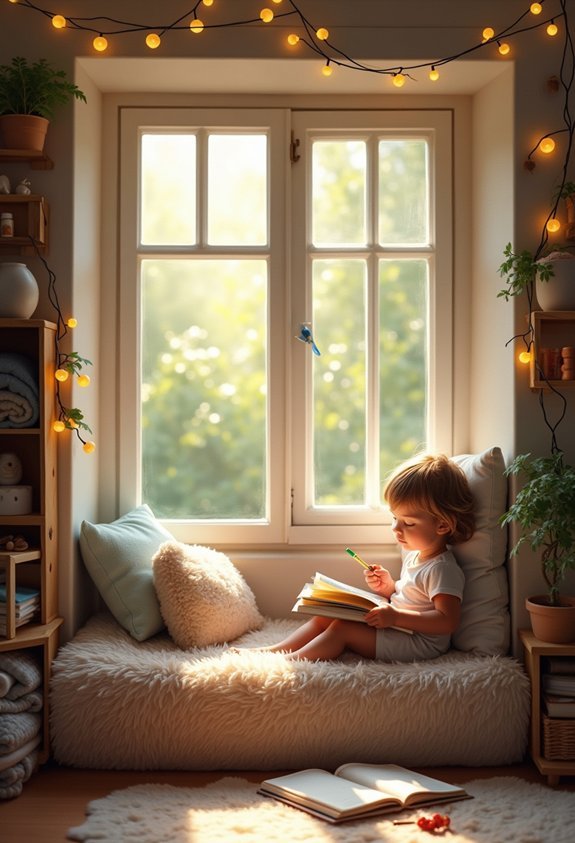
Sometimes you just need a tiny, cozy spot that screams, “Pause your chaos and be thankful for five seconds.” That’s your gratitude corner.
You don’t need a whole room; you just need one little zone where the family goes, breathes, and remembers life isn’t total garbage.
Start with soft stuff. Grab cozy cushions, a fuzzy blanket, maybe that pillow your kid stole from grandma.
Then add a lamp or string lights so it feels like a campfire, minus the mosquitos.
Now build your “gratitude wall.” This is where thankful thoughts go to live:
- Stick up kids’ drawings of things they love.
- Add sticky notes with tiny wins from the day.
- Tape photos of family, pets, and weird, happy moments to remember.
In case you were wondering
How Can I Adapt Gratitude Activities for Kids With Short Attention Spans?
You adapt gratitude activities by using short activities, vivid visuals, and movement. Connect them to engaging themes like favorite heroes, pets, or snacks. Rotate quick stations, set clear start‑end signals, and celebrate immediate sharing moments.
What if My Child Resists or Mocks Gratitude Activities?
You stay calm, acknowledge feelings, and briefly pause. Then you use resistance strategies: offer choices, shorten tasks, connect gratitude to interests. For mockery management, you don’t shame, set boundaries, model sincerity, and praise genuine moments.
How Often Should We Do Gratitude Activities to See Real Benefits?
Isn’t gratitude like brushing teeth—you weave it into daily life. Aim for short daily moments, plus weekly practices that anchor it in your family routines, so everyone rewires attention toward kindness and joy over time.
Can Gratitude Games Help With Sibling Rivalry and Constant Arguing?
Yes, you can use gratitude games to ease sibling rivalry by channeling attention toward kindness. Create short gratitude challenges where kids appreciate each other and earn shared privileges, strengthening empathy and everyday sibling cooperation habits.
How Do I Include Teens Who Think Gratitude Activities Are “Babyish”?
Obviously, teens adore being forced into “babyish” activities, so you’ll slyly flip it: prioritize teen engagement with choice-driven projects, peer-led challenges, volunteering, and creative approaches like music or design that link gratitude to their goals.
Conclusion
So now you’ve got a whole toolbox of gratitude games, right? Here’s the wild theory: if you sneak these into everyday life, your kid might actually complain less and smile more. Test it like a science experiment. One week of hunts, jars, trees, and notes. Watch their mood. Watch yours. If everyone’s still grumpy, fine—blame me. But if it works, you just hacked family happiness. And hey, happier kids mean fewer battles broccoli and bedtime.