What Family Activities Build Better Behavior Naturally?
You don’t need fancy charts to fix kid behavior—just everyday family stuff. Eat dinner together and ask silly questions so everyone practices listening instead of yelling. Play board games where they have to wait their turn. Go outside for walks, scavenger hunts, or soccer so they burn energy instead of your sanity. Do messy art, tiny chores, and simple routines that build pride and patience. Stick with me and you’ll grab a bunch of ideas.
Key Takeaways
- Shared family meals with simple routines calm emotions, strengthen connection, and create daily opportunities to practice listening and respectful conversation.
- Regular board and card game nights teach turn-taking, self-control, patience, and good sportsmanship through fun, low-stakes competition.
- Outdoor activities like hikes, team sports, and scavenger hunts build resilience, cooperation, and communication while kids work together toward common goals.
- Creative projects and hands-on “maker” time encourage problem-solving, collaboration, emotional expression, and pride in effort, not just results.
- Age-appropriate chores and predictable routines build responsibility, accountability, and better behavior by setting clear expectations and praising progress.
Shared Mealtimes That Strengthen Connection and Listening

Even though it can feel like a circus, family mealtimes are one of the easiest ways to calm behavior and build real connection. When you sit down together, you send a loud message: “You matter. I’m here.” Kids soak that up, even while they’re arguing over the last roll.
Keep it simple. Rotate a few easy family recipes so you’re not rage-cooking every night. The goal isn’t fancy; it’s together. Use silly conversation starters: “What was the weirdest thing you saw today?” “If your mood was a weather report, what would it be?”
As kids talk, you coach listening: no interrupting, eyes up, kind words. Over time, the table becomes your daily reset button. Even grumpy teens relax when food and attention show up.
Play and Game Nights That Teach Turn-Taking and Self-Control
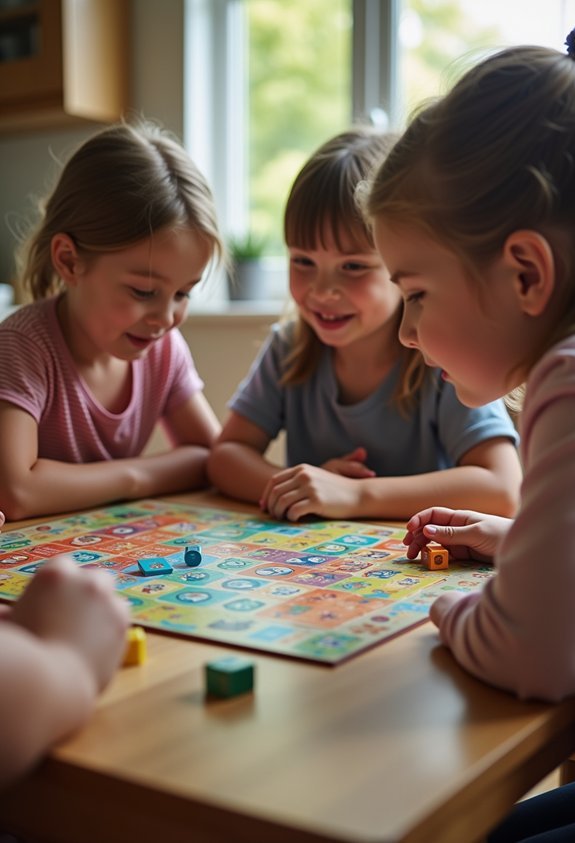
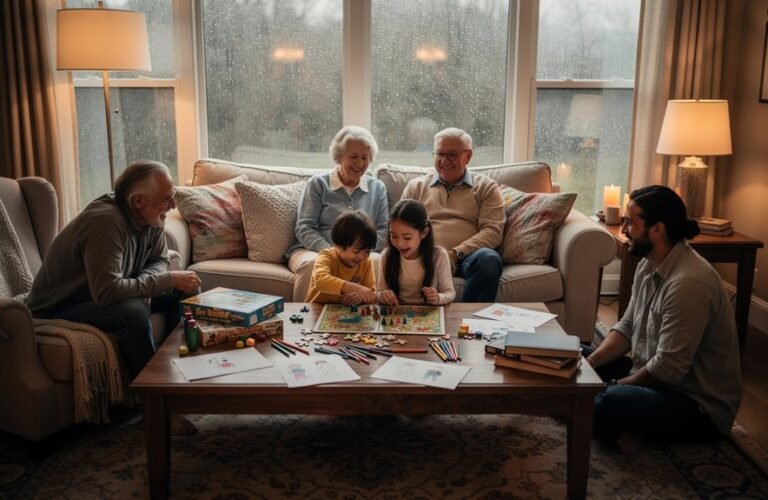
Some nights, the best parenting “tool” is a deck of cards and a plate of snacks. When you play board games or card games, your kids secretly practice self‑control. They’ve to wait, watch, and not flip the table when they lose. That’s gold.
Turn taking exercises and silly waiting games teach, “I can’t always go first, and that’s okay.” Strategy games help kids plan ahead instead of acting on every wild idea. Cooperative puzzles and team challenges force everyone to talk, listen, and not boss each other like tiny dictators.
Toss in role playing games where kids pretend to be brave heroes or calm captains. They test big feelings safely, at your kitchen table. No lecture, no charts—just laughs, snacks, and growth happening.
Outdoor Adventures That Build Resilience and Cooperation
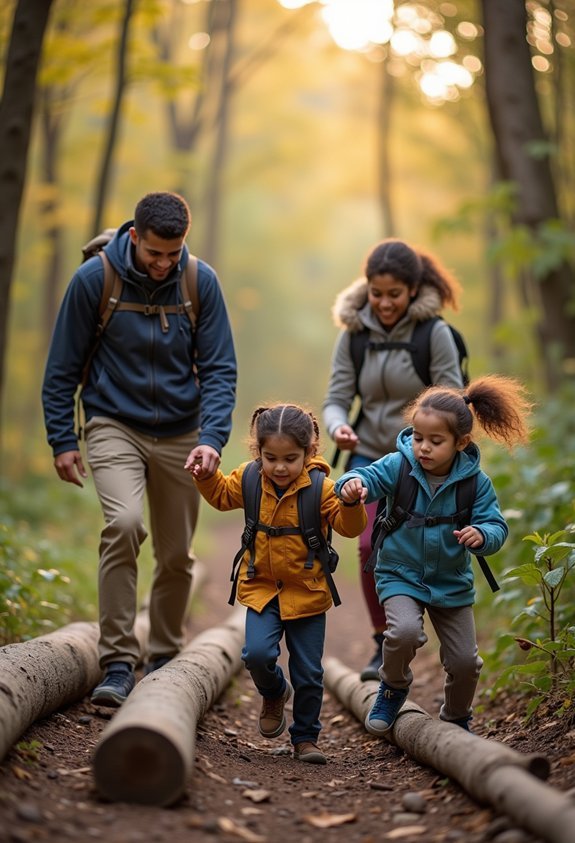
Card games at the table are great, but taking your kids outside is like turning the volume up on all those skills.
On nature hikes, they learn to keep going when their legs scream, “We’re done!” but the trail’s not.
Team sports teach, “Hey, maybe I should pass the ball instead of being a tiny dictator.”
Camping trips? Perfect for sharing jobs, dealing with weird noises, and laughing when the tent falls over.
Scavenger hunts turn kids into detectives who must actually talk to each other.
Climbing challenges and wild outdoor games push them to face fear, lose, try again, and cheer for siblings.
Little by little, they realize, “We’re stronger when we work together.”
And you get kids who bounce back from everything.
Creative Projects That Encourage Problem-Solving and Patience
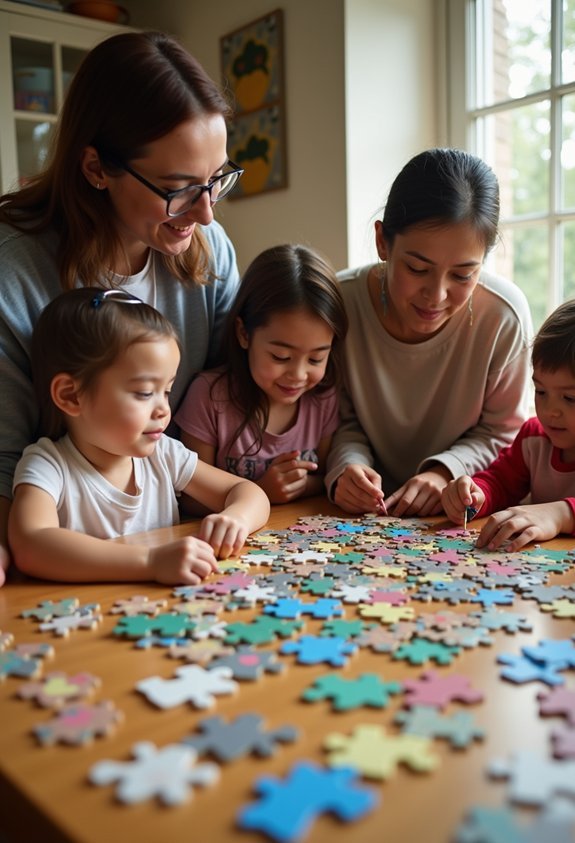
When your kids dive into creative projects, you’re not just killing time till bedtime—you’re secretly training their brains like tiny problem-solving ninjas.
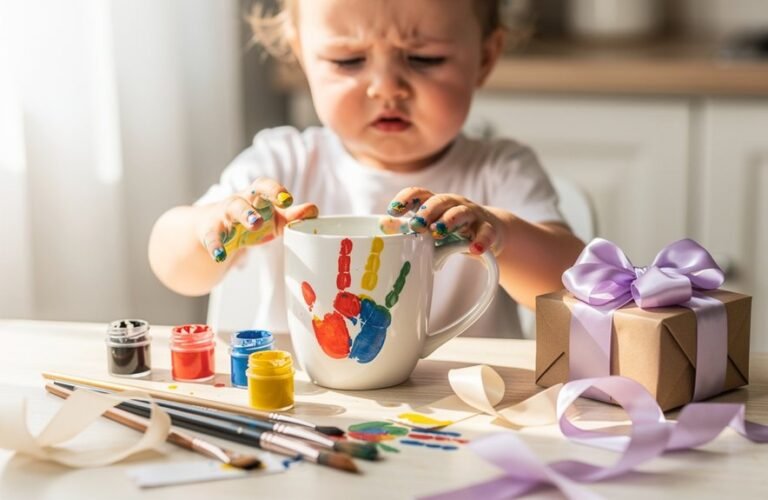
Pull out cardboard, tape, and markers and say, “Let’s build a city.” Then step back. You’ll see negotiating, planning, and epic debates over where the donut shop goes. That’s artistic collaboration in kid form.
Try hands on exploration with simple challenges: “Build a bridge for this toy car,” or “Create a costume using only stuff from this box.”
Don’t rush in when it flops. Let them groan, rethink, and try again. Patience grows in those messy do-overs.
End with a mini “show-and-tell.” Kids explain what worked, what didn’t, and what they’d try next time. They feel proud, calm, and ready to listen.
Chores and Routines That Grow Responsibility and Respect
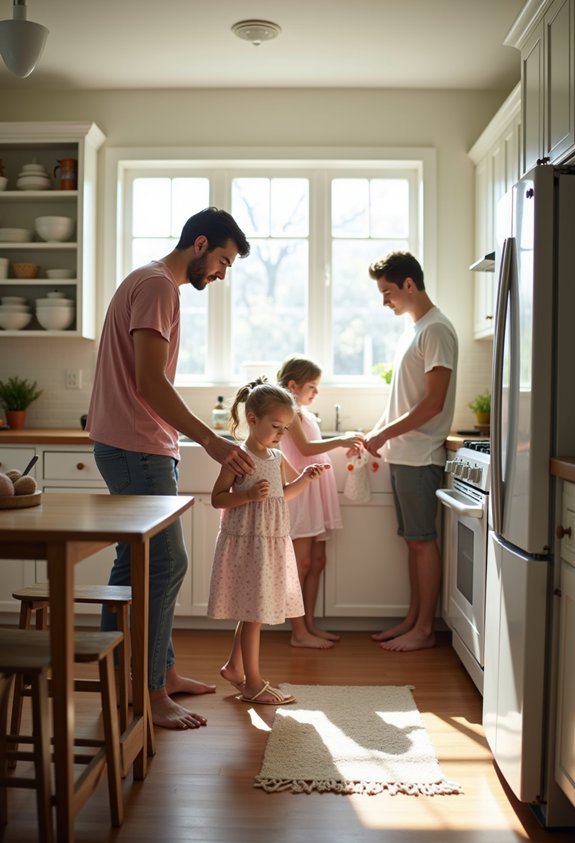
Your kids don’t just need ninja skills for art projects; they need them for real life too—like not treating the house as a hotel where snacks magically appear.
Start with tiny chores: feeding the pet, matching socks, wiping the table. These aren’t punishments; they’re responsibility lessons in disguise.
Tiny chores aren’t punishments; they’re undercover life lessons in responsibility.
Tie jobs to routines so you’re not begging every night. “After dinner, we clear the table. Period.” When you stick to it, kids learn, “I matter here, and what I do counts.” That’s huge.
Add respect building activities: knocking before entering bedrooms, helping carry groceries, putting phones away during meals.
Praise the effort, not perfection. If the fork drawer looks wild, breathe. You’re raising humans, not professional organizers. Messy progress still beats you doing everything alone.
Simple Daily Rituals That Reinforce Empathy and Positive Choices

Even on the wildest days, tiny daily rituals can turn your home from “everyone is yelling” into “okay, this is actually kind of nice.”
Think small stuff, done over and over, that quietly trains your kids’ “be a decent human” muscles. Start with mindful moments, like a 30‑second pause before dinner: “What was one hard thing and one good thing today?”
That sneaks in gratitude practices and empathy exercises without a lecture. Add simple kindness challenges: “Do one secret helpful thing for someone in this house before bed.”
Then call it out with joyful drama when you catch it. Use family storytelling at night and quick reflective journaling for older kids so they notice their choices—and their impact.
Over time, those habits stick hard.
In case you were wondering
How Can Divorced or Co-Parenting Families Use Activities to Support Consistent Behavior?
You use shared calendars, family meetings, and predictable rituals to align co parenting strategies, create consistent routines, and show unity. You prioritize calm handoffs, repeat expectations, celebrate effort, and adjust plans together when conflicts arise.
What Behavior-Building Activities Work Best for Teenagers Who Resist Family Time?
You build better behavior by offering choice-led activities, creative bonding projects, and tech free adventures they’ll help design, like night hikes, cooking challenges, or service projects, then debriefing feelings, decisions, and consequences in honest conversations.
How Can Families With Neurodivergent Children Adapt Activities for Regulation and Positive Behavior?
You adapt by following your child’s cues and planning sensory friendly outings. Use visual schedules, routine building games, quiet breaks, and clear choices. You celebrate wins and adjust expectations to match energy and sensory needs.
What Low-Cost or Free Activities Build Better Behavior for Families on a Tight Budget?
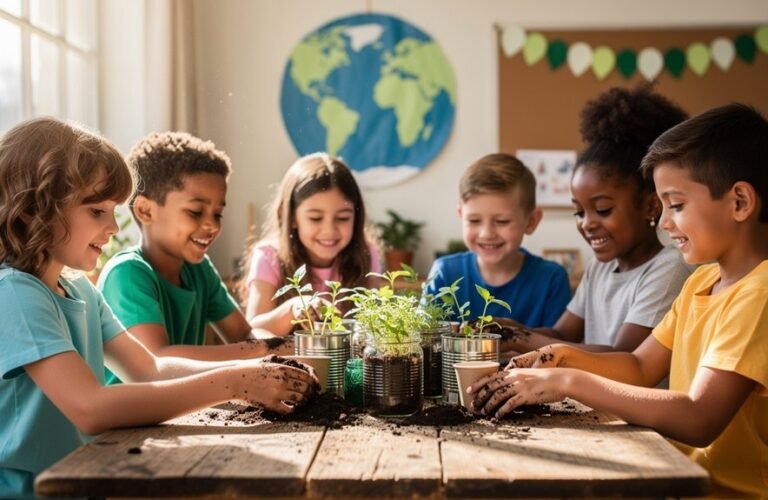
You plant patience like seeds when you join community gardening, sharing tools, stories, and small responsibilities. At home, you hold weekly board game nights, practicing turn-taking, problem-solving, and communication that blossoms into calmer behavior together.
How Do We Handle Sibling Conflict During Activities Without Rewarding Negative Behavior?
You pause the game, calmly describe the problem, and guide each child to share feelings, then brainstorm repairs together. You ignore rewards, praise words, practice conflict resolution skills, and revisit sibling dynamics after emotions cool.
Conclusion
So here’s the wild part: kids in families who eat together 3+ times a week are *about 35% less likely* to have behavior problems. That’s not magic. That’s you, at the table, in the backyard, on the couch, just showing up. You don’t need perfect routines or Pinterest-level crafts. You just need small moments, done often. Play the game. Take the walk. Tell the joke. Your everyday chaos? That’s where the good behavior grows.