13 Best Backyard Easter Egg Hunt Planning Tips
To plan a stress-free backyard Easter egg hunt, you’ll want to create separate zones for different age groups, assign color-coded eggs so every child finds the same amount, and scout hiding spots ahead of time. Snap photos of where you’ve tucked each egg to avoid leftovers baking in the sun later. Toss in a golden egg for extra excitement and have sturdy baskets ready. These tips below will help you pull off a smooth, memorable hunt.
Key Takeaways
- Create separate hunting zones for different age groups with age-appropriate hiding spots and recommended egg quantities per child.
- Track hidden eggs using photos, yard maps, or a notes app to prevent forgotten eggs and simplify post-hunt cleanup.
- Assign color-coded eggs to each child and include special golden eggs per age group for fair, exciting competition.
- Establish clear ground rules, boundaries, and designate adult helpers to monitor zones and maintain orderly fun during the hunt.
- Prepare sturdy, age-appropriate collection containers and plan engaging post-hunt activities like egg races and craft projects.
Set Age-Appropriate Zones for Different Skill Levels
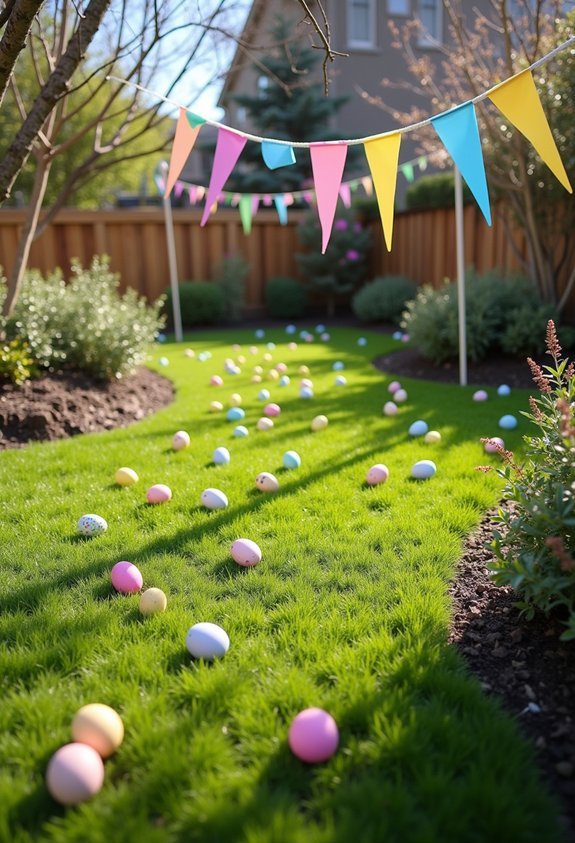
When you’ve got kids of all ages racing for eggs, setting up separate hunting zones keeps things fair and fun for everyone.
Separate hunting zones turn chaotic egg hunts into fair, age-appropriate fun where every child gets a chance to shine.
Here’s how to handle those skill differences:
- Toddlers (ages 1–3): Place eggs in plain sight on flat ground
- Little kids (ages 4–6): Hide eggs at eye level in easy spots
- Bigger kids (ages 7–10): Tuck eggs under bushes and behind objects
- Tweens (ages 11+): Use tricky hiding spots that require real searching
Mark each zone with colored flags or ribbons. This way, age ranges stay separate and nobody feels left out.
You’ll see more smiles when every child finds eggs at their own pace. That’s a win for everyone!
Choose the Right Number of Eggs Per Child

Now that you’ve mapped out zones by age, it’s time to figure out how many eggs each child should hunt for. Getting the egg quantity right keeps everyone happy and engaged.
Here’s a simple guide:
- Toddlers (ages 2–3): 5–8 eggs
- Preschoolers (ages 4–5): 10–12 eggs
- School-age kids (ages 6+): 12–15 eggs
These numbers work well for child engagement without overwhelming little ones or boring older kids.
A quick tip: count your eggs before hiding them. Write down the total. This way you won’t have surprise discoveries in June!
You can always add a few extra eggs per child. Running out too quickly feels disappointing. A little abundance goes a long way toward smiles.
Scout Your Yard for the Best Hiding Spots
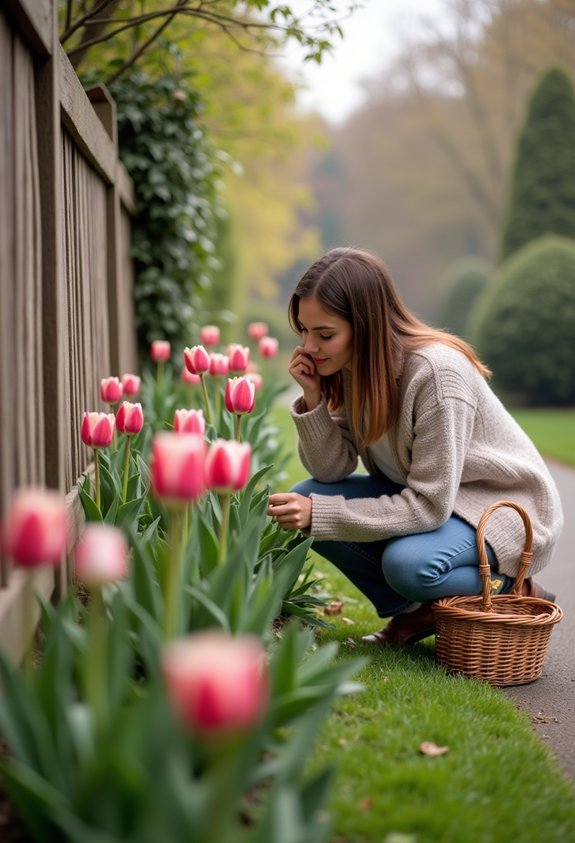
Before you start tucking eggs into every nook and cranny, take a quick walk around your yard. Look for the best spots that match your hunters’ ages. You’ll want a mix of easy finds and creative hiding places to keep everyone excited.
Here are some great spots to consider:
- Low branches on bushes or small trees
- Garden beds near colorful flowers
- Outdoor furniture like chair legs or planters
- Lawn decorations or garden statues
Think about sight lines too. Younger kids need eggs at eye level or below. Older kids can handle trickier spots like inside a watering can or tucked behind a rock. Your creative hiding makes the hunt memorable. A little planning goes a long way toward big smiles.
Use Color-Coded Eggs for Fair Distribution

Assigning each child their own egg color takes the stress out of sharing and keeps the hunt fair for everyone. This simple trick prevents older kids from snagging all the eggs before little ones get started.
Understanding egg color significance helps you plan better. Here’s how to make it work:
Color-coding your Easter egg hunt transforms chaos into organized fun where every child wins.
- Give each child one specific color to find
- Fill all colors with similar treats
- Hide the same number of each color
This approach creates fair competition without tears or arguments. Every child gets an equal chance to succeed at their own pace.
You’ll love watching kids focus on their colors instead of racing each other. The hunt stays fun, and everyone goes home happy with their basket.
Fill Eggs With a Variety of Treats and Surprises

While candy remains the classic choice, mixing up what goes inside your eggs makes the hunt even more exciting. Creative fillings keep kids guessing and add extra joy to each discovery.
Try these fun surprises beyond the usual sweets:
- Small stickers or temporary tattoos
- Coins or dollar bills for older kids
- Tiny figurines or bouncy balls
- Puzzle pieces that form a picture when combined
You can also slip in little notes with jokes or clues leading to a bigger prize. This keeps the excitement going even after the hunt ends.
Don’t stress about filling every egg the same way. The variety itself becomes part of the adventure. Kids love not knowing what they’ll find next!
Create a Clear Start and Finish System
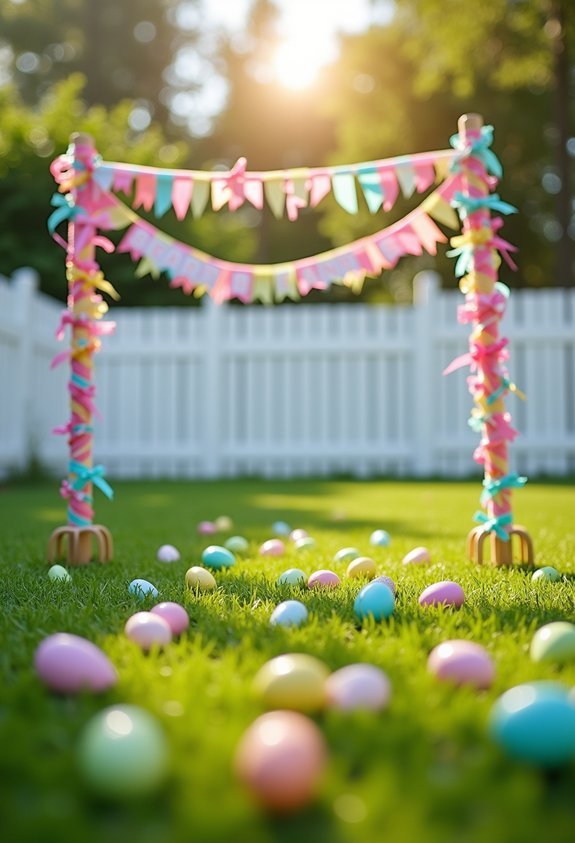
Even the most excited group of kids can turn chaotic without clear boundaries for your egg hunt.
Set Up Your Boundaries
A simple start line keeps everyone fair. Try these options:
- A rope laid across the grass
- A row of garden stakes with ribbon
- Sidewalk chalk on pavement
Mark the Finish
Your finish line signals when the hunt ends. You can use:
- A decorated basket return station
- A picnic blanket gathering spot
- A simple banner between two chairs
Quick Tips for Success
Give a countdown before releasing hunters. Use a whistle or bell to signal the finish line moment. This keeps energy high and confusion low.
You’ll feel confident knowing everyone understands the rules from the very first moment.
Prepare Backup Plans for Unpredictable Weather
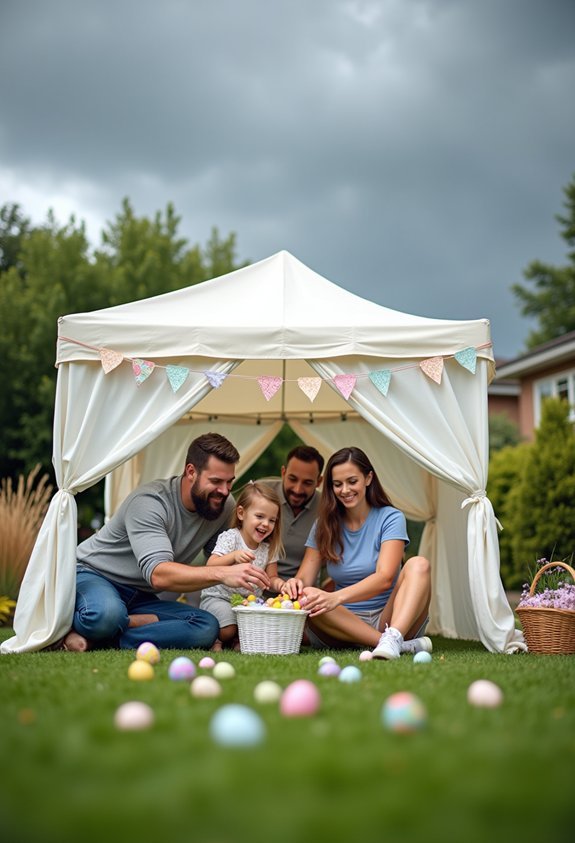
Once you’ve nailed down your start and finish system, it’s smart to think about what happens if the sky doesn’t cooperate. Spring weather can surprise you, so having rainy day options ready keeps the fun going no matter what.
Here are simple backup ideas to consider:
- Move the hunt to a covered porch or garage
- Set up indoor activities like egg decorating stations
- Use plastic eggs for a living room scavenger hunt
- Create a “find the bunny” game with stuffed animals
You don’t need a perfect sunny day to make memories. A little flexibility goes a long way. Your kids will remember the excitement and togetherness, rain or shine.
Set Ground Rules Before the Hunt Begins
Before the first egg gets hidden, take a moment to gather everyone and explain how the hunt will work. Clear expectations make the experience fun for all ages.
Quick egg hunt etiquette guidelines:
- Each child collects a set number of eggs
- Older kids help younger ones spot tricky hiding spots
- No pushing or grabbing from someone else’s basket
- Share the golden egg prize if found together
Safety considerations to mention:
- Stay within marked boundaries
- Walk, don’t run, near garden beds or steps
- Tell an adult if you find a cracked egg
You’ll feel more relaxed knowing everyone understands the plan. A quick two-minute chat prevents tears and keeps smiles going strong.
Designate Adult Helpers to Monitor Each Zone
Ground rules give everyone a shared game plan, but you’ll also need extra eyes around the yard to keep things running smoothly. Assign adult responsibilities before the hunt starts so each helper knows exactly where to stand and what to watch for.
Helper roles can include:
- Zone monitor – Watch one area and gently guide kids who wander off course
- Safety spotter – Keep an eye out for tripping hazards or rough play
- Egg refiller – Quietly restock hiding spots during longer hunts
- Comfort captain – Help little ones who feel overwhelmed or left out
Even two or three helpers make a big difference. Give each person a quick briefing so they feel confident. Your team keeps the fun going and the stress low.
Add Themed Challenges and Special Golden Eggs

While a basic egg hunt is plenty of fun, adding themed challenges and special golden eggs takes the excitement up a notch.
Try these themed challenges to boost engagement:
- Riddle eggs: Hide clues inside that lead to the next spot
- Color missions: Ask kids to find eggs in rainbow order
- Puzzle pieces: Scatter pieces across eggs for a final surprise
The golden egg deserves special attention. Make it slightly harder to find and fill it with a prize that stands out. Think small toys, extra candy, or a fun certificate.
The golden egg is the ultimate prize—make it worth the hunt with a reward that feels truly special.
You can have one golden egg per age group so everyone gets a fair chance. Kids love the thrill of searching for something rare. Their faces light up when they spot that shiny treasure!
Keep Track of Hidden Egg Locations
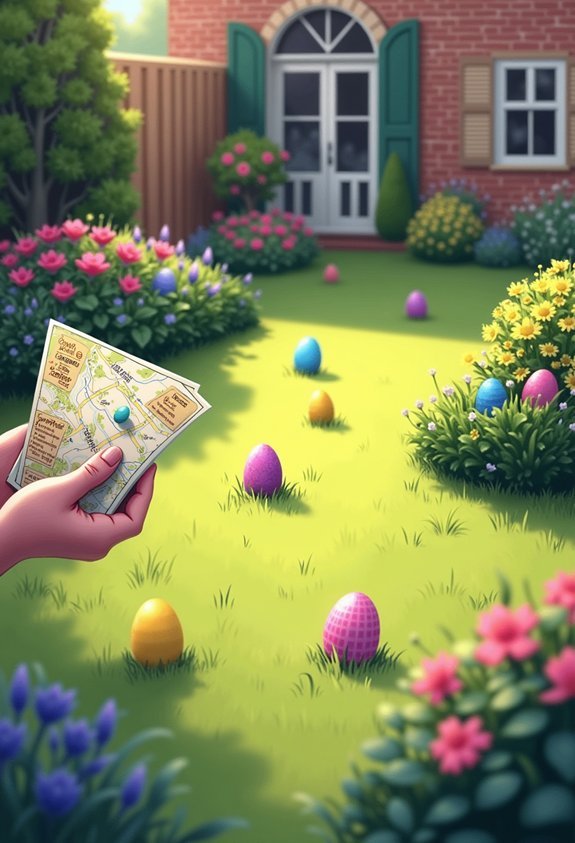
Once you’ve hidden all those colorful eggs, you’ll want a way to remember where they went. Egg tracking saves you from finding surprises weeks later! A quick map creation sketch works wonders for busy parents.
Try these simple tracking methods:
- Snap photos of each hiding spot on your phone
- Draw a quick yard map and mark egg locations with X’s
- Count eggs by zone (garden area, patio, tree section)
- Use a notes app to list spots as you hide
You’ll feel so relieved when the hunt ends and every egg is found. No forgotten eggs means no smelly surprises later. Trust yourself—this small step makes cleanup easy!
Provide Sturdy Baskets and Collection Containers

A sturdy basket makes all the difference when little hands are grabbing eggs left and right. You want something that won’t tip over or fall apart mid-hunt.
A basket that stays upright and intact lets little ones focus on the fun, not fumbling with their finds.
Basket materials to consider:
- Woven wicker for a classic look
- Plastic buckets for durability
- Fabric-lined baskets for cushioning
- Metal pails for reusable charm
Popular collection styles include:
- Traditional handled baskets
- Drawstring bags for older kids
- Small backpacks for hands-free hunting
- Personalized containers with names
Match the size to your child’s age. Toddlers do best with smaller, lightweight options. Bigger kids can handle larger containers.
Pro tip: Bring a few extras. Handles break. Kids forget theirs at home. You’ll be glad you planned ahead.
Plan Post-Hunt Activities to Keep the Fun Going
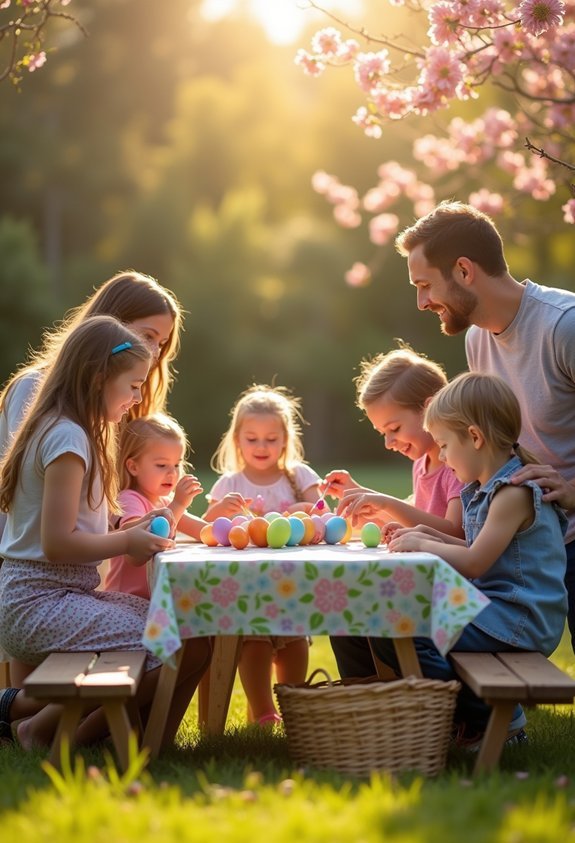
After the last egg lands in a basket, the excitement doesn’t have to end. You can stretch the celebration with simple post hunt games and creative crafts that keep everyone smiling.
Try these easy ideas:
- Egg and spoon races across the yard
- Decorate paper bunny masks with markers and stickers
- Count and sort candy by color or type
- Plant flower seeds in empty plastic eggs
These activities give kids something fun to do while the adults catch their breath. You don’t need fancy supplies. Just grab what you have on hand. The goal is simple—keep that happy energy flowing a little longer. Your crew will thank you!
In case you were wondering
How Far in Advance Should I Hide Easter Eggs Before the Hunt Begins?
You should hide Easter eggs 30 minutes to one hour before the hunt begins. When considering timing considerations, you’ll want to use egg hiding techniques that protect eggs from direct sunlight and curious pets.
What Time of Day Is Best for Hosting an Outdoor Easter Egg Hunt?
You’ll want to host your hunt mid-morning when weather considerations like temperature and sun exposure are most comfortable. This timing works for the ideal age range since younger children aren’t too tired or hungry yet.
How Do I Prevent Pets From Finding or Eating the Hidden Easter Eggs?
Curiosity killed the cat, so prioritize pet safety by keeping furry friends indoors during the hunt. You’ll want to skip egg camouflage in areas pets frequent and use pet-proof containers they can’t easily open.
Are Plastic Eggs or Real Dyed Eggs Better for Backyard Easter Hunts?
You’ll find plastic egg benefits include reusability, durability, and they won’t spoil outdoors. Real egg drawbacks involve cracking, attracting pests, and food safety concerns if left hidden too long in warm weather.
How Long Should an Easter Egg Hunt Typically Last for Young Children?
Like Peter Rabbit’s quick garden adventures, you’ll want to keep egg hunt duration brief for young children—aim for 15 to 20 minutes. You shouldn’t let it drag on, as little ones lose interest quickly.
Conclusion
You’ve got everything you need to create an amazing backyard adventure. Here’s something fun to know: Americans purchase over 16 billion jellybeans for Easter each year. That’s enough to circle the globe three times!
Now it’s your turn. Pick a few tips that feel right for your family. Start simple. Watch the kids’ faces light up. That’s the real treasure right there.