10 Best Quiet Art Activities for Independent Play
Quiet art activities are perfect for giving your child screen-free creative time while you catch a breath. You can set them up with watercolor painting, collage making from old magazines, playdough sculpting, or simple sticker scenes. Coloring books, dot markers, and foam shape mosaics keep little hands busy without the noise. These activities build focus, fine motor skills, and confidence—all while letting imaginations run free. Below, you’ll find even more ideas to try.
Key Takeaways
- Watercolor painting encourages independent creativity with minimal supplies while teaching color theory through wet-on-wet techniques and gradient washes.
- Coloring activities provide screen-free, calming engagement that improves focus and concentration through repetitive motions and personal color choices.
- Collage making recycles old magazines into themed artwork, building confidence through image selection while keeping hands busy quietly.
- Playdough sculpting offers reusable, open-ended sensory play with calming squeezing motions and no right or wrong creative outcomes.
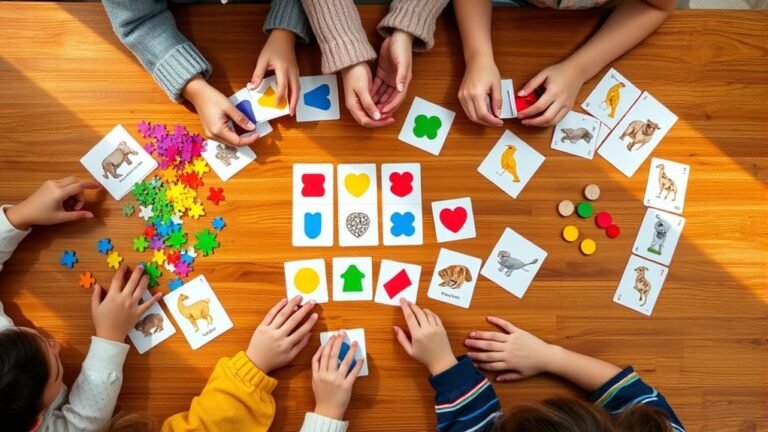
- Foam shape mosaics provide mess-free, noise-free art that develops planning skills and spatial awareness through colorful shape arrangements.
Watercolor Painting With Minimal Supplies

Watercolor painting might just be the perfect quiet activity for independent play. You don’t need fancy supplies—just paper, a basic paint set, water, and a brush.
Getting Started
Set up a simple workspace with:
- A cup of water
- Paper towels for blotting
- A plate or palette for color mixing
Easy Watercolor Techniques to Try
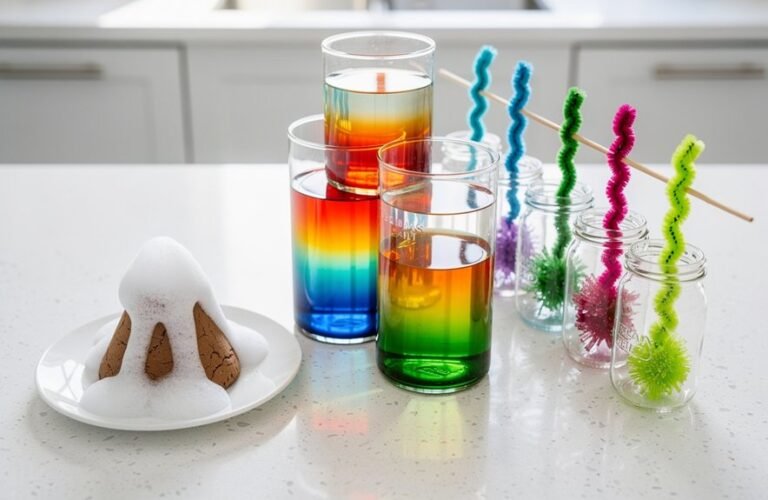
- Wet-on-wet: Brush water on paper first, then add paint. Watch colors bloom and blend.
- Layering: Let one color dry, then paint over it for depth.
- Gradient washes: Start with lots of water, add more paint as you go.
Your child will love experimenting with color mixing. Blue and yellow make green. Red and blue create purple. It’s science and art together—quietly magical.
Collage Making With Old Magazines
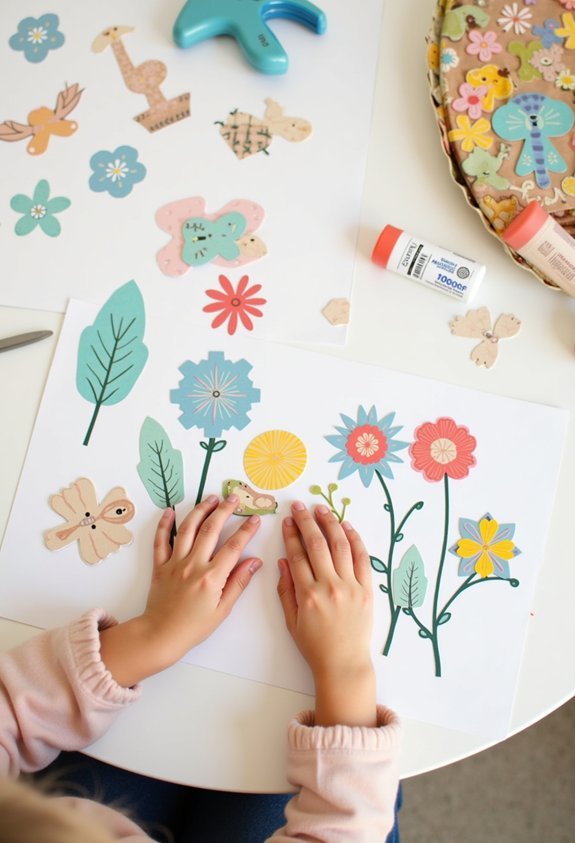
Collage making offers another wonderfully quiet creative outlet—and it’s a fantastic way to recycle those old magazines piling up in your home.
Your child can explore different magazine themes to spark ideas:
- Nature scenes
- Food and cooking
- Animals
- Fashion and patterns
Simple collage techniques work best for independent play. Tearing paper creates soft edges. Cutting makes clean shapes. Layering adds depth and interest.
Getting started is easy:
- Gather a few magazines and child-safe scissors
- Set out glue sticks and sturdy paper
- Let your child hunt for images they love
There’s no wrong way to collage. Every choice builds confidence. The quiet snipping and arranging keeps little hands busy while imaginations soar.
Playdough Sculpting and Creations
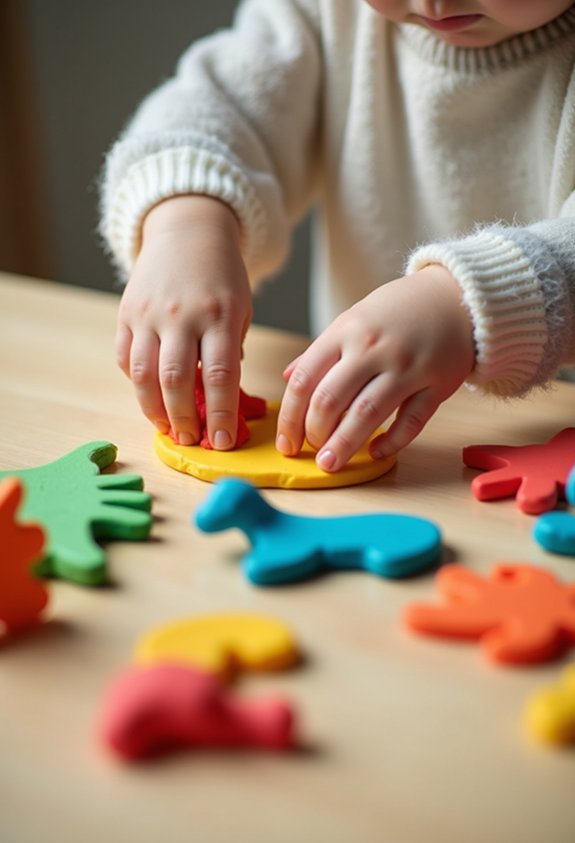
When you’re looking for a quiet activity that keeps little hands busy for ages, playdough is hard to beat. Homemade playdough recipes let you customize colors and sensory textures to match your child’s preferences. Some kids love smooth dough while others enjoy versions with rice or glitter mixed in.
Playdough sculpting builds creativity and strengthens fine motor skills at the same time. Here’s why it works so well:
- It’s calming — the squeezing and shaping motion soothes busy minds
- It’s open-ended — there’s no right or wrong way to create
- It’s reusable — one batch provides hours of independent play
Set out a few simple tools like cookie cutters or plastic forks. Then step back and watch imagination take over.
Sticker Art and Scene Building

Sticker art offers one of the easiest ways to spark creativity without any mess to clean up afterward. Your child simply peels, places, and builds entire worlds on paper.
Getting Started:
- Grab a blank sheet or printed background
- Gather themed sticker packs (animals, vehicles, nature)
- Let your child create sticker stories that unfold across the page
Kids love building themed scenes where characters interact. A farm backdrop becomes alive with barn animals. A blank ocean page fills with colorful fish and boats.
Themed backdrops transform simple stickers into storytelling magic—watch farm animals come alive or colorful fish fill an ocean scene.
You can encourage storytelling by asking about the scene later. What’s happening? Where are the characters going?
This quiet activity builds fine motor skills and narrative thinking. Plus, those little fingers stay busy while you get a peaceful break.
Coloring Books and Printable Pages

Building on that love of visual play, coloring books and printable pages offer another screen-free way to keep little hands busy. Your child can explore color theory naturally by choosing which shades look good together. They’ll discover shading techniques as they press harder or softer with crayons.
Here’s why coloring works so well for quiet time:
- Builds focus — Staying inside the lines takes real concentration
- Encourages creativity — There’s no wrong way to color a butterfly purple
- Calms busy minds — The repetitive motion soothes anxious energy
Keep a basket of printable pages ready for waiting rooms or rest time. You can find endless free options online. Let your child pick themes they love—dinosaurs, flowers, or favorite characters.
Pipe Cleaner Sculptures
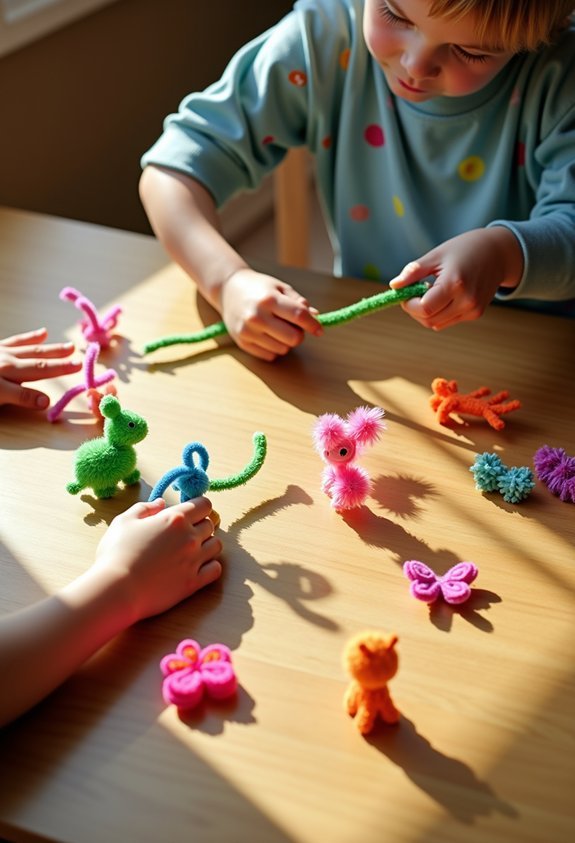
A single pack of pipe cleaners opens up endless possibilities for quiet, creative play. Your child can bend, twist, and shape these fuzzy wires into anything they imagine—animals, flowers, or abstract designs.
Simple pipe cleaner techniques to try:
- Spiral wrapping around a pencil
- Braiding three pieces together
- Bending into basic shapes like hearts or stars
Creative twists come naturally once kids get started. They might connect multiple pieces to build a tiny treehouse or craft a whole family of stick figures.
Once those little hands start twisting, imagination takes over—suddenly pipe cleaners become tiny worlds waiting to be explored.
Quick tips:
- Start with thicker pipe cleaners for little hands
- Keep scissors nearby for trimming
- Store finished creations in a shoebox gallery
This activity builds fine motor skills while keeping things wonderfully quiet.
Paper Weaving Projects

Paper weaving transforms ordinary construction paper into colorful mats, bookmarks, and mini masterpieces. Your child cuts strips and threads them over and under through slits in a base paper. This simple rhythm creates beautiful woven paper designs that build focus and patience.
Textile art doesn’t require fancy supplies. Two contrasting paper colors work perfectly for beginners.
Why kids love this activity:
- They see quick results that feel impressive
- The repetitive motion calms busy minds
- Each finished piece looks professionally crafted
You can guide your child to start with wide strips for easier handling. As skills grow, thinner strips create more detailed patterns. Frame their finished work or turn it into placemats for pretend tea parties. Every woven creation builds confidence and fine motor strength.
Dot Marker Art Activities
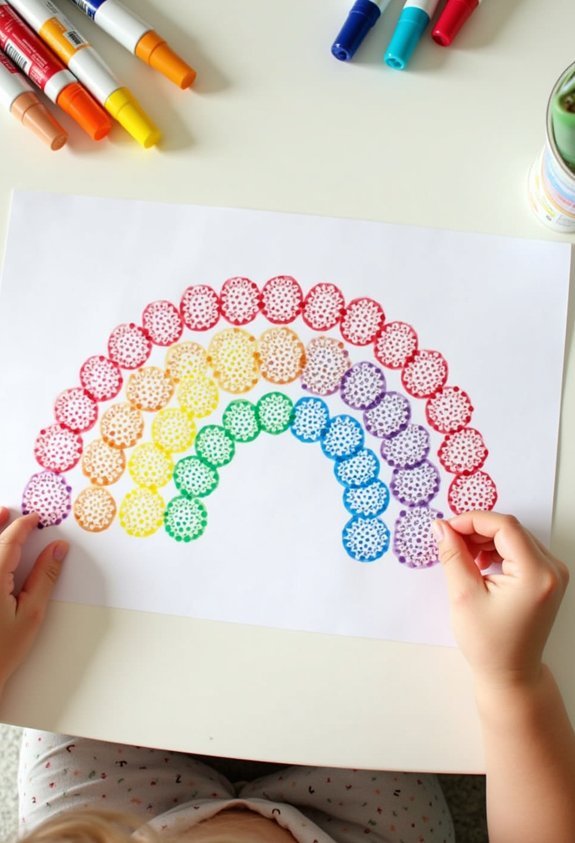
Dot markers offer a totally different creative experience—one that trades the careful weaving rhythm for bold, satisfying stamps of color.
Dot markers turn art time into pure, satisfying fun—no precision required, just bold color and instant creative joy.
Your child can explore various dot marker techniques with simple guidance:
- Overlapping dots create depth and new colors
- Spacing dots evenly builds pattern recognition
- Filling shapes strengthens hand control
Try these dot marker patterns to get started:
- Rainbow arches using one dot at a time
- Flower gardens with dot petals around center circles
- Caterpillars marching across the page
The chunky grip fits little hands perfectly. No brush control needed here—just press and lift. That instant result feels so rewarding.
You’ll notice focus settling in as your child stamps away quietly, building confidence with every colorful circle.
Window Cling Decorating
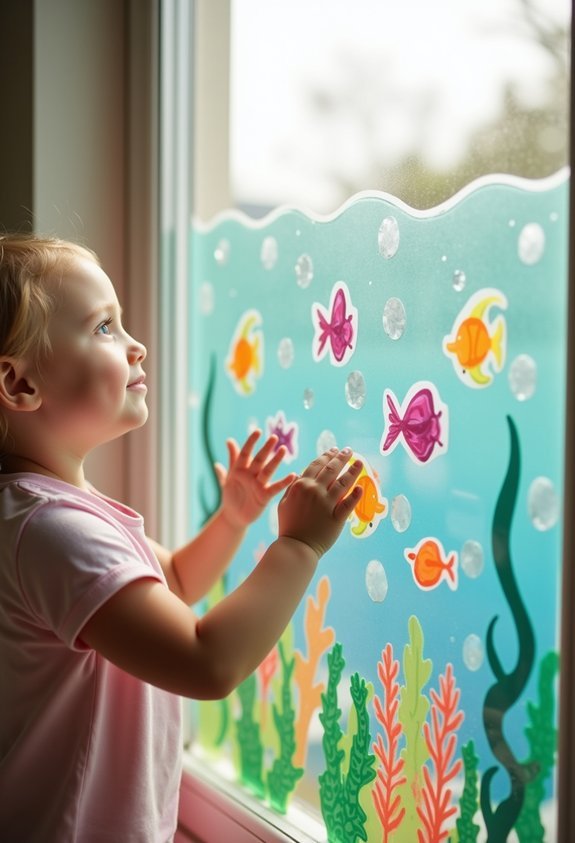
Bright, colorful window clings transform any glass surface into your child’s personal art gallery—and the best part is they peel off cleanly when creativity calls for a change.
Your little one can explore various window cling techniques without any mess. They’ll layer shapes, create scenes, and rearrange designs as many times as they want. This quiet activity builds spatial awareness while keeping hands busy.
Why kids love window clings:
- They stick like magic without glue or tape
- Seasonal designs let them celebrate holidays and weather changes
- Mistakes disappear with a simple peel and restart
Stock up on themed sets throughout the year. Your child can decorate for fall leaves, winter snowflakes, or spring flowers. The glass becomes their canvas, and sunlight makes every creation glow.
Quiet Mosaics With Foam Shapes
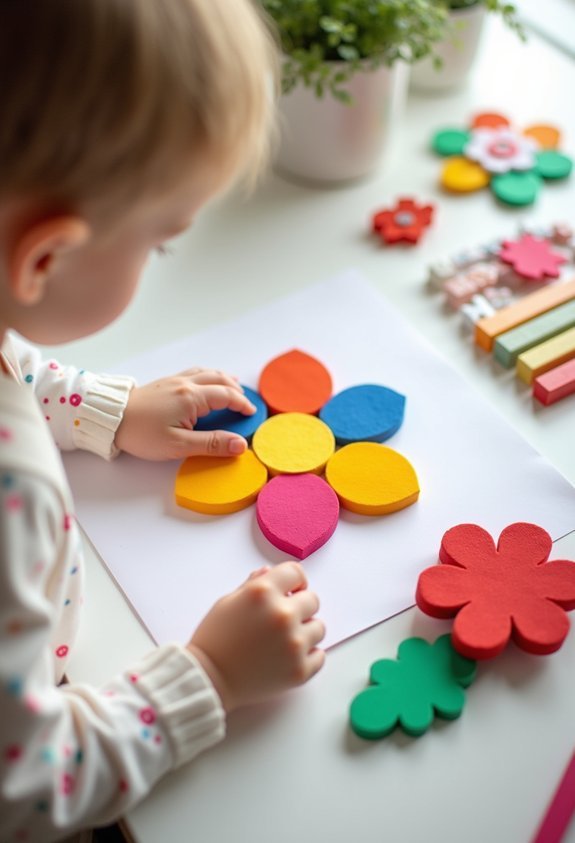
When your child craves a creative challenge without the cleanup, foam shape mosaics deliver the perfect solution. These soft, colorful pieces stick to paper with simple glue sticks and make zero noise.
Simple foam shape techniques to try:
- Layer shapes to create depth
- Mix geometric pieces with themed cutouts
- Arrange by color gradients
Easy mosaic design ideas:
- Rainbow patterns
- Animal faces
- Flower gardens
- Abstract designs
Set out a variety of shapes and let your child arrange before gluing. This builds planning skills and spatial awareness. The foam pieces are easy to reposition until everything looks just right.
You’ll love how quietly they work. They’ll love the vibrant results they create all on their own.
In case you were wondering
What Age Range Is Best Suited for Independent Quiet Art Activities?
You’ll find children ages 3-6 thrive with independent quiet art activities. Toddler art works best with simple materials like crayons and stickers, while preschool projects can include more complex crafts like collages and painting.
How Long Can Children Typically Stay Engaged With These Art Projects?
You’ll find engagement duration varies by age—toddlers maintain attention span for 10-15 minutes, while older children can focus for 30-45 minutes. You can extend their engagement by providing varied materials and open-ended projects.
Are These Activities Safe for Children With Sensory Processing Differences?
You might wonder if these activities work for every child. They absolutely can! When you choose sensory friendly materials and incorporate calming techniques, you’ll create a supportive environment where children with sensory processing differences thrive independently.
How Do I Store Unfinished Art Projects for Later Completion?
You’ll want to focus on project preservation by using flat storage bins with wax paper between layers. For proper art supply organization, label containers by project and store them in a cool, dry space.
What Should I Do if My Child Gets Frustrated During Independent Play?
When your child shows frustration during independent play, step in calmly and acknowledge their feelings. Offer frustration management techniques like deep breaths, then guide them toward creative solutions such as simplifying the project or trying a different approach.
Conclusion
These quiet activities are more than just ways to pass time. They’re small seeds you’re planting for creativity, focus, and independence.
Each finished collage or painted page becomes a little flag of accomplishment. Your child learns they can create something meaningful on their own.
Start with one activity this week. Set up the supplies. Step back. Watch what grows.
You’ve got this—and so do they.