What Are Easy Backyard Treasure Hunt Clues?
Easy backyard treasure hunt clues are super simple hints that point kids to obvious spots like the slide, tree, porch, or grill without anyone crying or storming off. Think short rhymes (“Look by the swing where you fly through the air!”), picture clues for non-readers, or tiny riddles that describe the place without naming it. Each clue should end with an action, like “run,” “jump,” or “peek,” and the fun really starts when you see how many ways you can do this.
Key Takeaways
- Use simple riddle-style clues that describe familiar yard items (like a swing or tree) without naming them directly.
- Include short rhyming clues that clearly lead kids from one specific outdoor spot to the next.
- Add picture clues or color hints for younger children who can’t read yet.
- Focus each clue on one obvious, visible object to avoid confusion and keep the hunt moving.
- Create a looped path of clues around safe, accessible areas of the yard to maintain excitement and momentum.
Why Simple Clues Make Treasure Hunts More Fun
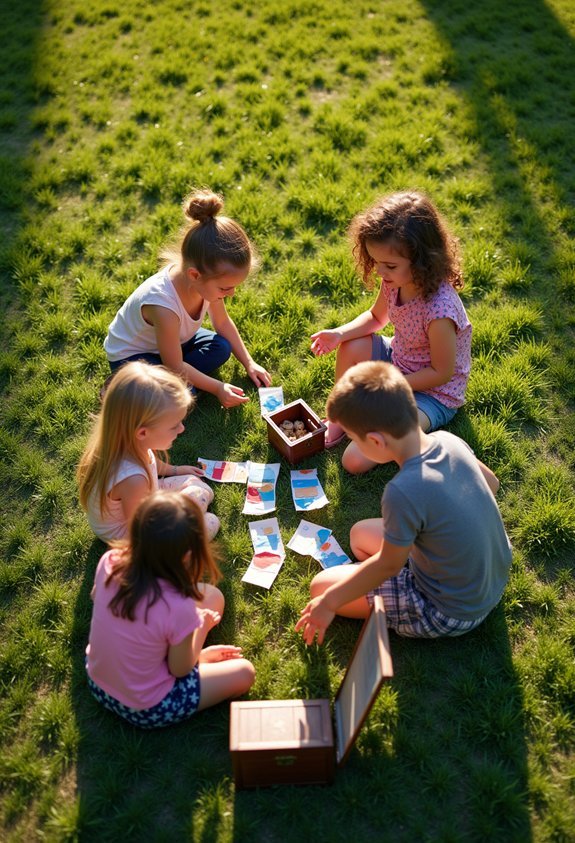
When it comes to a backyard treasure hunt, simple clues are the secret sauce that keeps everyone actually having fun instead of standing around looking confused and sad.
You want kids sprinting across the grass, not squinting like they’re taking a math test. That’s the magic of simple clue benefits: people solve them fast, get a quick win, and feel like geniuses.
Every success is a little hit of “Whoa, I did it!” and that keeps them hooked. You’re enhancing engagement without anyone noticing; they’re too busy laughing and yelling, “I found it!”
Simple clues also stop the drama. No tears, no giving up, no bored adults “helping” too much. Just steady action, big smiles, and a finish that actually feels earned for everyone.
Key Ingredients of an Easy Backyard Treasure Clue
Even though it feels like you’re just scribbling stuff on paper, a great easy clue is basically a tiny magic trick in your backyard.
You want kids to gasp, not groan. So each clue needs a few key parts that keep the fun high and the whining low.
- Start with one clear idea, like “go to the slide,” not a whole riddle novel.
- Use objects they can see or touch: hose, grill, flowerpot, backyard chair.
- Add a tiny twist that sparks clue creativity, like a rhyme or silly voice.
- Point toward outdoor exploration, not the living room couch.
- End with a feeling: “Run!” “Sneak!” or “Tiptoe like a ninja,” so their bodies join the game from start to silly finish.
Age-Appropriate Difficulty: Toddlers, Kids, and Mixed Ages
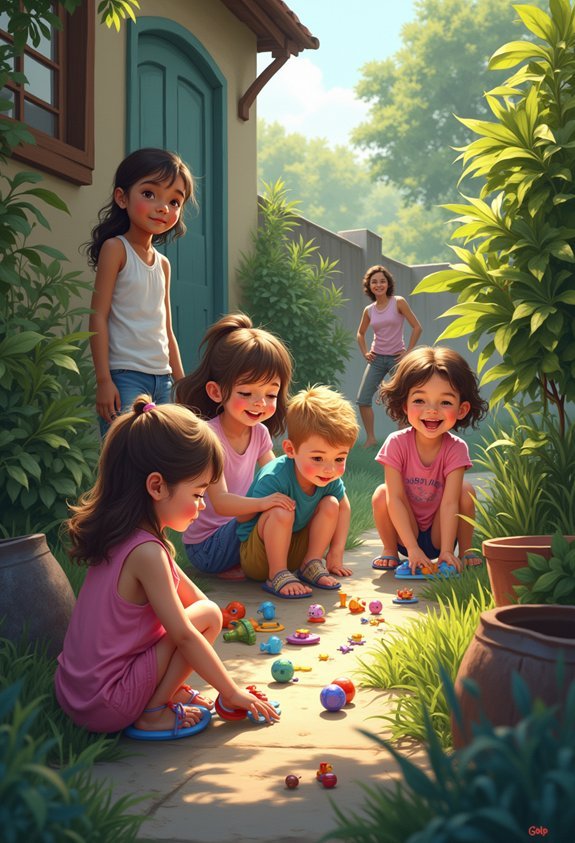
Although it’s tempting to make every clue a brain-buster, the “right” difficulty totally depends on who’s tearing around your yard.
For toddler clues, think super obvious. Big arrows, pictures, and “Look under the red chair!” level hints. If they can’t read yet, use colors, stickers, or simple drawings. You want happy squeals, not meltdown-in-the-mud vibes.
For early elementary kids, bump it up. Short rhymes, simple directions, and two-step ideas work great. Those are still kid friendly clues, just with a tiny brain stretch.
Got mixed ages? Use layered clues. The big kids read the words; the littles follow the picture. Or have older kids “coach” the younger ones. Everyone feels smart, nobody feels stuck, and the hunt keeps flying from clue to clue nonstop.
Classic Riddle-Style Clues Using Everyday Yard Items
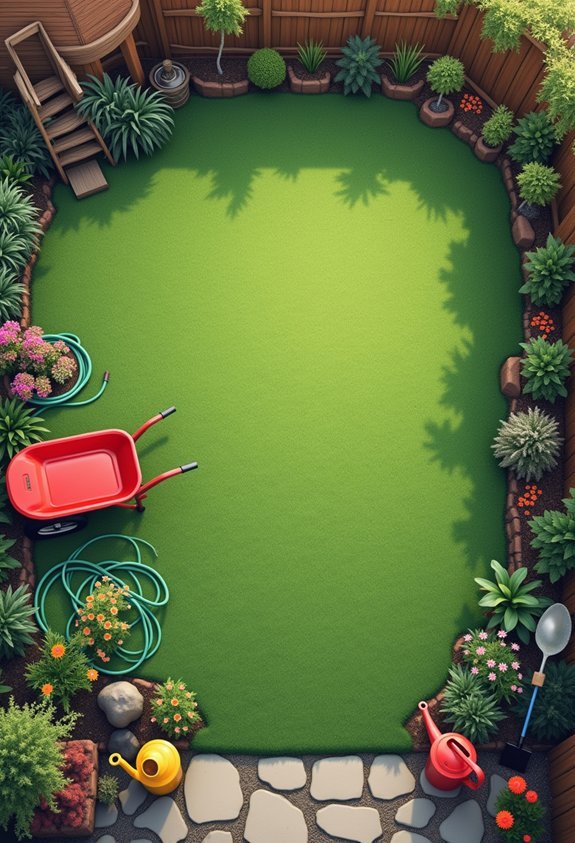
Riddle-style clues are where your backyard hunt suddenly feels like a secret spy mission instead of “go look by the grill, kid.”
You take normal stuff in your yard—trees, swings, hoses, lawn chairs—and turn them into little mysteries the kids have to solve.
Classic yard items turn into characters. You write engaging riddles that point to how they look or what they do, not their names.
Keep it silly, quick to read, and just hard enough that kids shout when they crack it.
Sample lines:
- Tall, green, and shady, I never walk.
- I swing you high, but feet stay put.
- I drink from tap, then spit on grass.
- Four legs, no bark, I hold your snacks.
- Open my lid; your muddy tools gasp, free.
Directional and Map-Based Clues That Are Simple to Follow
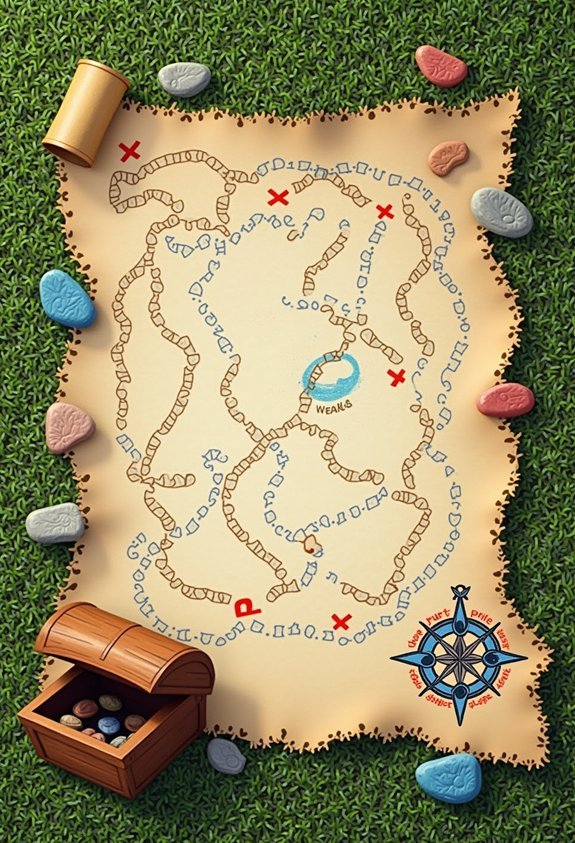
Your riddles got their brains buzzing; now you can get their feet moving.
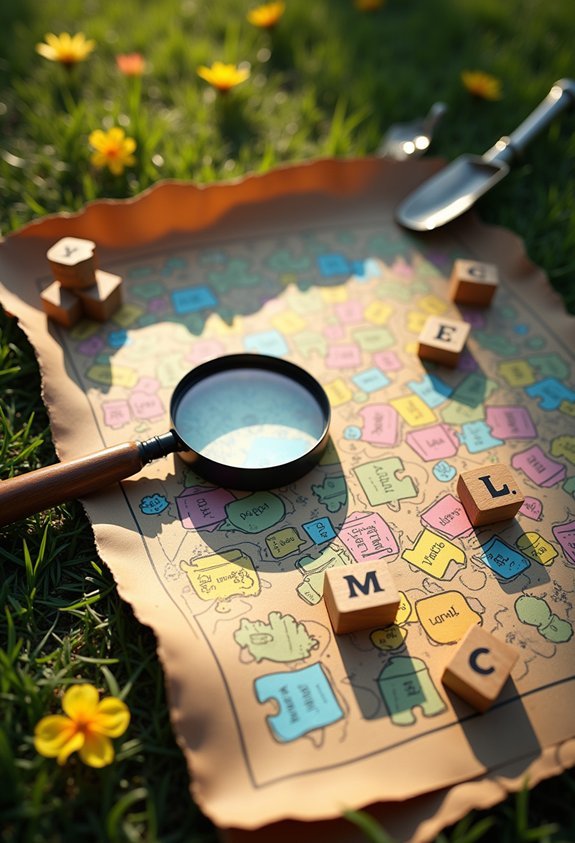
Switch to simple map navigation so kids feel like real explorers, not confused tourists. Draw your yard like a cartoon: house, tree, swing, grill. No art skills needed—stick figures are perfect.
Draw your yard like a cartoon treasure map so kids feel like real explorers
Add bold directional hints: “Take 10 giant steps north from the big tree,” or “Walk toward the barking dog, then turn left.” Use kid landmarks they know—trampoline, sandbox, trash cans, that weird gnome.
Keep each step short, clear, and dramatic. Test the route yourself first. If you get lost in your own yard, that clue’s too tricky. Adjust the steps, not the fun.
The goal: happy running, not angry meltdown. When in doubt, cut steps until directions feel almost obvious.
Picture and Symbol Clues for Younger or Non-Reading Players
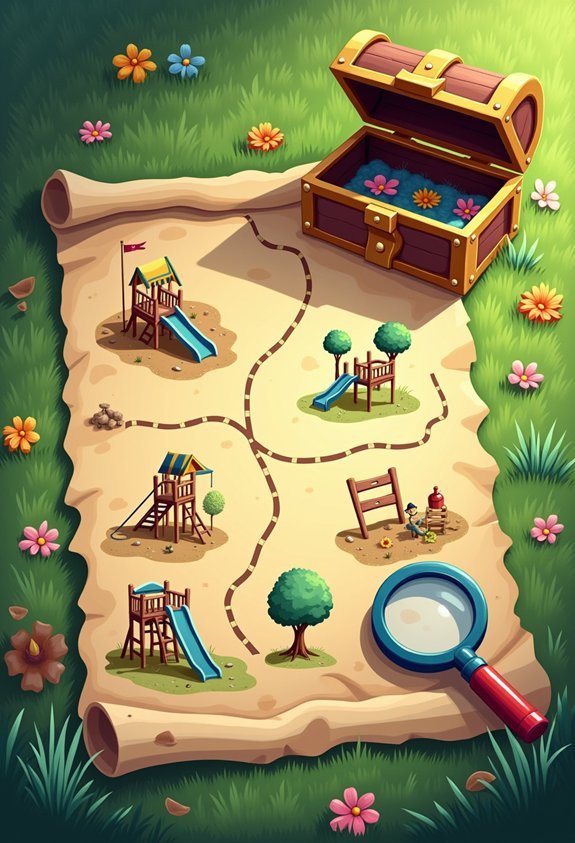
Tiny players plus big pictures equals pure chaos fun. When kids can’t read yet, picture clues save your life. You skip the long directions and go straight to “see it, find it, scream about it.”
Draw super clear images: a swing, a red bucket, the dog’s water bowl. Keep it bold and simple, like a cartoon, not fancy art class drama.
- Use picture clues of real backyard spots: grill, hose, sandbox, door mat.
- Add symbol clues like arrows, suns, or stars showing “go this way.”
- Repeat the same symbol for “start,” “look,” or “stop.”
- Tape clues low so little eyes can spot them fast.
- Laminate or use plastic sleeves so drool and dirt don’t win every single time outside.
Rhyming Clues That Lead From One Backyard Spot to the Next
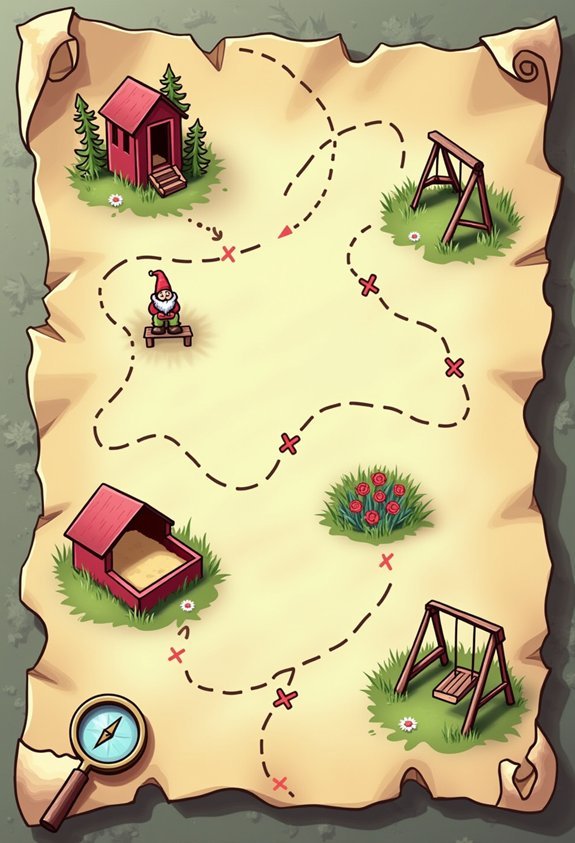
Once kids can handle more than “see bucket, grab bucket,” you can level up to rhyming clues that lead them around the yard like a real quest.
Rhymes make them slow down, think, and shout, “Wait, what?!” in the best way. You don’t need to be a poet; you just need playful rhymes that hint at the next spot.
Tie them to simple backyard themes—pirates, jungle, secret agents, whatever your crew is obsessed with this week. Each clue should point clearly to one place: the swing, the hose, the shady tree.
If kids argue over answers, the rhyme’s too fuzzy. When they sprint off laughing, you nailed it.
Think “riddle-lite,” not “SAT practice in the grass.” Keep it silly, bold, and easy to guess.
Ready-Made Sample Clues You Can Use in Any Backyard
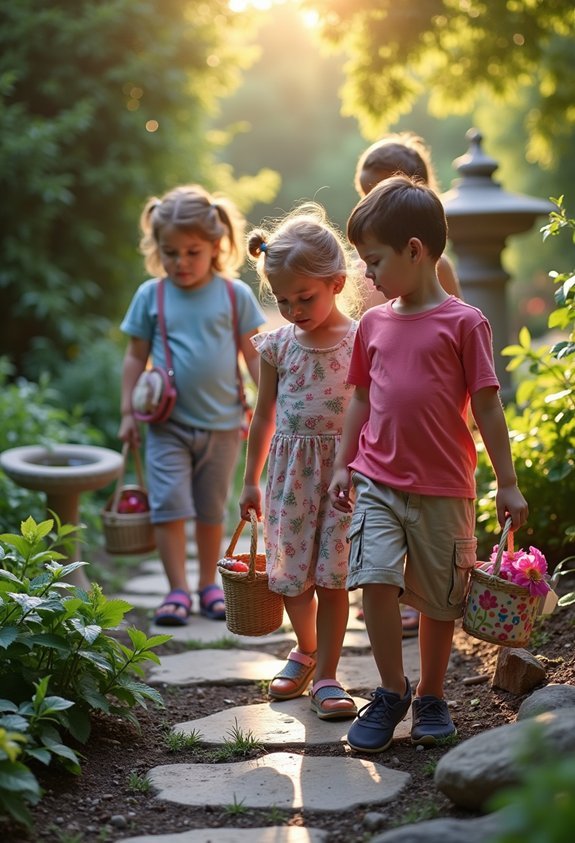
Even if rhyming isn’t really your thing, you can totally “cheat” and grab ready-made clues that still make you look like the fun parent of the year.
Here are creative clue examples you can drop into almost any yard, no matter your backyard themes or layout:
- “I shine all day. Check under the thing that turns on the light.”
- “I’m full of dirt, that’s my job. Dig near the flowers, not in the shrub.”
- “I keep things cold; I hum and freeze. Treasure waits where veggies chill with ease.”
- “I’m where you sit when you need a rest. Look under the seat; I hide the best.”
- “I’m loud, I roll, I carry trash. Hunt by my wheels, make dash.”
Tips for Hiding Spots, Safety, and Keeping the Game Moving
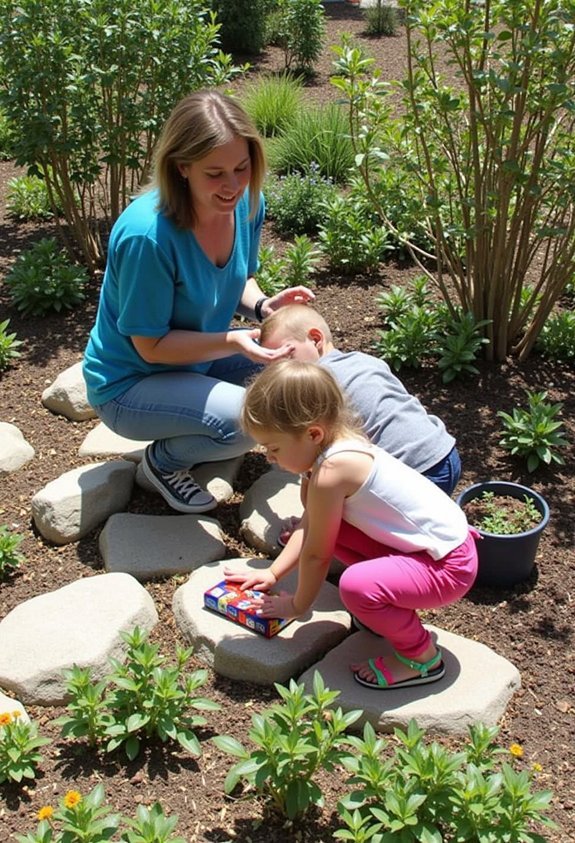
Those ready-made clues are fun, but where you hide stuff can make or break your whole treasure hunt—fun adventure or chaos meltdown.
First rule: don’t bury anything. Kids will dig up your lawn like crazed puppies, and you’ll cry later. Keep hidden treasures in spots they can see or reach: under chairs, behind flowerpots, taped to the slide. Think challenge, not search-and-rescue.
Now the safety tips: skip thorny bushes, tools, ladders, grills, and anywhere near the street. If you’d say “Don’t play there,” don’t hide clues there.
To keep the game moving, space clues in a loop, not a maze. Put the next clue a short walk away, not three zip codes over. And always test the path yourself: walk it, time it, yourself.
In case you were wondering
How Long Should a Backyard Treasure Hunt Typically Last for Different Group Sizes?
Plan 20–30 minutes for 2–4 kids, 30–45 minutes for 5–8, and up to an hour for larger groups; adjust time duration to group size, attention spans, age, and clue complexity. You shouldn’t exhaust their excitement.
What Small Prizes or Rewards Work Best at the End of a Treasure Hunt?
You’ll get the best reactions from simple, themed goodies: small toys, candy bags, stickers, bubbles, mini notebooks, or medals. You reinforce adventure by packaging rewards in treasure chests or envelopes with each child’s name inside.
How Do I Adapt Backyard Treasure Hunts for Rainy or Cold Weather?
You transform the hunt indoors, turning rain-tapped windows into drumbeats while kids follow clue trails through blankets, closets, and cupboards. You weave indoor activities with puzzle stations, flashlight searches, and cozy story hints, weather alternatives.
Can Treasure Hunts Be Used as Educational Activities, and How Often Should I Run Them?
Yes, you can turn treasure hunts into powerful learning games that reinforce reading, math, science, or history. For frequency suggestions, you might run small weekly hunts and plan a bigger, theme-based quest each month too.
How Do I Manage Competitive Kids to Keep the Treasure Hunt Cooperative and Fair?
You manage competitive kids by setting shared goals, mixing ages to balance team dynamics, and rotating captains. Emphasize cooperation points over speed, separate intense sibling rivalry, and remind everyone the real treasure’s solving challenges together.
Conclusion
That’s it—you’ve basically turned your backyard into a low‑budget theme park. With easy clues, funny riddles, and simple maps, you’ll keep kids racing around instead of melting into the couch. Some surveys say kids now spend less than 30 minutes outside a day, which is wild. Your treasure hunt blows that up. So print a few clues, grab a snack, hide the loot, and prepare for yelling, sprinting, and dramatic victory dances in your yard.