Best Budgeting Role Play Games for Kids
You want your kids to learn money without eye rolls? Turn it into drama. Play shopkeeper with play cash and a tiny “store” in your kitchen. Run a fake market day where they can’t afford everything and have to choose. Plan a pretend vacation and compare gas vs. train, snack pack vs. $8 airport chips. Let them be mayor of a mini city and fix potholes on a budget—because that’s where the fun really starts.
Key Takeaways
- Shopkeeper and market day games where kids get play money, compare prices, and decide what to buy or skip within a set budget.
- Travel and vacation budget adventures comparing transport costs, tracking receipts, and rewarding smart saving choices like packing snacks.
- Mini city mayor role play where kids allocate limited funds to projects like parks, hospitals, and road repair, learning trade-offs and consequences.
- DIY home grocery store using household items, play cash, and price tags to practice prioritizing needs over wants.
- Classroom allowance challenges with rotating roles and surprise “bills,” followed by group discussions about choices, mistakes, and better strategies.
Why Budgeting Role Play Works for Kids

You also see how their brains work. When they “buy” things, you can ask, “What’s your plan if you run out?”
Now they’re practicing money management without eye rolls. They feel in control, not bossed around. Mistakes are safe and even funny.
“Oops, you’re broke, better rethink that unicorn purchase.” That emotional jolt? It locks in the lesson way better than any chart.
Their choices finally start to matter.
Shopkeeper and Market Day Money Games

Switch roles.
Let your kid go pretend shopping with a small “budget” and a wish list longer than a dragon’s tail.
They’ll feel the pain of tough choices—and the power of saving for what really matters.
That lesson sticks way longer than any worksheet.
Travel and Vacation Budget Adventures

They compare gas vs. train, snacks from home vs. gas station junk, one fun activity vs. three tiny ones. Every choice gets written down. That’s secret math practice.
Add simple expense tracking: your child records each receipt, then checks what’s left.
If they save enough for ice cream at the end of the trip, boom—budgeting just turned into sprinkles and victory. They’ll beg to be money boss next time.
Mini City Mayors: Running a Town on a Budget

When a kid becomes “mayor” of a pretend city, money suddenly gets way more interesting than a boring worksheet. You hand them a budget and boom—instant drama. Do we fix potholes or build a water park? Welcome to town planning, kid-style.
As “mayor,” your child decides which services stay, which projects wait, and what happens when the pizza shop wants a tax break.
This game sneaks in resource management without feeling like homework. There’s a set amount of money, and everything costs something: streetlights, libraries, sports fields, even trash pickup.
If they blow the cash on fireworks, oops—no money for the hospital. Kids feel the tension, make trade‑offs, and see how every dollar shapes their mini city. Suddenly, math feels powerful, urgent, and personal.
DIY Budget Role Play Ideas for Home and Classroom
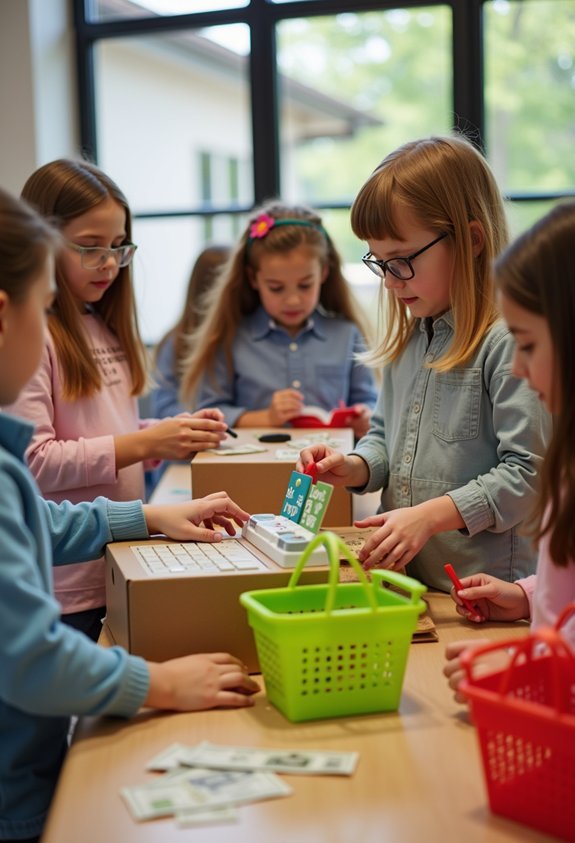
Being “mayor” of a mini city is awesome, but you don’t need a whole town map to play money games—your kitchen table or classroom floor works just fine.
Start simple: turn the room into a pretend grocery store. You’re the cashier; the kids are hungry customers with tiny budgets and giant appetites. Price snacks with sticky notes, hand out play cash, and watch them freak out when cookies blow their budget.
At home, run allowance challenges. Give a weekly “paycheck,” plus surprise bills for “broken headphones” or “birthday gifts.” Let kids choose: save, spend, or risk it all on a “movie night” card.
In class, rotate roles—banker, shopper, bill collector—so everyone feels the money pressure. Then talk through choices, wins, and funny money fails.
In case you were wondering
What Age Is Best to Start Budgeting Role Play Games With Children?
You can start simple budgeting role play games around age four or five, when kids grasp choices. You’ll nurture early education, build financial literacy, and show money’s purpose using pretend stores, allowances, and savings jars.
How Long Should Each Budgeting Role Play Session Last to Keep Kids Engaged?
Aim for 15–25 minutes so kids stay curious, not restless. Keep role duration flexible; end on excitement. Use a weekly session frequency, with occasional bonus games, so they practice often without feeling pressured or bored.
Are There Recommended Digital Tools or Apps to Support These Budgeting Role Plays?
You can support role plays with digital budgeting tools like Greenlight or GoHenry, and interactive saving apps such as PiggyBot or Bankaroo, so kids track spending, set goals, earn rewards, and reflect after each session.
How Can I Adapt Budgeting Role Play Games for Kids With Learning Differences?
Start by asking, “What if budgeting felt like a story?”, then use clear steps, strong visual aids, and hands-on sensory activities; break choices into small options, repeat key ideas, and celebrate every tiny financial decision.
How Do I Track Real Improvement in My Child’s Money Skills Over Time?
You’re tracking real improvement by setting clear goals, using money tracking charts, and repeating the tasks monthly. You compare results, note mistakes, celebrate successes, and include your child in skill assessment, seeing confidence and independence.
Conclusion
Funny coincidence: you’re finishing this article right when your kid’s probably asking for something insanely overpriced. Perfect time to say, “New rule: we play for it.” Turn chores into shopkeeper games, trips into travel budgets, and random couch time into “mayor of the living room” planning sessions. You sneak in money skills. They think it’s all pretend. Later, when real bills show up, they’ll already know the script by heart, like their favorite movie scene.