What Money Counting Games Teach Kindergarten Budgeting?
When you play money-counting games with your kindergartener, you’re secretly teaching budgeting. They sort coins, skip-count, and figure out that five ones equal a five-dollar bill. In pretend stores, they choose between “want” toys and “need” snacks, feel the pain of trade-offs, and practice sticking to a budget. Save-Spend-Share jars turn big goals (hello, giant dinosaur) into real plans. Even grocery trips become kid-run budget missions, and that’s where it gets fun for you both—promise.
Key Takeaways
- Play money games build number sense by counting, sorting, and comparing coins, laying groundwork for understanding budgets and limited resources.
- Pretend shopping teaches kids to choose between wants and needs when they don’t have enough money for everything.
- Using SAVE, SPEND, and SHARE jars shows how to divide money into different purposes, mirroring simple budgeting.
- Role-play store games let children practice trade-offs—deciding what to buy now and what to save for later.
- Grocery-themed games, where kids compare prices and stick to a set amount, model real-life budgeting decisions.
How Play Money Builds Early Number Sense
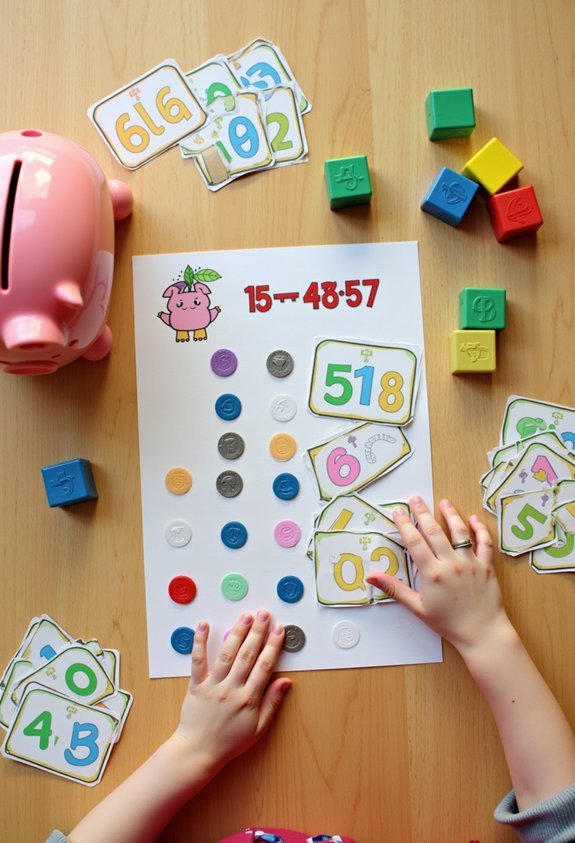
Even though it just looks like toy cash and plastic coins, play money is secretly a brain workout for your kindergartener’s number sense.
When you dump a pile of coins on the table, your kid has to sort, count, and compare. That’s playful math in disguise. They notice five ones equals a five-dollar bill. Mind. Blown.
Pile up play money and suddenly sorting, counting, and comparing turns into stealth math magic
They start skip-counting without worksheets, just to “buy” a stuffed dinosaur. You can say, “Grab 3 coins that make 10,” and watch them test combos like little code breakers.
All that adding and regrouping builds place value and flexible thinking. You’re also sneaking in early financial literacy, because money stops being magical glitter and turns into a real thing they can measure in their hands, not just wishes.
Learning Wants, Needs, and Simple Trade-Offs
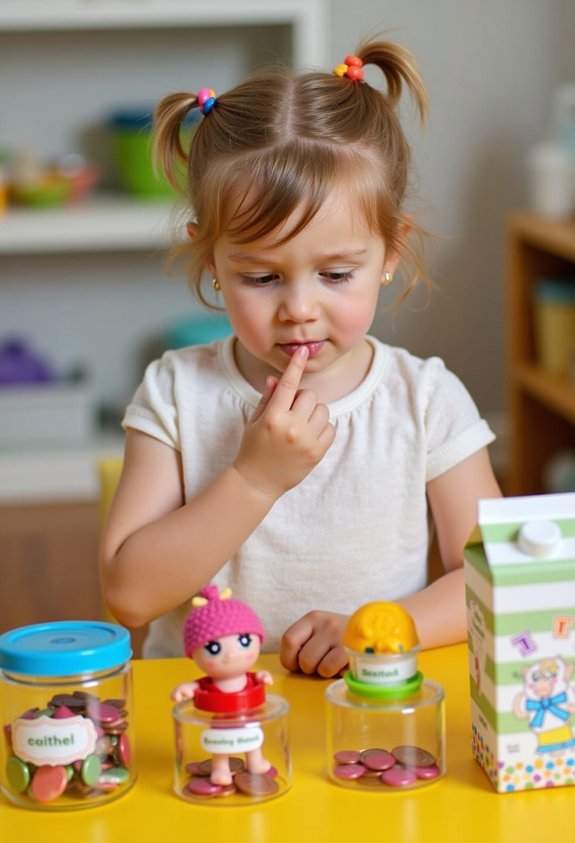
All that pretend buying and selling isn’t just about counting; it’s also your kid’s first crash course in “I want it” vs. “I actually need it.”
Once they can hand over play money, you get to throw in real-life choices: “You can buy the toy car or the pretend pizza… not both. Right now, you’re secretly teaching value recognition without a boring lecture.
When your kid whines for everything on the “shelf,” you point to the play wallet and say, “Pick your favorite.” That tiny pause before they choose? That’s priority assessment in action.
They feel the tension: toy puppy or sparkly crown, superhero mask or plastic donuts. You don’t rescue them; you let the trade-off sting just enough to be memorable—and hilarious today.
Practicing Saving, Spending, and Sharing
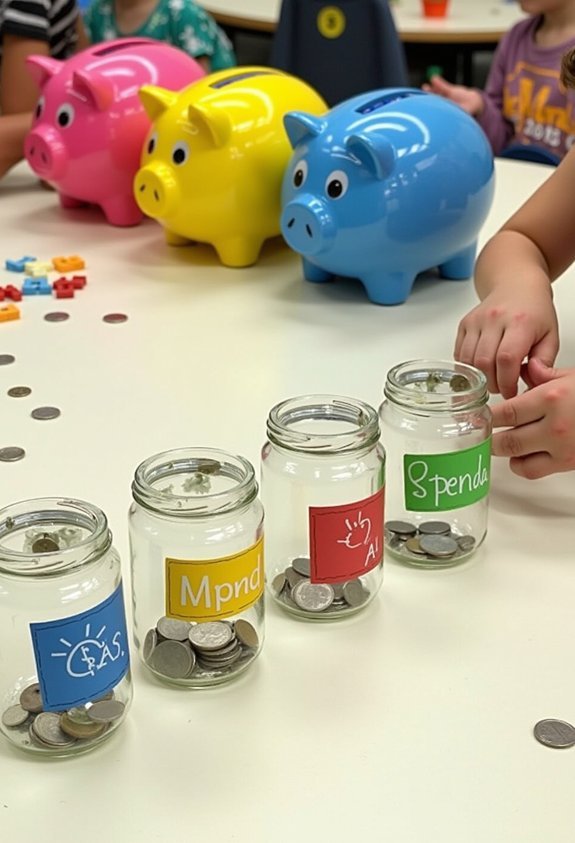
Once your kid knows how to “buy” stuff in your pretend store, you can level up the game into the big three: saving, spending, and sharing.
Grab three cups or jars and label them SAVE, SPEND, SHARE. Every time your kid “earns” play money, ask, “Where should this go?” Then let them split it up.
You teach saving strategies by making saving feel exciting, not boring. Say, “When your save jar is full, you can get the giant dinosaur, not just the tiny egg.” That long‑term prize makes waiting worth it.
For sharing values, let the SHARE jar buy snacks for siblings, pet treats, or a charity toy.
Your kid sees their money create smiles, and that’s powerful. They remember that feeling next time.
Developing Decision-Making Through Pretend Play
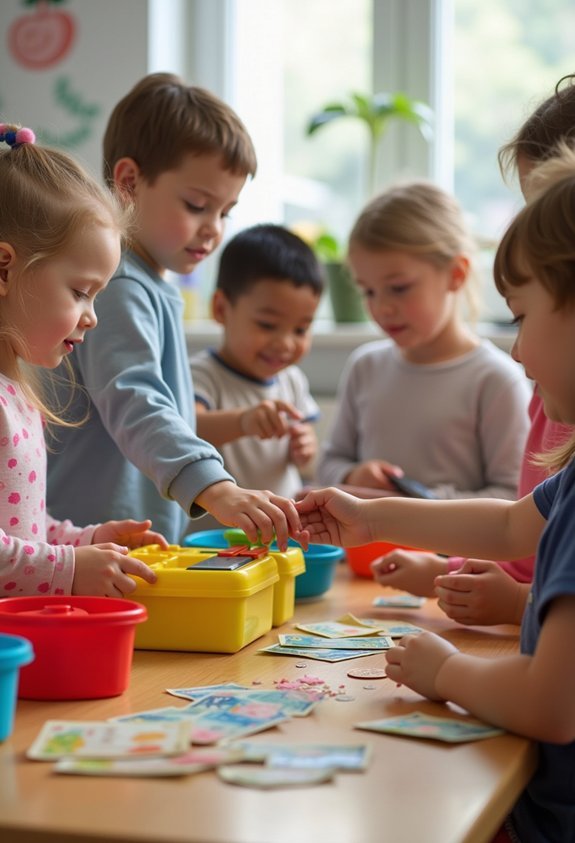
When your kid dives into pretend play with money, they’re not just being “cute”; they’re low‑key making real decisions. In those wild role playing scenarios—store, restaurant, even “space mall”—your kid has to pick what to buy, what to skip, and how to use their tiny budget. That’s decision-making practice, not just chaos with plastic coins.
Pretend money play isn’t just adorable—it’s your kid quietly practicing real financial decisions
You can nudge it along. Ask, “You’ve got five dollars. Pizza or toy?” Then step back and let them sweat a little. When they say, “Both!”, you say, “Cool, now show me the math.”
Suddenly they’re weighing trade‑offs, noticing limits, and owning their financial choices. If they “overspend,” no big deal. You just reset the game and they try again, a little wiser.
Next time, they’ll plan before spending.
Turning Everyday Moments Into Budget Lessons

Even a boring trip to the grocery store can turn into a sneaky money lesson if you play it right. Hand your kid the list and a few dollars and say, “You’re the budget boss.”
Suddenly grocery shopping turns into a live video game: stay under this number or we “lose.” Let them compare prices, choose between name brand cookies and store brand, and feel that tiny panic when the total gets close.
At home, you can turn family budgeting into a quick nightly recap. “Today we spent on food, gas, and fun. What should we save for tomorrow?”
Keep it light, keep it short, and celebrate every smart choice like they just won a reality show. Stickers as tiny prizes keep kids hooked.
In case you were wondering
At What Age Can Children Start Understanding Basic Budgeting Through Money Games?
You can introduce basic budgeting through money games around ages four to five, when children hit key age milestones. You’ll use coins, simple choices, and talk about saving so they grasp playful budgeting concepts early.
How Long Should Kindergarten Money-Counting Activities Last to Stay Effective?
Aim for 10–15 minutes; you’ll see engagement levels peak before attention wanders like checking emails in a castle. Adjust activity duration by observing restlessness, rotate quick hands-on tasks, and always end while curiosity’s still high.
Do Digital Money Apps or Physical Coins Work Better for Young Learners?
You’ll see both work, but physical coins usually help young learners more because they feel value through hands on experience, while digital tools reinforce concepts, offer feedback, and let you easily differentiate practice levels today.
How Can Families With Limited Resources Create DIY Money-Counting Materials?
You turn out a drawer and, by coincidence, discover DIY materials: bottle caps, cardboard, markers. You label “coins,” cut paper bills, reuse jars as banks, role-play shopping, stretching Family resources while teaching counting and choices.
What Signs Show a Child Is Overwhelmed by Early Budgeting Concepts?
You notice overwhelm when your child avoids money games, freezes or cries, asks reassurance, rushes or refuses choices, clings to you, complains of stomachaches, or forgets familiar steps; these show budgeting anxiety and learning pace.
Conclusion
You’re not just counting coins with your kid; you’re building budget brainpower in sweatpants. Money games turn messy markers, plastic pizza, and pretend pets into smart, simple “spend or save?” moments. You sneak in math, mindful choices, and mini milestones while they think they’re just winning at snack shop. So grab the play cash, cue the silly sound effects, and start tiny, tasty, totally terrific talks about money today before those toy dollars disappear forever.