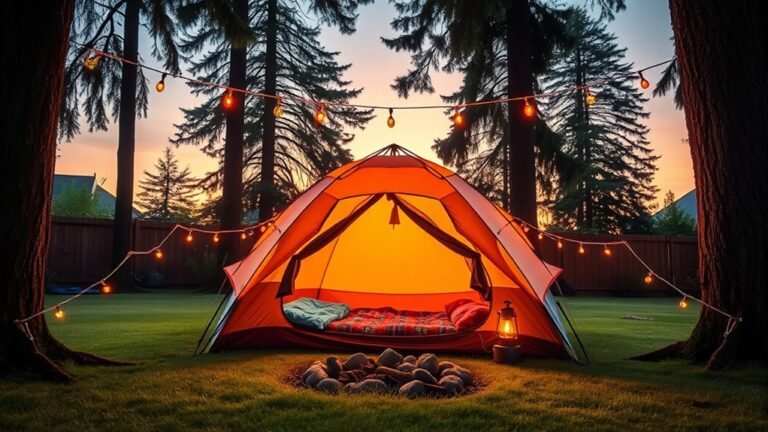
Essential Outdoor Survival Skills for Young Adventurers
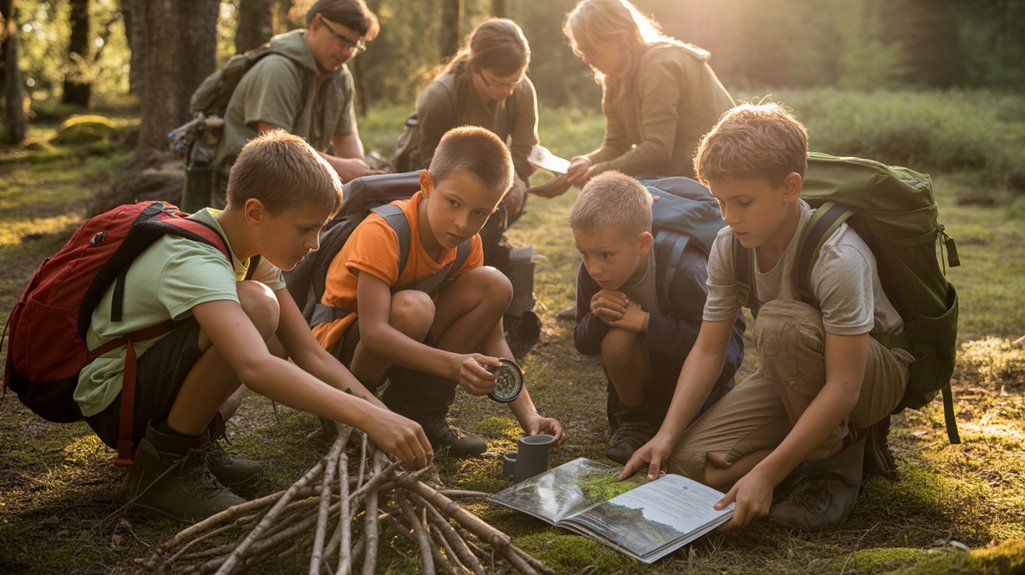
You’ll need five core survival skills to stay safe outdoors: building a shelter using natural materials like branches and leaves, starting fire through friction methods, finding and purifying water by boiling or filtering, navigating with the sun and stars, and signaling for help with mirrors or whistles. Master the S.T.O.P. method—Stop, Think, Observe, Plan—to stay calm during emergencies and make smart decisions. Practice these techniques before heading into the wilderness, and you’ll discover additional strategies that could prove invaluable when nature tests your limits.
Key Takeaways
- Build a lean-to shelter using branches, leaves, and bark on elevated ground away from water sources for protection.
- Master fire-starting with friction methods like bow drill, gather dry tinder, and maintain fire safety protocols throughout.
- Purify water by boiling for one minute or using portable filters to avoid harmful bacteria from streams and rivers.
- Navigate using sun compass method, stick shadow technique, or Polaris at night to avoid walking in circles.
- Stay calm using S.T.O.P. method, signal for help with three whistle blasts, and prioritize immediate survival threats.
Building an Emergency Shelter With Natural Materials
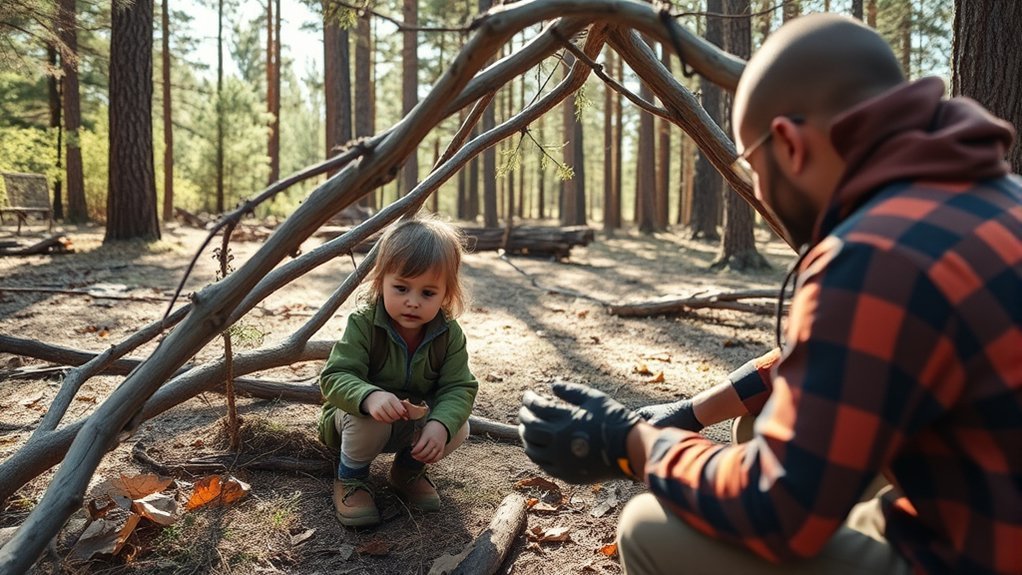
When you’re caught outdoors without proper gear, knowing how to construct a shelter from natural materials can save your life.
Start by identifying available natural resources like fallen branches, leaves, and bark. Among common shelter types, the lean-to offers quick construction and reliable protection. Position sturdy branches against a tree or rock face, then layer smaller sticks across them. Cover everything with leaves, pine needles, or bark for insulation.
A lean-to shelter provides fast, effective protection using branches layered against a tree and covered with natural insulation materials.
The debris hut works well in colder conditions. Create an A-frame structure using long branches, then pile leaves and forest debris thick enough to trap body heat.
Always build on elevated, dry ground away from water sources. Practice these techniques before emergencies arise, and you’ll develop confidence in wilderness situations.
Starting and Maintaining a Fire Without Matches
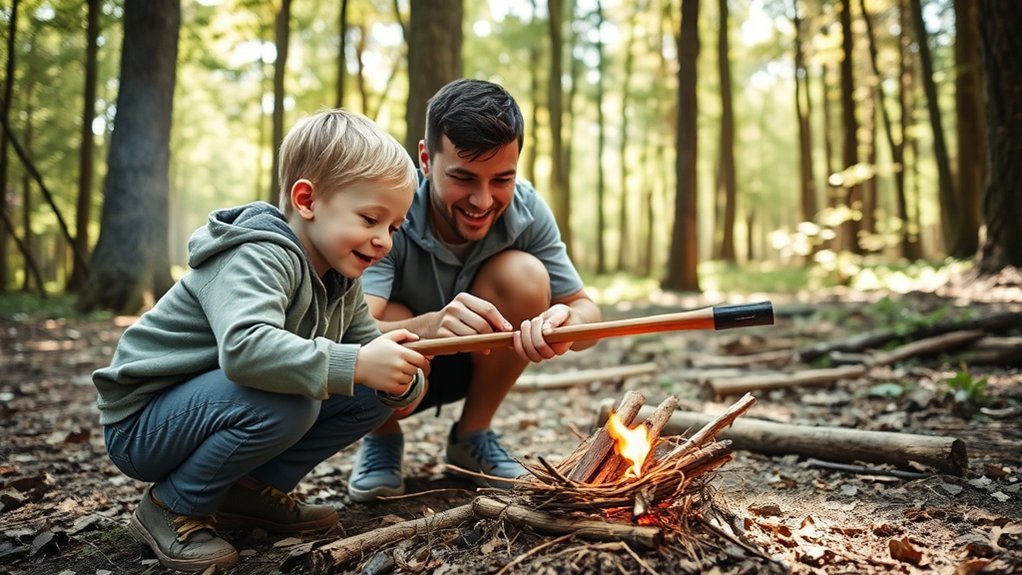
Once you’ve built your shelter, fire becomes your next priority for warmth, signaling rescue, and purifying water.
You’ll need to master friction methods like the bow drill or hand drill technique. These require a spindle, fireboard, and plenty of patience. Create a notch in your fireboard where you’ll collect the ember from spinning the spindle rapidly.
Gather tinder first—dry grass, bark, or wood shavings work best. Once you’ve created an ember, transfer it carefully to your tinder bundle and blow gently until flames appear.
Add kindling gradually, then larger sticks as the fire grows.
Fire safety is critical. Clear a wide area around your fire pit, keep water nearby, and never leave flames unattended.
Always extinguish completely before sleeping or departing.
Finding and Purifying Water in the Wilderness
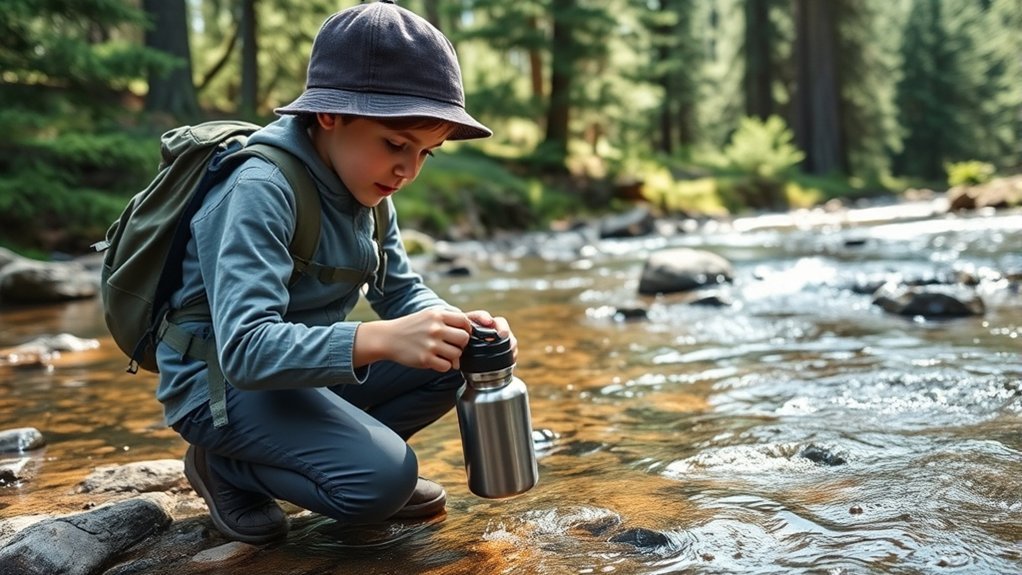
After securing fire, water becomes your most urgent need—you can only survive three days without it.
Start by identifying reliable water sources: streams, rivers, and springs offer the best options. Avoid stagnant ponds unless absolutely necessary.
Never drink untreated water, even if it looks crystal clear. Harmful bacteria and parasites can make you seriously ill.
Boiling remains the most effective purification method—maintain a rolling boil for at least one minute.
When boiling isn’t possible, use portable filtration methods like pump filters or gravity systems. You can also create a basic filter using layers of cloth, sand, and charcoal to remove larger particles.
Always carry water purification tablets as backup.
Remember: staying hydrated keeps you alert and capable of making smart survival decisions.
Navigation Basics: Using the Sun, Stars, and Natural Landmarks
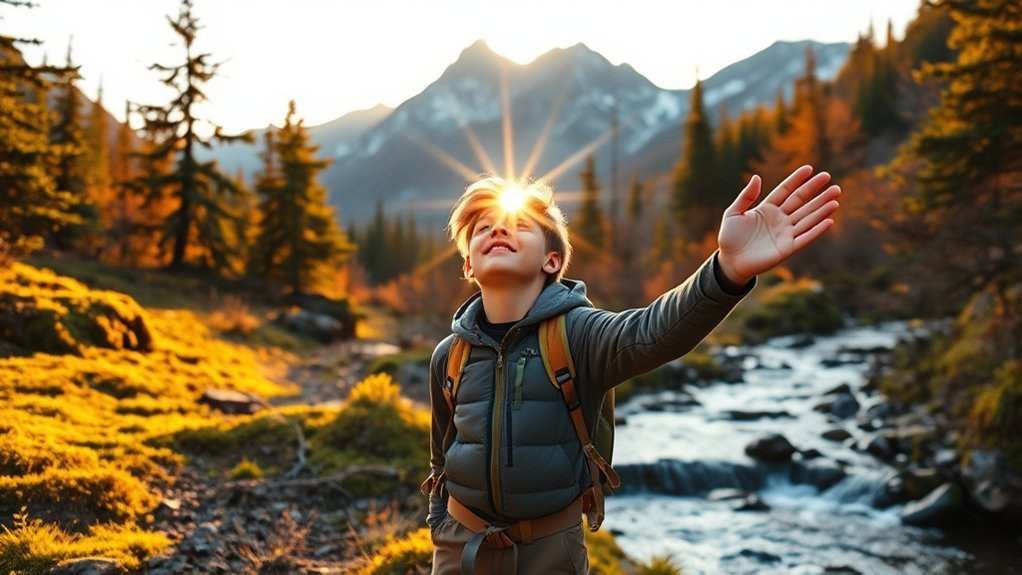
Finding water solves only part of your survival challenge—you also need to know where you’re going. Navigation skills can prevent you from walking in circles and help you reach safety.
The sun compass method is your daytime ally. The sun rises in the east and sets in the west. At noon, it’s roughly south in the Northern Hemisphere.
Place a stick upright and mark its shadow’s tip every 15 minutes—the line connecting these marks runs east-west.
For star navigation at night, locate Polaris (the North Star) by following the pointer stars in the Big Dipper. It’ll guide you northward.
Natural landmarks also help. Rivers typically flow downhill toward civilization, while moss often grows on a tree’s north side in Northern climates.
Signaling for Help: Visual and Audio Techniques
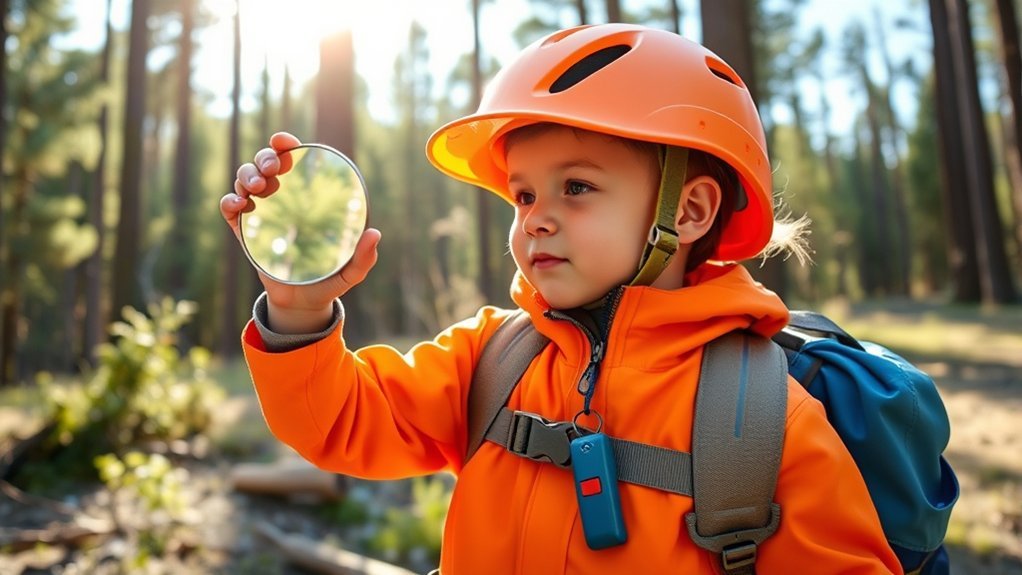
When you’re lost or injured in the wilderness, knowing how to signal rescuers can mean the difference between a quick rescue and days of unnecessary danger.
Effective signaling techniques can reduce your wilderness emergency from days of danger to hours of safety.
You’ll need both visual and audio techniques to maximize your chances of being found.
Essential Signaling Methods:
1. Signal Mirrors – Reflect sunlight toward aircraft or distant search teams.
Even a smartphone screen works in emergencies.
2. Whistle Signals – Three short blasts indicate distress.
A whistle carries farther than your voice and requires less energy.
3. Ground Markers – Create large X patterns or SOS symbols using rocks, logs, or bright clothing in open areas.
4. Fire and Smoke – Produce three fires in a triangle formation, or add green branches to create visible smoke during daylight.
Identifying Edible Plants and Avoiding Toxic Ones
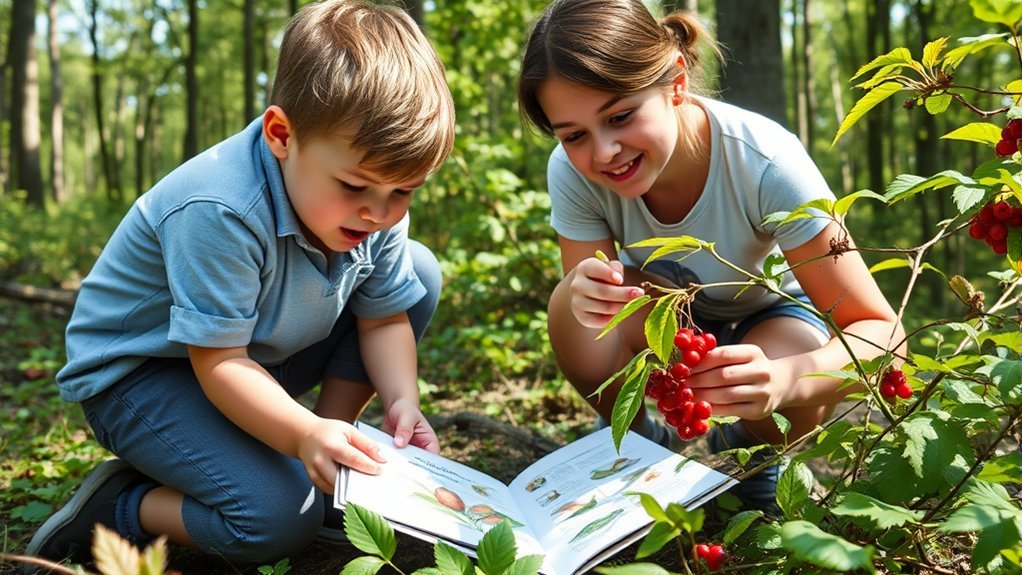
Rescuers might take hours or even days to reach you, and during that time, you’ll need to keep your energy up.
Learning basic foraging techniques can mean the difference between staying strong and growing weak. However, never eat a plant unless you’re absolutely certain it’s safe.
Start with plant identification by examining leaves, stems, and berries carefully. Avoid plants with milky sap, umbrella-shaped flower clusters, or shiny leaves grouped in threes.
Stick to plants you’ve studied beforehand, like dandelions, clover, and cattails. If you’re unsure, don’t risk it—some toxic plants can make you seriously ill.
Always apply the universal edibility test when desperate, but remember: it’s better to stay hungry than poisoned.
Basic First Aid for Common Outdoor Injuries
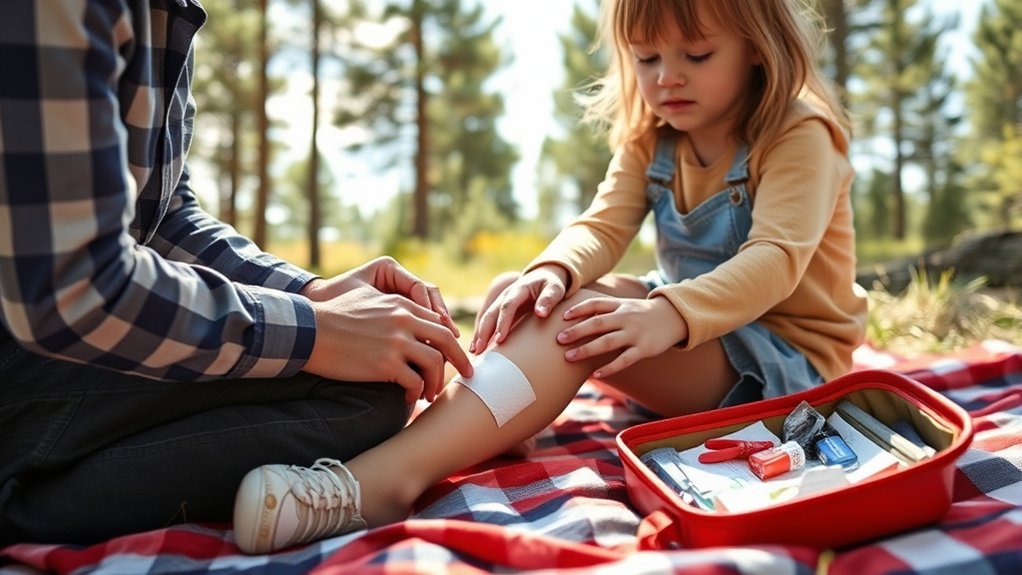
Although preparation reduces risk, accidents happen even to careful adventurers. You’ll need basic first aid knowledge to handle common outdoor injuries effectively. Understanding proper wound care and treating insect bites can prevent minor issues from becoming serious problems.
Essential skills include:
- Cleaning cuts and scrapes: Rinse wounds with clean water, remove debris, apply antibiotic ointment, and cover with sterile bandages.
- Treating blisters: Don’t pop them unless necessary; protect with moleskin or specialized blister bandages.
- Managing insect bites: Remove stingers carefully, wash the area, apply cold compresses, and watch for allergic reactions.
- Handling sprains: Remember RICE—Rest, Ice, Compression, Elevation.
Always carry a well-stocked first aid kit and know when injuries require professional medical attention.
Creating Useful Tools From Materials Found in Nature
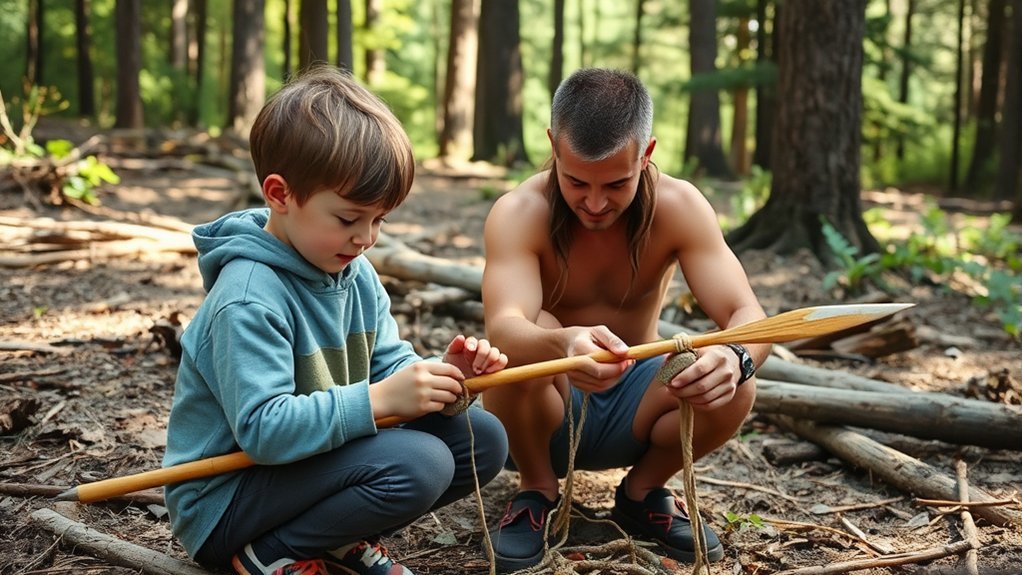
Natural materials surrounding you can become valuable survival tools with minimal effort and creativity.
You’ll find straight branches perfect for spear making by sharpening one end against a rough rock. This creates an effective tool for fishing or defense.
Natural cordage is essential for building shelters and securing items. You can twist long grasses, inner tree bark, or plant fibers into strong rope. Simply strip the material, separate it into thin strands, and twist them together tightly.
Additionally, flat rocks become cutting tools when struck at the right angle to create sharp edges. Large leaves serve as water collectors or food wraps. Hollow reeds transform into drinking straws for accessing water in tight spaces.
Practice these skills before emergencies arise.
Weather Reading and Preparing for Sudden Changes
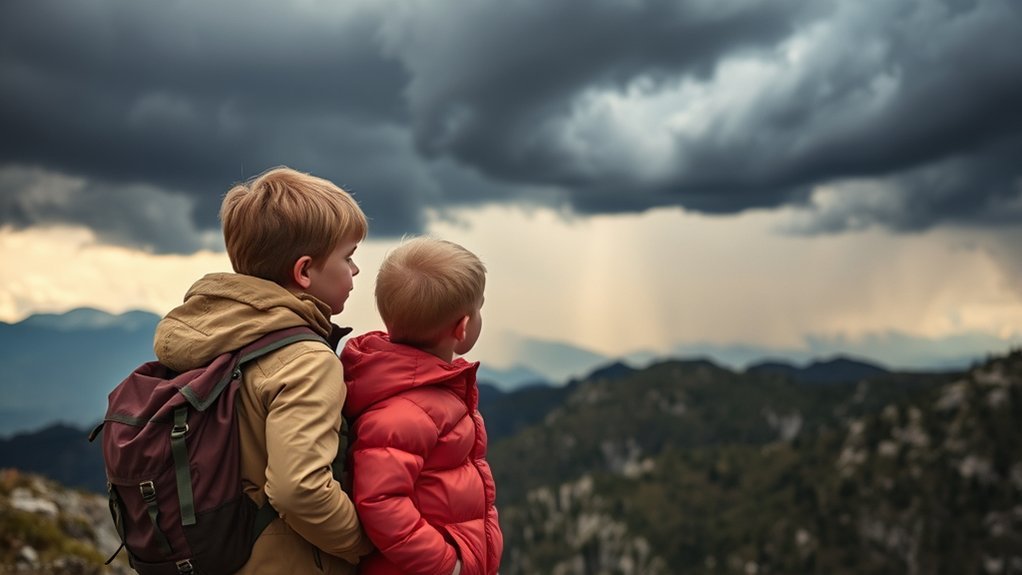
How can you tell when the weather’s about to turn dangerous? Learning to read weather patterns can save your life outdoors.
You’ll notice subtle signs before conditions worsen: darkening clouds, sudden temperature drops, and changing wind directions all signal incoming storms.
Storm preparation requires immediate action when you spot these warnings:
- Seek shelter quickly – Find natural protection like rock overhangs or dense tree clusters
- Secure your gear – Weight down equipment and cover supplies before wind intensifies
- Create windbreaks – Use available materials to block harsh gusts
- Stay dry – Waterproof your shelter and yourself using tarps or natural coverings
You can’t control nature, but you’ll stay safer by recognizing warning signs early and responding decisively before conditions become life-threatening.
Staying Calm and Making Smart Decisions in Emergency Situations
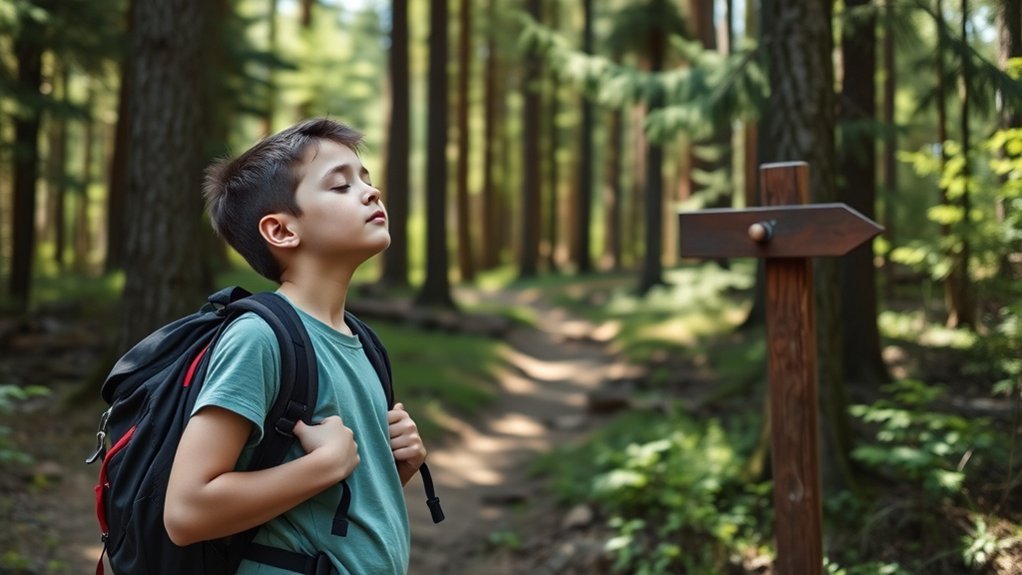
When panic sets in during an outdoor emergency, your ability to think clearly becomes your most valuable survival tool. Stop, breathe deeply, and assess your situation before taking action. Stress management begins with recognizing physical symptoms like rapid heartbeat or shallow breathing, then consciously slowing down to regain control.
Use the S.T.O.P. method for decision making: Stop moving, Think about your circumstances, Observe your surroundings, and Plan your next steps.
Prioritize immediate threats first—shelter, water, signaling for help—rather than attempting everything at once.
Remember that small, deliberate actions build confidence and reduce anxiety. You’ve prepared for this moment through training and practice.
Trust your knowledge, stay focused on solutions rather than problems, and you’ll navigate challenges effectively.
In case you were wondering
What Essential Items Should Young Adventurers Pack in Their Survival Kit?
You’ll need first aid supplies, a knife, water purification tablets, fire starter, emergency blanket, flashlight, and whistle. Don’t forget emergency supplies like extra food, rope, and a compass. These items’ll keep you safe outdoors.
How Can Parents Prepare Children Mentally for Potential Wilderness Emergencies?
Studies show 75% of lost children panic immediately. You’ll prepare them by practicing emergency scenarios regularly, building a wilderness mindset through calm discussion, and role-playing responses. This transforms fear into confident action when they’re facing real challenges outdoors.
What Age Is Appropriate to Start Teaching Kids Outdoor Survival Skills?
You can start teaching basic outdoor survival skills around age 5-6, following age recommendations for simple tasks. Skill progression should match your child’s development—introducing fire safety, shelter-building, and navigation as they mature and demonstrate readiness.
Are There Survival Skills Courses Specifically Designed for Young Adventurers?
“Practice makes perfect” rings true with survival training. Yes, you’ll find numerous youth programs and wilderness workshops tailored for young adventurers. They’re designed to teach age-appropriate skills through engaging, hands-on activities that’ll build confidence and competence outdoors.
How Do Survival Priorities Differ for Children Compared to Adults?
Children require enhanced child safety measures and closer risk assessment monitoring. You’ll need to prioritize shelter and warmth more quickly, as kids lose body heat faster. They also need more frequent reassurance and simpler, concrete survival tasks they can manage.
Conclusion
You’ve now got a survival toolkit sharper than any pocket knife. These skills aren’t just about avoiding danger—they’re your passport to confidence in the wild. You’ll transform from a nervous newcomer into someone who reads nature’s signs like a familiar book. Remember, survival isn’t about fighting the wilderness; it’s about working with it. Practice these techniques before you need them, and you’ll turn any outdoor challenge into an adventure you’re ready to handle.