13 Essential Tips for Geocaching With Kids
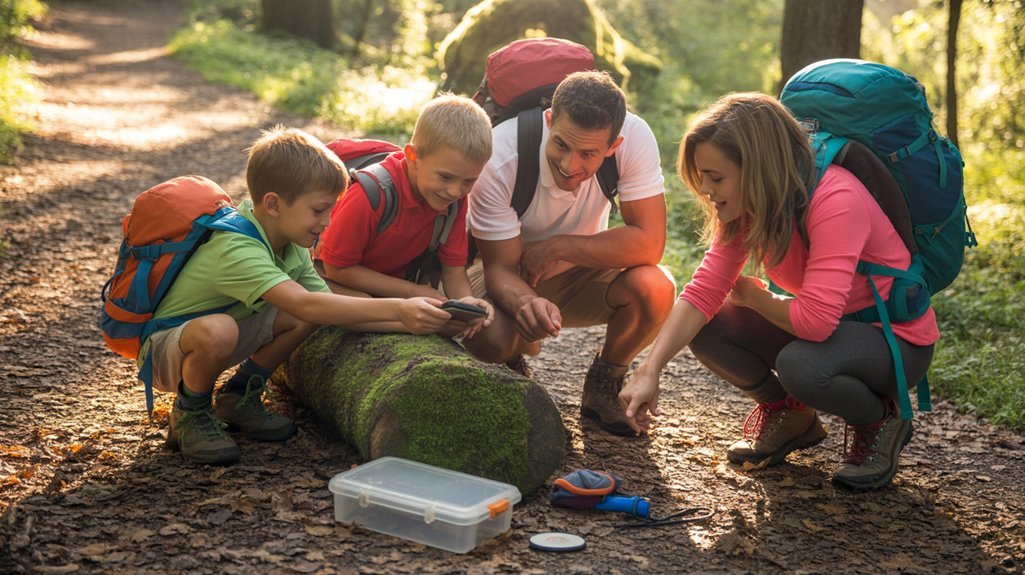
Start geocaching with kids by choosing nearby caches rated 1-1.5 in difficulty, downloading the official Geocaching app, and packing essentials like a GPS device, pen, trade items, snacks, and water. Teach basic rules including “Cache In, Trash Out,” let children navigate and make decisions, and plan breaks every 30-45 minutes. Create point systems and themed challenges to maintain motivation, choose caches with high favorite points, and watch for signs of fatigue so you’ll know when to end searches. The guide below explores how to transform these treasure hunts into educational adventures your family will love.
Key Takeaways
- Start with easy 1-1.5 rated caches in familiar local parks and progress to harder difficulties as children develop skills.
- Pack essential gear including GPS device, spare batteries, pen, trade items, snacks, water, and first-aid supplies for successful hunts.
- Teach basic geocaching rules like Cache In Trash Out, proper logging, and trading etiquette to promote responsible outdoor behavior.
- Turn hunts into educational opportunities by identifying plants, calculating distances, and connecting discoveries to school subjects.
- Watch for fatigue signs and end searches positively before frustration builds, maintaining enthusiasm for future adventures.
Start With Easy Caches Close to Home
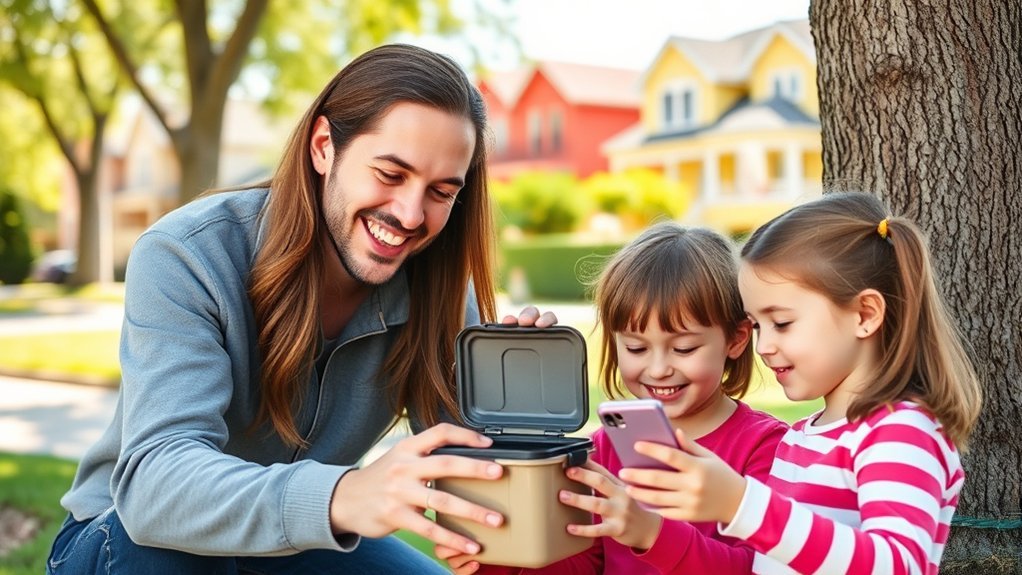
When you’re introducing kids to geocaching, begin with nearby caches rated 1 or 1.5 in difficulty and terrain. These beginner-friendly finds help children experience success quickly, building their confidence and enthusiasm for future adventures.
Local parks make perfect starting locations since they’re familiar environments where kids feel comfortable exploring. You’ll find plenty of traditional caches hidden along walking paths, near playgrounds, and around picnic areas.
These accessible spots let you focus on teaching geocaching basics without worrying about challenging hikes or complex puzzles. Starting close to home also means you can easily head back if someone gets tired or weather conditions change.
This low-pressure approach transforms geocaching into enjoyable family bonding time rather than a stressful expedition. As your children’s skills improve, you’ll naturally progress to more challenging caches together.
Download the Right Geocaching App and Create an Account
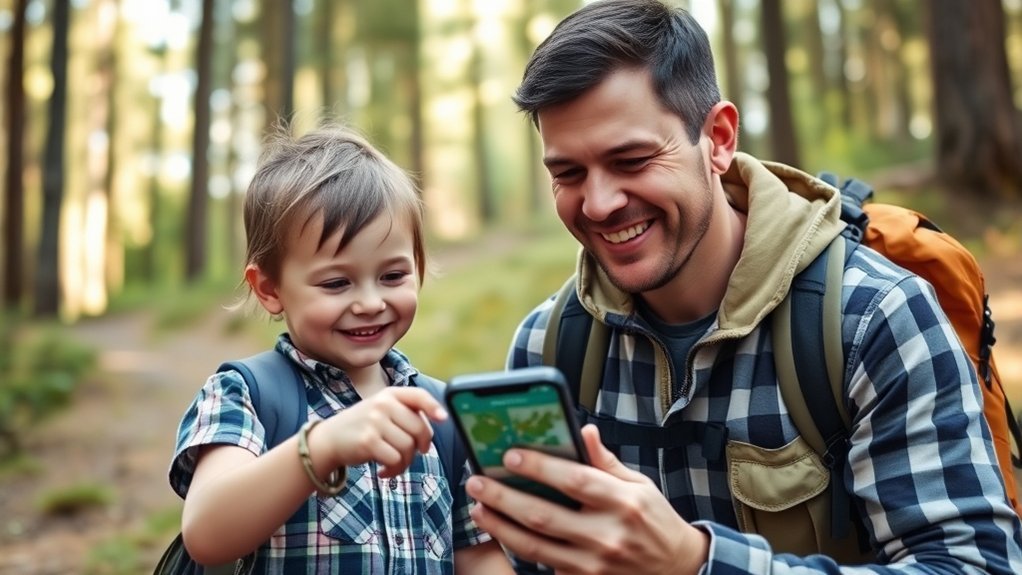
Before you head out on your first geocaching adventure, you’ll need to download the official Geocaching app (available for iOS and Android) or visit Geocaching.com to create a free account.
The account setup process is straightforward—you’ll choose a username, provide an email address, and create a password. With a basic free membership, you can access traditional caches and view difficulty ratings, terrain levels, and recent activity logs from other geocachers.
A free account gives you access to traditional caches, difficulty ratings, terrain information, and activity logs from fellow geocachers.
While various geocaching apps exist, the official app offers the most comprehensive database and user-friendly interface for beginners.
You’ll be able to search for nearby caches, read descriptions and hints, log your finds, and track your family’s geocaching statistics.
Consider upgrading to a premium membership later for access to additional cache types and advanced features.
Pack a Kid-Friendly Geocaching Kit
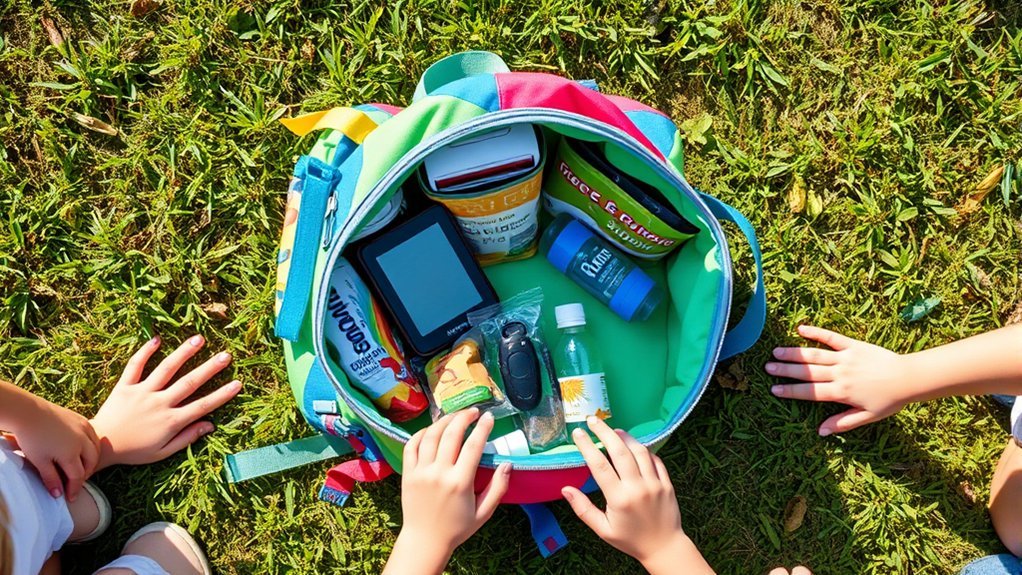
Once you’ve set up your account, assembling the right supplies will make your geocaching trips more enjoyable and successful.
Your essential gear should include a smartphone or GPS device, spare batteries, and a pen for signing logbooks. Add kid friendly items like small trinkets for cache exchanges, hand sanitizer, and wet wipes for messy hands.
Pack snacks and water bottles to keep energy levels high. Include a small flashlight for dark hiding spots and tweezers for retrieving tiny logs. A backpack helps kids carry their own supplies, building responsibility and excitement.
Don’t forget sunscreen, bug spray, and a basic first-aid kit.
Consider bringing a magnifying glass or compass to enhance the adventure aspect and keep children engaged throughout your hunt.
Explain the Rules and Etiquette Before You Go
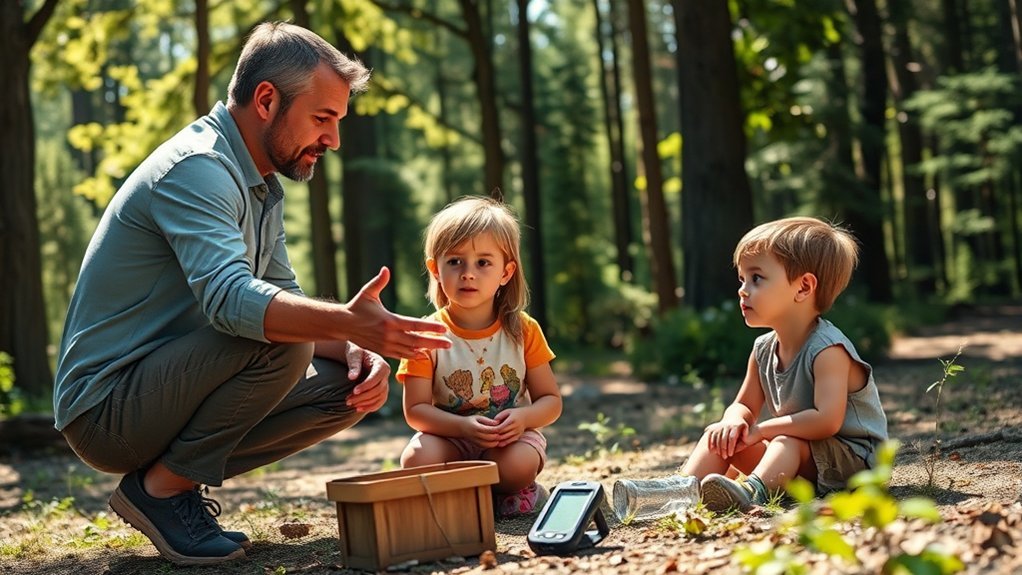
Teaching your children the basic rules of geocaching will prevent common mistakes and help preserve the game for everyone. Before heading to cache locations, explain that they must be stealthy and avoid revealing the hiding spot to non-players.
Discuss the “Cache In, Trash Out” principle, encouraging them to pick up litter along the trail.
Review the trading rules: take an item only if you leave something of equal or greater value. Emphasize the importance of signing the logbook and returning everything exactly as they found it.
Explain why they shouldn’t move or damage natural surroundings near caches.
Make this pre-trip discussion part of your family bonding ritual. When kids understand these guidelines upfront, they’ll feel more confident and responsible during the hunt, creating a better experience for everyone.
Let Your Kids Take the Lead in Navigation
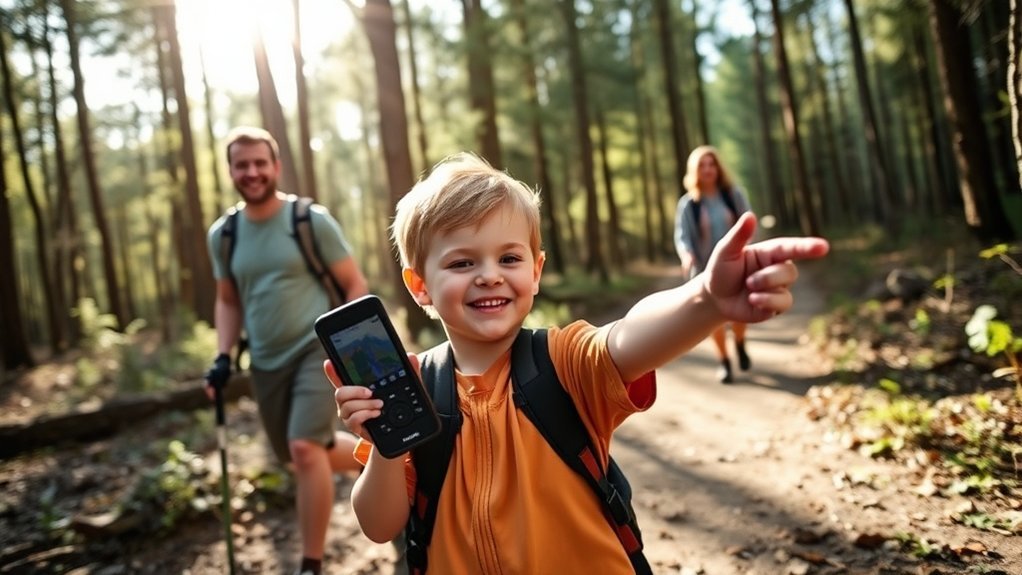
When children hold the GPS device or smartphone and call out directions themselves, they develop crucial problem-solving skills while staying fully engaged in the adventure.
You’ll notice their excitement grows as they interpret coordinates and guide the family toward the hidden cache.
Start with easier geocaches to build their navigational skills gradually.
Begin with simple geocaches and progressively increase difficulty to develop your children’s navigation abilities at a comfortable, confidence-building pace.
Let them decide which path to take, even if it’s not the most direct route. These choices teach them to evaluate options and learn from mistakes without frustration.
This hands-on approach transforms geocaching into powerful confidence building.
Your kids will feel proud when their navigation leads to success.
Stay nearby to offer guidance when needed, but resist taking over.
You’re not just finding treasures together—you’re nurturing independent thinkers who trust their abilities.
Choose Caches With High Favorite Points
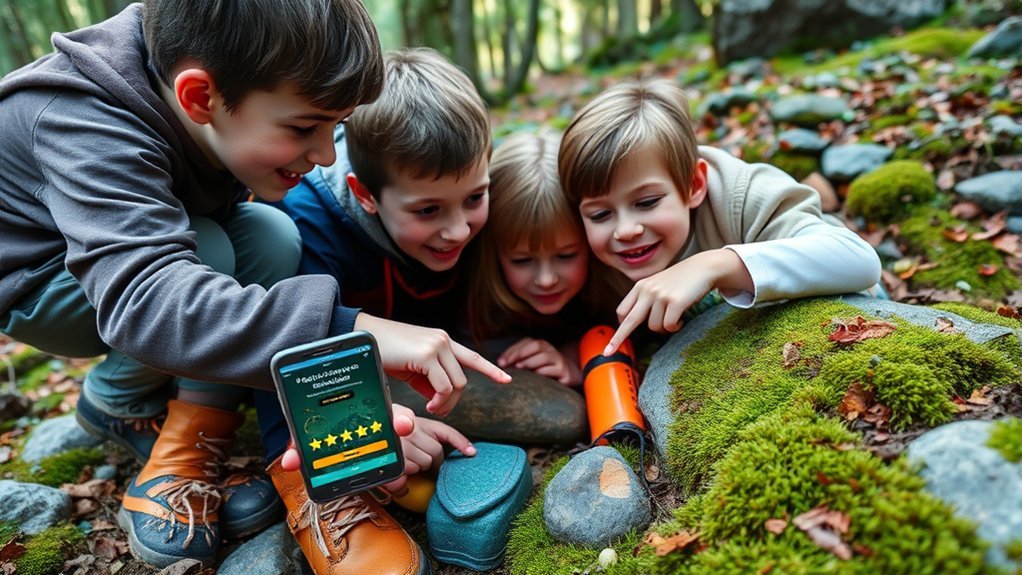
Favorite points serve as a quality rating system within the geocaching community, and caches with higher scores consistently deliver more memorable experiences for families.
You’ll find that these well-rated locations typically feature creative containers, interesting hiding spots, and worthwhile destinations that’ll keep your children engaged.
Before heading out, filter your search results to display caches with at least five favorite points. This simple step eliminates poorly maintained or uninspiring finds.
Cache quality directly impacts your kids’ enthusiasm, so prioritize locations where other families have left positive feedback.
High-rated caches often include unique elements like puzzle components, scenic views, or educational opportunities.
They’re maintained regularly, reducing frustration from missing logbooks or damaged containers.
You’re investing time and energy, so make each adventure count by selecting proven winners.
Bring Trade Items That’ll Excite Young Treasure Hunters

The real magic of geocaching happens when your child opens a cache and discovers treasures inside. Pack exciting trinkets that match treasure themes like small toys, colorful keychains, temporary tattoos, or mini figurines. Kids love items they can actually use or collect.
Consider age-appropriate swaps: younger children enjoy stickers and bouncy balls, while older kids prefer puzzle pieces or trading cards. Always follow the “trade equal or trade up” rule—teach your children to leave something of equal or greater value.
Avoid food items, as they attract wildlife and spoil quickly. Skip anything sharp, breakable, or containing liquid.
Store your trade items in a separate bag so they’re ready when you find a cache. Quality trinkets make the hunt memorable and encourage good geocaching etiquette.
Set Realistic Expectations About Find Rates
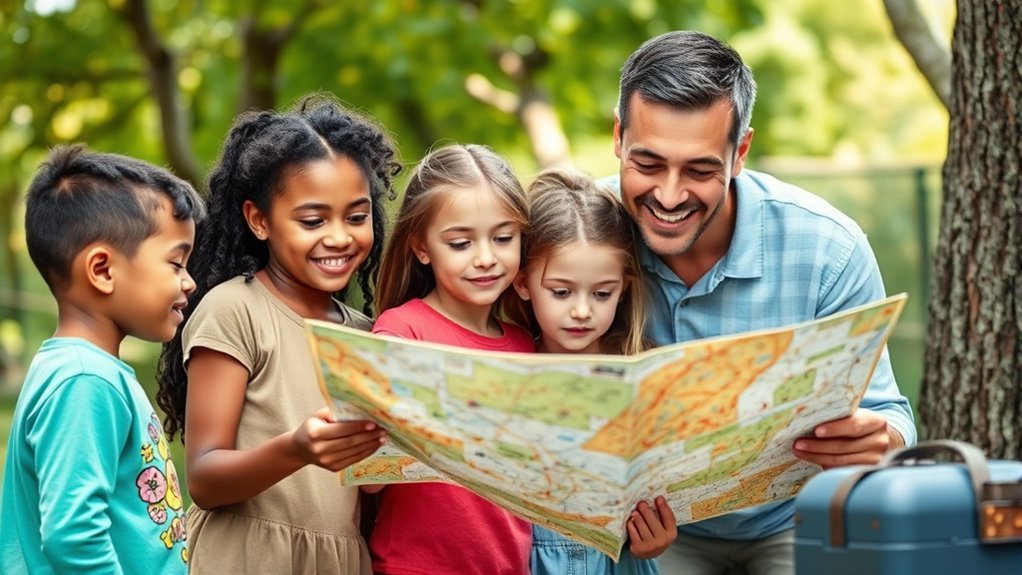
Not every geocaching adventure will end with a successful find, and preparing your kids for this reality prevents disappointment on the trail. Explain that even experienced geocachers don’t locate every cache they attempt. Share statistics showing typical find rate expectations—most hunters average 70-80% success rates.
Frame unsuccessful searches as learning experiences rather than failures. Teach your children to appreciate the journey: wildlife spotted, interesting locations discovered, and time spent together outdoors. When managing disappointment, acknowledge their feelings while redirecting focus to positive aspects of the adventure.
Consider starting with caches rated highly for accessibility and condition. Check recent logs before heading out—this increases success odds and builds confidence.
Turn Cache Hunting Into a Learning Opportunity
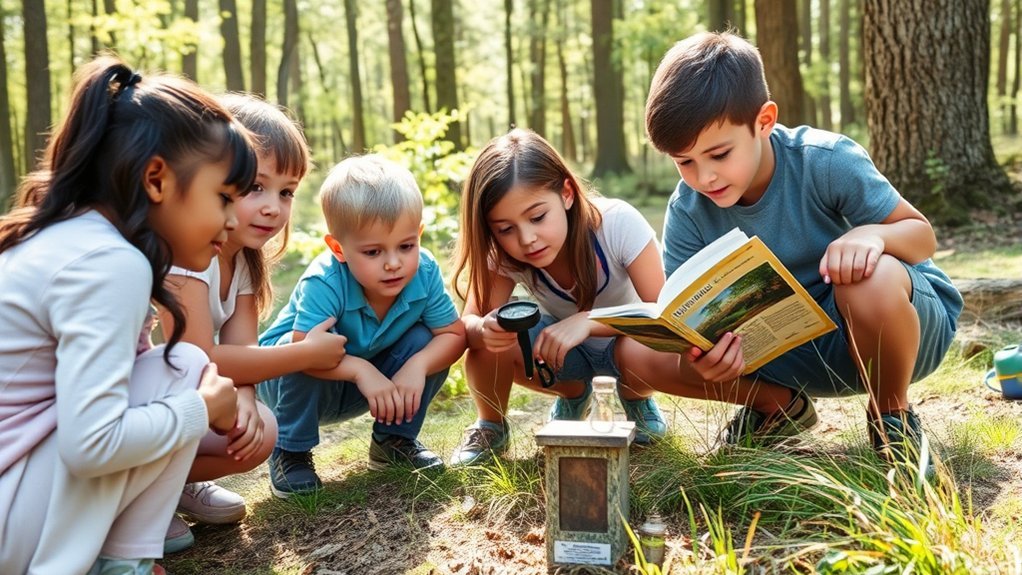
Every geocache location offers built-in opportunities to explore subjects your children study in school.
You’ll discover educational benefits at nearly every hide—from identifying local plants and wildlife during nature exploration to calculating distances using GPS coordinates for math practice.
Encourage your kids to observe their surroundings carefully. What types of trees grow here? Which direction are they traveling? How did erosion shape this landscape?
These questions transform a simple treasure hunt into an active learning experience.
Historical caches near landmarks provide perfect teachable moments about local history. Urban hides offer lessons in architecture and community planning.
Even reading cache descriptions strengthens literacy skills.
Document discoveries through photos or a geocaching journal. Your children will retain information better when they’re actively engaged rather than passively learning from textbooks.
Plan for Breaks and Bring Plenty of Snacks
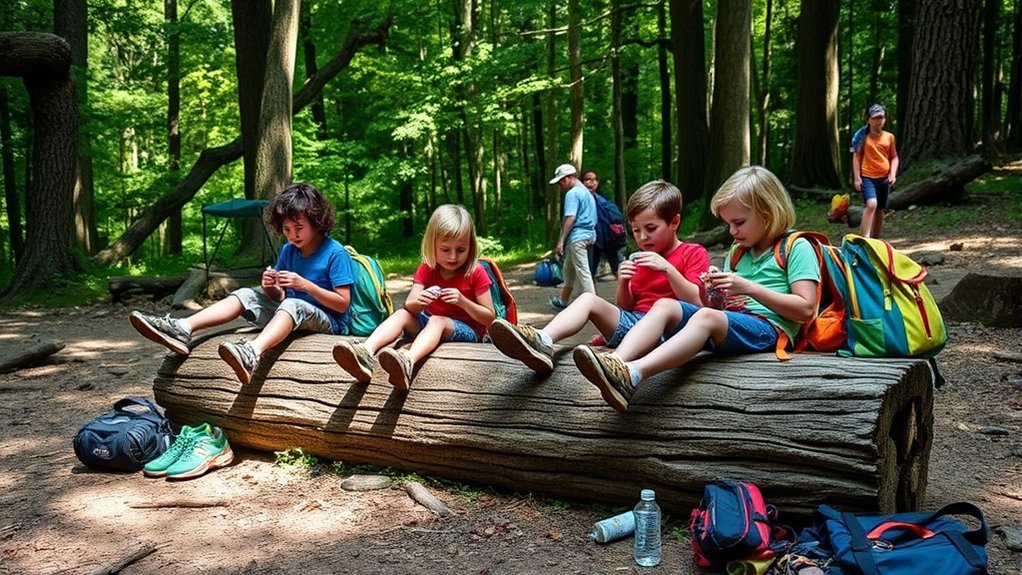
While geocaching adventures fuel your children’s excitement, their energy levels won’t last without proper nutrition and rest stops. Pack protein-rich snack ideas like trail mix, cheese sticks, and granola bars that provide sustained energy without weighing down your backpack.
You’ll want to schedule breaks every 30-45 minutes, especially during longer hunts. Scout break locations beforehand by checking your geocaching app for parks, picnic areas, or shaded spots along your route. These planned stops let kids recharge while you review upcoming cache coordinates.
Don’t forget water bottles—dehydration quickly dampens enthusiasm. Keep snacks easily accessible in exterior pockets so you’re not constantly stopping to dig through your bag. Well-fed, rested children maintain their enthusiasm throughout the entire geocaching adventure.
Make It a Game With Challenges and Rewards
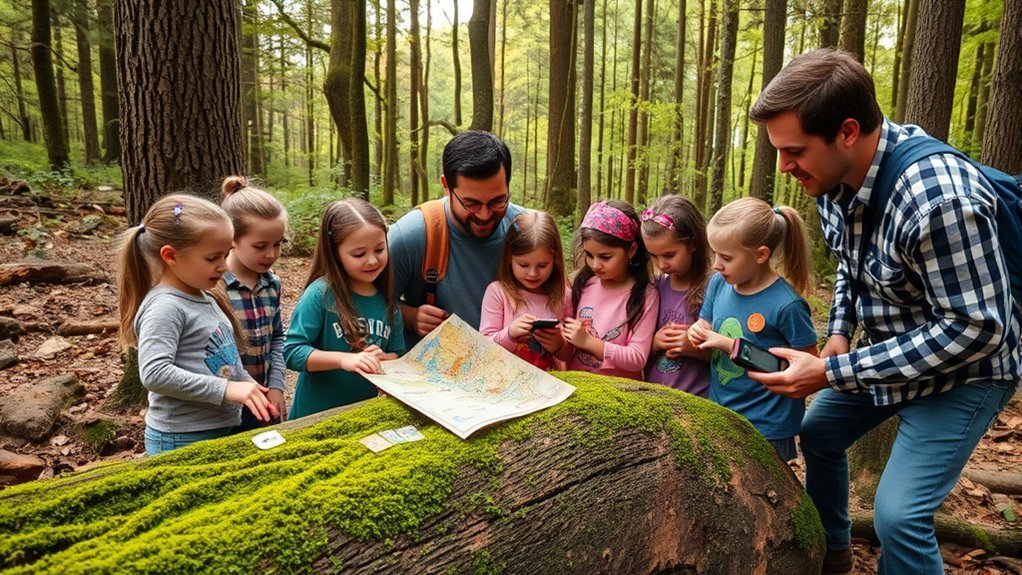
Transform your geocaching expedition into an engaging competition by creating point systems, scavenger hunt elements, or themed challenges that match your children’s interests. Award points for finding caches, identifying wildlife, or navigating trail markers. Your reward system can include simple prizes like choosing the next cache location, picking dinner, or earning small treats.
Develop challenge ideas based on your kids’ ages and abilities. Younger children enjoy counting pinecones or spotting specific colors, while older kids appreciate navigation tasks or puzzle-solving competitions. Set achievable goals to maintain motivation throughout the adventure.
Consider creating a geocaching passport where kids collect stamps or stickers from each find. This tangible record transforms into a keepsake while encouraging continued participation in future expeditions.
Teach Proper Cache Maintenance and Logging
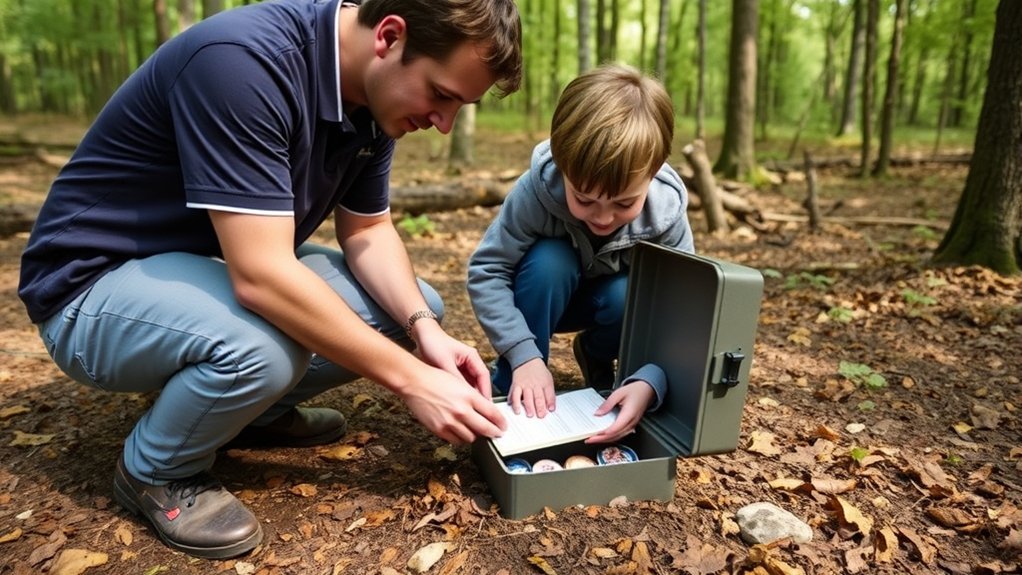
Beyond the excitement of discovery, teaching your children responsible geocaching practices instills valuable lessons about community stewardship and outdoor ethics.
Show them how to inspect containers for damage and report issues through the app. Explain that cache upkeep ensures future seekers can enjoy the same thrill they experienced.
Demonstrate proper logging practices by having them sign the physical logbook clearly with your team name and date.
Then, help them post an online log describing their adventure. Teach them to return caches exactly as found, concealed from muggle eyes. If they take a treasure, they must leave something of equal or greater value.
Emphasize CITO (Cache In, Trash Out) principles by bringing a bag for litter.
These habits transform your kids into responsible geocachers who respect nature and the community.
Know When to Call It a Day and Try Again Later
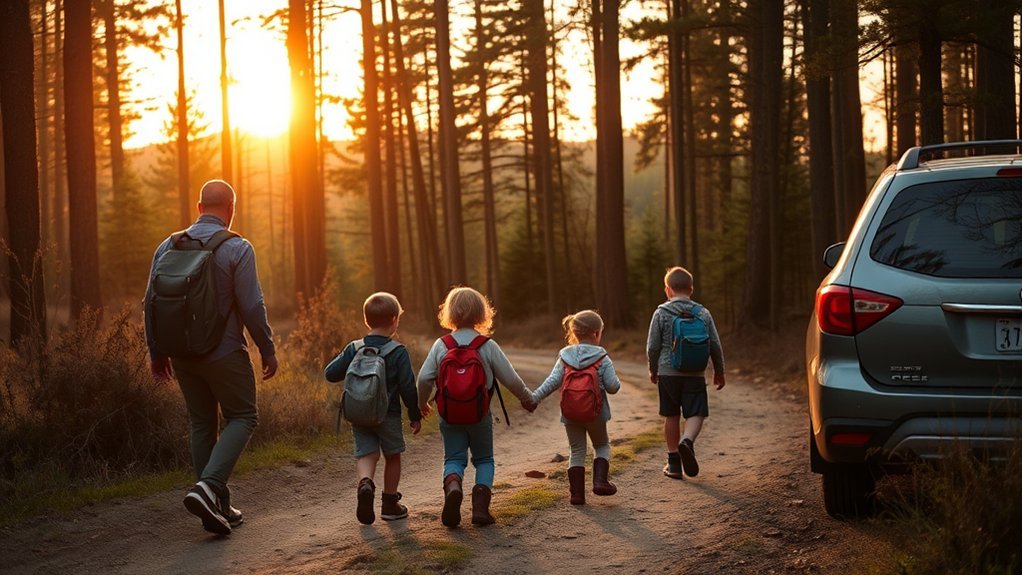
When frustration starts mounting and enthusiasm fades, recognize it’s time to pack up and return another day. Pushing through when kids show signs fatigue leads to meltdowns and negative associations with geocaching.
Watch for whining, decreased motivation, or complaints about being tired or hungry. Knowing limits means respecting your children’s attention spans and physical capabilities. A five-year-old won’t handle the same terrain or duration as a ten-year-old.
End searches before exhaustion sets in, even if you haven’t found the cache. Frame departures positively by saying “We’ll solve this mystery next time!” rather than admitting defeat. This maintains excitement for future adventures.
Sometimes the cache simply proves too challenging for your current skill level, and that’s perfectly acceptable. Return when everyone’s refreshed and ready.
In case you were wondering
What Age Is Best to Start Geocaching With Children?
You can start geocaching with children as young as 3-4 years old. Age recommendations vary, but starting benefits include outdoor exploration, problem-solving skills, and family bonding. Older kids’ll handle navigation better, while younger ones’ll enjoy treasure hunting aspects.
How Do I Handle My Child’s Disappointment When Caches Are Missing?
Turn disappointment management into a learning opportunity by explaining that missing caches happen to everyone. You can help them log it as “not found,” then search for cache replacement options nearby. Consider hiding your own cache together afterward.
Are There Geocaching Events Specifically Designed for Families With Kids?
Yes, you’ll find family-friendly events and community geocaching gatherings specifically designed for kids. Check Geocaching.com’s event calendar to discover local meetups, CITO (Cache In Trash Out) events, and themed hunts that welcome young geocachers enthusiastically.
What Should I Do if My Child Wants to Quit Geocaching?
When the treasure hunt loses its sparkle, don’t force it. Try motivation strategies like choosing easier caches or letting them pick locations. If they’re still uninterested, explore alternative activities they’ll genuinely enjoy instead.
Can Geocaching Help Children With Special Needs or Learning Differences?
Yes, geocaching can benefit children with special needs. You’ll find it offers rich sensory experiences through outdoor exploration while building problem-solving skills. It’s adaptable to various abilities, letting you customize challenges to match your child’s developmental needs.
Conclusion
You’re now ready to transform an ordinary walk into the adventure of a lifetime with your kids. Remember, geocaching isn’t about finding every single cache—it’s about sparking curiosity, building problem-solving skills, and creating memories together. Don’t stress if your first hunt doesn’t go perfectly. Keep it fun, stay patient, and let your children’s excitement guide the way. Before you know it, you’ll have a family tradition that gets everyone outdoors and exploring.