How to Find Local Adventure Playground Activities

You’ll find local adventure playgrounds by searching Google Maps for “adventure playground” or “nature playground” to see reviews and photos. Check your local parks and recreation department website for official listings organized by neighborhood. Join parent groups on Facebook or Nextdoor where families share real-time recommendations and hidden gems. Download specialized apps like KaBOOM! or Playground Buddy to filter options by age and activities. Visit your community library for bulletin boards, brochures, and insider knowledge from librarians who can point you toward resources that’ll help you discover even more adventurous play spaces.
Key Takeaways
- Use online playground directories, Google Maps, or specialized apps like KaBOOM! to search for adventure playgrounds with filtering options.
- Check local parks and recreation department websites for facility listings, amenities, accessibility features, and scheduled community events.
- Join parent groups on Facebook, Instagram, or Nextdoor for real-time recommendations, honest reviews, and information on hidden gems.
- Visit community libraries for bulletin boards, brochures, neighborhood maps, and librarian recommendations about local family-friendly destinations.
- Search for nature-based play areas using terms like “natural playgrounds” plus your city name to find unconventional outdoor spaces.
Start With Online Playground Directories and Maps

Where should you begin your search for exciting playground destinations? Online maps offer the quickest way to locate nearby adventure playgrounds. Google Maps and Apple Maps let you search “adventure playground” or “nature playground” to discover options within your area. You’ll find user reviews, photos, and directions all in one place.
Playground directories provide comprehensive listings with detailed information. Websites like PlaygroundBuddy and local parks department sites categorize playgrounds by features such as zip lines, climbing structures, or sensory equipment.
These resources often include age recommendations, accessibility details, and amenity information like restrooms and parking. Many directories allow you to filter results by distance, playground type, and specific equipment.
This targeted approach saves time and helps you find playgrounds matching your children’s interests and abilities.
Check Your Local Parks and Recreation Department Website
Your local parks and recreation department website serves as a goldmine for discovering adventure playgrounds in your community.
These official sites maintain comprehensive listings of all park facilities, including adventure playgrounds with features like zip lines, climbing structures, and nature play areas.
Most department websites organize information by neighborhood or district, making it easy to find playgrounds near you. You’ll discover facility descriptions, amenities, accessibility features, and age-appropriate equipment details.
Check the community events calendar regularly for scheduled adventure playground activities, seasonal programs, and supervised play sessions.
Many departments offer free or low-cost workshops, outdoor education classes, and themed playground events throughout the year.
Sign up for email newsletters to receive updates about new playground openings, facility improvements, and special programming at adventure playgrounds.
Join Parent Groups on Social Media Platforms

Social media parent groups offer real-time recommendations and firsthand experiences that official websites can’t match.
You’ll find active communities on Facebook, Instagram, and neighborhood apps like Nextdoor where local parents share current information about adventure playgrounds.
Search for groups specific to your city or region using terms like “[Your City] Parents” or “Families in [Your Area].”
Once you’ve joined, introduce yourself and ask for activity recommendations. Parents regularly post about new playground discoveries, upcoming events, and hidden gems they’ve found.
Parent networking through these platforms provides honest reviews and practical details like parking availability, crowd levels, and age-appropriate equipment.
You’ll also learn about seasonal activities, temporary closures, and community-organized meetups at local adventure playgrounds.
Use Specialized Apps for Finding Play Spaces
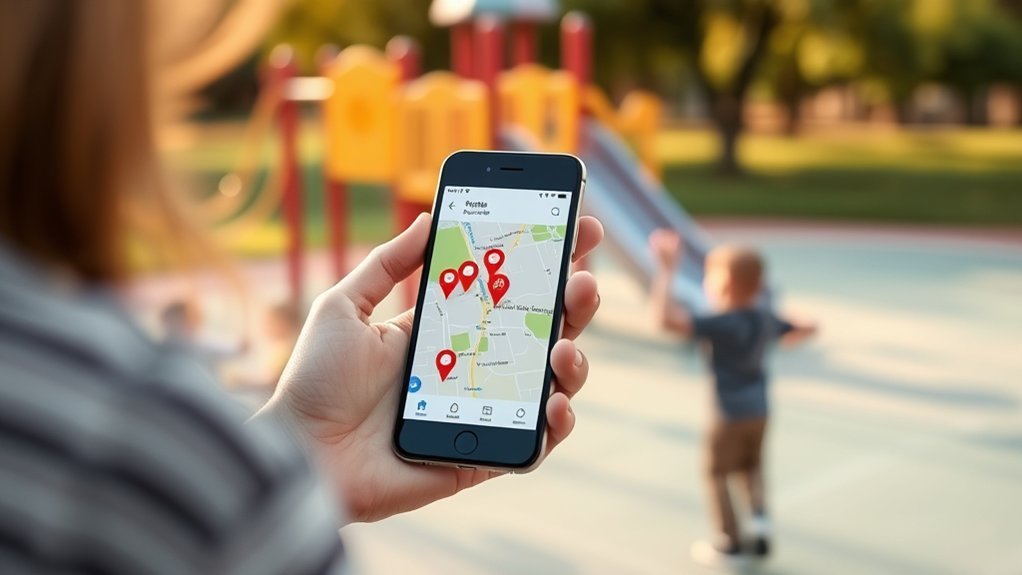
Several dedicated mobile apps have transformed how parents discover and evaluate local play spaces. You’ll find playground apps like KaBOOM!, Playground Buddy, and AllTrails offering comprehensive databases of nearby facilities with detailed information about equipment types, accessibility features, and safety ratings.
These platforms let you filter searches based on your child’s age, preferred activities, and distance from your location.
Many playground apps include user-generated reviews and photos, helping you assess whether a space meets your family’s needs before visiting. Some applications feature adventure maps that highlight unconventional play areas like nature trails, climbing spots, and outdoor obstacle courses.
You can bookmark favorites, share discoveries with friends, and receive notifications when new play spaces open in your area. Download multiple apps to maximize your options.
Visit Your Community Library for Local Resources
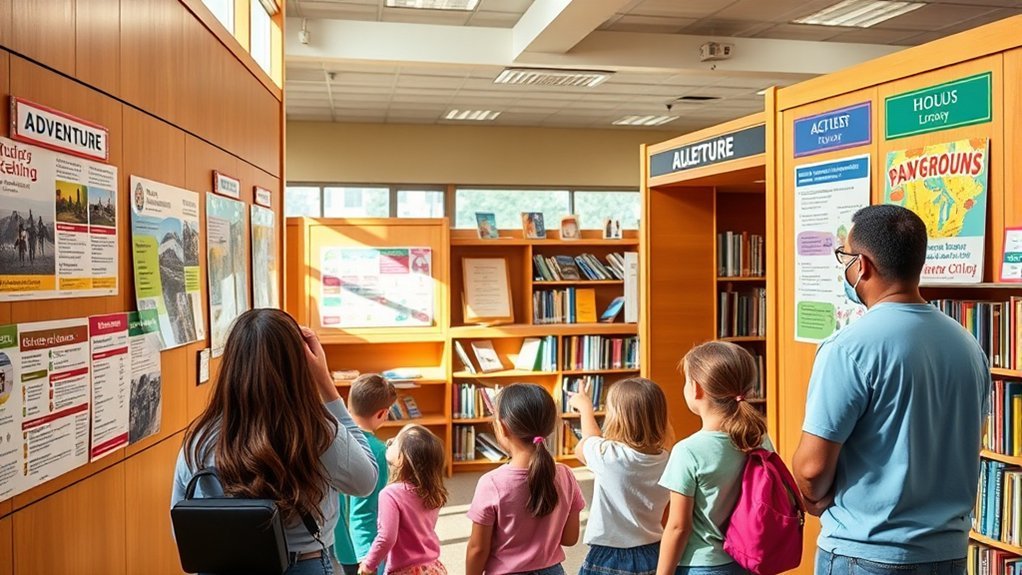
Libraries serve as treasure troves of information about local adventure playgrounds and recreational activities that often go unnoticed by parents scrolling through their phones. Your community library maintains bulletin boards, brochures, and databases specifically dedicated to family-friendly destinations.
Librarians possess extensive knowledge about neighborhood resources and can direct you to hidden gems you’d never find online.
Library resources extend beyond books to include:
- Community events calendars featuring playground openings, nature walks, and outdoor festivals
- Printed neighborhood maps highlighting parks, adventure playgrounds, and recreational facilities
- Free passes to local museums, nature centers, and adventure destinations
- Connections to parent groups organizing playground meetups and outdoor activities
Don’t underestimate your library’s role as a community hub—it’s where local knowledge lives and thrives beyond digital searches.
Ask Other Parents at Schools and Daycares

Where better to tap into real-world playground recommendations than the places where parents gather daily? Schools and daycares are goldmines for discovering local adventure playgrounds through casual conversations during pickup and drop-off times.
Strike up discussions with other parents about their favorite spots. They’ll share insider knowledge about hidden gems, recent updates, and which locations offer the best features for different age groups.
Parent networking at these venues often reveals playground safety concerns you won’t find online, like problematic equipment or inadequate supervision areas.
Join parent committees or volunteer groups where you’ll connect with families who actively explore local recreational spaces. Many parents maintain mental maps of the best playgrounds and willingly share their discoveries.
These firsthand experiences prove invaluable when seeking quality adventure playground activities.
Explore Neighborhood Walking and Biking Trails
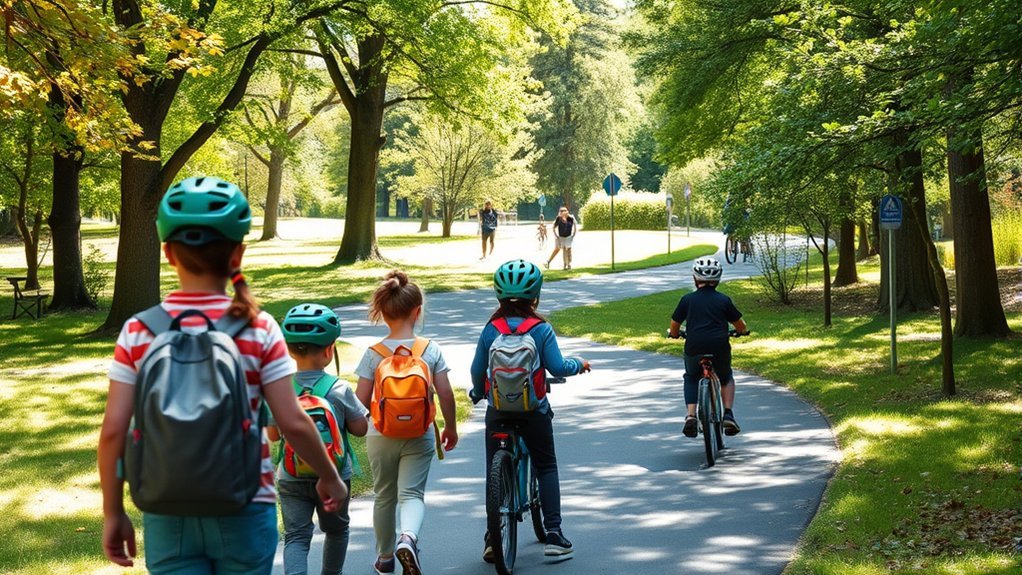
While driving might seem convenient, you’ll discover far more adventure playgrounds by exploring your neighborhood on foot or bike.
Nature walks reveal hidden gems tucked behind residential streets that you’d otherwise miss. You’ll spot small parks, creative play structures, and community spaces that aren’t advertised online.
Before setting out, review biking safety rules with your children and pack essentials like water and snacks.
Map a route that covers different neighborhoods within a two-mile radius.
- Follow playground sounds – Listen for children’s laughter and voices to locate active play areas
- Check community centers – They often have adjacent playgrounds and activity boards
- Photograph discoveries – Document locations you’d like to revisit
- Talk to neighbors – They’ll share insider knowledge about local spots
Contact Local Tourism and Visitor Centers

Your city’s tourism office maintains comprehensive databases of family-friendly attractions that go beyond what you’ll find in a simple online search.
These centers employ staff who know hidden gems and seasonal activities that aren’t heavily marketed online. Visit in person or call to ask specific questions about adventure playgrounds, nature parks, and outdoor recreational facilities suitable for your children’s ages.
Tourism resources often include detailed maps, activity calendars, and insider tips about less crowded locations.
Request visitor information packets that feature upcoming events, new playground installations, and community programs. Many centers also provide discount passes or coupons for local attractions.
Don’t hesitate to describe your family’s interests and physical capabilities.
Staff can tailor recommendations to match your adventure level, ensuring you discover age-appropriate playgrounds with the features you’re seeking.
Search for Nature-Based Play Areas in Your Region
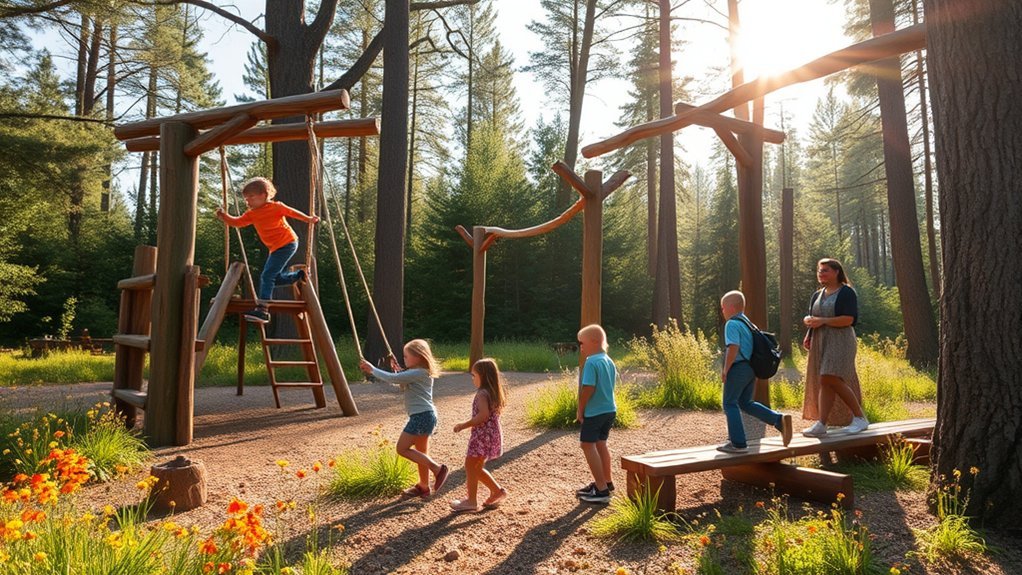
Nature-based play areas offer children unstructured exploration opportunities that traditional metal-and-plastic playgrounds can’t match.
These spaces prioritize natural elements like logs, boulders, water features, and native plants that encourage nature exploration and creativity. You’ll discover these areas by searching online for “natural playgrounds” or “nature play spaces” combined with your city name.
Local parks departments often maintain these outdoor education sites specifically designed for adventurous play.
Consider these resources when searching:
- Environmental education centers – Many offer nature exploration trails and play areas with hands-on learning opportunities
- State and regional parks – Check their websites for designated natural play zones and adventure programs
- Community forests – These public spaces frequently include child-friendly nature trails and exploration areas
- School district programs – Some schools open their outdoor education facilities to the public during weekends
Follow Local Parenting Blogs and Community Websites

Local parenting blogs and community websites serve as goldmines for discovering hidden adventure playgrounds that don’t appear in official directories. These community resources offer firsthand reviews, photos, and detailed directions from parents who’ve actually visited these locations.
You’ll find insider tips about the best times to visit, parking availability, and which playgrounds suit different age groups.
Subscribe to neighborhood Facebook groups, NextDoor feeds, and regional family activity pages where local parenting communities actively share their discoveries. Many bloggers regularly update their posts with seasonal changes, new equipment installations, and upcoming playground events.
You can also reach out directly to these content creators with specific questions about accessibility, safety features, or nearby amenities. Their expertise helps you make informed decisions before visiting unfamiliar adventure playgrounds.
In case you were wondering
What Age Groups Are Adventure Playgrounds Typically Designed For?
Adventure playgrounds are typically designed for children ages 5-15, though age recommendations vary by location. You’ll find playground design elements that accommodate different skill levels, ensuring younger kids and teens can safely explore and play together.
Are Adventure Playgrounds Free or Do They Charge Admission Fees?
Most adventure playgrounds are free to visit, though admission policies vary by location. You’ll find that publicly-funded playgrounds typically don’t charge fees, while private facilities may have different fee structures requiring payment for access.
What Safety Equipment Should Children Wear at Adventure Playgrounds?
Children should wear helmets and pads when climbing or biking at adventure playgrounds. You’ll want to follow each facility’s safety guidelines, as requirements vary. Some playgrounds provide equipment, while others expect you to bring your own gear.
Can Adults Supervise From Seating Areas or Must They Actively Participate?
Most adventure playgrounds follow supervision guidelines that let you monitor from designated seating areas—you don’t need constant adult participation. However, younger children benefit when you’re nearby and engaged, balancing watchful oversight with their independent play.
Are Adventure Playgrounds Accessible for Children With Physical Disabilities?
Like seeds finding soil wherever they’re planted, you’ll discover many adventure playgrounds now feature adaptive equipment and inclusive design. They’re increasingly accessible, though you should verify specific accommodations match your child’s needs before visiting.
Conclusion
You’ve now got multiple strategies to discover exciting adventure playgrounds in your area. Here’s something to consider: studies show that children who regularly visit adventure playgrounds demonstrate 25% higher problem-solving skills compared to those who don’t. So don’t let another weekend pass by indoors—use these tools to find your nearest adventure playground today. Your kids will thank you, and you’ll create lasting memories together while supporting their development.