How To Tell If Your Child’s Bedtime Routine Isn’t Helping To Fall Asleep Anymore!
You’ll know your child’s bedtime routine isn’t working when they consistently take longer than 30 minutes to fall asleep—healthy sleepers typically drift off within 15-20 minutes. Watch for increased negotiations and stalling tactics, frequent night wakings, or signs of overtiredness like irritability and hyperactivity despite adequate hours in bed. If calming activities that once worked no longer produce drowsiness, it’s time to reassess your approach and discover which targeted adjustments can restore restful nights.
Your Child Takes More Than 30 Minutes to Fall Asleep
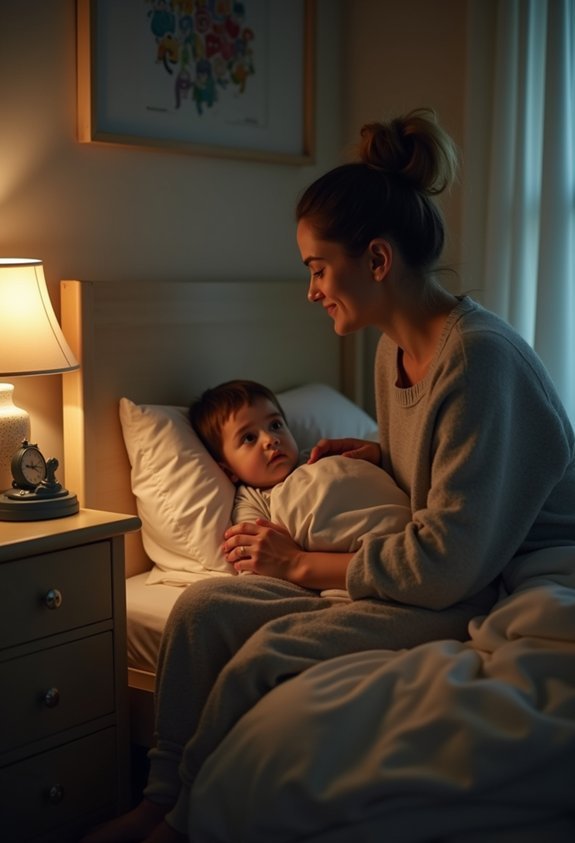
Why does your child lie awake for more than 30 minutes after lights out? This signals their current routine isn’t working effectively. Research shows healthy sleepers typically drift off within 15-20 minutes.
First, evaluate your child’s sleeping environment. The room should be dark, cool (65-70°F), and quiet.
A dark, cool, quiet room sets the stage for sleep success.
Remove screens at least one hour before bed, as blue light suppresses melatonin production.
Consider bedtime snacks carefully. Heavy or sugary foods disrupt sleep, but a small protein-rich snack can stabilize blood sugar through the night. Try cheese, yogurt, or a handful of nuts.
You’ll also want to assess timing. If your child isn’t tired, they may need a later bedtime. Conversely, overtired children often struggle to settle.
Adjust bedtime in 15-minute increments until you find their optimal window.
Frequent Night Wakings Have Become the New Normal
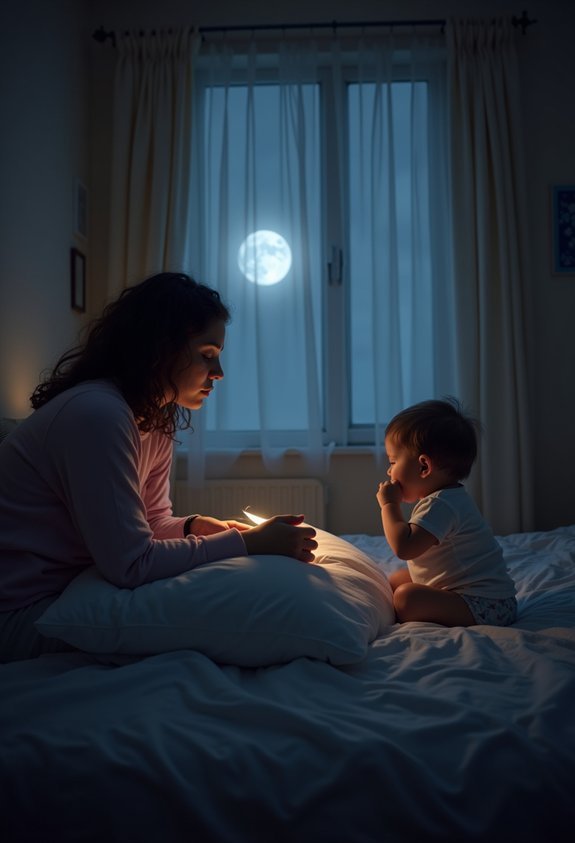
When your child wakes multiple times each night, you may assume it’s just part of parenting—but persistent night wakings usually signal a solvable problem.
Frequent wakings often indicate that your child’s sleep environment needs adjustment. Temperature fluctuations, light exposure, or inconsistent noise levels can disrupt sleep cycles and prevent deep rest.
Nighttime fears also emerge as children develop more vivid imaginations, causing them to wake seeking reassurance.
Your current bedtime routine may lack the tools your child needs to self-soothe when transitioning between sleep cycles. Research shows that children who fall asleep independently handle brief nighttime arousals better than those who rely on parental presence.
Track when wakings occur and what triggers them. This data helps you identify patterns and implement targeted solutions that restore restful nights.
Resistance and Negotiations Are Increasing at Bedtime

Bedtime resistance often accompanies frequent night wakings as part of a broader sleep struggle. When your child’s routine no longer supports quality sleep, you’ll notice increased negotiations, stalling tactics, and outright refusal to go to bed.
Watch for these common patterns:
- Repeated requests for water, bathroom trips, or “one more story” that extend bedtime by 30 minutes or more.
- Emotional triggers like sudden fears or anxiety that emerge only at bedtime.
- Bedtime distractions your child creates, such as playing with toys or calling out for attention.
These behaviors signal that something in the current routine isn’t meeting your child’s needs.
Research shows that children resist sleep when they’re overtired, understimulated during the day, or experiencing developmental changes requiring routine adjustments.
Your Child Seems Overtired Despite Getting Enough Hours in Bed

Although your child may spend 10 or 11 hours in bed each night, the quality of that sleep matters just as much as the quantity.
Watch for classic overtired signs like irritability, hyperactivity, difficulty concentrating, and frequent meltdowns during the day.
Poor sleep quality often stems from fragmented rest cycles. Your child might be waking multiple times without fully rousing, leaving them exhausted despite adequate time in bed.
Fragmented sleep cycles can leave your child exhausted even after a full night in bed.
Evaluate the sleep environment carefully. Is the room too warm, too bright, or too noisy?
Even subtle disruptions like a glowing nightlight or street sounds can prevent deep, restorative sleep stages.
Consider whether your current routine actually promotes relaxation or inadvertently creates stimulation.
Small adjustments to timing, activities, and environmental factors can dramatically improve sleep quality.
The Same Calming Activities No Longer Produce a Drowsy State

If your child’s once-effective bedtime routine no longer produces drowsiness, their brain may have simply outgrown the current approach.
Children’s neurological development means activities that once triggered sleepiness can lose their effectiveness over time.
Consider these bedtime adjustments to restore that drowsy state:
- Introduce new calming alternatives like gentle stretching, progressive muscle relaxation, or audiobooks to replace stale activities.
- Adjust the timing of your routine—starting earlier or extending certain elements may better match your child’s current sleep pressure.
- Reduce stimulating content in the hour before bed, including screens and exciting play.
You’ll know you’ve found the right combination when your child shows natural sleepiness signs—yawning, heavy eyelids, and slower movements—before lights out.
Morning Wake-Ups Are Becoming Earlier or More Difficult

When your child starts waking earlier than usual or struggles to get out of bed, these shifts often signal a mismatch between their internal clock and current schedule.
Early wakefulness can indicate your child’s sleep pressure isn’t building adequately before bedtime. Their body may have adapted to the current routine, requiring adjustments to maintain quality rest.
Sleep disruptions at dawn often stem from environmental factors like light exposure or room temperature changes. However, they can also reveal that your child’s sleep needs have evolved with age or development.
Track these morning patterns for a week. Note wake times, mood upon rising, and energy levels throughout the day.
This data helps you identify whether you’re dealing with a temporary phase or a signal that your bedtime routine needs restructuring.
Behavioral Changes During the Day Signal Poor Sleep Quality

Because children rarely express tiredness the way adults do, their behavior often becomes the clearest indicator of poor sleep quality. You might notice your child becoming more irritable, hyperactive, or struggling to focus during daytime activities. These behavioral shifts suggest their current bedtime routine isn’t delivering restorative sleep.
Watch for these key warning signs:
- Increased emotional outbursts or meltdowns over minor frustrations
- Difficulty concentrating on tasks they previously handled well
- Heightened clinginess or resistance to separation
When you observe these patterns, examine both the sleep environment and evening routine. Research shows that poor sleep directly impacts mood regulation and cognitive function in children.
In case you were wondering
What Age Should Children Stop Needing a Bedtime Routine Altogether?
Children don’t need to stop bedtime routines altogether—they naturally evolve. You’ll notice bedtime independence developing in adolescence, but routine adjustments remain beneficial throughout life. Even teens benefit from consistent wind-down habits for quality sleep.
How Does Screen Time Specifically Affect Children’s Ability to Fall Asleep?
Ironically, that “relaxing” tablet time actually wires your child up. Screen time impact suppresses melatonin production, while blue light effects trick their brain into thinking it’s daytime. You’ll want screens off two hours before bed.
Should Siblings Share the Same Bedtime Routine or Have Separate Ones?
You’ll find that siblings often benefit from shared routines like storytime together, but individualized strategies work best for sleep success. Consider each child’s unique temperament, age, and sleep needs when tailoring their final wind-down activities.
Can Certain Foods or Drinks Help Improve My Child’s Sleep Quality?
Like a trusty telegram delivering good news, you’ll find sleep inducing foods can genuinely help! Offer bedtime snacks containing tryptophan and magnesium—think bananas, warm milk, or turkey—while avoiding sugary drinks and caffeine before bed.
When Should I Consult a Pediatric Sleep Specialist About My Child’s Sleep?
You should consult a pediatric sleep specialist when you notice persistent sleep signs like difficulty falling asleep, frequent night waking, or restless behavior that doesn’t improve with routine adjustments. Don’t wait if problems last beyond two weeks.
Conclusion
You’ve spotted the signs—now it’s time to act. Remember, a bedtime routine that’s lost its magic isn’t a failure; it’s simply your child outgrowing their current needs. Research shows that children’s sleep requirements evolve, and what worked six months ago may need tweaking today. Trust your instincts, make gradual adjustments, and don’t hesitate to consult your pediatrician. Better sleep is within reach for your whole family.