The Real Reason Kids Say Im Bored 50 Times a Day (Its Not What You Think)
When your kid says “I’m boooored” for the 50th time, it’s usually not about toys, it’s about *you*. They’re low on connection, calm, or emotional fuel. Maybe school was hard, a friend was mean, or their brain is just fried, and “I’m bored” is the only button they know to push. Think of it like a tiny, whiny alarm system: something’s off. Once you know what it’s really signaling, you can actually fix the right thing.
Key Takeaways
- “I’m bored” often means “I need connection or attention,” not “I don’t have enough toys or activities.”
- Boredom can signal emotional overload, anxiety, or low-grade sadness that kids don’t yet have words to describe.
- Modern overscheduling and screen time weaken kids’ ability to start their own fun or tolerate quiet, unstructured time.
- Boredom is a useful reset that can spark creativity, problem-solving, and flexible thinking when adults don’t rush to fill the gap.
- Repeated boredom complaints are a cue to get curious, ask open-ended questions, and watch for patterns that may warrant professional support.
What Kids Really Mean When They Say “I’m Bored

There’s a secret behind those two dramatic words: “I’m booored.” Your kid usually isn’t saying, “There’s nothing to do.” They’re saying, “Nothing feels right for me right now.”
Sometimes boredom means, “I’m overwhelmed,” or, “I don’t know what to start with, so I’ll do nothing and complain loudly.”
When your child whines, they might be begging for connection, not toys. “I’m bored” can really mean, “Please notice me,” “Play with me,” or, “Help me switch gears.”
It can also be code for, “I want creative exploration, but I don’t know how to begin,” or, “I need emotional expression, but words are hard.”
The Brain Science Behind Childhood Boredom

Even though it looks simple on the outside, boredom is your kid’s brain doing some wild behind-the-scenes stuff. When your child sighs, flops on the couch, and moans, “I’m boooored,” their brain is actually hitting a reset button. The usual noise slows down. Attention systems power-save. That quiet space lets new connections spark, which is huge for cognitive development.
Think of boredom like a mental loading screen. It feels annoying, but it’s where creativity downloads. Without constant entertainment, your kid has to scan their own mind for ideas: build a fort, draw a comic, turn the dog into a “customer” at their pretend restaurant.
Those moments are boredom benefits in disguise, training focus, problem-solving, and flexible thinking. Basically, boredom grows their brain on purpose.
When “Bored” Is a Code Word for Big Feelings
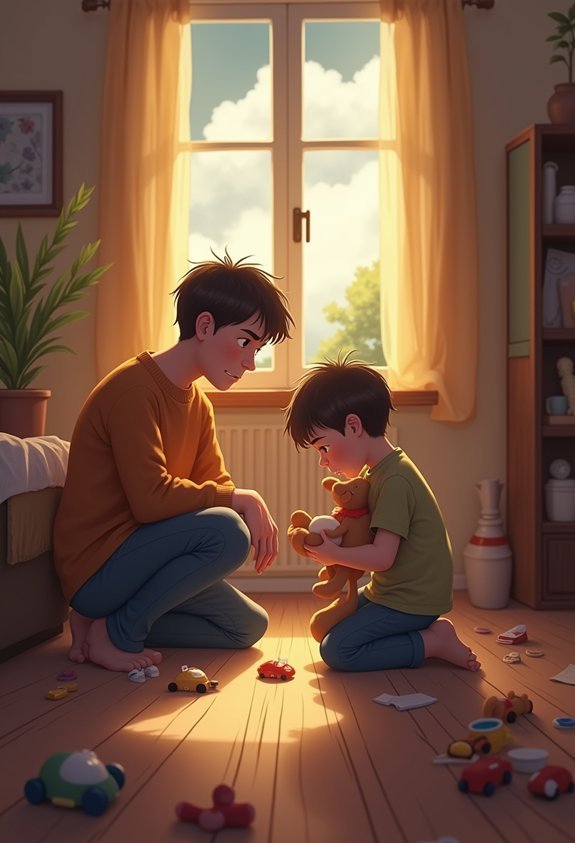
Sometimes “I’m bored” is less about no toys and more about big feelings your kid has no clue how to say out loud.
When your child says it for the 47th time, don’t just hear “nothing to do.” Hear “something’s going on in my chest and I hate it.”
Boredom becomes a safe cover for worry, anger, or loneliness.
- Hidden anxiety. School drama, tests, friend issues. Your kid can’t name it, so “bored” pops out instead of real emotional expression.
- Low-grade sadness. Nothing’s *wrong*, but everything feels blah. “I’m bored” really means, “Life’s gray oatmeal.”
- Overloaded nerves. Too much noise, change, or conflict. Their brain fries, their words vanish, and “bored” becomes a quick coping strategy.
You can help decode that.
How Modern Schedules and Screens Change Boredom
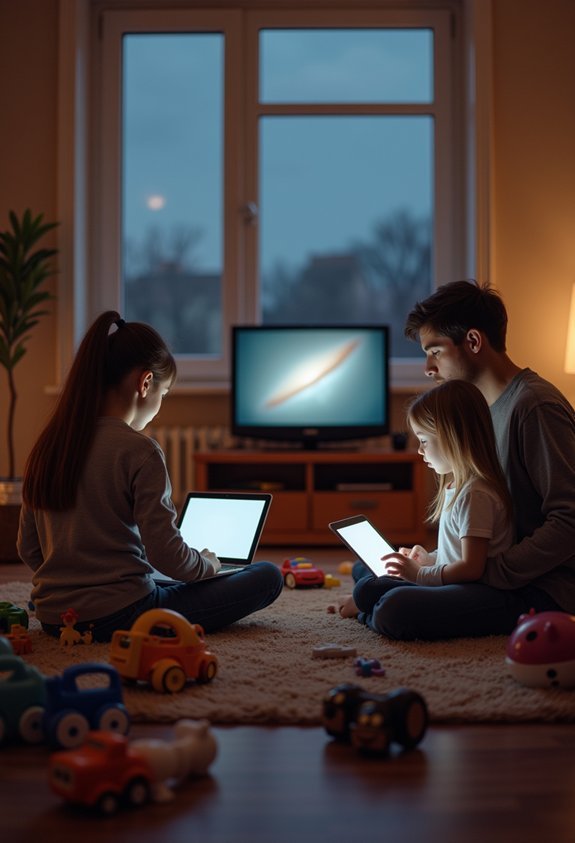
While you were busy color‑coding the family calendar and hiding the tablet charger, the world quietly turned your kid’s boredom into a whole new monster.
Your days swing between schedule imbalance and screen overload, so their brain never gets to just… idle. It’s either go-go-go or Netflix-blob.
Kids ping-pong between overscheduled chaos and screen comas, with almost no space left for their minds to wander
When life is packed, kids don’t learn how to start their own fun. Someone always tells them what’s next, or a screen does.
So when there’s finally a quiet minute, it feels weird and uncomfortable, like walking into a silent party. They say, “I’m bored,” but what they really mean is, “I don’t know what to do if no one programs me.”
And honestly, that’s not their fault. You just have to rewrite how downtime works again.
Personality, Neurodiversity, and Different Needs for Stimulation

Your kid’s boredom isn’t just about schedules and screen time; it’s also about how their brain is wired and what kind of “spark” they need to feel awake.
Some kids crave action, others want quiet, and some bounce between both in five minutes. You’re not crazy; they’re built different. Neurodivergent brains—like ADHD or autism—often need more playful exploration, or very clear structure, to stay tuned in.
Think of boredom as a clue, not a crime scene. You can watch for patterns:
- Energy level. Do they buzz like a hummingbird or move like a sloth before coffee?
- Sensory needs. Lights, sounds, textures—do they seek more, or hide from it all?
- Social battery. Some kids recharge alone; others need people like Wi‑Fi.
Why Parents Rush to Rescue—and How That Backfires
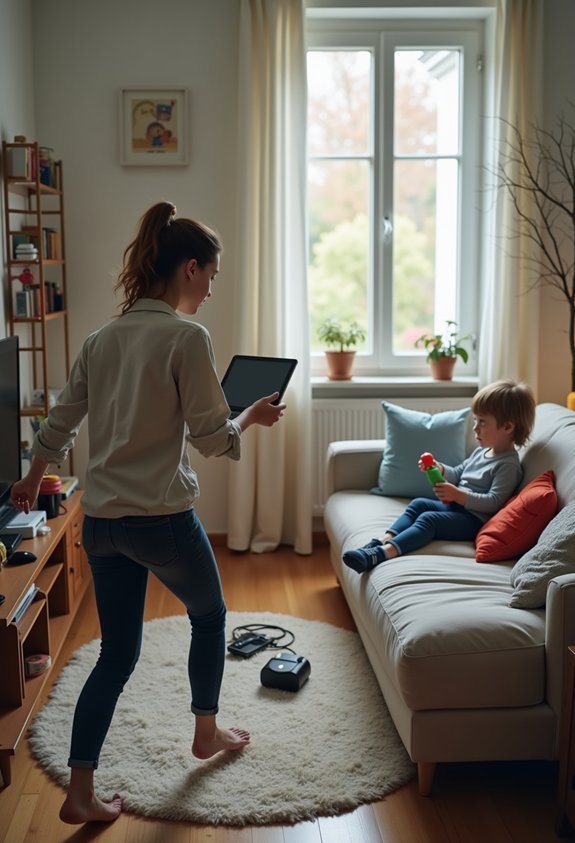
The second a kid says, “I’m boooored,” a lot of parents go into full emergency mode, like boredom is a house fire and only snacks and Netflix can save the day.
You sprint for entertainment because your rescue reflex kicks in. You hate seeing your kid unhappy, so you fix it. Fast.
But here’s the twist: that quick save trains your child to expect constant rescue. They think, “If I whine, you’ll dance.”
That’s one of the big parenting pitfalls with boredom. Your kid never has to practice starting something on their own, pushing through discomfort, or using their own brain to solve the “nothing to do” problem.
You become the cruise director. They become the endlessly cranky guest, stuck, bored, and always demanding.
Turning “I’m Bored” Into a Moment of Connection

Instead of hearing “I’m boooored” as a fire alarm, treat it like a tiny door your kid just cracked open for you.
Under the whining, they’re really saying, “See me. Be with me.”
When you slow down and lean in, boredom turns into a shortcut to closeness and even surprise.
Here’s how you can use those boredom benefits without becoming the family cruise director:
- Get curious: ask what kind of day it feels like—quiet, wild, artsy—and wonder together what might fit.
- Share a tiny moment: a snack, a song, a five‑minute pillow fight. Then step back.
- Notice the spark: when they drift into play, name the creative solutions you see, so they trust their own ideas next time boredom wanders in.
Simple Scripts to Respond Without Over-Entertaining
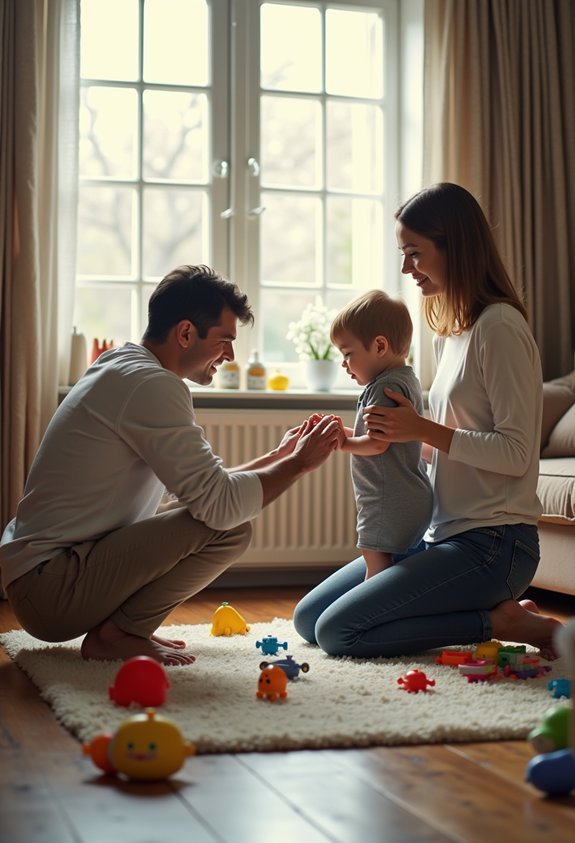
Once that dreaded “I’m boooored” hits for the 47th time today, it helps to have a few go‑to lines so you don’t turn into a walking circus clown on demand.
Try these simple scripts you can toss out without grabbing glitter and a puppet.
“When you’re bored, your brain is telling you it’s ready to create. What’ll you try first?”
“I trust you to figure out something. Do you want inside or outside?”
“You can complain or you can choose an activity. Which one wins today?”
Then add some playful shrug: “If I solve your boredom, I keep your brain lazy. I’m voting for your brain.”
These creative responses stay calm while quietly fostering independence and reminding kids boredom isn’t an emergency. Ever.
Helping Kids Build Their Own Boredom-Busting Toolkit
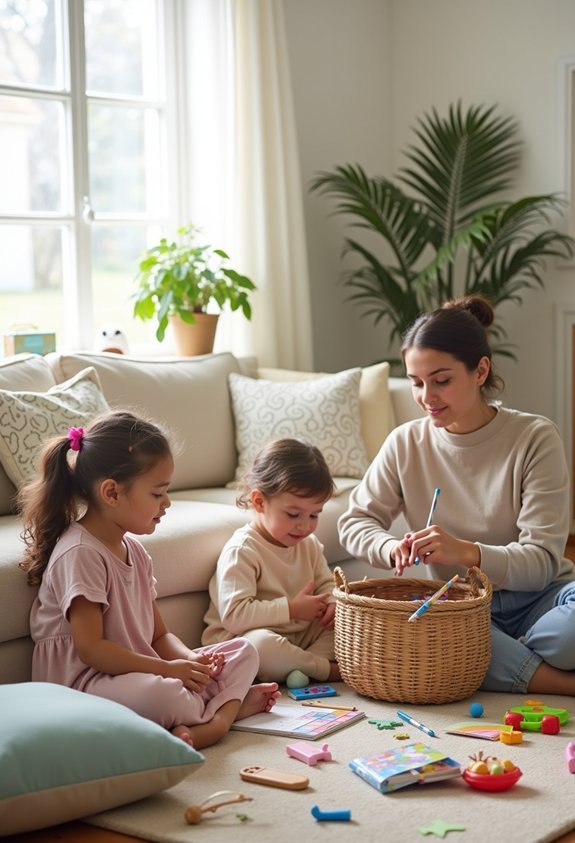
You’ve got your boredom comebacks ready, but let’s be honest—you don’t want to run a one‑parent improv show forever.
So let’s help your kid build their own boredom‑busting toolkit. Think of it like a snack drawer, but for their brain.
Here’s how you set it up together:
- Make a list of go‑to boredom strategies. Reading, Lego, doodling, dancing in the kitchen—anything that doesn’t need you on standby.
- Create simple “stations.” A craft bin, a puzzle shelf, a basket of comics. Keep it low‑mess, easy‑reach, zero‑excuses.
- Practice using the toolkit. When they sigh, say, “Cool, time to grab your list.” Stay calm, even if they act like you just canceled childhood.
Eventually they’ll start fixing boredom faster than you can blink. Boom.
When Boredom Signals Something More Serious

Although most “I’m boooored” moments are harmless, sometimes that line is the costume hiding something bigger. When your kid says it nonstop, you’ve got to zoom in.
Are they snapping at everyone, crying over tiny things, or suddenly hating stuff they usually love? That’s not boredom; that’s a smoke alarm. Kids often use “I’m bored” when they can’t name feelings like anxiety, sadness, or anger. It’s emotional expression with a fake mustache.
Watch for boredom triggers: homework time, screen shutdown, going to school, bedtime. Patterns matter. If “I’m bored” shows up with stomachaches, sleep problems, or major mood swings, call in backup—a pediatrician, counselor, or school therapist.
You’re not overreacting; you’re reading the subtitles. Keep listening, asking questions, and trusting your gut than Google.
In case you were wondering
How Do Different Cultures View and Respond to Kids Saying “I’M Bored”?
You’ll see cultures treat boredom differently: some view it as disrespect, others as creativity’s spark. You can explore cultural attitudes, teaching kids patience, responsibility, or imaginative play, and choose boredom solutions that respect children’s individuality.
Can Boredom Actually Improve My Child’s Creativity and Problem-Solving Over Time?
Yes, when you resist instantly fixing boredom, your child’s mind wanders, experiments, and invents. Those unstructured moments teach flexible thinking, spark a creativity boost, strengthen patience, and reveal boredom benefits that support problem-solving, resilience, and self-directed learning over time.
How Should Divorced or Co-Parenting Families Handle Differing Boredom Rules Between Homes?
You treat different household expectations as gentle variations, not battles, by calmly discussing shared boredom boundaries, agreeing on baseline parenting consistency, explaining differences to your child, and reassuring them homes value independence and problem-solving muscles.
Are There Healthy Ways for Siblings to Manage Boredom Together Without Constant Conflict?
Yes, you can guide siblings to manage boredom by planning simple sibling activities, rotating choices, setting shared goals, using cooperative games, scheduling quiet breaks, and teaching them to negotiate, apologize, and reset when tension rises.
How Can Teachers Coordinate With Parents When “I’M Bored” Shows up at School?
You suspect “I’m bored” hides anxiety or confusion, so you initiate parent teacher communication, share classroom observations, ask about home patterns, and co-create boredom strategies, emphasizing choice, challenge, and check-ins that help kids feel capable.
Conclusion
Next time your kid sighs, “I’m boooored,” don’t panic and launch the Cirque du Soleil of parenting. You’re not Disney World on legs. You’re more like Gandalf, calmly guiding a tiny, dramatic hobbit through the Misty Mountains of Big Feelings. Get curious, name what’s really going on, offer a few tools, then step back. When you treat boredom as a doorway, not a fire alarm, you both level up, again, again, and again—by choice later.