3 Types of Boredom in Kids and Exactly What They Need From You (Not More Toys)
When your kid moans “I’m boooored,” it usually means one of three things, and none of them is “buy more toys.” Sometimes they need you: ten minutes of goofy, phone-free attention. Sometimes they need a real challenge, not another baby-level worksheet. And sometimes they need quiet space to daydream, tinker, and stare at the ceiling like a tiny philosopher. Figure out which boredom it is, and everything starts making way more sense for you too.
Key Takeaways
- Some “I’m bored” moments signal a need for connection; offer brief, undistracted quality time like talking, drawing together, or a quick game.
- Other boredom comes from under-challenge; provide harder puzzles, DIY projects, or open-ended tasks that stretch their thinking instead of new toys.
- Sometimes kids need mental space, not entertainment; protect quiet, screen-free time so they can daydream, tinker, and reset.
- Notice and praise imaginative play with simple materials; this builds confidence and shows them they can create their own fun.
- Your presence, attention, and trust—not more stuff—are what most often turn boredom into connection, creativity, and growth.
When “I’m Bored” Really Means “I Need You
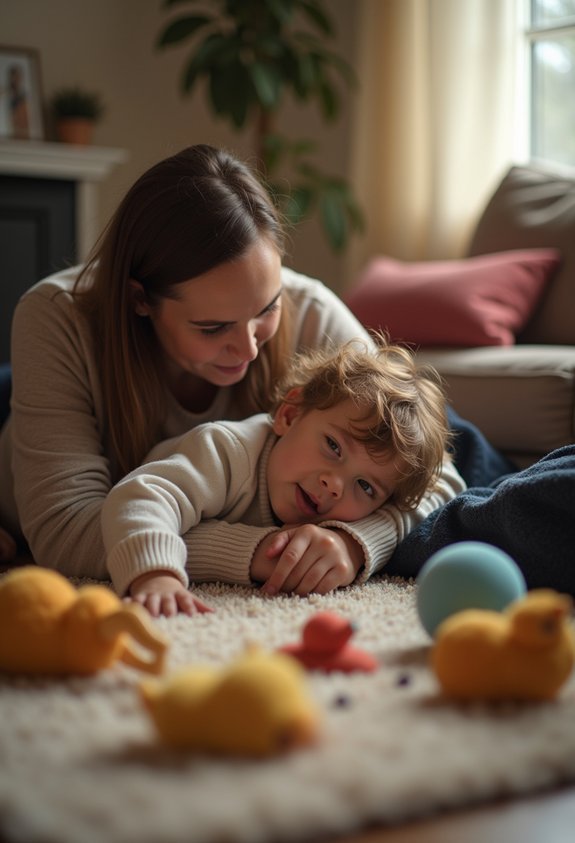
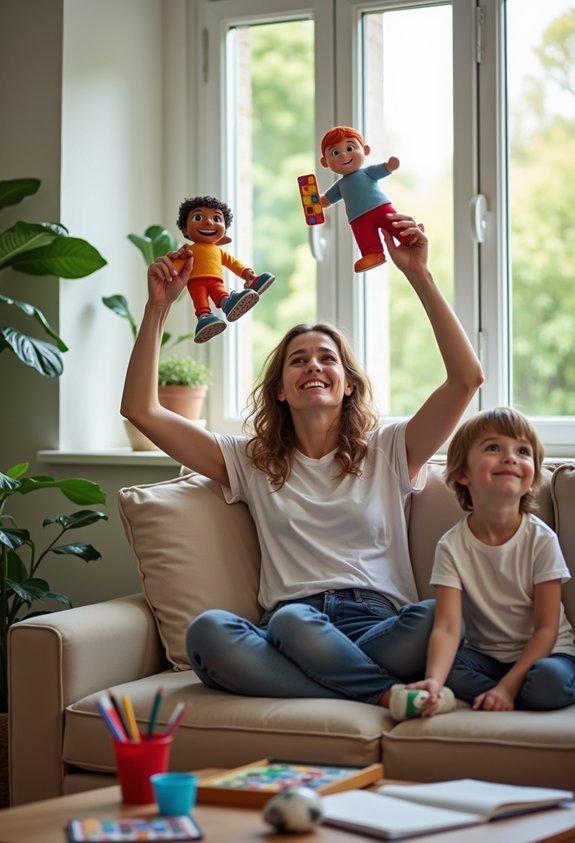
Sometimes “I’m boooored” isn’t really about the Lego pile or the iPad being dead—it’s your kid’s secret code for “I need you right now.”
They mightn’t say, “Mother, I’m feeling emotionally disconnected and require quality time,” so instead they flop on the floor like a sad noodle and complain.
You see a whiny kid; underneath, it’s a flashing sign: “emotional connection, please!”
When this hits, don’t rush for another toy. Sit down, look them in the eyes, and give ten undistracted minutes.
Play a quick card game, draw together, or snuggle and talk about the weird dream they had.
You’ll feel the mood shift. Their body un-crumples, voice softens, and they remember a million things to do.
That tiny refill of connection flips the switch—and suddenly, they’re lit up and alive again.
That’s the magic of quality time.
When Boredom Is a Cry for Challenge and Growth
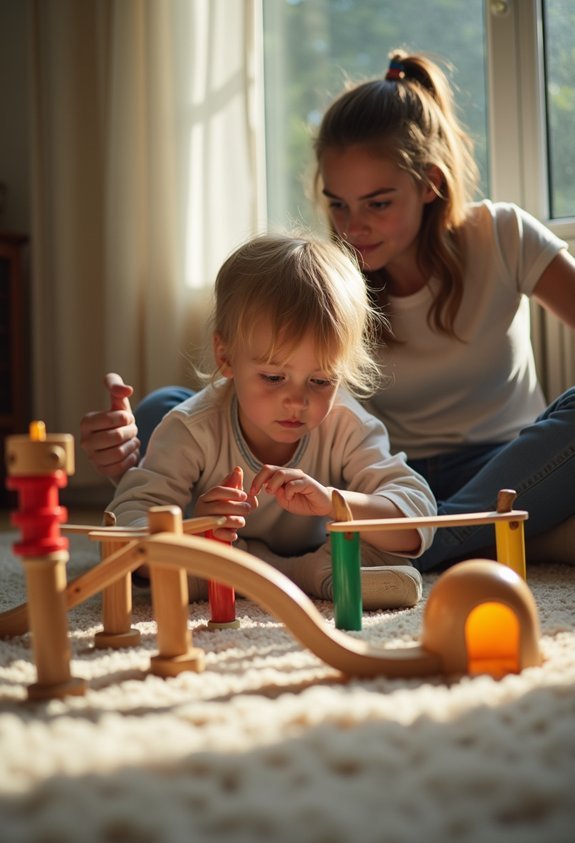
When a kid says, “I’m bored,” it isn’t always code for “entertain me” — a lot of the time it’s actually “this is way too easy, my brain is melting.”
Picture giving a 10-year-old a coloring sheet with giant cartoon puppies: they’ll finish in 30 seconds, stare into space, and then start poking the dog or annoying their sibling just to wake their brain up.
That’s boredom as a cry for Challenge opportunities and real Growth experiences. Their brain wants resistance, like a muscle.
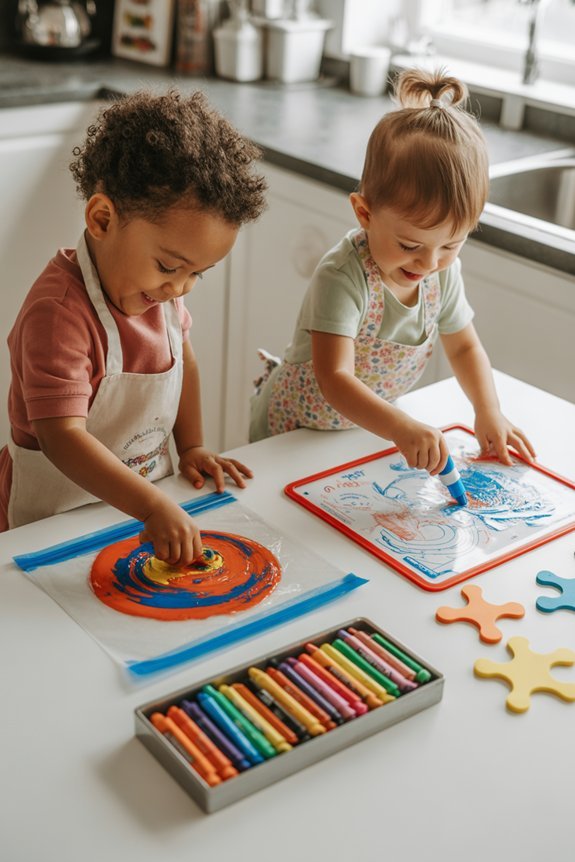
So you offer a harder puzzle, a trickier recipe, a DIY project where stuff might actually break. You say, “I think you’re ready for the next level.”
Boredom drops. Confidence rises. Your kid feels alive again from the inside out.
When Kids Need Space to Daydream, Tinker, and Create

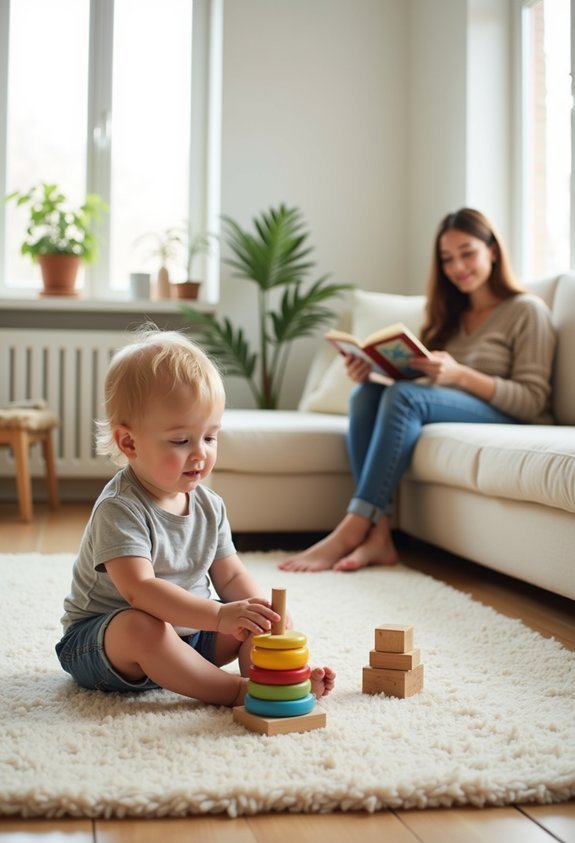
Even though boredom can be a cry for more challenge, it can also be your kid’s brain yelling, “Can everybody just stop talking so I can THINK?”
Not school-think. This is the stare-out-the-window, pick-at-the-carpet, doodle-on-the-envelope zone. When your kid says, “I’m bored,” but refuses every idea, they might be begging for space, not entertainment.
Your job isn’t to fix it. It’s to protect it. You can:
- Guard quiet time like it’s a doctor’s appointment.
- Lower screen time so creative freedom has room to show up.
- Keep random junk for building, tinkering, and “weird inventions.”
- Say, “I trust you to figure it out,” then actually back off.
- Notice and praise small moments of imaginative play later.
That’s when their brain quietly does its best work.
In case you were wondering
How Can I Tell Boredom From Early Signs of Anxiety or Depression in Kids?
You spot boredom indicators when your child seems restless yet playful; anxiety signs show up as withdrawal, constant worries, sleep changes, or tummy aches that persist, affect friendships, and don’t ease when you offer comfort.
What Role Does Screen Time Play in Children’s Boredom and Motivation Levels?
Screen time can dull your child’s intrinsic motivation, making activities feel boring compared with constant digital stimulation, and even fostering screen addiction; when you set digital detox periods, you’ll see creativity, persistence, and curiosity return.
How Does Boredom Look Different in Toddlers, School-Age Kids, and Teenagers?
You see boredom shift across ages: like seasons, toddler tantrums storm quickly, school age disengagement drifts into daydreaming, teenage apathy settles heavy. You respond by naming feelings, setting gentle structure, and inviting creative exploration daily.
Can Chronic Boredom in Childhood Affect Long-Term Academic or Career Choices?
Yes, chronic boredom can shape academic choices by weakening curiosity, lowering persistence, and steering you toward paths, which may limit exploration during childhood development and narrow career impact, so you don’t build satisfaction or resilience.
How Should I Talk to Teachers About My Child’s Boredom at School?
You approach the classroom door as your child sighs beside you; use this coincidence to start teacher communication, calmly describe bored moments, ask for enrichment options, collaborate on effective strategies, and schedule follow-ups to changes.
Conclusion
So next time your kid groans, “I’m boooored,” don’t panic and rush to Amazon. Listen. Are they really saying, “Be with me”? “Challenge me”? Or “Back off, I’m thinking”? When you match what they need, you turn boredom from a whiny monster into a secret superpower. You won’t nail it every time—you’re a parent, not Wi‑Fi—but you’ll miss less. And that’s how ordinary Tuesdays turn into magic.