What to Do When Your Child Says I Dont Know What to Do Even With a Room Full of Toys (The Solution No One Tells You)
When your kid stands in a toy disaster zone and sighs, “I don’t know what to do,” it’s usually not boredom, it’s overwhelm. Their brain’s like, “Too many options, I’m out.” Start by sitting with them for a minute, no phone, just you. Pick one simple toy or game and say, “Let’s start with this.” Play together briefly, then quietly step back. Fewer toys, more connection, and tiny prompts are the magic combo—and that’s just the beginning.
Key Takeaways
- Treat “I don’t know what to do” as a bid for connection—pause, sit nearby, and warmly engage before suggesting any toys.
- Declutter and rotate toys so only a small, varied selection is visible, reducing decision overload and inviting deeper, more focused play.
- Offer tiny prompts (“Can these animals go on an adventure?”), then follow your child’s lead instead of directing or correcting the storyline.
- Build a simple play routine (e.g., daily “quiet play hour”) so your child knows when and how independent play will happen.
- Observe which toys trigger meltdowns or avoidance; these reveal skill gaps you can gently scaffold with brief coaching, then step back again.
Why “I Don’t Know What to Do” Is Almost Never About Boredom

Confession time: “I’m bored” is almost never about actual boredom, it’s usually code for something else.
When your kid says, “I don’t know what to do,” they’re not out of options. They’re out of emotional fuel. Maybe they feel lonely, overwhelmed, or weirdly restless and can’t name it, so the words “I’m bored” just fall out.
Sometimes they want you, not toys: your laugh, your eye contact, your silly ideas.
Sometimes they’ve forgotten how to start playful exploration, so everything feels “meh.” Or they’re craving imaginative freedom, but their brain is stuck on, “What’s the right thing to play?”
You’re not failing. Your kid’s not lazy. That messy, whiny moment is actually an invitation to connect.
Slow down, notice, and let them feel seen.
How Too Many Toys Can Quietly Shut Down Imagination
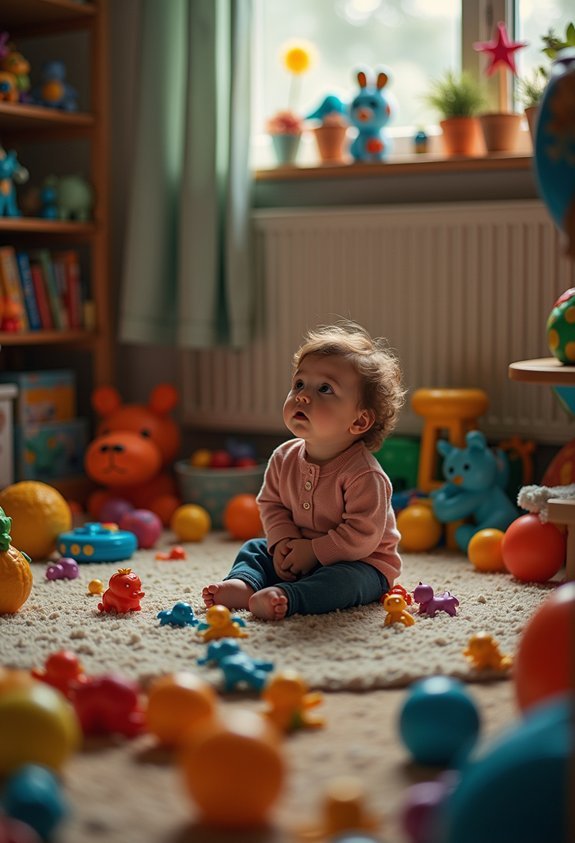
Even though it sounds wild, one of the fastest ways to kill a kid’s imagination is to drown it in toys. When your living room looks like a toy store exploded, your child’s brain kind of freezes. That’s toy overload, not luxury.
Drowning kids in toys doesn’t spark imagination—it quietly shuts their creativity down.
Here’s what quietly happens:
- They stop exploring. With a mountain of stuff, it’s easier to say “I don’t know” than choose.
- They play shallow. Five minutes with everything, deep with nothing.
- They rely on bells and whistles. If it doesn’t light up, they’re “bored.”
- They lose practice turning random junk into magic, so you see real creativity decline.
Fewer toys doesn’t mean less fun. It means more stories, weird inventions, and actual focus for both you and them.
The Key Skills Kids Are Missing When They Can’t Start Playing

Meltdowns over “I don’t know what to play” aren’t random drama; they’re usually a skills gap in disguise. Your child isn’t lazy or broken; they’re missing key tools.
First, they may not know how to start imaginative play. They stare at a toy and think, “Uh… now what?” They need help turning a plastic dinosaur into a volcano explorer or a doctor doing T-rex checkups.
Second, planning is hard. Many kids can’t break big ideas into simple steps, so they freeze.
Third, social interaction is confusing. If siblings, cousins, or friends are around, your child might worry, “What if they think my game is dumb?” When play feels risky or fuzzy, “I don’t know” feels safer.
Simple Ways to Read What Your Child’s Behavior Is Really Telling You

So if “I don’t know what to play” is usually a skills gap, your next job is figuring out which skills are missing—and your kid’s behavior is already shouting the answers at you.
Instead of taking the words at face value, zoom out and watch for behavior patterns and emotional cues. Think of yourself as a detective with coffee instead of a trench coat.
Zoom out from their words and read the clues in their behavior and emotions
- Notice when they melt down. Does it happen when toys are tricky, messy, or new? That points to missing skills there.
- Watch what they avoid. The toys never touched? Clue.
- Track clinginess. Stuck to your leg? They might need help feeling safe trying stuff.
- Listen to sighs, grunts, or “I’m bored.” Those scream, “This feels hard.”
The Counterintuitive Power of Doing Less So Your Child Plays More

When your kid says “I don’t know what to do,” your brain probably screams, “DO MORE.”
But here’s the twist: your child often plays better when you do less. Fewer toys out at once? That creates creative limitations that actually wake up their imagination. One box becomes a rocket, a cave, a pet hotel.
When everything is available, nothing feels special, and they wander around bored.
Playful constraints work the same way. “You can only use what fits on this blanket.” Or “Today the couch is lava; we save stuffed animals.”
You look lazy, but you’re actually giving their brain a workout. And you get to drink your coffee hot. Everyone wins, and your kid thinks you’re some kind of play wizard at home.
Step‑by‑Step: How to Gently Guide a Stuck Child Into Independent Play

Even though you’d love to just yell, “Go play!” and flop on the couch like a fainting Victorian aunt, a stuck kid usually needs a gentle nudge, not a shove.
Think of yourself as their play jump‑starter, not their cruise director. You’re there to spark, then step back.
Be the jumper cables for their play, not the engine that runs the whole trip
- Sit with them for two minutes. Notice something: “Whoa, all these cars look fast.” Touch one, then hand it over.
- Offer tiny imaginative prompts: “This one is late for school—who’s driving?” Let them decide, then follow their idea briefly.
- Use simple playtime routines: “First we park cars, then we race three times.” Predictable, but quick.
- When they’re focused, quietly fade out. Stand up, mumble, “Gotta switch laundry,” and leave them playing happily.
Resetting the Play Space: Decluttering, Rotating, and Reimagining Toys
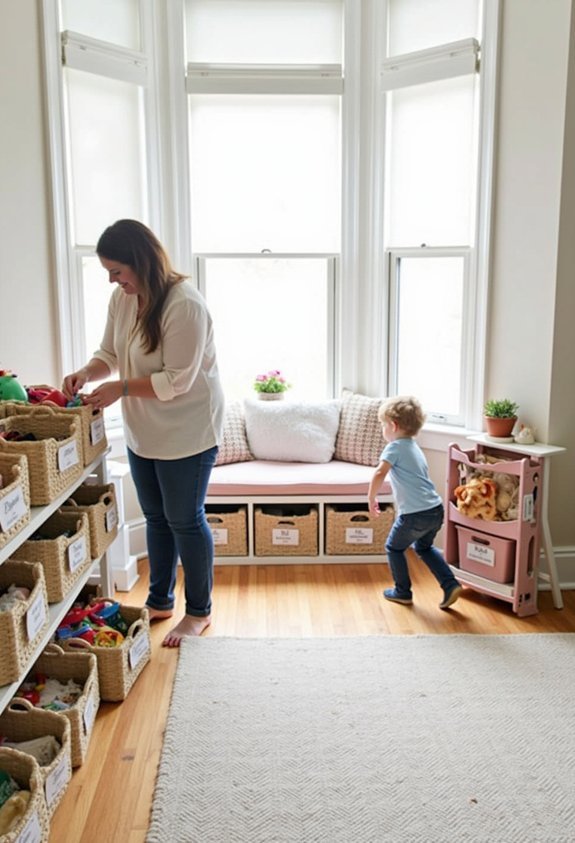
Start by doing a ruthless sweep.
Broken toys? Gone.
Loud plastic junk no one touches? Also gone.
You’re not a toy museum curator.
Next, try toy rotation.
Keep out just a few great toys and box the rest in a closet.
Every week or two, swap them.
Old toys feel brand‑new, without buying a thing.
Then tweak the play environment:
clear floors, low shelves, simple bins, little “zones.”
Less chaos, more calm.
Suddenly “I don’t know” turns into quiet, focused play for you both.
Scripts You Can Use in the Moment (Without Lecturing or Nagging)

How do you respond to “I don’t know what to do” without turning into a TED Talk no one asked for?
First, breathe. Your kid isn’t broken; their brain is just buffering. Scripts help you stay calm and keep play fun.
Pause first. Nothing’s wrong—your kid’s brain is just buffering. Gentle scripts reboot play.
Try these:
- “Hmm, sounds like you’re stuck. Want three quick playtime prompts or should we hunt for an idea together?”
- “If you’d to play with *something* right now, even if it’s boring, what would you pick?” (Hello, creative questioning.)
- “Do you want a quiet game, a messy game, or a moving-around game?”
- “Let’s each pick one toy. You start with yours for five minutes, then we switch.”
You’re not lecturing. You’re guiding their stuck little brain back into playful gear again today.
Building a Home Culture Where “I Don’t Know What to Do” Rarely Shows Up

Those scripts help in the moment, but let’s be honest—you don’t want to coach every five minutes like the on-call cruise director of your own house.
You want a home where your kid just drifts into imaginative play like it’s their job. So set up the space: baskets of open-ended toys, art stuff ready to grab, a few weird household items that scream, “Turn me into something!”
Rotate things so it feels new without buying the whole toy aisle. Then protect boredom. Don’t jump in with screens or big plans the second they sigh.
Stay calm, maybe toss out a silly prompt, then walk away. Over time, their brain learns, “When I’m stuck, I start playful exploration.”
And suddenly, “nothing to do” disappears completely.
In case you were wondering
How Does Screen Time Affect My Child’s Ability to Start Independent Play?
Screen time can weaken your child’s ability to start independent play because rapid entertainment reduces patience, creativity, and tolerance for boredom; when you limit screens, you’ll see more initiative, imagination, and problem‑solving during unstructured moments.
What if My Child Has ADHD or Autism and Struggles More With Free Play?
Roughly 1 in 36 children has autism, so your child’s struggle with free play isn’t unusual. Use brief structured activities, clear choices, and soothing sensory play, then slowly reduce support so free play feels manageable.
How Can I Help Siblings Play Together When One Always Says “I’M Bored”?
You set clear roles, offer short cooperative games, and give the bored sibling a simple leadership job. You normalize sibling rivalry, coach kind words, and stay nearby at first, then gradually fade as teamwork grows.
Should I Tell Teachers if My Child Often Feels “stuck” During Play at School?
Yes, you should tell teachers, because sharing that your child feels stuck helps them support regulation and connection during play. You open playtime communication, invite teacher insights, and create consistent strategies between home and classroom.
How Do I Explain Boredom and Play Expectations to Grandparents or Other Caregivers?
Gentle grounded guidance gives grandparents grace: you explain boredom as a busy brain needing direction, share clear play expectations, and use caregiver communication—texts, examples, debriefs—so everyone supports your child’s need for choice, challenge, and calm.
Conclusion
So now you know: your child isn’t “bored,” they’re the tiny CEO of a toy empire who’s overwhelmed by their own inventory. When they say, “I don’t know what to do,” you won’t panic, buy 47 new toys, or Google “Is my kid broken?” You’ll slow down, clear space, say less, and guide them back to their own brain. Congratulations—you’re not just raising a kid. You’re raising a problem‑solver with a working imagination.