Garden Projects for Kids Who Kill Everything (Even Cacti Can’t Survive)
You’ve got a black thumb? Perfect. This is chaos gardening, kid-style. Try seed “science labs” in clear cups so you can watch roots grow like tiny aliens. Stick lettuce stumps and green onion bottoms in yogurt cups and boom—lazy mini farm. Turn mud, rocks, and water into a disaster-ready outdoor kitchen. Smash flowers for art, build faces from leaves, and plant sensory herbs it’s okay to squish. Want the silly how‑to chaos?
Key Takeaways
- Try clear-cup seed experiments with beans; kids can watch roots and stems grow quickly, even if plants don’t survive long-term.
- Regrow kitchen scraps like lettuce stumps or green onion bottoms in yogurt cups; short-lived success still feels like a win.
- Set up a mud, rocks, and water play zone so “gardening” is about exploration, not keeping plants alive.
- Make nature art from fallen leaves, flowers, and sticks, focusing on creativity with materials that are already detached.
- Create a forgiving sensory garden in pots or a muddy corner, using tough herbs and textures where accidental damage is expected and okay.
Silly Science Experiments With Seeds That Sprout Fast
Even if you’ve never kept a houseplant alive for more than a week, you and your kids can totally pull off some silly science experiments with seeds that sprout fast.
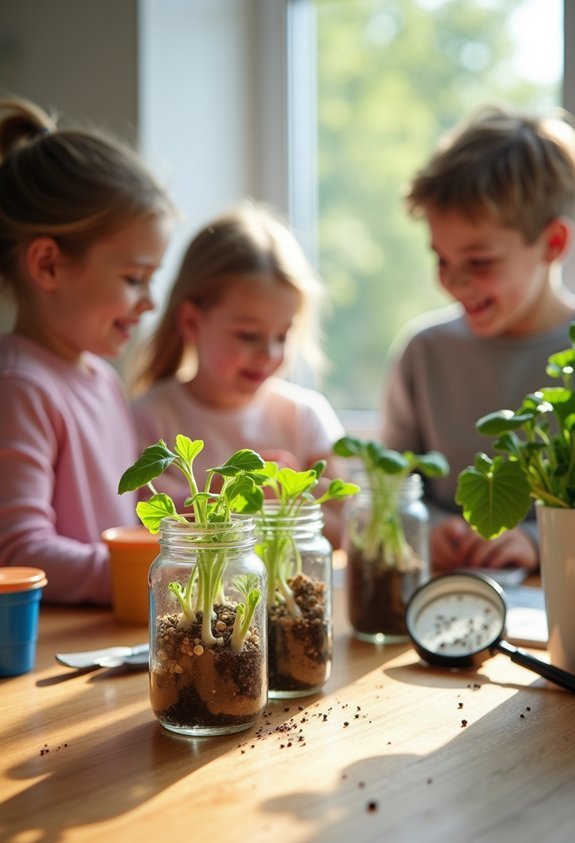
Grab a clear plastic cup, a paper towel, and a few beans. You’ll build a tiny plant lab in about thirty seconds. Wet the towel, press it into the cup, then slide seeds between towel and plastic. Boom: front-row window into seed sprouting.
Stick the cup on a bright windowsill and let your kids obsess. They’ll see roots shoot down, stems race up, and leaves pop like magic.
Measure daily for quick growth, draw “before and after” pics, even name the fastest seed. Warning: bragging rights may cause dramatic cheering from the entire family.
No-Fail Container Gardens Using Kitchen Scraps
While most kitchen scraps are doomed to a sad, soggy life in the trash, some are just sitting there ready to become tiny garden heroes.
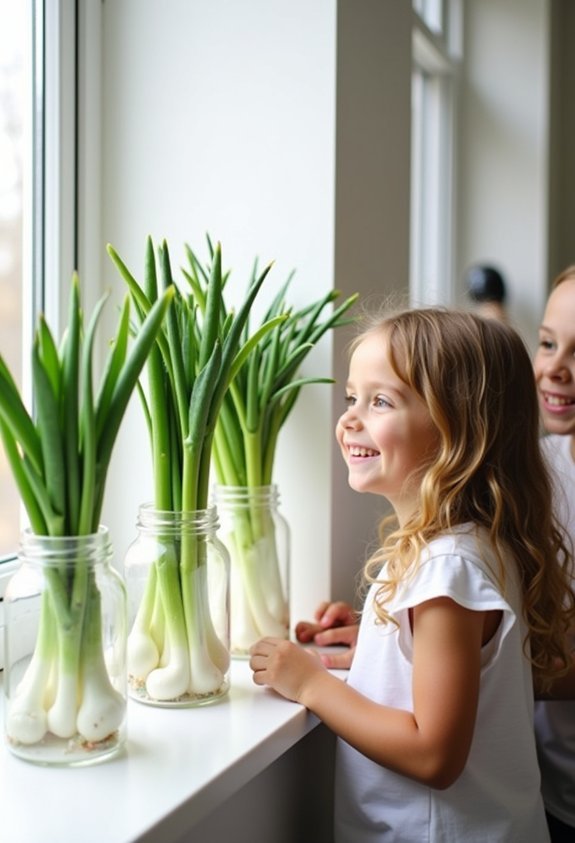
Line up a few clean yogurt cups, poke drainage holes, and boom—you’ve got a free mini farm. Hand your kid a lettuce stump, green onion root, or sad celery base. Plunk each kitchen scrap into soil, water, and stick it in bright light.
Then dare your kid not to check it every hour. When new leaves appear, it feels like compost magic, but slower and less gross. Snip greens for sandwiches or ramen.
If something dies, no drama—you were going to toss it anyway. Just try again with tonight’s dinner scraps. Label cups with goofy names for kid buy-in.
Messy Mud, Rocks, and Water Play for Tiny Gardeners
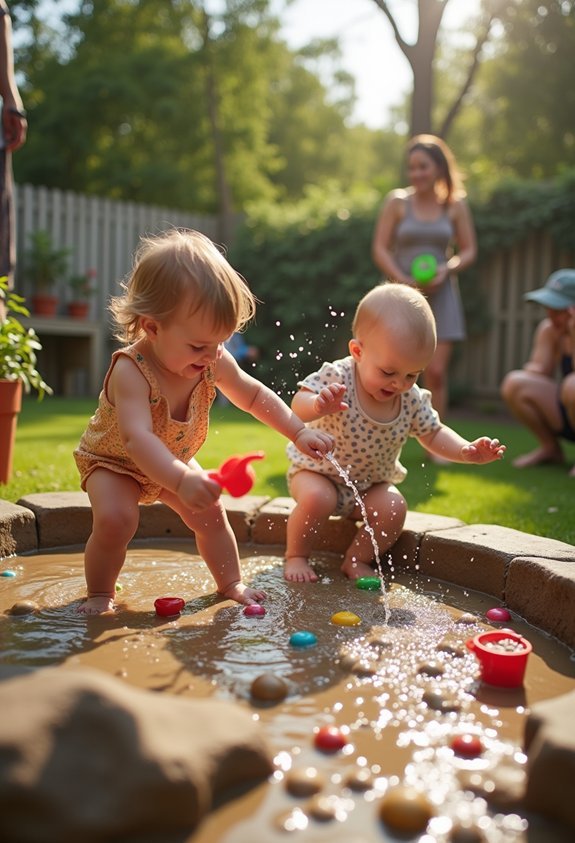
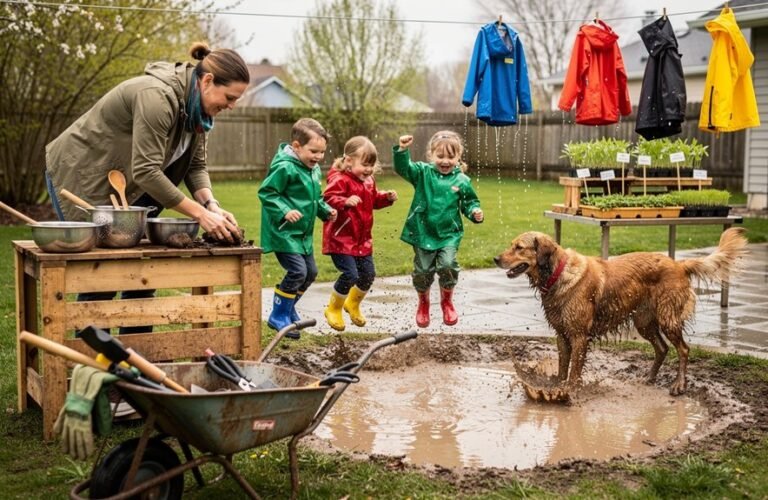
Mud, rocks, and water are basically the holy trinity of kid happiness, so you might as well lean in and plan for the mess instead of fighting it.
Start by staking out a “splash zone” with old towels or a plastic tablecloth, then let your tiny chaos machine loose.
Lay down a splash zone, then release your tiny chaos goblin to do their worst
Mud kitchens are gold here: a few bowls, spoons, and a beat‑up muffin tin, and suddenly you’re being served mud cupcakes with a side of gravel soup.
Add a shallow tub of water for “washing dishes” that somehow makes everything dirtier. Toss in a bucket of rocks so your kid can build wild rock sculptures, dams, and tiny “volcanoes.”
Nothing lives, nothing dies, and everyone still learns outside. You just hose everything down afterward anyway.
Nature Art Projects With Leaves, Flowers, and Sticks
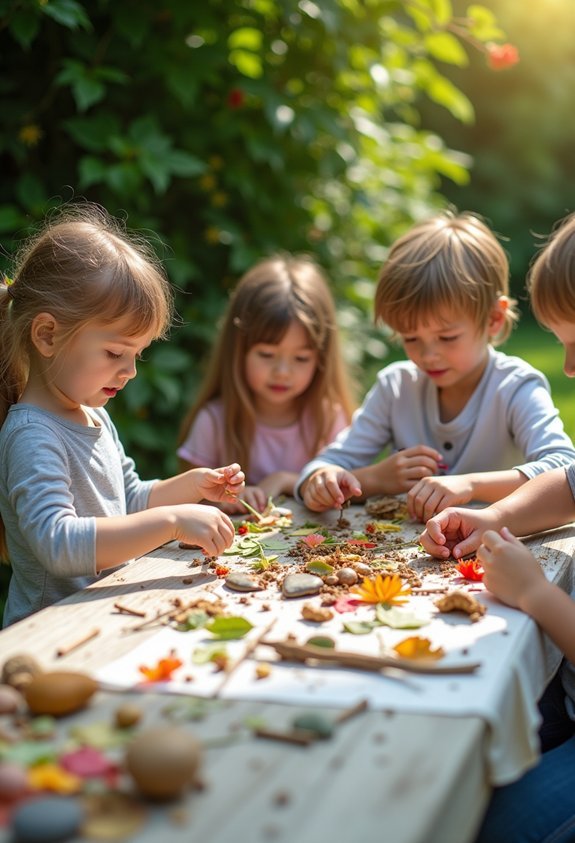
Here’s what you can do with the loot:
- Make leaf rubbings with crayons and paper. It feels like magic when the veins show up.
- Do flower prints: smash petals between paper sheets and watch the colors stain like nature’s tie‑dye.
- Build stick frames, then tape art inside for “gallery.”
- Arrange leaves and twigs into faces, then snap photos before the wind steals everything.
Sensory Gardens You Can Touch, Smell, and Accidentally Squish
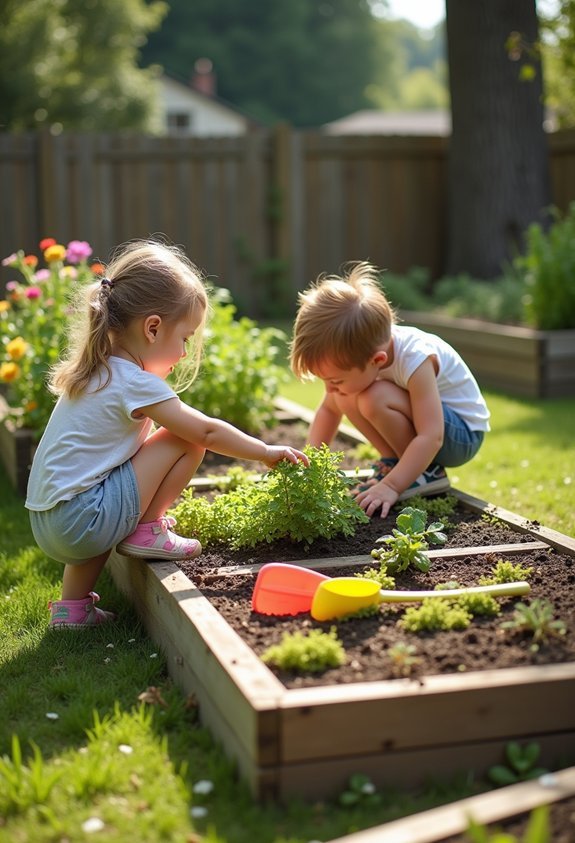
That’s your inner raccoon talking, and a sensory garden totally feeds it. You pack one small area with fragrant herbs, wild colors, and big tactile textures. Think soft lamb’s-ear, snapdragons you can pinch, and mint you’ll sniff every time you walk by.
Don’t worry about perfection. This is a “poke it and see what happens” kind of garden. Some leaves will rip, petals will fall, and something will get accidentally sat on. Good. That’s science, drama, and stress relief in one messy, great-smelling package.
Start with pots, window boxes, or one muddy corner, and let kids poke, sniff, and gleefully squish everything alive there.
In case you were wondering
How Do I Involve Kids Who Dislike Dirt, Bugs, and Outdoor Activities?
You start indoors: try indoor gardening with tools, gloves, and low-mess plants, then create bug-free sensory bins using dried beans, faux flowers, and toy vegetables so kids explore nature’s safely, gradually building comfort and curiosity.
Can These Garden Projects Be Adapted for Children With Sensory Sensitivities or Autism?
Right off the bat, you can adapt these garden projects by choosing sensory friendly plants, using adaptive gardening techniques, offering visual steps, limiting overwhelming textures, and letting kids control pace, tools, and distance from stimuli.
What if We Have No Outdoor Space—Can Everything Be Done Indoors?
You absolutely can do everything indoors; you’ll focus on indoor gardening with container plants, windowsill herb jars, microgreens, and tabletop terrariums, adapting light, watering routines, and sensory-friendly tools so your child feels successful and calm.
How Can I Prevent Neighborhood Animals From Destroying My Kids’ Projects Overnight?
Like a quiet moat around a castle, you protect projects by choosing kid-friendly fencing options, elevating containers, removing spilled seed, and using natural repellents—garlic spray, vinegar cloths, or motion-activated sprinklers—to gently teach animals to detour.
Are There Safe, Low-Cost Ways to Light up Our Kid Garden at Night?
You can safely light the kid garden with cheap solar garden lights, dollar-store glow sticks in jars, and battery-powered fairy lights; you’ll avoid cords, reduce fire risk, and still let kids explore nighttime magic outside.
Conclusion
So yeah, even if every houseplant you touch faints on sight, you’ve still got this. You can sprout seeds in baggies, grow soup scraps in jars, turn mud into a science lab, and use leaves as your art stash. If at first you don’t succeed, you compost and try again. The whole point isn’t perfect plants. It’s the mess, the laughs, the weird experiments, and those tiny “whoa, it worked” moments.