What Money Math Games Teach Budget Basics?
Money math games sneak in budgeting skills while your kid thinks they’re just hoarding coins. Any game with saving, spending, or trading works: digital allowance apps, board games like Monopoly Deal, or store-and-shopping role play. Kids compare prices, spot “deals,” plan for big goals, and feel the sting of going broke with zero public tantrums. You’ll see them start asking, “Is this worth it?”—and that’s where the real magic begins if you stick around longer.
Key Takeaways
- Money math games turn budgeting into point-scoring, helping kids compare prices, track spending, and see how fast money can run out.
- Digital allowance and budgeting apps let kids divide money into spend, save, and share, reinforcing goal-setting and delayed gratification.
- Board and card games with trading and resource management teach planning ahead, evaluating trade-offs, and making smart purchasing decisions.
- In-game consequences, like missing out on desired items after overspending, safely show the impact of poor budgeting choices.
- Using game-based scenarios alongside real-life examples and jar systems strengthens kids’ understanding of value, saving, and responsible spending.
Why Budgeting Belongs in Kids’ Math Games

Even though it sounds kind of boring at first, budgeting totally belongs in kids’ math games—because it’s just money story problems in disguise. You’re already solving “If I’ve this much, what can I buy?” every time you shop with a kid.
Games just turn that chaos into practice without the public meltdown in aisle nine. When you treat money like points, kids pay attention. They start seeing budgeting importance as clearly as a health bar in a video game.
That’s the heart of financial literacy: knowing you can’t blow everything on gummy worms and then cry about not having bus money. Math games let you sneak in that lesson while everyone thinks they’re just winning. Quietly, you’re also saving your own wallet later.
Key Money Skills Children Practice While Playing

Once kids start playing money games, they’re secretly training for real life like tiny financial ninjas. They learn how to compare prices, add up costs, and spot deals faster than you can say “sale rack.”
When a game makes them choose between buying a toy now or saving for something bigger, you’re really drilling savings strategies and smart spending choices. They feel the sting when fake cash runs out. That tiny “ouch” sticks.
That tiny “ouch” when the play money’s gone? That’s savings, budgeting, and smart choices quietly sinking in.
Kids also practice planning ahead: “If I buy this, I can’t afford that.” That’s basic budgeting, no lecture needed. They see that every coin has a job, and wasted money means missed fun later.
Over time, they start asking, “Is this worth it?” Suddenly money actually means something.
Digital Games That Turn Allowances Into Learning

Forget boring piggy banks—today’s kids can turn their allowance into a full-on video game. With a digital allowance app, you don’t just hand over cash; you hand over power. Kids see their money pop up on-screen like game points, then decide whether to save, spend, or share. Every tap feels like leveling up.
You can set goals together: sneakers, a new game, or that weird squishy toy they “need.” The app tracks progress, and boom—instant feedback. Blow all the money? They watch the bar crash. Save slowly? They watch it climb.
These tools turn chores, paydays, and choices into interactive budgeting. Kids mess around safely, learn from tiny mistakes, and start treating real dollars less like candy, more like gear to manage for their future.
Board and Card Games That Build Budgeting Habits
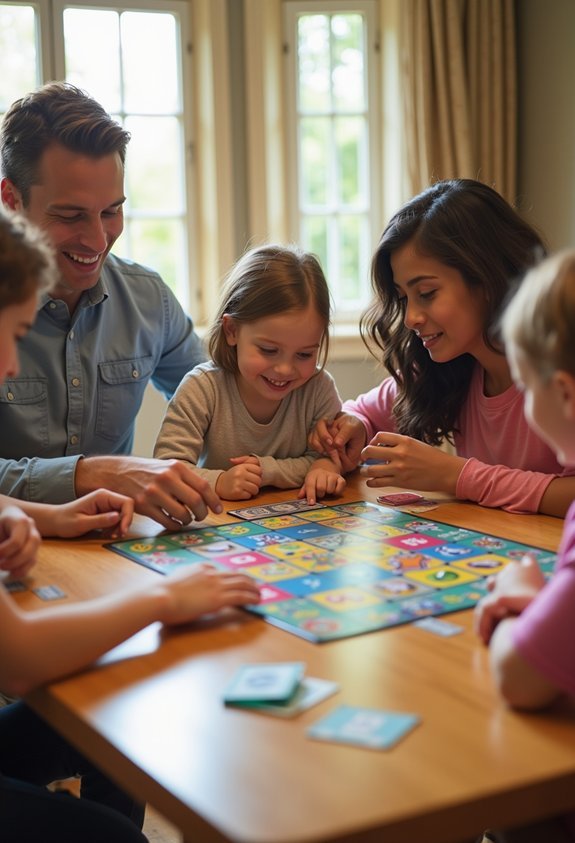
Some families learn about money with spreadsheets; others learn while arguing over who stole the last $500 in Monopoly. Board and card games sneak budgeting lessons into family chaos. You’re trading, saving, and taking risks, but it all feels like play. That’s the power of smart game mechanics.
When you buy a property, decide to pass, or hoard cash “just in case,” you’re practicing real financial literacy skills: planning, balancing wants and needs, and dealing with surprise bills.
Try games where you manage resources, pay rent, or invest in upgrades. Talk out loud: “If I spend now, I can’t afford that later.” Kids copy that thinking. Before you know it, they’re the ones saying, “Wait, can we actually afford this?” in real life too.
Classroom-Friendly Money Math Activities on a Budget
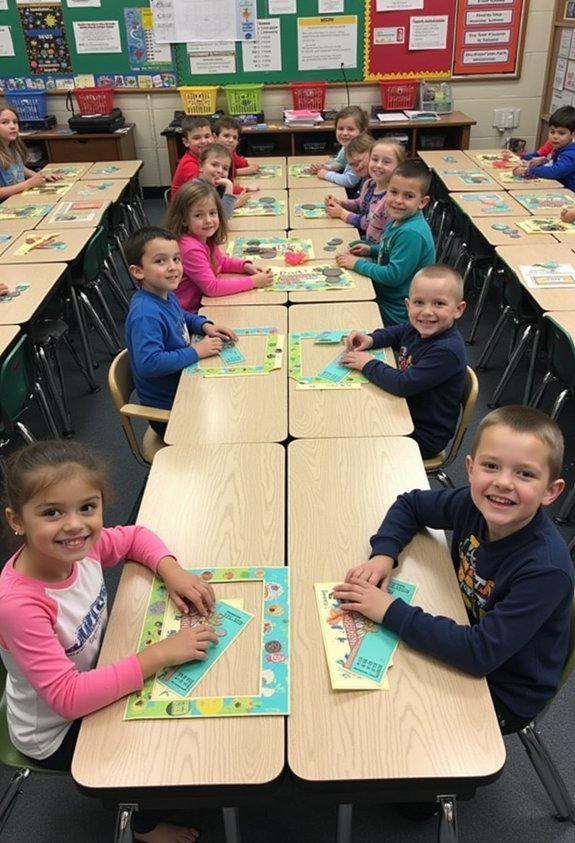
Even if your classroom budget is held together with duct tape and hope, you can still teach money math that feels bigger than a million-dollar grant.
Start with a “Class Store” using sticky notes, scrap paper, and fake or hand-drawn coins. Students earn classroom cash for finished work, then “buy” pencils, passes, or silly stickers. They practice adding costs, making change, and resisting that impulse purchase of the fifth eraser.
Turn word problems into quick skits. One student is the cashier, another the shopper, the rest shout out totals and change.
It’s loud, a little chaotic, and full of real money management choices. You’re sneaking in financial literacy while they argue about sales tax and who miscounted.
Everyone learns, and nobody notices the math.
Adapting Everyday Games to Teach Saving and Spending

While you’re busy trying to make math less boring than a pile of worksheets, you’ve already got a secret weapon: the games your kids love. Grab those and twist the rules a little so every move deals with saving and spending.
Turn their favorite games into sneaky money lessons, where every move earns, saves, or accidentally disappears.
Turn board games, card games, even video games into money labs by adding:
- Fake cash for rewards, fines, and wild “uh-oh” bills.
- Quick savings challenges, like “hide” $10 from each win before buying cool stuff.
- Silly spending scenarios, such as surprise pet costs or broken controllers.
- End-of-game “bank check,” where kids total income, costs, and leftover cash.
When kids see their stash grow—or vanish—they feel the lesson. No lecture beats that.
They start planning, arguing, and cheering like tiny CEOs with snack crumbs.
Tips for Parents to Reinforce Budget Lessons at Home

Anyone who’s ever tried to talk money with kids knows it can crash and burn fast—one minute you’re explaining “needs vs. wants,” the next minute they’re bargaining for a pet dragon.
So keep money conversations short, often, and chill. Use real life. At the store, hand them ten dollars and say, “We can’t go over this. You choose.” Then talk through what they put back.
At home, set up three jars: Spend, Save, Give. When they get money, you decide together how much goes in each. That’s simple budgeting strategies in action.
Share your own choices too: “I’m not buying coffee today so we can save for the beach.” Show that grown‑ups trade off wants just like kids. Money is choices, not magic wishes.
How to Choose the Right Money Math Game for Your Child

How do you pick a money game that doesn’t make your kid’s brain melt…or yours? Start with age appropriateness. If your child still counts on fingers, don’t throw them into a stock market simulator. Match the game to what they already kinda know, then stretch them one step further.
For smart game selection, look past the cute box. Check:
- Rules: Can you explain them in under three minutes without sobbing?
- Time: Will a round finish before someone wanders off for snacks?
- Skills: Does it practice earning, saving, spending, and change-making?
- Fun factor: Would your kid choose it over yet another cartoon episode?
If you both laugh, argue a little, and beg for “one more round,” you nailed it.
Hard part? Stopping when bedtime hits.
In case you were wondering
How Can Money Math Games Support Children With Learning Differences or ADHD?
You can use money math games to support children with learning differences or ADHD by offering personalized learning, clear visuals, short timed challenges, and flexible engagement strategies that build focus, confidence, budgeting skills, and motivation.
Do Money Math Games Differ Across Cultures With Non-Dollar Currencies?
You’ll notice money math games differ across cultures, gently reflecting local habits, so you build currency comprehension through coins, bills, and prices familiar to you, all framed within your community’s cultural context and spending adventures.
How Much Screen Time Is Appropriate for Digital Money Math Games Daily?
Aim for about 20–30 minutes of digital money math games daily; you balance engaging screen time with breaks, reinforce learning through real‑world practice, and keep digital learning a helpful tool rather than an overwhelming habit.
Can Money Math Games Help Reduce Kids’ Anxiety About Family Financial Conversations?
Yes, you can use money math games to ease kids’ worries, because they build financial literacy gradually, normalize money talk, and turn abstract stressors into manageable challenges, promoting confidence, dialogue, and anxiety reduction about finances.
How Do I Measure Long-Term Impact of Money Math Games on Real-Life Behavior?
You track behavioral changes over months: kids’ saving habits, spending choices, and goal-setting. You combine parent observations, simple surveys, and real allowances, then compare pre-game and post-game financial literacy scores and actual money decisions carefully.
Conclusion
So yeah, money math games basically trick your kid into learning budgeting while they think they’re just having fun. Use that. Maybe your child “Jake” gets $10 in a game, blows it on fake snacks, and then can’t buy the cool bike upgrade. Cue dramatic meltdown. Perfect moment: you say, “This is what happens in real life, dude.” Play, laugh, learn, repeat. Keep the games going, and before you know it, you’ve raised a tiny budget ninja.