Why Holiday Chaos Makes Parents Happier?
Holiday chaos secretly makes you happier because it blows up your fake “perfect Christmas” fantasy and gives you something way better: real life. The burned cookies, crying toddler, and weird uncle comments? That’s where the laughter happens. You and your family turn into a tiny disaster-response team, solving problems, making memories, and high-fiving when you survive it. The mess makes you feel alive, connected, and weirdly proud—and that’s just the start of why it works.
Key Takeaways
- Holiday chaos lowers the pressure for perfection, allowing parents to relax and enjoy the moment instead of managing a flawless event.
- Shared mishaps become funny stories, strengthening family bonds and creating memories parents cherish more than perfectly executed plans.
- Navigating small disasters builds parents’ emotional resilience, giving a satisfying sense of competence and growth.
- Kids often delight in the unexpected, reassuring parents that joy comes from togetherness, not rigid plans or perfection.
- Crisis moments naturally create teamwork, helping families feel united and leaving parents happier about their family’s strength and connection.
The Hidden Psychology Behind Holiday Mayhem
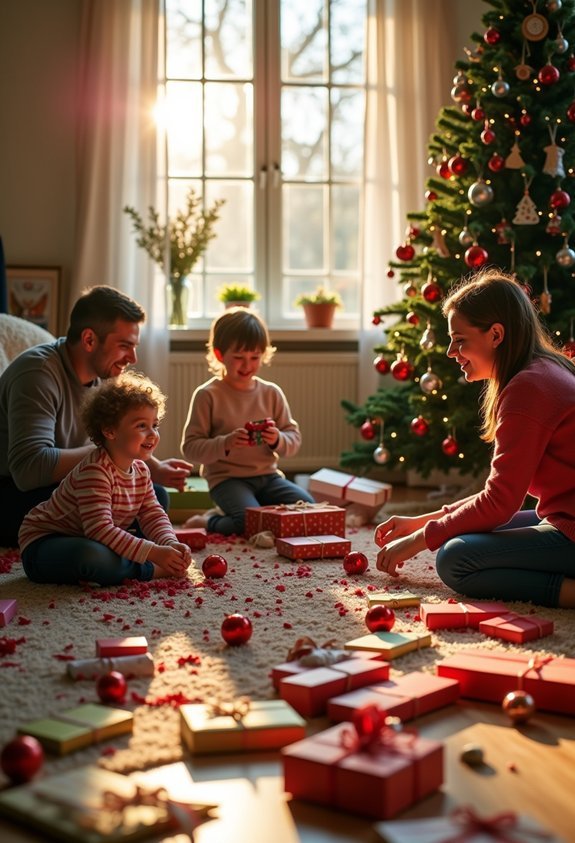
Even though everyone calls it “the most wonderful time of the year,” the holidays can turn your brain into a glitter-covered stress ball.
Holiday cheer is cute until your brain becomes a tinsel-wrapped ball of chaos
You walk in with perfect holiday expectations: smiling kids, calm relatives, cookies that look like the picture. Instead, your toddler licks the frosting bowl, your aunt brings drama, and the dog eats a bow.
But your brain secretly loves this chaos. When plans explode, you shift, adapt, and keep going. That’s emotional resilience in action. Your mind treats each small disaster like a workout.
Missed naps, burned pies, delayed flights? Reps at the mental gym. Later, you feel oddly proud, thinking, “Wow, I survived that circus.”
Your brain whispers, “See? Totally worth the chaos.”
How Messy Moments Strengthen Family Bonds
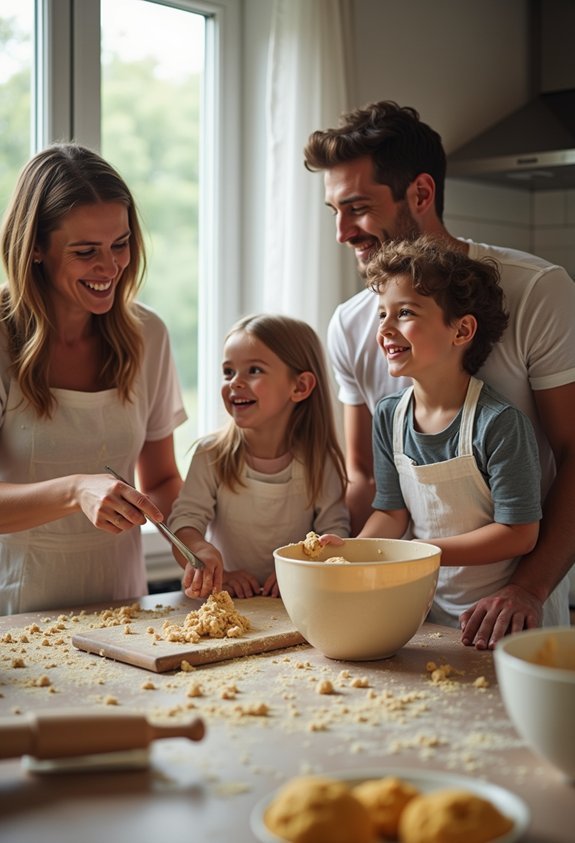
All that holiday chaos doesn’t just toughen you up—it actually pulls your family closer, whether they like it or not.
You don’t bond over perfect centerpieces; you bond when the dog steals the turkey and your kids scream like it’s a crime show. Those are the messy memories that stick.
When everything goes off-script, everyone has to adjust, help, and laugh or else cry in the bathroom. That’s where real bonding moments sneak in.
You see who jumps in to stir the gravy, who comforts the cousin melting down, who hugs you while smoke pours from the oven.
Later, you all retell those disasters like legends, proof that your family can survive chaos and still choose each other again next year, slightly more prepared.
When Traditions Go Sideways (and Why Kids Love It)
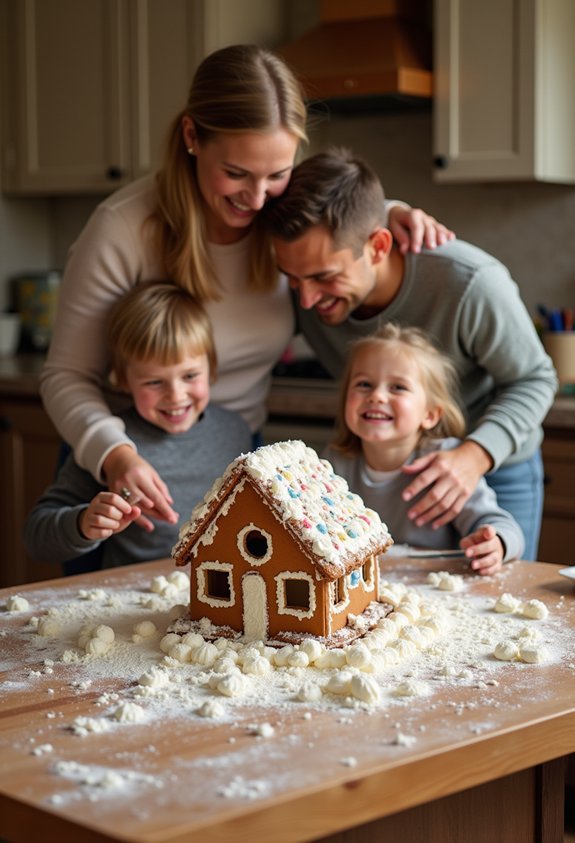
When your “perfect” holiday tradition totally crashes and burns, your kids are usually the first ones cheering from the flames.
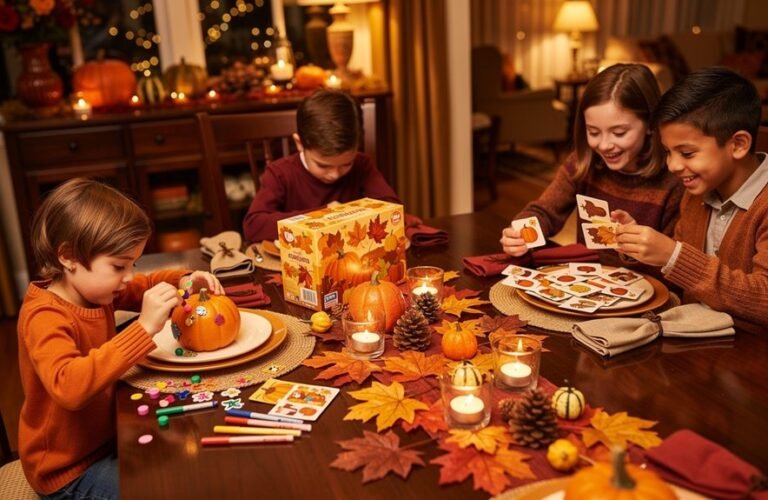
You see disaster; they see bonus fun. The burnt cookies? Free pass to eat frosting with a spoon. The power outage during dinner? Instant flashlight picnic on the living room floor.
Holiday mishaps turn stiff, scripted plans into wild stories they’ll tell forever. Kids love unexpected surprises because they break the boring rules. No schedule. No “be careful.” Just laughing in the mess with you.
And here’s the twist: when you stop fighting the chaos, you start laughing too. You feel lighter, more real, less like a cruise director and more like… their favorite teammate in crime.
That’s when holiday chaos actually feels good.
The Power of Shared Stress and Teamwork
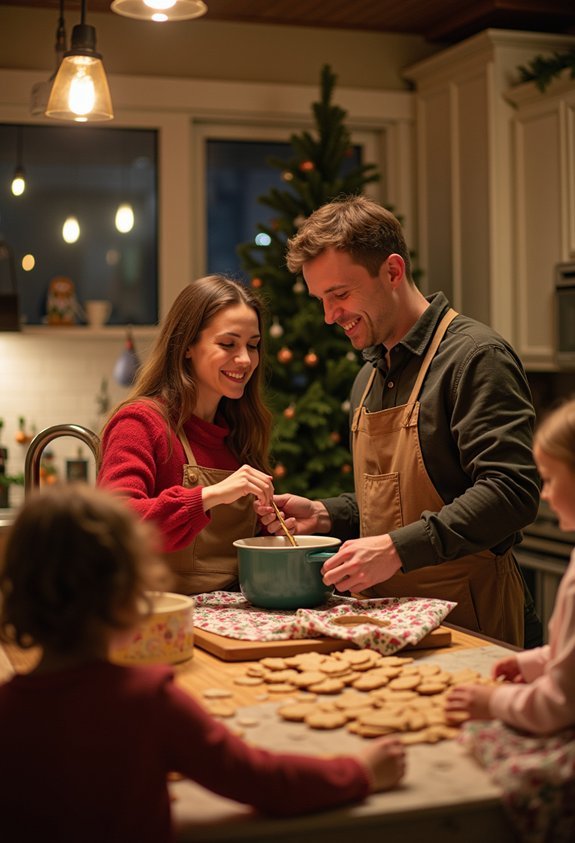
Chaos is fun, but here’s the weird part: it actually pulls your family onto the same team. When the dog eats the gift tag and nobody knows whose present is whose, you’re suddenly not enemies. You’re detectives. You lock eyes with your kids like, “Alright, squad, let’s solve this.”
Those little crisis moments become shared experiences that glue you together.
You also build collective resilience without even trying. Every time the gravy burns, the lights blow, or the cookies fuse into one giant cookie-blob, you all practice bouncing back.
Your kids watch you laugh, pivot, and keep going. They learn, “We can handle stuff.” You feel it too. You’re not just surviving holidays; you’re training as a family.
That toughness later makes joy hit.
Letting Go of Perfection to Feel More Joy
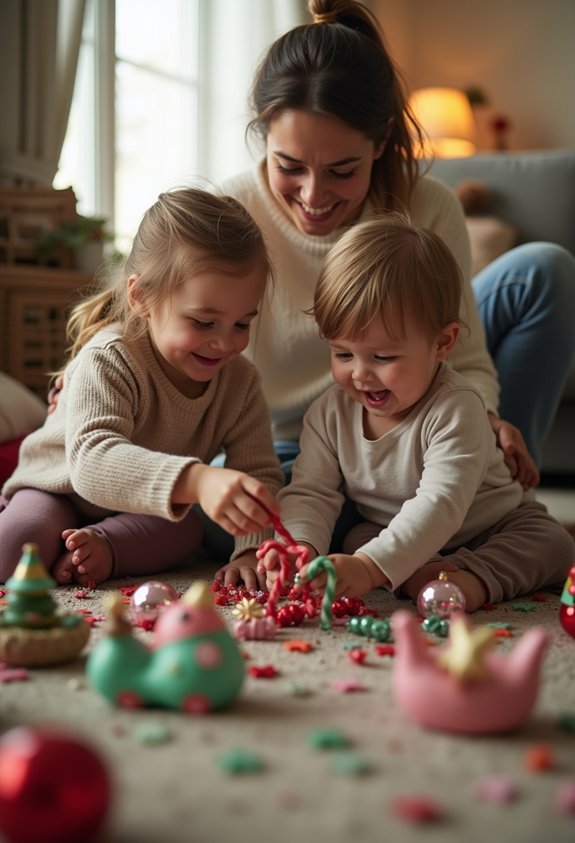
Even though you’ve heard it a million times, “holiday perfection” is still lying to you every December. You picture glossy cookies, angelic kids, and a living room that doesn’t look like a toy tornado hit it.
Then reality shows up in sweatpants. Here’s the secret: your people don’t need perfect; they need you present. When you start embracing imperfections—the lopsided tree, the burnt rolls, the cousin who overshares—everyone can finally breathe.
Your people don’t need perfect holidays; they just need you—sweatpants, burnt rolls, messy joy and all
Joy sneaks in through the mess. That’s joyful spontaneity: the belly laugh after spilled cocoa, the goofy photo where nobody’s looking at the camera. When you drop the script, the real memories step forward and say, “Move, Pinterest. We’ve got this.”
And you finally feel lighter, kinder to yourself, actually happy inside again.
Simple Ways to Embrace the Chaos This Year
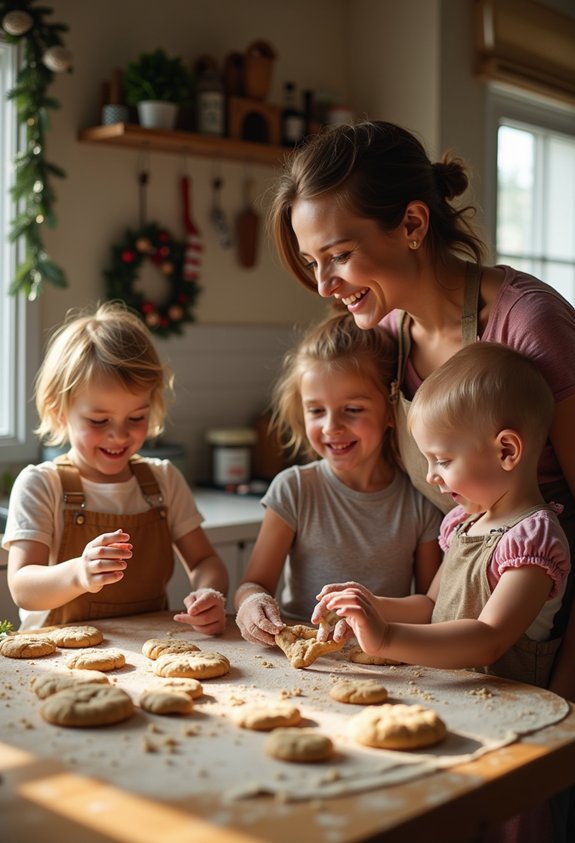
Say yes to tiny, lazy choices that make the night easier.
Store‑bought pie. Cartoons while you wrap. Cereal for dinner after the pageant. You’re not failing; you’re editing.
Most of all, pay attention.
Look at your kids’ faces, the mess, the noise. This is where you start finding joy, not in the spotless kitchen you don’t even remember.
Let the chaos brag for you in family stories.
In case you were wondering
How Can Holiday Chaos Impact Parents’ Mental Health After the Season Ends?
Holiday chaos can leave you drained and fulfilled, as you process memories, experience delayed stress relief, and recognize emotional bonding that strengthens resilience, but you might also feel loneliness, fatigue, or letdown once activity stops.
Does Birth Order Affect How Children Respond to Holiday Chaos and Routine Changes?
Yes, birth order shapes how each child copes with holiday chaos and routines shifting. Oldest kids often manage schedules; middle children seek connection; youngest kids amplify excitement, all shaped by sibling dynamics and your guidance.
Can Holiday Chaos Help Children Develop Problem‑Solving or Resilience Skills Long‑Term?
Yes, you toss kids into tinsel-coated anarchy and call it tradition; amid missing batteries and burnt pies, they improvise plans, practice problem solving skills, stack memories that fuel lifelong resilience development and flexible thinking habits.
How Do Cultural Differences Shape Parents’ Reactions to Chaotic Holiday Gatherings?
Your reaction to chaotic holiday gatherings depends on cultural norms and family traditions; you might celebrate noise as warmth, enforce order, or blend both, interpreting messiness as disrespect, togetherness, or essential teaching moments for children.
What Role Does Social Media Play in Parents’ Expectations of “Perfect” Holidays?
Social media influence quietly shapes your holiday expectations, showing curated perfection that you compare your family to. You scroll, internalize highlight reels, then pressure yourself to decorate, cook, and behave flawlessly, forgetting kids need connection.
Conclusion
So this year, let the tree lean a little. Let the cookies burn on the bottom. Let the kids run circles while the dog steals a gingerbread man. You’re not running a Hallmark movie, you’re steering a slightly broken sled—and that’s where the magic is. In the noise, the spills, the awful photos, you’re building the stories your kids will laugh about forever. That chaos? That’s the good part.