17 Best Educational Weekend Getaways for Kids
You want weekend trips that wear your kids out and light up their brains? Think science museums with robot-building chaos, space centers with rockets and telescopes, and national parks where Wi‑Fi dies and the Junior Ranger badge obsession begins. Mix in zoo sleepovers, old-timey villages with candle dipping, and train museums with giant steam engines. They’ll learn a ton, crash hard in the car, and you’ll snag a bunch more smart ideas very soon here.
Key Takeaways
- Interactive science museums and STEM camps turn kids’ energy into hands-on robotics, coding, and physics fun—with plenty for parents to learn too.
- Space centers and planetariums offer rockets, black holes, and telescope nights, making astronomy exciting without feeling like school.
- Living history villages, colonial towns, and city walking tours immerse kids in the past through reenactments, crafts, and storytelling.
- National parks, eco-lodges, and environmental education centers combine hiking, wildlife encounters, and sustainability lessons with Junior Ranger-style activities.
- Zoos with sleepovers and wildlife encounters let families learn about animal care, habitats, and conservation through up-close, guided experiences.
Interactive Science Museums and Discovery Centers

You can drop into robotics workshops where your kid builds a wobbly robot that somehow still wins the race.
They’ll wire circuits, code tiny moves, and feel like genius inventors.
Meanwhile, you get air‑conditioning, coffee, and zero glitter on your floor.
It’s noisy, chaotic, and absolutely perfect for burning energy and sparking curiosity.
You might even learn something cool, too.
Living History Villages and Colonial Towns
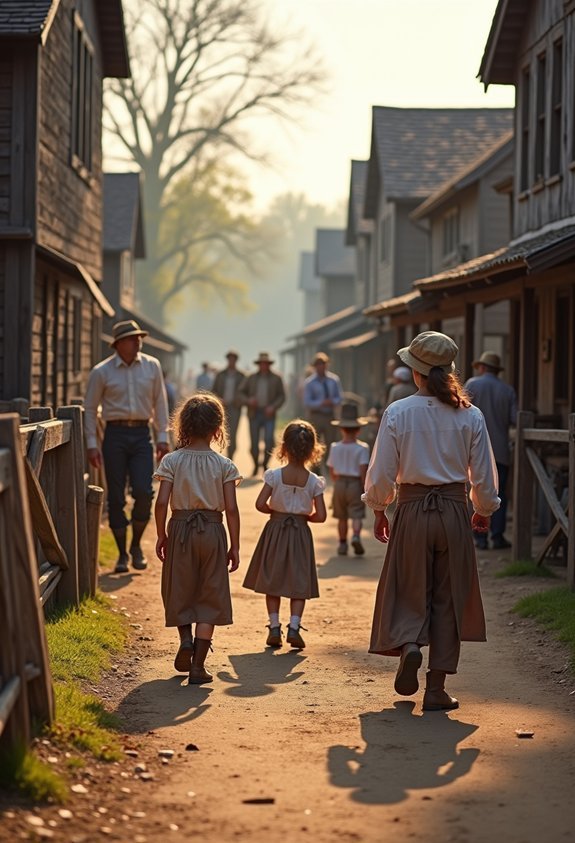
Robots and circuits are cool, but watching a blacksmith hammer glowing metal while a cow moos in the background? That’s a whole different level of awesome.
In living history villages and colonial towns, you don’t just read about the past; you walk straight into it. People in old-time clothes talk to you, crack jokes, and pull you into historic reenactments, so you kind of forget it’s “educational.”
You might try colonial crafts, like dipping candles, throwing clay, or writing with a quill that leaks at the worst time. Kids suddenly care about history because it’s loud, messy, and real.
Plus, you leave with wild stories, weird facts, and maybe a new appreciation for indoor plumbing. Your kids might actually thank you for this trip.
National Parks and Junior Ranger Adventures
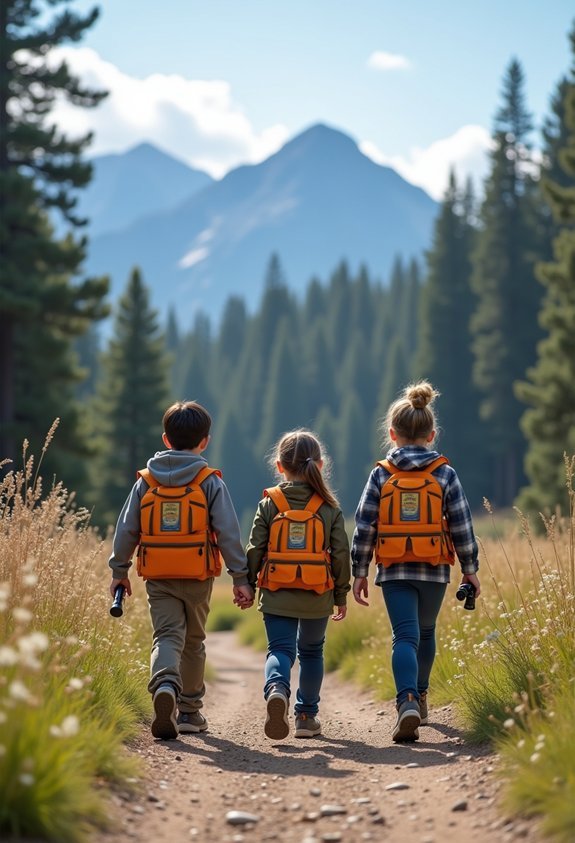
Out in a national park, the Wi‑Fi is weak but the adventure is ridiculous. Your kid swaps screens for real mountains, real mud, and possibly a raccoon with better hair than you.
The Junior Ranger program turns them into tiny park detectives. They grab a workbook, follow clues on the trails, talk with rangers, and boom—instant badge, huge bragging rights.
Along the way, they learn wildlife conservation without you sounding like a boring lecture. “Don’t feed the animals” suddenly makes sense when a squirrel almost steals their snack.
Bring a cheap camera and try simple nature photography hunts: “Snap three birds, one weird bug, and a cool rock.” It’s school, disguised as an epic quest.
You go home tired, filthy, and wildly proud inside.
Space Centers and Astronomy Weekends
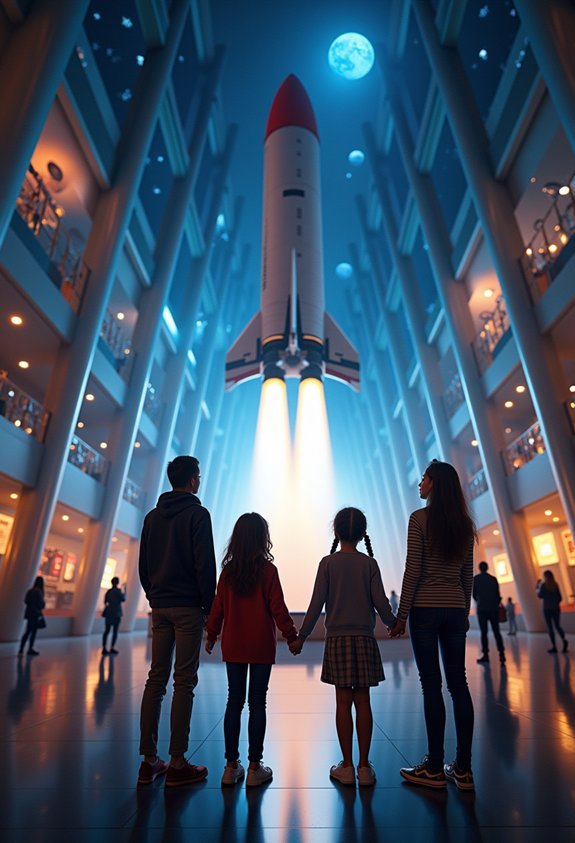
When a weekend trip involves rockets, black holes, and possibly freeze‑dried ice cream, kids actually look up from their screens. A space center weekend feels like sneaking school into a sci‑fi movie. You wander past real rockets, touch meteorites, and watch launch videos so loud your ribs vibrate.
Sign your kids up for space themed workshops where they build tiny rockets, program robots, or design a habitat on Mars. They’ll learn physics without realizing it.
Let them build rockets and Mars habitats; they’ll accidentally pick up a PhD’s worth of physics
At night, head to telescope demonstrations. Suddenly that “boring” dot in the sky turns into Saturn with rings sharp enough to make your jaw drop.
Pack sweatshirts, snacks, and questions. You’ll drive home tired, star‑dusty, and weirdly hopeful about homework. Everyone just stares out the window, still thinking big.
Children’s Museums With Hands-On Learning

Even though the sign says “museum,” children’s museums are really giant do‑not‑grow‑up playgrounds where learning sneaks up on your kid like a ninja.
You walk in thinking, “Cool, air‑conditioning,” and suddenly your child is running a pretend grocery store, fixing a car, and launching ping‑pong balls with a wind machine. These interactive exhibits turn every curious poke and button mash into a mini science or math lesson.
You don’t just wander around and stare, either.
Many museums offer educational workshops where kids build bridges, code tiny robots, or paint like wild little Picassos. You get an easy weekend plan, they get to touch everything without you yelling, “Careful!”
Everyone goes home tired, happy, and secretly a bit smarter than they were on Friday night.
Zoo Sleepovers and Wildlife Encounters

Before you book another hotel with the world’s weakest “free breakfast,” picture this: your kid zonks out in a sleeping bag ten feet from a snoring lion.
Lights go out, flashlights click on, and suddenly you’re stalking shadows with a zookeeper. They show you glowing eyes, rustling bushes, and other clues that nocturnal animals are just starting their “day.”
During late-night talks, staff explain wildlife conservation in plain language, so your kid gets why that sleepy tiger actually needs boring stuff like clean water and protected land.
In the morning, you help prep breakfast for giraffes, hear hippos fart, and realize this beats any cartoon marathon.
Your kid leaves tired, filthy, thrilled, and full of real stories. You’ll probably book the next sleepover Monday.
Aquarium Camps and Marine Biology Experiences
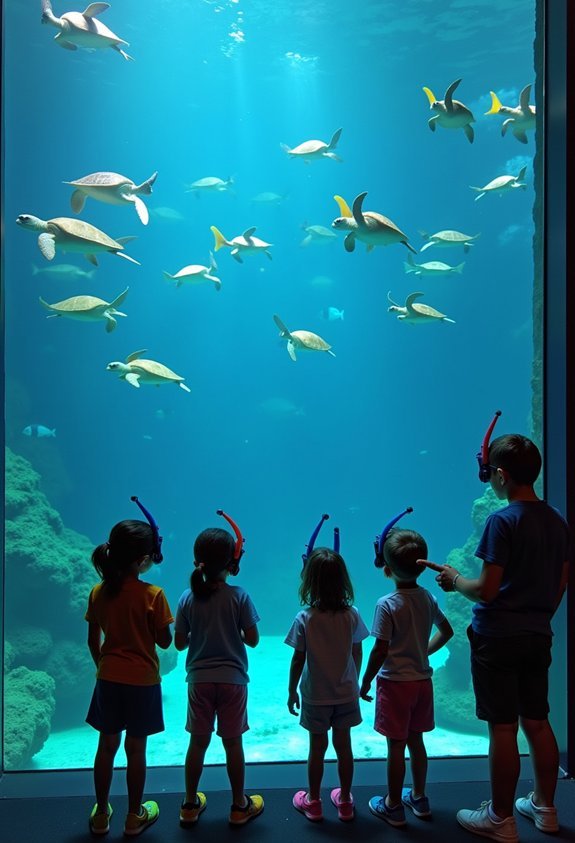
Instead of another weekend of sticky movie seats and overpriced popcorn, picture your kid high‑fiving a stingray and losing their mind over a glowing jellyfish.
At aquarium camps, they don’t just stare through glass. They feed fish, test water, and suit up for behind‑the‑scenes tours. It feels like ocean exploration plus backstage pass.
Staff break big ideas, like marine conservation, into cool stories: sea turtles dodging plastic bags, coral “cities” getting sick, sharks playing cleanup crew.
- You see your child suddenly care if a straw hits the ocean, because Nemo has neighbors.
- They learn science by doing gross, fun stuff, like dissecting squid instead of just filling out worksheets.
- You go home with a kid who corrects adults on recycling, and honestly, it’s great.
Farm Stays and Agri-Tourism Retreats
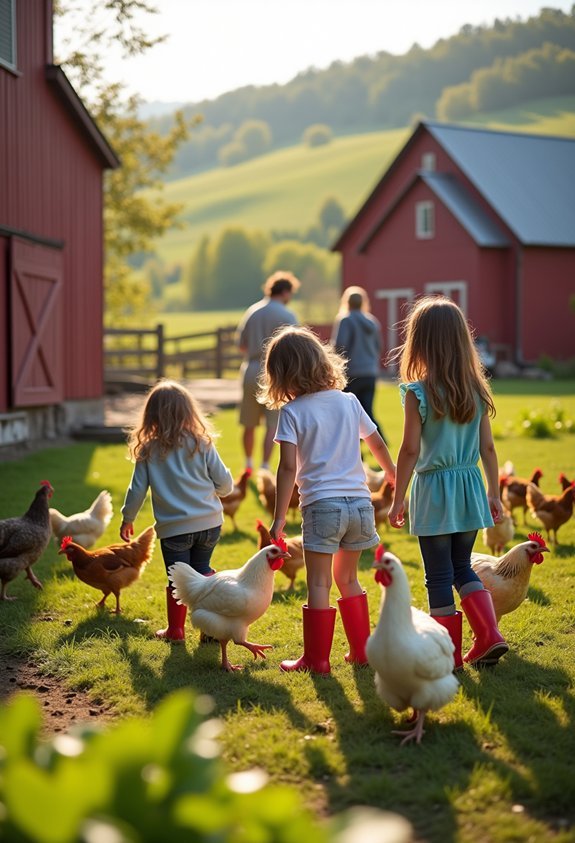
You can collect eggs at sunrise, ride on a hay wagon, and help plant seeds. Many farms offer sustainable agriculture workshops where kids learn how compost works, why bees matter, and what “farm to table” actually means.
It’s real‑life science class, minus the boring worksheets.
At night, you crash in a cabin or bunkhouse, listen to crickets, and realize Wi‑Fi is weak, but family stories suddenly get strong.
Fall asleep to crickets, trade notifications for campfire whispers, and remember how to actually talk to each other
Your kid goes home tired, filthy, and weirdly proud of it.
Art Museums and Creative Workshops for Kids
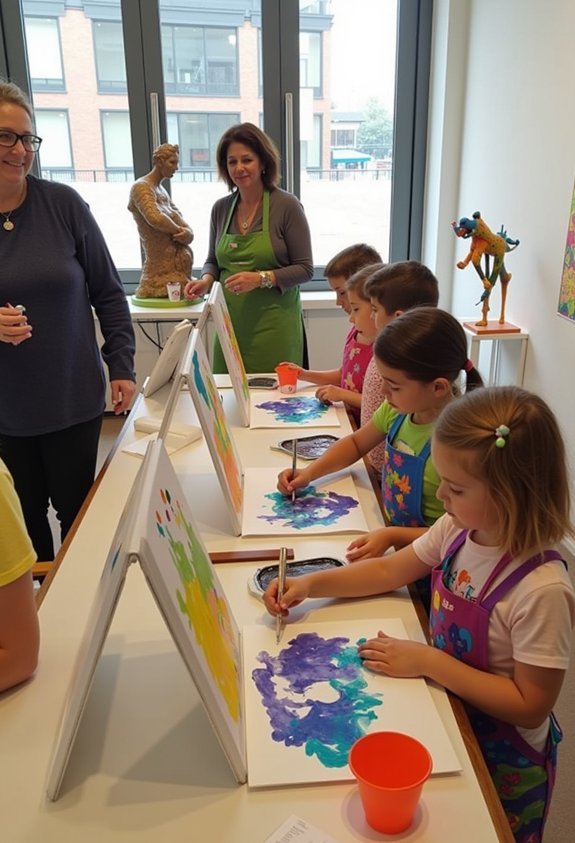
Even if “art museum” makes you picture dusty halls and a security guard glaring at your kid, the real thing can feel more like a giant, weird, colorful playground for their brain.
You walk in and boom—huge paintings, wild sculptures, and your kid asking, “Did a toddler make that?” Perfect. That’s curiosity starting.
Many museums now run art workshops where kids can touch stuff, make messes, and actually use all those wild ideas.
Here’s how to get the most out of it:
- Let your kid pick one or two favorites and explain why, even if it’s “the blob looks like pizza.”
- Join the hands-on creative expression stations and make art too.
- End with sketchbook time in the café. Drive home buzzing.
Historic Battlefields and Landmark Tours
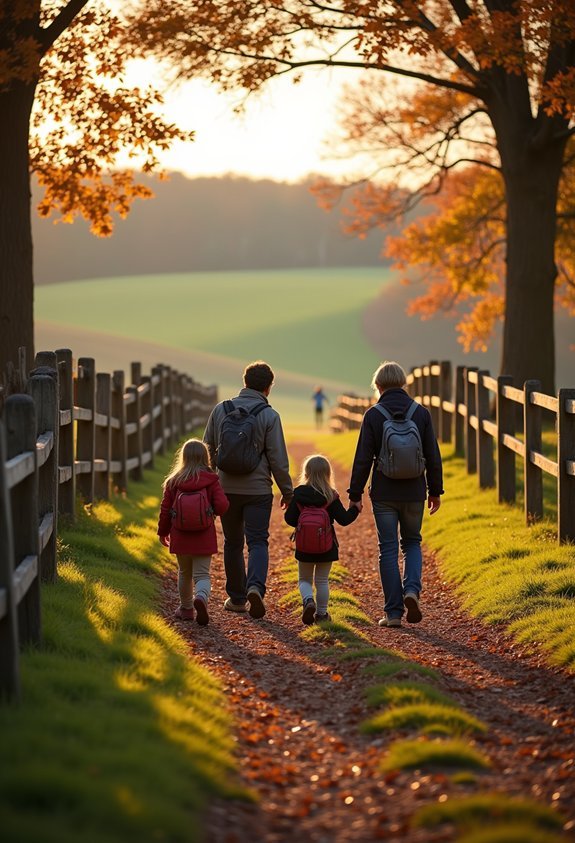
The ground looks normal at first—grass, trees, maybe a gift shop with terrible snacks—but historic battlefields and landmarks are basically real-life time machines.
That ordinary field? It’s actually a time machine disguised as grass, trees, and bad snacks.
Walk a field where cannons once shook the air, and your kid suddenly cares about history more than Wi‑Fi. Guides break down revolutionary strategies like a sports replay: who rushed, who flanked, who totally messed up.
Historical reenactments add drama—costumes, drums, fake smoke, the works. Ask kids, “What would you do here?” and watch their brains light up.
At nearby landmarks, you climb steps, ring bells, read names carved in stone. It’s not just dates; it’s people, choices, and big mistakes.
You leave with tired feet, snack crumbs, and a family debate about who’d survive the past. And absolutely no Google.
Railway Museums and Train-Themed Escapes
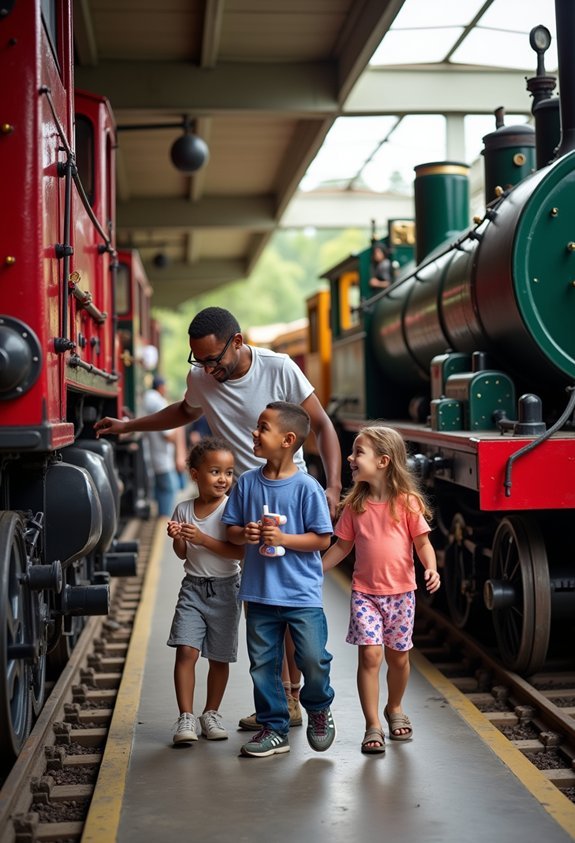
- Walk through locomotive exhibits and stand beside massive steam engines. You can talk about railway history without sounding like a boring textbook.
- Hit the model trains and watch your kid’s brain explode trying to follow every tiny car around the tracks.
- Try hands-on train simulations where they “drive” a train, push buttons, and learn fast that stopping a freight train isn’t like stopping a bike suddenly.
Planetariums and Stargazing Getaways

Forget tracks and tunnels—now you’re heading straight for the stars. A planetarium weekend is like pressing fast-forward on the universe. You lean back, lights fade, and suddenly you’re flying past planets without even losing your popcorn.
Many places run stargazing events after dark, where your kid can shout, “I see Jupiter!” while trying not to trip over a lawn chair.
Daytime astronomy workshops let them build simple star charts, model moon craters with flour, or test how shadows move. You sneak in science, they’re convinced it’s magic.
On the drive home, expect nonstop questions like, “Are black holes just space drain plugs?” That’s when you pat the dashboard, thank the planetarium, and secretly Google answers at the next red light, you legend you parent.
STEM-Focused Camps and Robotics Weekends
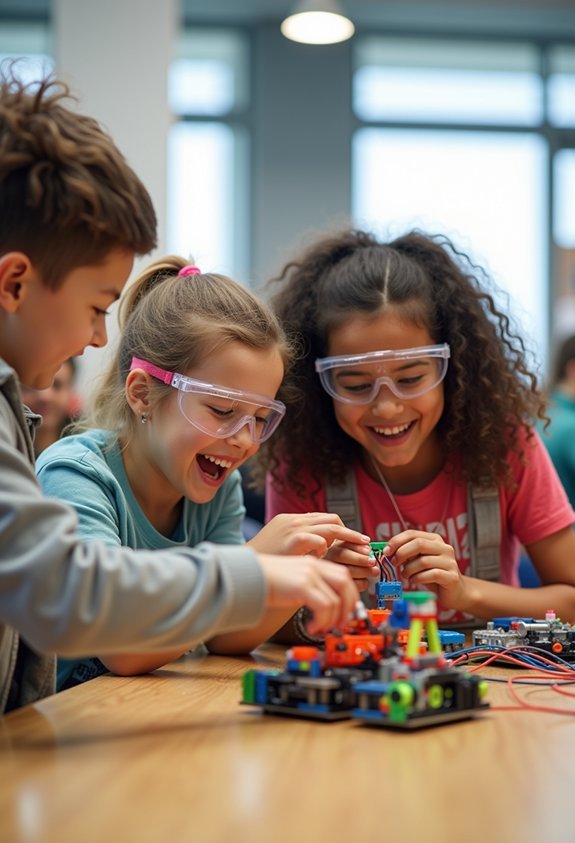
Once your kid discovers robots, everything in your house becomes a “project.”
Suddenly the toaster is a prototype, the vacuum is “early-stage AI,” and you’re banned from throwing away cardboard because “that’s future technology, Mom.”
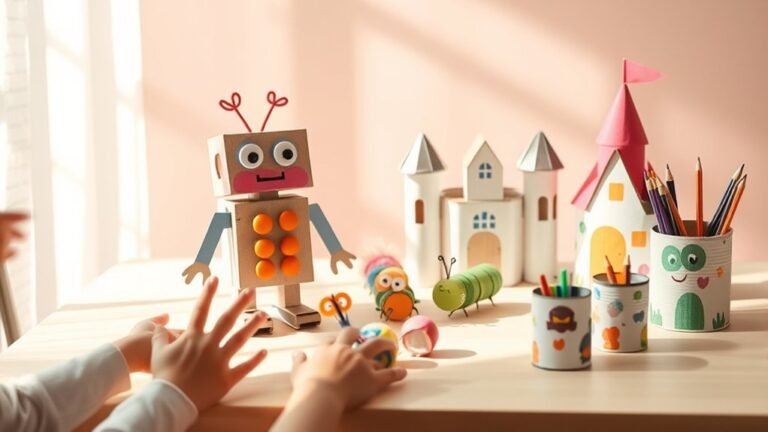
STEM camps and robotics weekends take that wild energy and plug it into something awesome: real hands-on builds, coding games, and goofy robot battles where everyone cheers like it’s the World Cup.
Weekend STEM camps turn wild kid energy into roaring robot battles, real builds, and laugh-out-loud learning
Here’s what your kid really gets:
- Real tools and parts that make science feel loud, messy, alive.
- Team challenges and robotics competitions where shy kids suddenly shout like coaches.
- Fast, fun coding workshops that turn “I can’t do this” into “Move over, I’ve got it.”
You just pack snacks, step back, and watch the magic happen, grinning.
Cultural Heritage Districts and City Walking Tours
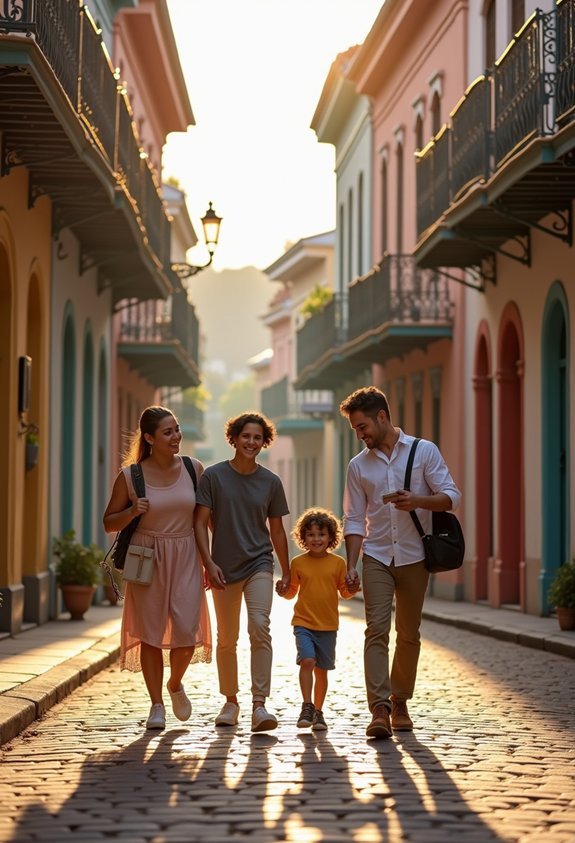
Even if your kid rolls their eyes at “history,” drop them into a cultural heritage district and watch them suddenly care who built what and why there’s a dragon on that old building.
On a city walking tour, you don’t just stare at bricks; you time-travel. Guides spill wild stories about pirate tunnels, secret symbols, and super-dramatic family feuds that make soap operas look tame.
Hit during cultural festivals and your kid’s surrounded by music, costumes, and snacks they can actually pronounce… eventually.
Historical reenactments pull them right into the action—soldiers marching, printers clanking, maybe a fake cannon boom that makes everyone jump.
Environmental Education Centers and Eco-Lodges
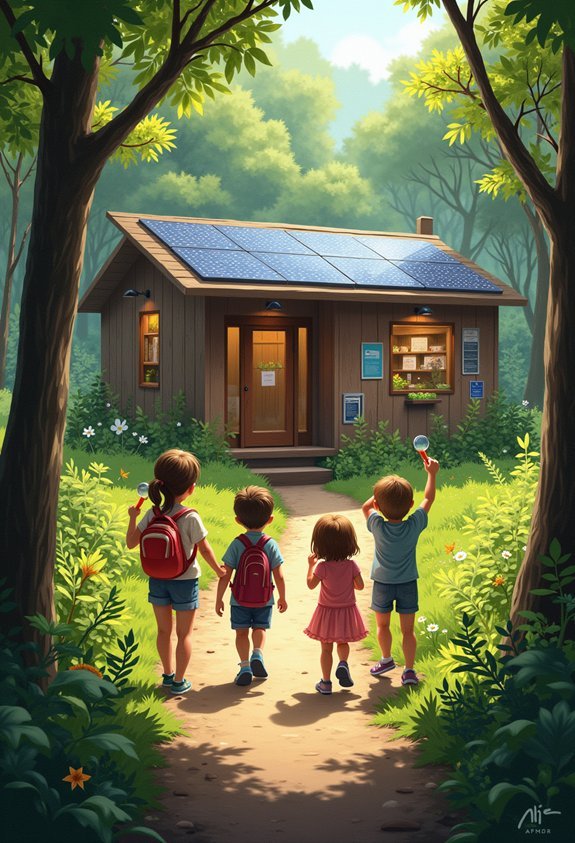
Three words: nature, but upgraded. You’re not just hiking around; you’re basically in a live science lab with better views and fewer pop quizzes.
Environmental education centers let your kid test pond water, track animal prints, and finally use that magnifying glass for something other than burning leaves. Eco-lodges turn the lesson into sleepover mode, with solar panels, compost bins, and showers that make them think about every drop.
Here’s what really sticks:
1) Hands-on lessons in sustainable agriculture—kids plant seeds, meet worms, and realize carrots don’t grow in grocery bags.
2) Real talk about wildlife conservation while spotting birds, frogs, and maybe that raccoon thief raiding the campsite.
3) Big “whoa” moments when your kid sees choices add up to a healthier planet.
Music, Theater, and Performing Arts Weekends
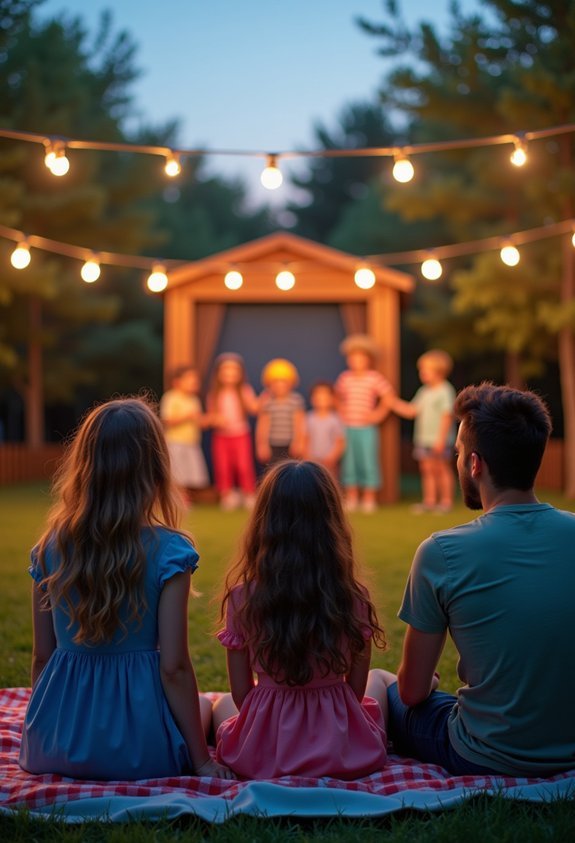
How do you turn a regular weekend into a full-blown backstage pass to your kid’s inner drama queen or rock star?
You book a music, theater, and performing arts getaway and let them go wild—in a structured, supervised way, of course.
Look for programs with musical theater intensives where kids learn singing, basic choreography, and how not to shout every single line.
Many centers run performance workshops that cram auditions, rehearsals, and a final show into two days, like a fun, kid-safe Broadway boot camp.
You watch them step onstage shy and step off asking for a spotlight at breakfast.
Bonus: they secretly practice reading, memory, teamwork, and confidence while thinking they’re just belting show tunes.
You just supply snacks, rides, and loud applause.
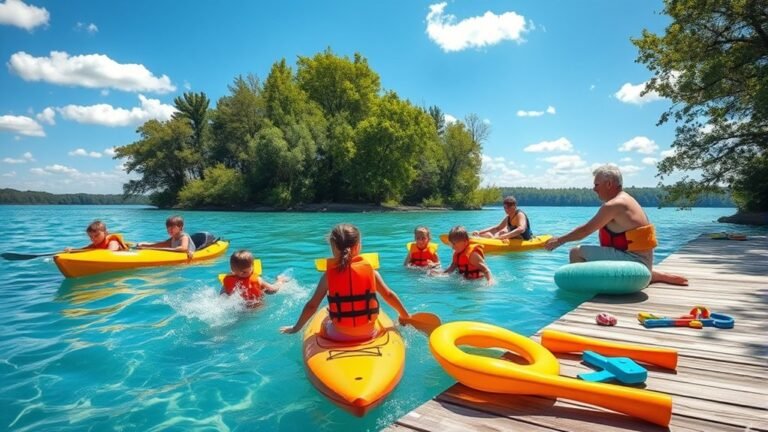
Lakeside and Coastal Science Explorations
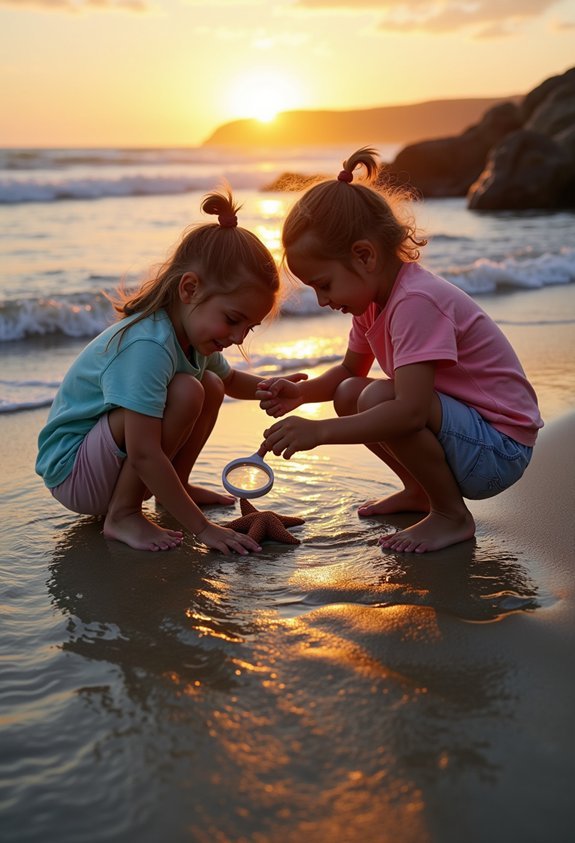
2. Hit the coast with buckets and a timer.
Study tides and coastal geology, then race crabs. Science plus chaos.
3. Pack notebooks, baggies, and a cheap magnifier.
Treat rocks, shells, and algae like treasure.
At home, build a “mini museum” on a bookshelf and let your kid play tour guide for friends.
In case you were wondering
How Can We Keep Trip Costs Low While Still Providing Rich Educational Experiences?
You keep costs low by choosing budget friendly activities, using free educational resources online and at museums, packing meals, traveling off-peak, sharing lodging, walking or using transit, and turning everyday moments into hands-on learning discussions.
What’s the Best Way to Structure a Weekend Itinerary for Different Age Groups?
You tailor each weekend by grouping ages, planning age appropriate activities in short blocks, and keeping flexible scheduling. You mix guided time with free exploration, adjust transitions kindly, and leave buffer moments for everyone’s “reboots.”
How Do We Balance Educational Activities With Downtime so Kids Don’T Feel Overwhelmed?
You maintain educational balance by alternating short, focused learning experiences with predictable downtime activities. Plan mornings for exploration, afternoons for rest, free play, reading; include choices so kids feel control, process ideas, return refreshed fully.
What Safety Preparations Should Families Make Before Visiting New Educational Destinations With Children?
Before you go, research the destination’s safety rules, review maps, and discuss boundaries. Pack a first aid kit, confirm coverage, program emergency contacts, share an itinerary, and teach kids how to find adults if separated.
How Can Kids Document Their Learning During Trips for School Projects or Homeschool Portfolios?
You gently trap brain treasures by keeping learning journals, snapping labeled photos, and recording quick reflection videos. Later, you weave notes, sketches, tickets, and maps into timelines, reports, or creative presentations that showcase growth beautifully.
Conclusion
Now you’ve got a whole menu of brainy adventures, so don’t just scroll away like it’s another cat video. Pick one. Book it. Go. Think of it as sneaking your kid into Hogwarts or the Magic School Bus, minus the permission slip chaos. They’ll climb, touch, build, question, and you’ll look like the genius parent who “just” happened to find it. Weekend? Upgraded. Screen time? Forgotten. Family group chat? Nonstop photos for days and years.