How to Build Routines Through Playful Activities
Stop fighting your kid over every tiny task and turn it into a game. Make mornings a “launch sequence,” with timers, music, and silly missions like “sock rescue.” Use points, stickers, or marbles as rewards, and let kids race the clock or try for “zero reminders.” Turn chores into team challenges and homework into a “hero mode” quest. Want all the sneaky tricks, scripts, and game ideas that make this actually work for your family?
Key Takeaways
- Turn recurring tasks into simple games with points, timers, and sound effects so kids see routines as fun challenges instead of chores.
- Use playful themes for mornings and evenings—like “rocket launch” or “quiet mode”—to make transitions predictable, calming, and engaging.
- Add quick, visible rewards (stickers, marbles, stars) for completing routines, emphasizing progress over perfection to keep motivation high.
- Make chores and homework collaborative “team missions,” using music, breaks, and dramatic celebrations to reinforce positive routine habits.
- Adapt games to age and personality: silly fast-paced play for younger kids, choices and “life hack” framing for older, independent-minded children.
Turning Everyday Tasks Into Games

Even if your kid rolls their eyes at the word “chores,” you can still sneak routines into their day by turning boring jobs into silly games.
Think of it as task transformation: you’re taking “pick up your room” and rebranding it as “toy rescue mission.” Suddenly, the floor’s lava, the stuffed animals are in danger, and your kid’s the hero.
Use simple game mechanics—points, timers, levels, funny sound effects. Socks in the basket? Ten points. Laundry folded before the song ends? Bonus round.
Keep score on a whiteboard so they see wins pile up. You’re not tricking them; you’re showing them work can feel like play. And honestly, it makes the job less awful for you too.
Soon, they’ll ask for the game again.
Designing Playful Morning and Evening Routines
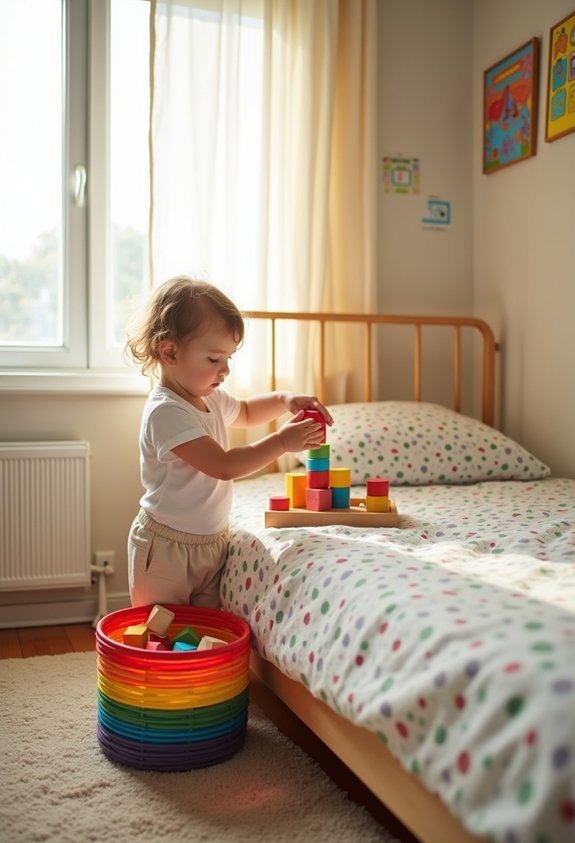
When mornings feel like a fire drill and bedtime feels like a hostage situation, that’s your sign it’s time to turn both into games.
Think of your morning as a silly “launch sequence.” Blast-off songs for getting dressed. A “toothpaste DJ” brushing routine. Race the toast: can your kid finish shoes before the toast pops? If not, the toast wins and gets bragging rights.
At night, build creative rituals that calm the chaos. Maybe everyone talks in whispers after pajamas, like secret agents on a mission.
Lights dim? That’s “quiet mode” in your house. Use stories, soft music, and goofy inside jokes to guide them from wild to sleepy.
Little playful cues tell their brains, “Oh, right, it’s bedtime,” making truly joyful transitions easier.
Using Challenges and Rewards to Boost Motivation
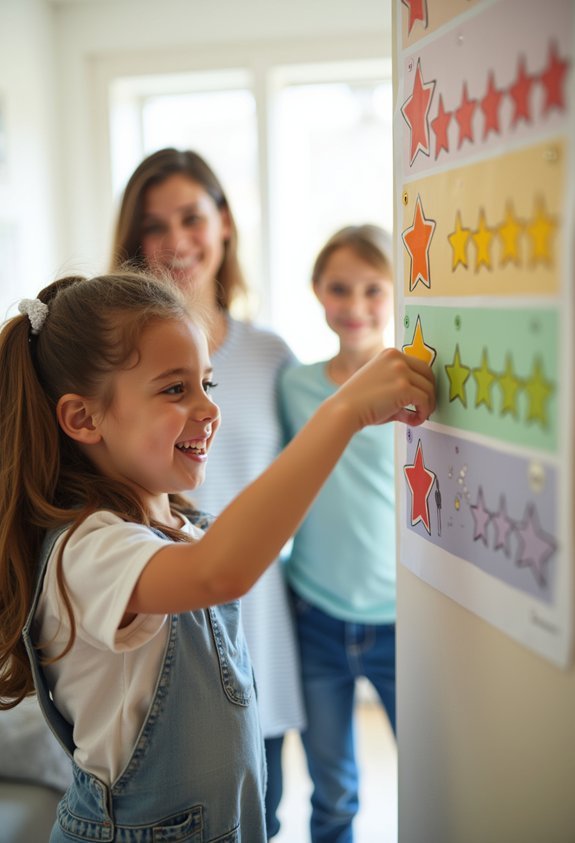
Because kids have the attention span of a squirrel in a candy store, you can use challenges and rewards to hook that wild energy and point it in the right direction.
First, pick simple challenge types: “beat the timer,” “remember all the steps,” or “do it with zero reminders.” Make it feel like a game, not a test.
Turn routines into mini‑games: race the clock, nail every step, or finish with zero nagging.
Then layer in small reward systems. Points, stickers, or marble jars work great, as long as your child helps choose them. When they hit a goal, pay out fast: extra story time, picking the playlist, calling Grandma with the “victory report.”
Keep rules clear, wins visible, and fails low‑drama. Tomorrow’s routine becomes, “Let’s see if we can beat yesterday.” If not, no big deal, try again.
Making Chores and Homework More Engaging
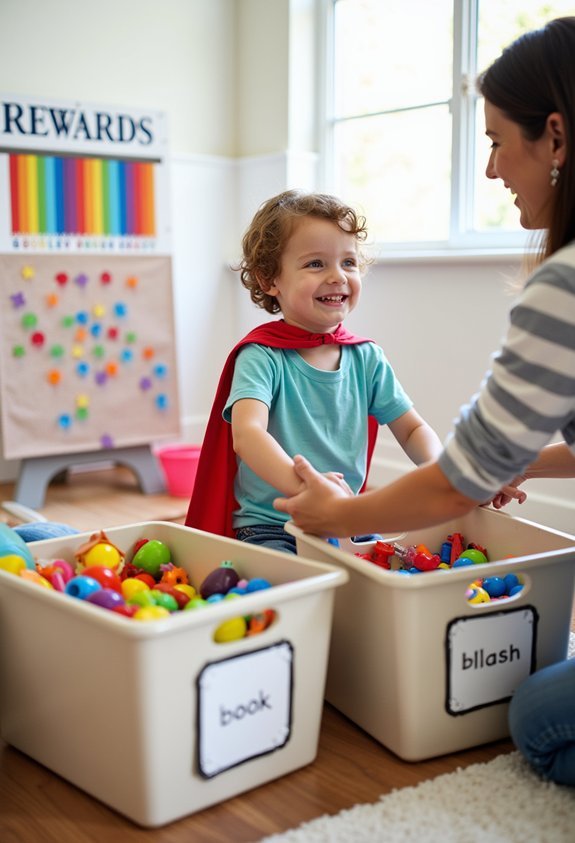
You’ve got the challenges and rewards rolling, so now it’s time to aim that kid energy at the two things most children hate with the fire of a thousand suns: chores and homework.
Start by turning chores into a team sport. Call it “chores collaboration,” not “clean your room or else.” Put on music, set a timer, and see if you can “beat the dust” together. High fives, not nagging.
For homework, name your kids the “homework heroes.” Every worksheet is a level, every quiz a boss battle. You’re the friendly guide, not the drill sergeant.
Offer power-ups: snacks, stretch breaks, silly victory dances. When they finish, close the book like it’s a movie explosion. Dramatic? Yes. Weirdly effective? Also yes, for your sanity.
Adapting Playful Routines for Different Ages and Personalities
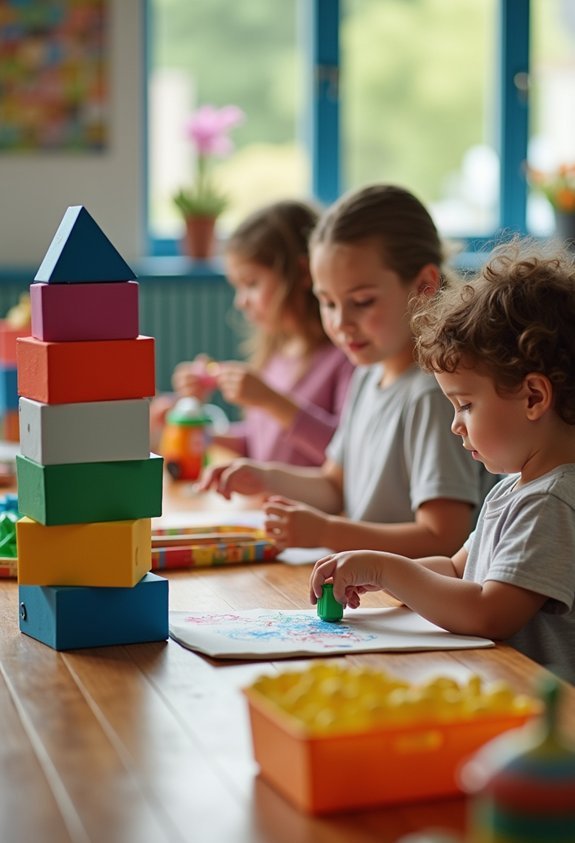
Although all kids need routines, they definitely don’t all need the same kind of fun. You’ve got toddlers, big kids, teens… and somehow they all expect dinner. Age appropriate strategies save your sanity.
Same routine, different kid, wildly different chaos level—and your sanity depends on adjusting the fun.
Little ones love fast, silly games: race to brush teeth, sing the “pants on” song, pretend the laundry basket’s a hungry monster.
Grade-school kids like control, so let them roll dice to pick chore order or beat a timer.
Teens? Treat routines like life hacks: “Do this now, get more phone time later.”
Personality driven activities help, too. Your loud, high-energy kid wants dance breaks. Your quiet, thoughtful kid prefers checklists and calm challenges.
Same routine, different wrapping paper. Test things, keep what works, ditch what flops, no guilt attached ever.
In case you were wondering
How Do I Keep Playful Routines Going When I’M Exhausted or Stressed?
You keep playful routines going by shrinking them: choose one tiny game, set a timer, and stop guilt-free. Prioritize self care strategies—hydration, breathing, rests—so your energy management doesn’t drain you and protects joy.
What Should I Do if My Child Refuses All Playful Activities and Games?
If your child refuses games, pause pressure, observe needs, and quietly join their interests. You protect connection, offer gentle playful motivation, suggest calming alternative activities like drawing, reading, or walks, and celebrate any shared moment.
How Can I Measure Whether Playful Routines Are Actually Improving Behavior and Habits?
You measure improvement by defining clear goals, using simple behavior tracking charts, and noting daily successes. Each week, compare routines, ask caregivers for observations, and use progress evaluation checklists to track cooperation, independence, and mood.
How Do I Coordinate Playful Routines Between Co-Parents or Other Caregivers Consistently?
Coordinate playful routines by co-creating simple scripts, writing them down, and sharing videos. Use weekly check-ins, clear caregiver communication, and co parenting strategies so everyone follows the same cues, adapts together, and reinforces consistent expectations.
Can Technology or Apps Support Playful Routines Without Creating Screen-Time Battles?
Studies show kids average over 3 hours daily on devices, so you intentionally use tech: choose app recommendations with timers, co-play modes, and prompts, then set clear limits and transitions to keep screen time balance.
Conclusion
So picture this: it’s the end of the day, your dishes are done, homework’s handled, and your socks actually match… and it all felt like playing a game. That’s the power move you’re building here. You’re not chasing “perfect habits.” You’re building tiny quests, silly challenges, and secret rewards that make real life less blah. Start with one routine today, play with it, tweak it, and boom—grown‑up stuff, kid‑level fun. You’ll even want to repeat.