Making Money Lessons Rewarding for Kids
You can make money lessons feel like a game, not a lecture. Turn chores into “earn-and-win” missions, give allowance on a set “payday,” and let kids practice spending in a fake store at home. Use grocery trips to compare prices like a real-life game show. Help them save for something they’re obsessed with and track progress in a jar or app. No guilt, just learn-and-laugh moments—stick around and you’ll see how to make this insanely fun.
Key Takeaways
- Turn everyday moments like grocery trips into quick money chats about prices, trade-offs, and needs versus wants.
- Use a fair, consistent allowance system tied to effort so kids feel earning is meaningful and motivating.
- Make money concepts fun with games, pretend stores, and apps that reward saving and smart spending decisions.
- Help kids set exciting, visible savings goals and track progress so they see their efforts paying off.
- Celebrate good choices and treat mistakes as learning moments, keeping money discussions positive and guilt-free.
Turning Everyday Moments Into Money Lessons

Even though money can seem like this big, serious “adult thing,” it actually hides in little moments all over your day—and that’s where the best kid lessons live.
You don’t need a whiteboard or a boring lecture voice. Just grab what’s already happening. At the grocery store, ask your kid to compare two snack prices and pick the better deal. Boom, they’re doing real-life math and building financial literacy without a single worksheet.
Waiting in line? Talk about wants versus needs using the stuff in their hands. These tiny chats shape money habits way more than one giant “money talk” that freaks everyone out.
Keep it quick, honest, and a little silly, and your kid will actually listen, laugh, and secretly start acting smarter.
Making Allowance Systems Motivating and Fair

You’ve already turned grocery trips and Target runs into secret money school, so let’s talk about the one thing kids really care about: getting paid.
First, decide what allowance is for. Is it payment for chores, or practice money to manage? Say it out loud so nobody argues later over “allowance fairness.”
Next, match cash to effort. Big jobs, bigger pay. Sock on the floor? Sorry, that’s just being human. Don’t overpay for basic living.
Use simple motivation strategies: clear chores list, deadline, and what they’ll earn. Pay on the same day every week so it feels real, like payday.
When they slack, pay less, but explain why. When they crush it, celebrate hard. That way money feels fair, exciting, and totally worth earning.
Fun Games That Teach Earning, Saving, and Spending
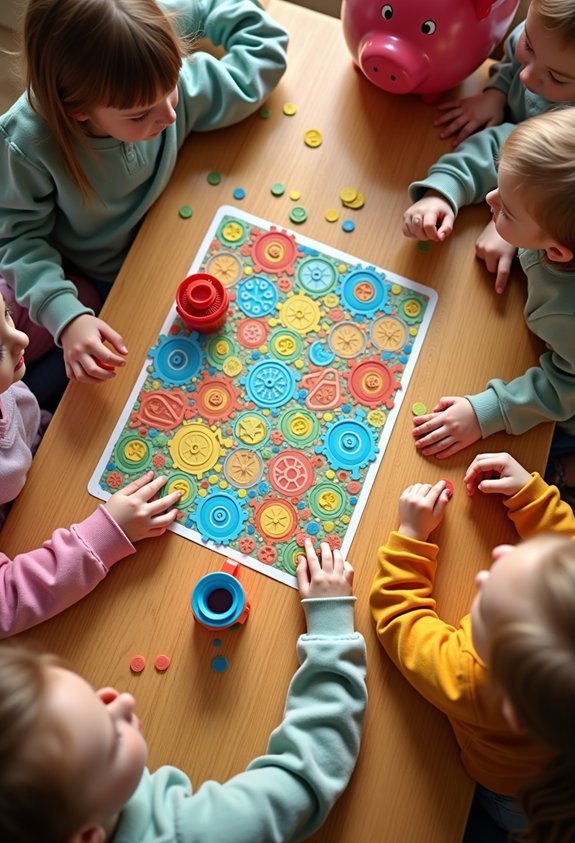
Once kids get the hang of “real” allowance, it’s game time—literally. You can sneak in lessons with money themed board games where they earn, lose, and bargain for cash without wrecking real life.
Let them feel the panic of landing on a giant bill space, then the thrill of saving enough to survive it. Talk through choices: “Do you buy that now, or save for something bigger?”
You can also use digital saving apps. Set up fake “stores” for screen time, toys, or treats. Pay them digital dollars for chores, then have them “spend” or stash it in savings goals.
When they finally hit a goal, celebrate hard so their brain links saving with serious victory. They’ll remember that rush way more than lectures.
Using Shopping Trips as Real-Life Budget Practice

When it comes to money lessons, the grocery store is basically a giant, loud, sticky classroom with snacks. Before you go, hand your kid a small budget and a short list, like “fruit, cereal, snack, dessert.” That’s their mission.
You talk through budgeting basics: “You’ve got ten dollars. If you blow eight on cookies, what happens to fruit?” Let them feel that tiny panic. It’s useful.
Compare prices together, check unit prices, and cheer when they spot the cheaper brand. Ask, “What’s our shopping strategies: brand-name or store brand, big bag or mini packs?”
At checkout, have them guess the total. When they’re close, celebrate. When they’re wildly off, laugh and learn.
Next trip, raise the budget, new rules, and watch skills grow fast.
Helping Kids Set Exciting Savings Goals

Before a kid will save a single dollar, they need something awesome to save for—and no, “a strong financial future” isn’t going to light up their little soul.
Start by asking, “What would make you scream with joy if you owned it?” A skateboard? A gaming headset? A hamster with its own tiny mansion? Cool. That’s the target. Write it down, print a picture, and tape it to a jar for simple goal visualization. Now their money has a face.
Next, turn the grind into a game with savings challenges: save every $5 bill, or match whatever they stash this week. Track progress like a video-game level bar. Each deposit moves them closer. They’re not “being responsible”; they’re unlocking treasure, piece by piece.
Teaching Smart Spending Without Guilt

Even if you dream of raising a tiny budgeting ninja, your kid is still going to spend money—and that’s not a crime scene, it’s normal life.
You’re job is to help them spend on purpose, not in panic. Start by asking, “What do you actually care about?” That’s value based spending in kid mode.
Maybe it’s soccer cards, not random slime from the dollar bin. Cool, aim the money there. When they buy, talk through it: “Does this match what you said matters?” If yes, cheer. Guilt free purchases.
If not, don’t shame them; just say, “Okay, now you know.” Later, review old buys together. Sort them into “Loved it” and “What was I thinking?” piles and learn for next time.
Keep it playful.
Introducing Giving and Generosity in Simple Ways

How do you raise a kid who doesn’t just yell “MINE!” like a tiny dragon guarding three broken crayons? You start small.
When your child gets money, ask, “Want to save a little to help someone?” Keep it light, not guilt‑heavy. Maybe you two buy canned food together and drop it at a shelter.
Talk about who it helps, in kid language: “This helps another kid eat dinner tonight.”
Try simple charity activities: letting your child pick a toy to donate, or using part of birthday money to buy pet food for the animal shelter.
Mix in community service they can see and feel—trash pickup at the park, baking cookies for a neighbor—so giving feels real, not like homework or some boring extra chore.
Encouraging Kids to Track Their Own Money
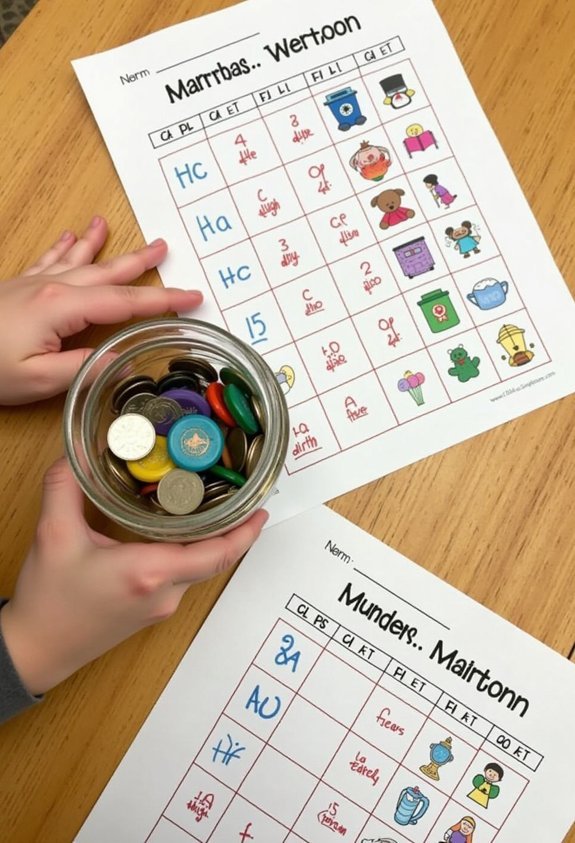
Once your kid has money coming in, it’s time to level up from “random piles of crumpled bills” to “I actually know where my money went.”
Tracking sounds boring, but for kids it can feel like a superpower: “Whoa, I’ve eight dollars, not two?
You can start with money journals. Grab a cheap notebook, draw three columns: money in, money out, balance.
Every time your kid earns, spends, or saves, they write it down. It’s simple expense tracking, not a tax return.
Turn it into a quick daily habit, like brushing teeth. Check the journal together and celebrate surprises: “You saved enough for that game already!”
When kids see their choices on paper, they learn control, not mystery around their own money story.
Keeping Money Conversations Positive and Age-Appropriate

When you talk about money with kids, you’re not trying to turn family dinner into a boring news show about the economy. You’re just helping them build a healthy money mindset without freaking them out.
Skip the panicked “we’re so broke” speeches. Instead, share simple, honest bits: what things cost, how you choose, what you’re saving for. Use positive reinforcement like, “Nice choice saving for that game instead of blowing it on slime… again.”
Ditch the “we’re broke” drama—share calm, honest money choices and celebrate smart saving.
Keep it light, curious, and fun. Try this:
- Let young kids sort coins and name their “jobs.”
- With older kids, walk through the grocery bill and ask what they’d swap to save.
- With teens, share real numbers for a goal, like a trip, and plan it together as a team.
In case you were wondering
How Do We Talk About Digital Money, Like Apps and Online Purchases, With Kids?
You explain digital wallets hold money, virtual currency represents it, and online budgeting with app savings helps track. You build e commerce awareness and model secure transactions, stressing passwords and asking adults before tapping buy.
When Should Kids First Learn About Investing, Interest, and Growing Money Over Time?
You should start by age seven, when their curiosity explodes like a financial supernova, introducing playful investment basics, simple savings goals, and magical stories of compound interest so they see money multiplying while they sleep.
How Do We Handle Different Money Rules or Values Between Parents, Relatives, or Caregivers?
You handle differing money rules by calmly comparing money values, agreeing on non-negotiables, and explaining them simply to your child. You prioritize parental consistency, discuss compromises privately, and reassure your child that adults stay loving.
What’s the Best Way to Talk About Debt and Borrowing Without Scaring Kids?
You explain debt as a tool, not a monster, and break borrowing basics into simple steps. You compare it to sharing allowance, bust debt myths, stress timely repayment, and invite questions so kids feel empowered.
How Can We Keep Money Lessons Inclusive for Kids With Special Needs or Learning Differences?
You keep lessons inclusive by personalizing pace, using visual aids and tactile experiences, breaking tasks into steps, repeating often, inviting questions, and checking understanding with prompts, not tests, so every child feels capable and valued.
Conclusion
So now you’ve turned chores into cash, shopping into math class, and piggy banks into tiny dream machines. Weird coincidence, right? You just “happened” to read this, and your kid just “happens” to need money skills, and you just “happen” to be totally ready to try this stuff. Use one idea this week. Just one. Then another. Before you know it, money talks at home won’t feel awkward—they’ll feel normal, fun, and actually kind of awesome.