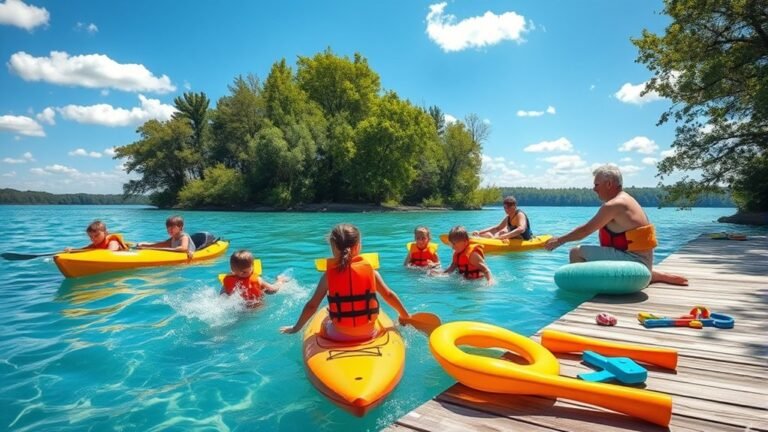
Why Kids Need Year-Round Bucket List Adventures
Your kids need year-round bucket list adventures because that’s how regular Tuesdays turn into “remember when” legends. Tiny things—biking to get ice cream, jumping in muddy puddles, stargazing in pajamas—quietly wire their brains for bravery, problem‑solving, and joy. Real-world mess beats zombie screen-stare every time. Plus, you get inside jokes, goofy memories, and kids who actually *talk* to you. And the best part? It’s way easier (and cheaper) to pull off than you think.
Key Takeaways
- Year-round bucket list adventures build kids’ confidence through small, independent challenges that show them they’re capable in everyday life.
- Regular new experiences strengthen brain development, creating fresh neural pathways through hands-on, real-world learning that screens can’t match.
- Shared adventures deepen family bonds, turning simple outings into lasting memories and better communication.
- Seasonal bucket lists spark curiosity and keep kids active, using changing weather as a natural framework for fun and exploration.
- Ongoing adventures help kids manage fear, embrace boredom as a creativity spark, and develop a lifelong mindset of wonder and resilience.
How Everyday Adventures Shape Confident, Curious Kids
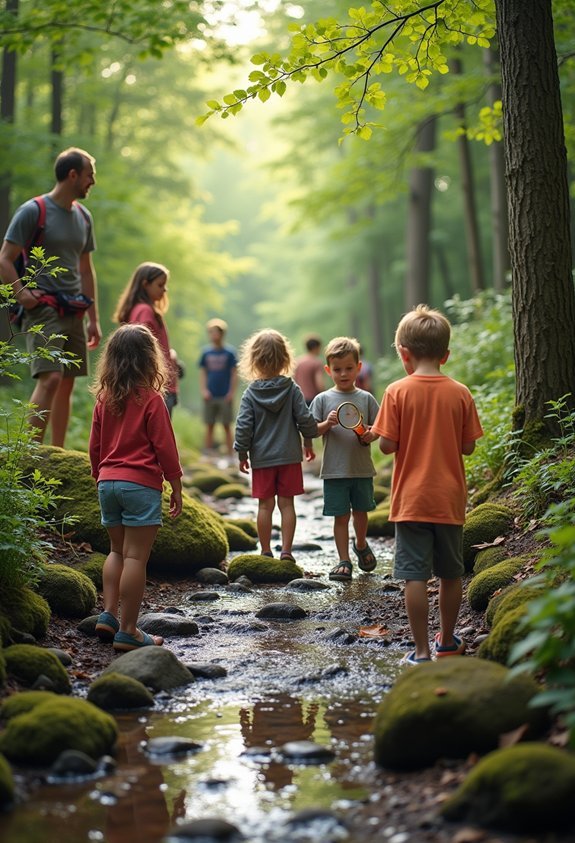
Even though it might feel like “real adventures” only happen on vacation, the stuff your kids do on a random Tuesday actually shapes them way more.
When your kid bikes to the park without you, that’s confidence building in action. When you let them order food alone, their voice shakes, but they survive. Boom, new superpower.
Curiosity fostering moments are everywhere. Your kid asks, “What’s that smell?” You could say, “Trash, move on,” or you could walk over, peek inside, and talk about compost. Not fancy. Just tiny risks, tiny questions, tiny wins stacking up until your child quietly thinks, “Hey, I can handle stuff.”
That’s the real adventure. Playing detective at home beats any postcard, because it changes who they believe they are.
The Brain Science Behind New Experiences and Real-World Play

While your kid is busy turning the couch into a “lava mountain,” their brain is basically at the gym, lifting heavy weights. Every new game, rule, and wild idea makes fresh brain pathways, like building faster Wi‑Fi in their head. That’s one of the big neuroplasticity benefits: the brain changes and upgrades with use.
When your kid tries real-world play—climbing a tree, ordering ice cream, figuring out bus routes—that’s experiential learning in action. They’re not just hearing about problem-solving; they’re doing it, messing up, laughing, trying again.
Their brain learns, “Oh, this matters, remember it.” Screens can’t copy that. Apps don’t hand your kid a wobbly ladder, weird weather, or a squirrel judging their life choices from a branch during their totally epic training.
Building Stronger Family Bonds One Small Adventure at a Time
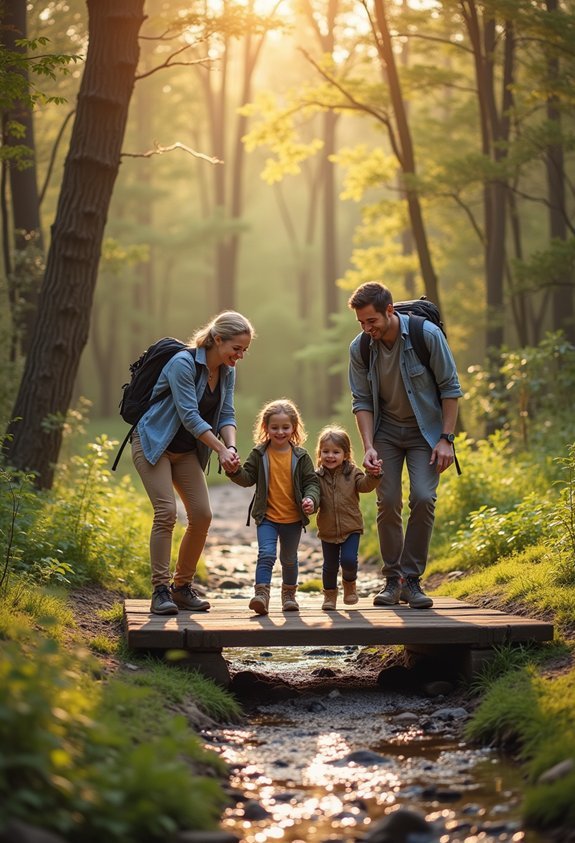
Some of the best family memories don’t come from big trips or perfect plans—they sneak in on random Tuesdays when you say, “Sure, let’s do something weird.”
Small adventures are like glue for your crew: a sunset walk where you all race to the next mailbox, a late‑night donut run in pajamas, getting lost on purpose in a new park and pretending you’re on a “serious” expedition.
These tiny moments do huge work for family bonding. When you’re laughing, moving, and trying new stuff together, walls drop. Kids talk more. You listen better. Nobody’s perfect, but you’re on the same team.
Adventure planning doesn’t need charts or color‑coded calendars. You stay curious, say “yes” a little more, and let normal days get slightly ridiculous.
Creating a Year-Round Bucket List That Actually Fits Your Life

Big, fun memories can pop up on random Tuesdays, but you can totally stack the deck in your favor. To make a year‑round list that actually works, start with your real life, not your fantasy life.
Look at your week: work, school, sports, and that mountain of laundry that never dies. Good bucket list planning doesn’t fight those; it dances around them. Think in time pockets: 10 minutes, one hour, half a day. Match adventures to those slots.
Then check your energy budget. School nights might be “tiny adventures,” like flashlight walks, while weekends hold the bigger stuff.
Ask your kids what feels fun, not exhausting. If your list protects your life balance, you’ll actually do it—instead of just pinning ideas you never use.
Seasonal Ideas for Spring, Summer, Fall, and Winter Fun

Even though the calendar keeps bossing you around with seasons, that can actually be your secret weapon for fun.
In spring activities, think messy and curious: mud boots, frog spotting, planting cheap seed packets in old yogurt cups. Let kids poke worms; it’s science, not gross, probably.
Summer explorations are all about heat and freedom. Late-evening bike rides, backyard “water parks” with one sad hose, homemade popsicle labs where every juice in the fridge gets tested.
Fall traditions can feel big without costing big. Leaf pile Olympics, flashlight walks to hear crunchy leaves, kitchen apple taste tests.
For winter fun, lean into cozy chaos: blanket-fort movie premieres, hot chocolate “cafés,” and snow experiments—like testing which mittens stay warm longest, scientist style for curious kids.
Turning Ordinary Weekends Into Mini Adventures

When Saturday rolls in and your brain whispers, “Laundry and errands,” that’s your cue to yell back, “Plot twist: adventure day.”
You don’t need plane tickets or a Pinterest board; you just need to treat your regular life like it’s slightly ridiculous and therefore fun.
Start with weekend exploration right where you live. Turn grocery shopping into a scavenger hunt. Let your kid pick wild new fruit or the weirdest cereal mascot. Time the aisles like a race. Winners choose the music on the drive home.
Try spontaneous outings: follow the first interesting sign you see, hunt for the “best” local french fries, or chase sunset at a random park.
When you label small plans “mini adventures,” kids actually feel the magic all day.
Adventure on a Budget: Low-Cost and No-Cost Ideas That Still Feel Big

Money stress is the fastest way to murder fun, but good news: kids don’t care how much stuff costs—they care if it feels like a *thing*.
Fun isn’t priced in dollars—kids remember adventures, not receipts or how “fancy” it was.
You can stack wildly fun days with couch-cushion money. Think small budget, big story.
- Turn your kid into a nature scavenger at local parks. Print a list: red leaf, smooth rock, something that smells weird but not deadly.
- Hit free workshops, library events, and community festivals. Call it “Town Tour 2025.”
- Host a backyard outdoor movie and stargazing nights. Bedsheets for screens, popcorn in salad bowls, boom: magic.
- Try neighborhood explorations and volunteer opportunities. Deliver flyers, clean a creek, meet quirky neighbors, then celebrate with DIY crafts at home over cheap instant victory dessert.
Overcoming Fear, Boredom, and Screens to Make Room for Wonder

You’ve got your low-cost adventures lined up, but here’s the plot twist: the real boss battles aren’t money, they’re fear, boredom, and screens. Your kid says, “Nope, too scary,” and suddenly the park path looks like a dragon cave. That’s where fear management kicks in. You stay calm, break the challenge into baby steps, and cheer for tiny wins.
Then boredom shows up. Kids yell, “This is lame,” ten seconds after arriving. Let it happen. Boredom is the doorway to wild ideas, made-up games, and weird stick collections.
Finally, screens. You don’t need a tech ban; you need technology balance. Adventures first, devices later. When kids feel real wind, mud, and sunshine, tablets start to look… kind of boring after a while. Everyone wins.
Simple Steps to Start Your Family’s Year-Round Adventure Tradition Today
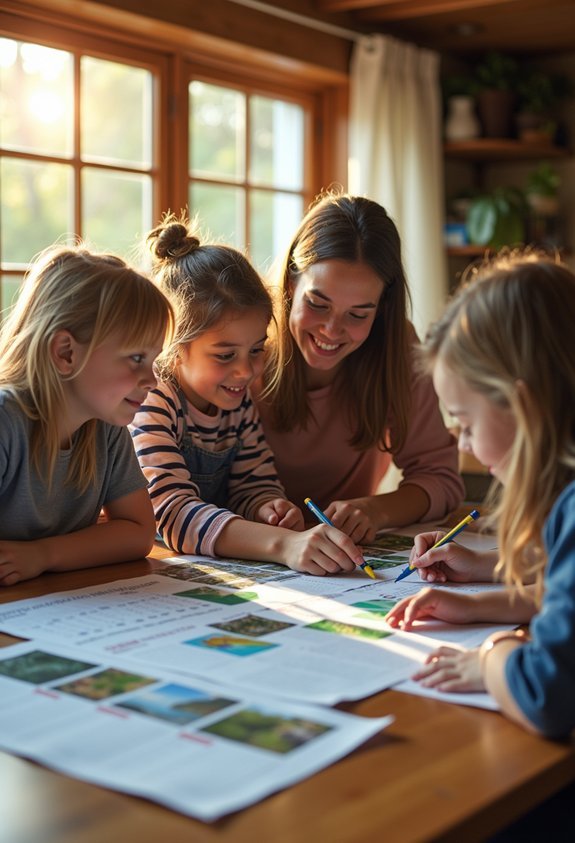
Even if life feels like one long loop of school, work, dishes, repeat, you can still flip it into an adventure year without moving to a cabin in the woods.
Start tiny so no one panics. Grab a notebook, sit at the table, and pull your kids into the fun. This is about family involvement, not you doing all the work while everyone else stares at a tablet.
- Pick a “Saturday Adventure Hour” and protect it like it’s pizza night.
- Ask each person for three dream ideas, from “backyard campout” to “train to the city.”
- Vote, circle the top ten, and call that your first adventure planning board.
- Post the list on the fridge, set reminders, and celebrate every time you cross one off.
In case you were wondering
How Do I Involve Reluctant Co-Parents or Caregivers in Year-Round Adventure Plans?
You involve them by using respectful communication strategies, inviting small commitments, and listening carefully. Emphasize shared goals for the child’s growth, offer simple choices, celebrate each success, and keep expectations flexible so everyone feels heard, valued, and included.
What if My Child Has Disabilities or Sensory Challenges During Certain Types of Adventures?
Like a tailor customizing a suit, you shape adventures around your child’s needs: choose adaptive activities, plan sensory friendly options, preview locations together, bring comfort tools, adjust expectations, and celebrate small wins as huge milestones.
How Can I Document Our Adventures Without Making Everything About Taking Photos?
You stay present first, then capture reflections later through memory journaling, audio notes, or sketches. Invite your child to share details, practicing creative storytelling through nightly recaps or mini comics. Photos become simple supporting visuals.
How Do I Balance Adventure Time With Homework, Sports, and Other Commitments?
Juggle many balls using simple time management: map weekly commitments, then highlight essentials. Involve your child, practice prioritizing activities, don’t sacrifice homework or sleep, and reserve adventures for lighter evenings or small weekend pockets together.
What Should I Do When Adventures Don’T Go as Planned and Everyone Feels Frustrated?
You pause, breathe, name the frustration, then reframe the adventure as practice with unexpected outcomes. Together, you’re resetting plans, lowering pressure, and focusing on small wins, managing expectations and ending with one simple connecting ritual.
Conclusion
So here’s the deal: you don’t need a plane ticket, a Pinterest mom brain, or a color-coded calendar. You just need today. Say yes to one tiny adventure—bike to a new park, eat breakfast in the backyard, chase the sunset in pajamas. Your kids won’t remember the laundry. They’ll remember you, being silly, brave, and a little bit wild with them. Grab the keys, my friend. Adventure called dibs on your weekend.