The Boredom Gap: Why Kids Freeze When You Tell Them Go Play (and What to Do Instead)
When you say “Go play!” and your kid just stands there like a confused cactus, that’s the boredom gap. Their brain isn’t empty, it’s actually warming up—shifting from “entertain me” to “I make my own fun.” But because modern kids are used to schedules, that blank space feels scary. Shrink it: offer tiny prompts (“Build a zoo for stuffed animals,” “Draw the worst pizza ever”) and celebrate any effort. Stick around, because it gets way easier.
Key Takeaways
- Kids freeze at “go play” because the boredom gap between “nothing to do” and “I’m into this” feels confusing and overwhelming.
- Modern kids get constant structure, so unstructured time can trigger anxiety, blank stares, or tears instead of creativity.
- Boredom actually activates creative brain networks, training kids’ inner idea engines for problem-solving and imaginative play.
- Parents can shrink the task with simple prompts, short time limits, or starter materials instead of vague commands like “go play.”
- Celebrate small attempts at independent play and build simple routines, gradually increasing kids’ confidence to navigate boredom on their own.
Understanding the “Boredom Gap
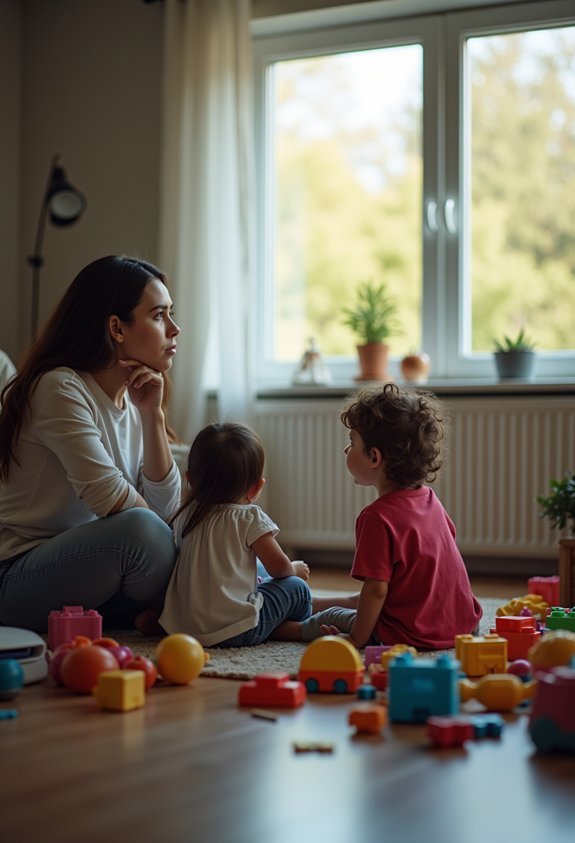
Even though adults love to joke that “kids have it so easy,” there’s this sneaky thing happening called the boredom gap—and it’s no joke when you’re the one trapped in it.
You tell your kid, “Go play,” and they stare at you like you just cancelled oxygen. The boredom gap is that weird space between “I have nothing to do” and “Oh, I’m actually into this now.” Most kids get stuck at the starting line. They don’t know what to do with silence, time, or their own thoughts.
But here’s the twist: that gap is where boredom benefits live. When kids push through it, they hit creative exploration mode—building forts, making up games, drawing comics, and surprising you. You only need to trust that.
What’s Happening in Your Child’s Brain During “I’m Bored

When your kid groans, “I’m boooored,” their brain isn’t broken—it’s actually doing something kind of cool and annoying at the same time.
Boredom isn’t a malfunction; it’s your kid’s brain quietly booting up its creativity engine
Inside their head, the fun, reward-seeking part is mashing the gas pedal, but the planning part is still hunting for a target. That gap feels like a big, empty “ugh.”
Neuroscience exploration shows boredom lights up networks tied to daydreaming and imagination, not just laziness. Your child’s brain starts scrolling through mental options: Lego? Drawing? Inventing a game where the couch is lava again?
That messy pause is prime time for creativity development. If you don’t rush to rescue them, their brain learns, “I can solve this blah feeling by making something new.”
That’s how boredom slowly trains their inner idea engine.
Modern Childhood and the Decline of Unstructured Play

Somehow, without anyone holding a meeting about it, modern childhood turned into a weird mix of school, car rides, and scheduled activities with snack breaks.
Your kid’s calendar looks like a tiny CEO planned it. Soccer practice, piano, tutoring, then “quick, finish your homework in the backseat.” It’s nonstop.
What disappeared? Long, empty afternoons for unstructured exploration. Time to poke around the yard, build a fort, get muddy, and argue about the rules of a made‑up game.
When every minute has a plan, childhood creativity shrinks. Your child gets used to someone else setting the agenda, providing the fun, even fixing boredom.
Play starts to feel like another task on the list, not something they own or drive. No wonder free play feels foreign.
Why “Go Play” Feels Overwhelming Instead of Inviting
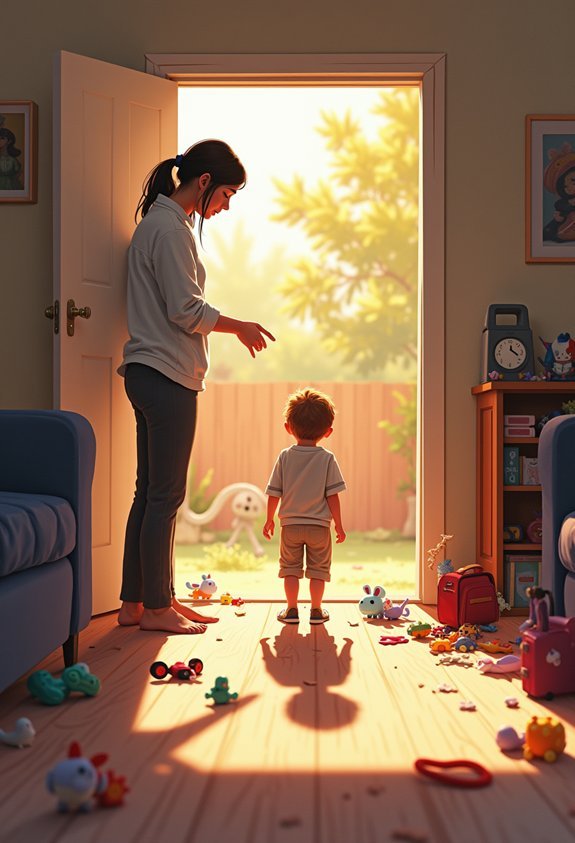
Because your kid’s days are so packed and directed, “Go play” can land like a pop quiz they never studied for. Their brain hears, “Do something fun and amazing… right now.”
That’s an overwhelming expectation, not an invite. They’re used to structured play: practice at 4, homework at 5, tablet at 6. Suddenly, there are no directions, just empty time, so a creativity block pops up.
Then comes the emotional response—worry, blank stare, maybe tears. Autonomy struggles kick in: “You decide” feels like pressure, not freedom.
Add imaginative fatigue from constant screens, and boom, play anxiety. Throw in social comparison—“Other kids know what to do; what’s wrong with me?”—and your simple suggestion feels huge and scary.
No wonder they freeze like a confused statue.
Simple Ways to Help Kids Warm Up to Independent Play

Even tiny steps can turn “Moooom, I’m boooored” into actual quiet play time (yes, it’s possible, stay with me).
First, shrink the job. Instead of “go play,” say, “pick three toys to mess with on the rug.” Less pressure, more action. You can toss out playful prompts: “Can those blocks become a pet hotel?” “What disaster hits the doll city?” Silly questions spark ideas without you running the show.
Also, lower the bar in your head. Independent play doesn’t have to look like a Pinterest scene. If your kid pokes Play‑Doh with a spoon for eight minutes, that counts. Celebrate tiny wins. Those small, weird, creative challenges slowly train their brain to think, “I’ve got this.”
Independent play isn’t Pinterest‑pretty. Eight minutes of poking Play‑Doh? That totally counts.
Over time, starting play won’t feel scary anymore.
Scripts and Routines That Gently Coach Self-Directed Play
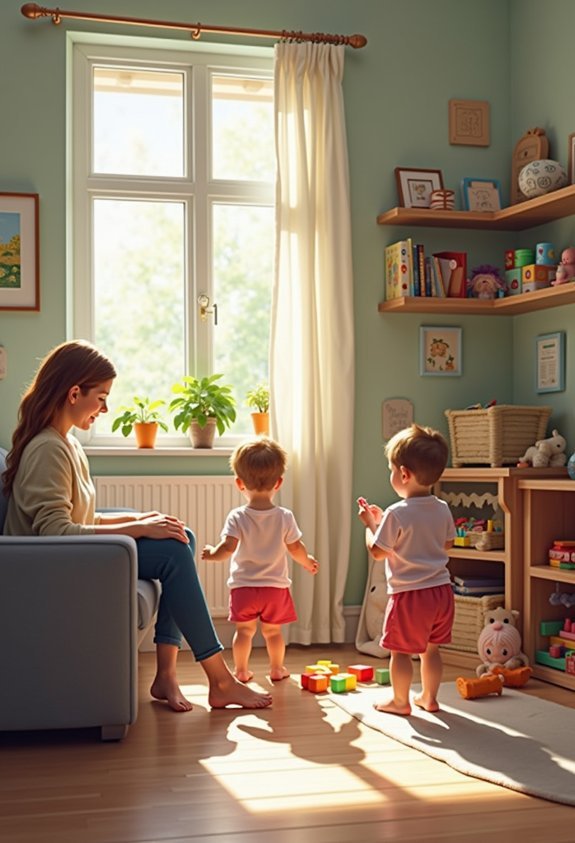
When your kid treats you like their personal cruise director, scripts and tiny routines can be your secret exit plan.
Start with a short, calm line you repeat a lot: “I’ll help you start, then it’s your turn.”
Then use playful prompts: “Pick a toy, give it a problem, then fix it.” Robots lost their batteries. Stuffies need a school. Cars are stuck in snow made of socks.
Build mini routines that always run the same way. Maybe “Three-Part Play”: set up, play, show-and-tell. Or a “Mystery Mission” card you pull after snack with simple creative challenges.
Keep your voice light, almost like a game show host. You’re not entertaining; you’re coaching them to entertain themselves. Little by little, they stop yelling, “I’m booooored.”
Building Long-Term “Play Muscles” (and Tolerating Boredom)
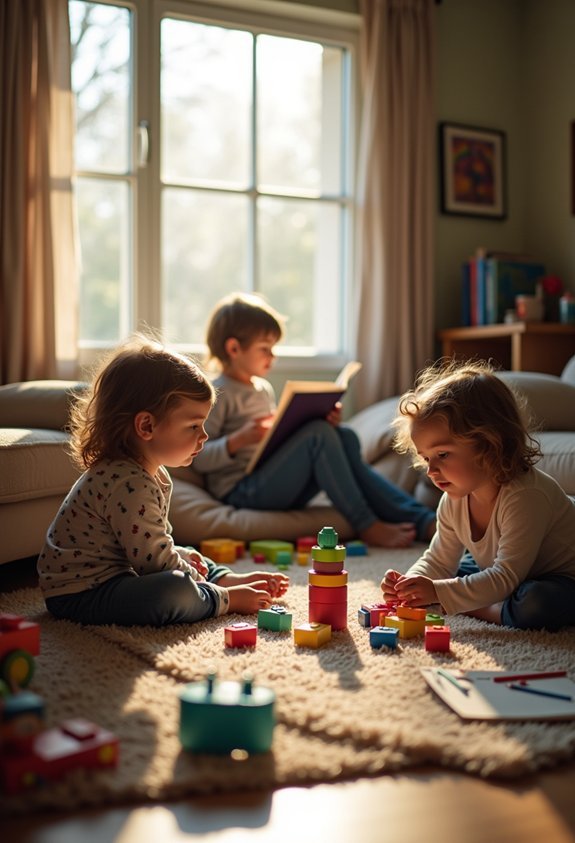
Sooner or later, you hit the big boss level of boredom: not “What can I do?” but “I hate this feeling and I want it gone now.”
This is where you’re not just killing 10 dead minutes; you’re helping your kid build actual “play muscles” in their brain.
Instead of rescuing them, you coach them through it, like a tiny emotional workout.
You might say, “Yeah, boredom is awful. And your brain can totally handle it. What’s one weird thing you could try for five minutes?”
Then you stay out of it.
Each time they survive that itchy, whiny zone, their play resilience grows.
Boredom tolerance stretches.
Soon they don’t panic at empty time; they hunt for ideas.
That’s how lifelong self-play skills grow.
In case you were wondering
How Does Screen Time Specifically Affect My Child’s Imagination and Play Stamina?
Screen time floods your child with fast, finished stories, so they practice reacting instead of inventing. Over time, you see shorter play stamina, fewer self-started games, and weaker imaginative play, especially without constant novelty around.
Are Some Kids Temperamentally Less Inclined Toward Independent Play Than Others?
Yes, some kids are less inclined toward independent play. Ever notice how their individual differences and play preferences shape what feels fun? When you respect that and scaffold alone-time, you build confidence and engagement steadily.
How Can Teachers Support Self-Directed Play in Crowded or Highly Structured Classrooms?
You support self-directed play by weaving playful environments into routines, offering structured flexibility, rotating open-ended materials, modeling curiosity, protecting choice-based blocks, and inviting students to adapt tasks, reflect on decisions, and share discoveries with peers.
What Role Do Siblings or Only-Child Dynamics Play in the Boredom Gap?
You see boredom gaps shaped by sibling dynamics and only child play: siblings may over-structure or dominate games, while solo kids may rely on adults, so you intentionally coach turn-taking, negotiation, and independent idea-starting skills.
How Can Neurodivergent Kids Be Supported When Unstructured Play Feels Especially Hard?
You support neurodivergent kids with clear choices, visual guides, and calm co-play. Can you picture a cozy, pre-set play nook where worry loosens? Rely on structured routines, timers, and frequent sensory breaks that you’ll fade.
Conclusion
Now you know your kid’s “I’m bored” isn’t drama, it’s a skills gap. You’re not the cruise director; you’re the quiet coach on the bench, handing them tiny plays to try. Warm-ups, simple choices, short routines—that’s your toolkit. Use it, and play grows stronger, like a muscle you both forgot you had. So next time they freeze at “Go play,” you’ll smile, sip your coffee, and think, Game on. You’ve got this weird, wonderful mess.