What Cultural Crafts Teach Kids About Diversity?
Cultural crafts teach your child that beauty, creativity, and meaning look different everywhere—and that’s worth celebrating. When kids try Japanese origami or explore African beadwork, they discover each culture’s unique stories, symbols, and skills. Hands-on creating builds empathy and respect for different ways of life. They’ll see the patience and wisdom behind every stitch and pattern. These lessons stick long after the project ends, shaping how they embrace diversity every day.
Key Takeaways
- Cultural crafts expose children to diverse beauty standards, from Japanese origami’s simplicity to Mexican textiles’ bold colors and patterns.
- Traditional crafts carry meaningful stories and symbols that teach children about different families, beliefs, and cultural heritage.
- Hands-on crafting experiences help children view different cultures as interesting rather than strange, fostering respect and empathy.
- Creating crafts together encourages children to appreciate the skill, patience, and problem-solving abilities of artisans worldwide.
- Learning about cultural crafts builds lasting habits of acceptance and curiosity that children carry into adulthood.
Understanding That Beauty Takes Many Forms
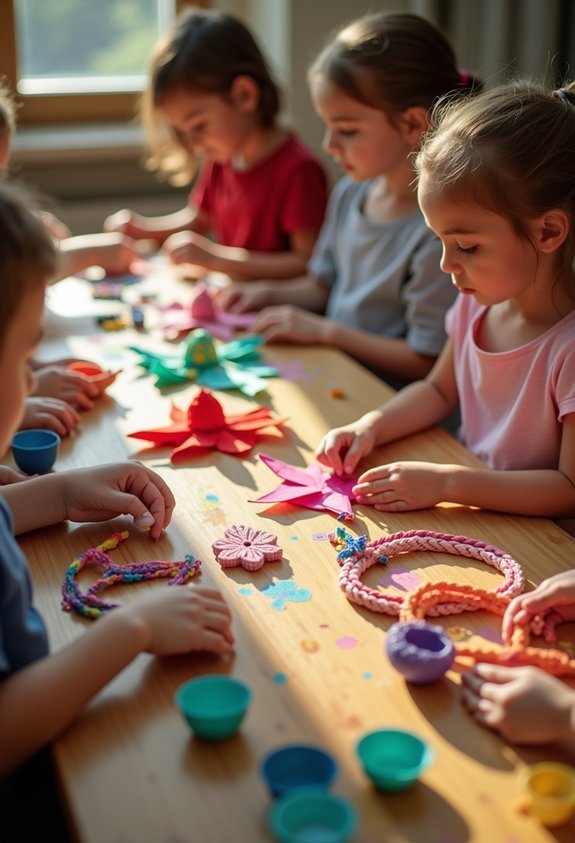
Beauty doesn’t follow a single set of rules. When you explore crafts from different cultures, you discover something wonderful. Every community has its own idea of what looks good.
Think about it:
- Japanese origami celebrates simplicity and clean lines
- Mexican textiles burst with bold colors and patterns
- African beadwork uses geometric shapes and earthy tones
These different cultural aesthetics teach you that beauty standards aren’t universal. They shift and change depending on where you are in the world.
When you create crafts from various traditions, you train your eyes to see beauty everywhere. You learn to appreciate a quiet ceramic bowl and a vibrant woven basket equally.
This understanding shapes how you see people too. Different is just different—not better or worse.
Learning the Stories Behind Traditional Art
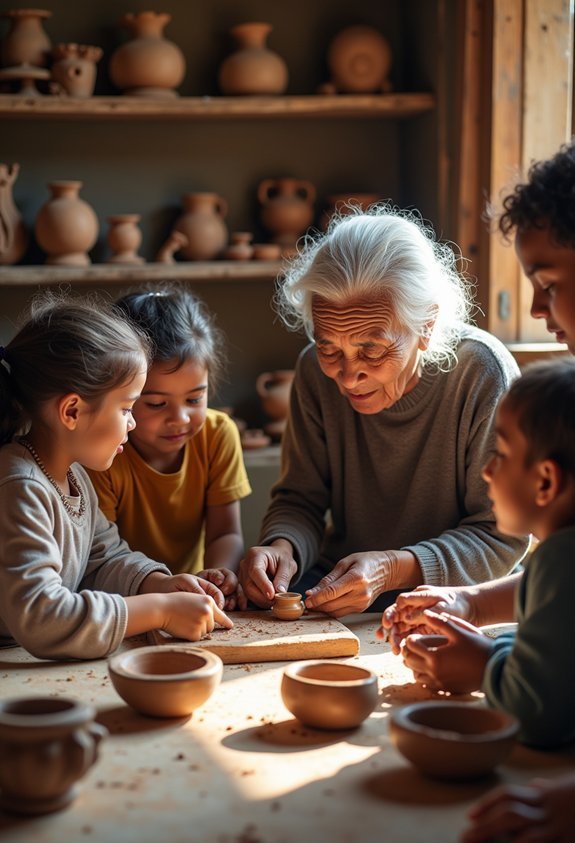
Every craft carries a story. When your child learns about traditional art, they’re discovering the voices of generations past.
Why Stories Matter
Traditional narratives give meaning to every stitch, brushstroke, and pattern. Your child learns:
Every stitch tells a story, every brushstroke carries meaning—traditional crafts connect your child to centuries of human expression.
- Why certain colors hold special significance
- How symbols represent family, nature, or beliefs
- What celebrations or events inspired the craft
Exploring Cultural Symbolism
Help your child dig deeper into the art they create. Ask questions like:
- What does this pattern mean to the people who made it?
- Why did they choose these materials?
- What story were they trying to tell?
This curiosity builds respect. Your child begins to see that art isn’t just decoration. It’s communication across time and cultures.
Developing Respect for Different Ways of Life
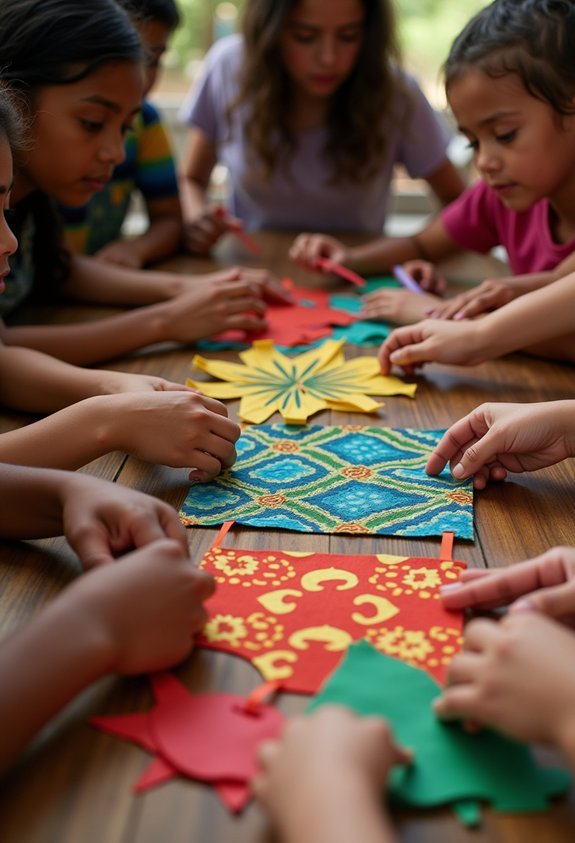
When children explore crafts from different cultures, they naturally start to appreciate how other people live. This hands-on experience builds cultural appreciation in ways that books alone cannot.
You’ll notice something special happening. Your child begins to see that different doesn’t mean strange. It means interesting.
Ways to nurture mutual respect:
- Talk about why certain colors or patterns matter to specific communities
- Point out similarities between your family’s traditions and others
- Celebrate the skill and thought behind each craft
When kids understand that every culture solves problems creatively, they grow kinder. They ask better questions. They listen more carefully.
You’re giving your child a gift here. The ability to respect different ways of life will serve them forever.
Building Empathy Through Hands-On Creation
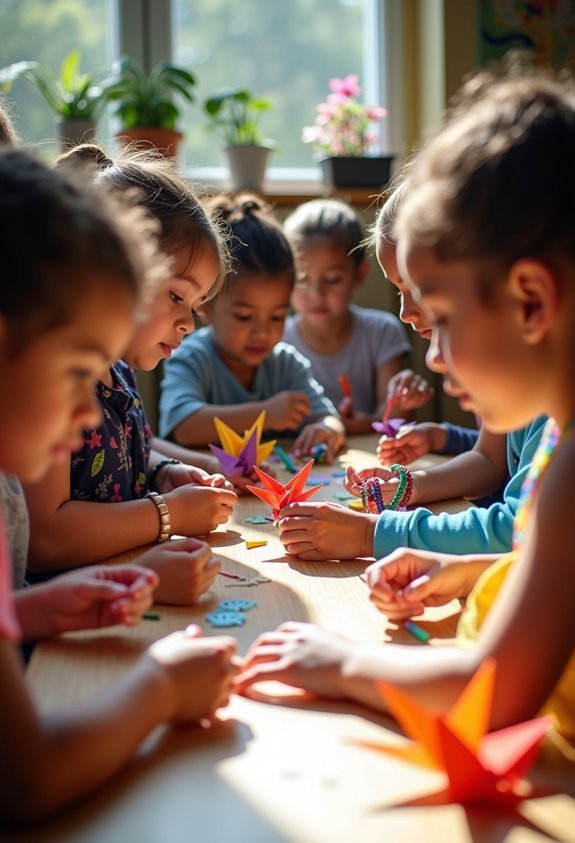
As your child shapes clay into a traditional pot or weaves threads into a simple pattern, something powerful happens inside them. They begin to understand how people in other cultures live and create.
This hands on collaboration with materials builds real connections. Your child feels the patience required. They notice the skill involved. They gain respect for makers everywhere.
Creative expression becomes a bridge between cultures. When kids try unfamiliar techniques, they step into someone else’s world for a moment.
Trying unfamiliar crafts lets children briefly experience the world through another culture’s hands and heart.
Ways to deepen this experience:
- Ask your child how the craft made them feel
- Discuss who originally created this art form
- Wonder together about the stories behind each tradition
These moments plant seeds of empathy that grow into lasting understanding.
Discovering Shared Human Values Across Cultures
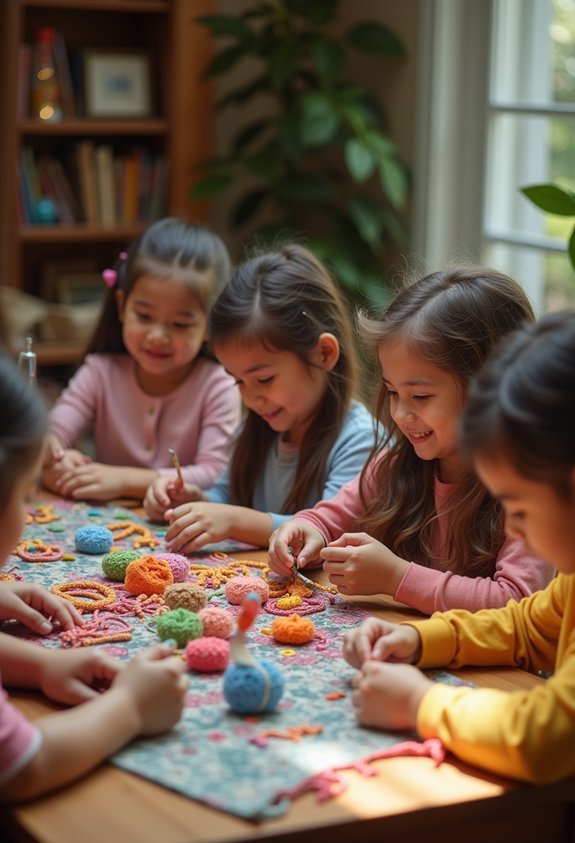
Though cultures may look different on the surface, the crafts your child creates reveal something beautiful underneath.
Every culture celebrates family. Every culture honors nature. Every culture marks special moments with creativity and care. These shared experiences connect us all.
When your child weaves a friendship bracelet or shapes clay into a bowl, they’re doing what children have done for thousands of years across every continent. The materials change. The patterns shift. But the joy of making stays the same.
Cultural similarities your child will discover:
- Love for family and community
- Respect for elders and traditions
- Celebration of seasons and harvests
- The need to tell stories and remember
These universal values live inside every craft project. Your child isn’t just learning about differences—they’re finding common ground.
Breaking Down Stereotypes One Craft at a Time
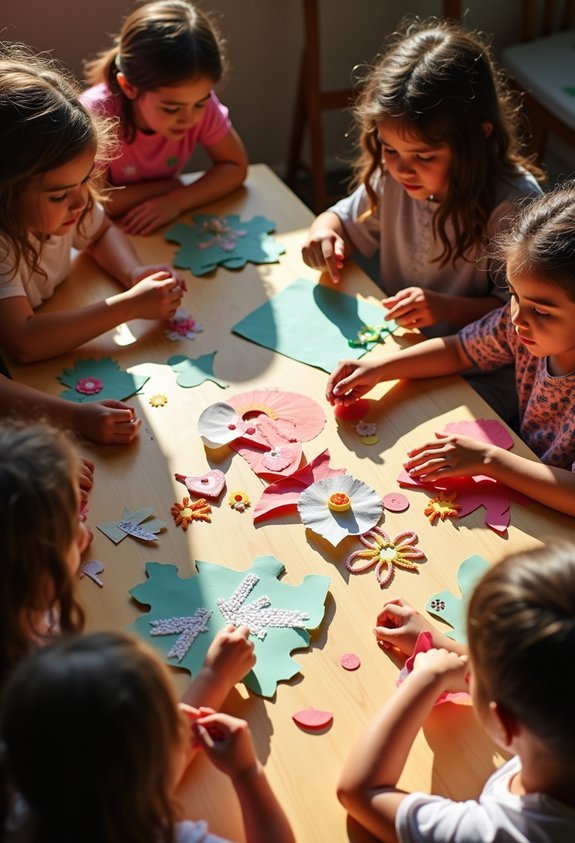
Finding common ground opens doors. When you create alongside someone from a different background, something shifts. You stop seeing labels and start seeing a person.
Building Stereotype Awareness Through Making
Craft collaboration naturally breaks down walls. Here’s how:
When hands work together on a shared creation, differences fade and connection takes their place.
- You discover that creativity looks different everywhere
- You learn traditions have reasons behind them
- You see skilled hands come in all colors and ages
What Happens Next
Kids who craft together talk together. They ask questions. They share stories. They laugh at mistakes and celebrate wins side by side.
This is stereotype awareness in action—not through lectures, but through doing.
You’re giving children real experiences. They’re forming their own conclusions. And those conclusions? They’re rooted in friendship, not assumptions.
One craft at a time, understanding grows.
Connecting History and Heritage Through Art
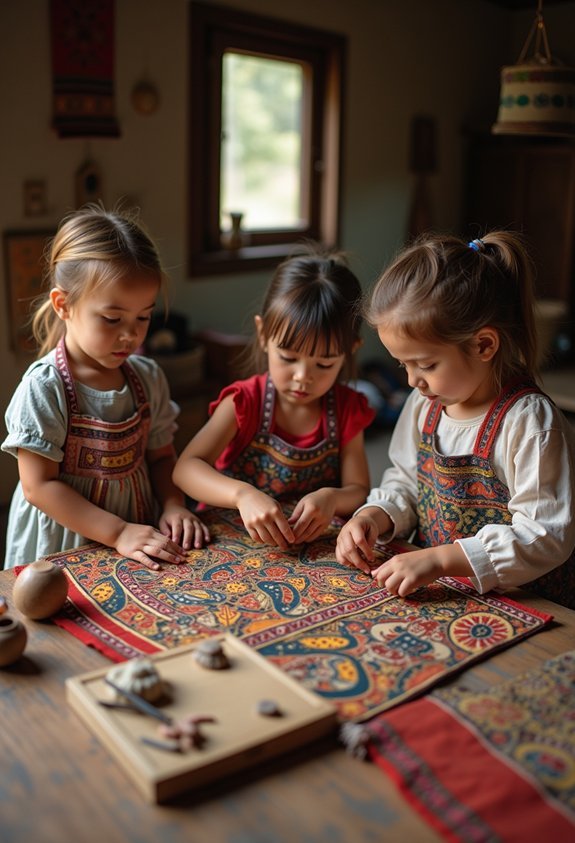
Think about it. A Japanese origami crane connects your family to centuries of tradition. A Mexican papel picado teaches patience while honoring ancestors. These aren’t just projects—they’re living history lessons.
Why this matters:
- Kids remember what they create with their hands
- Artistic expression becomes a bridge to understanding
- Heritage feels real, not distant
You don’t need to be an expert. Start with one craft from your own background or explore something new together. Ask questions. Learn alongside your child.
History becomes personal when tiny hands shape it.
Celebrating What Makes Each Culture Unique
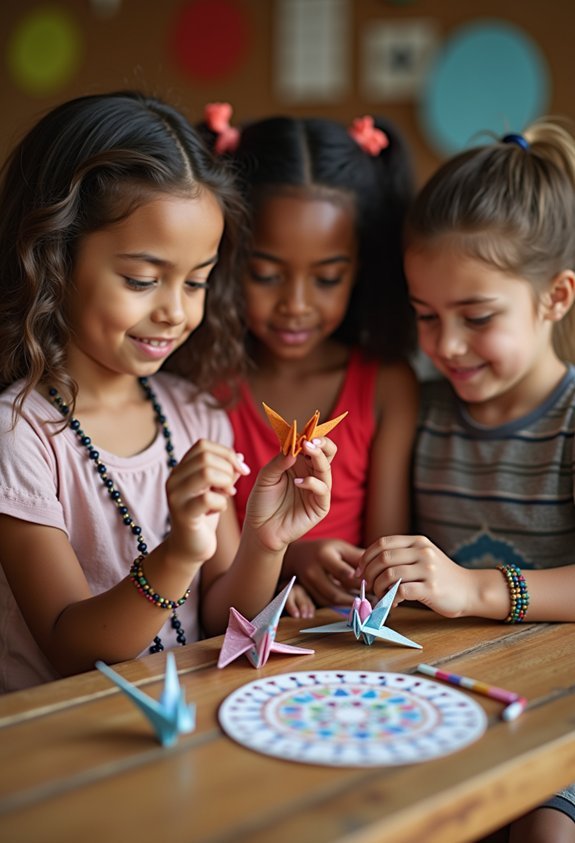
When you celebrate what makes each culture unique, you give your child a powerful gift: the ability to see beauty in difference.
Every craft tells a story about cultural identity. Through artistic expression, your child learns that different isn’t strange—it’s wonderful.
Every craft carries a culture’s story—teaching children that our differences make the world more beautiful.
Here’s what celebrating uniqueness teaches kids:
- Patterns carry meaning. African kente cloth colors represent values like wisdom and courage.
- Materials matter. Japanese origami shows how simple paper becomes art through patience.
- Traditions connect generations. Mexican papel picado passes down skills from grandparent to grandchild.
- Every culture contributes. Indian rangoli, Native American beadwork, and Chinese calligraphy all enrich our world.
When your child creates crafts from various cultures, they build respect naturally. They discover that our differences make the world more interesting and beautiful.
Recognizing the Skill and Wisdom of Other Communities
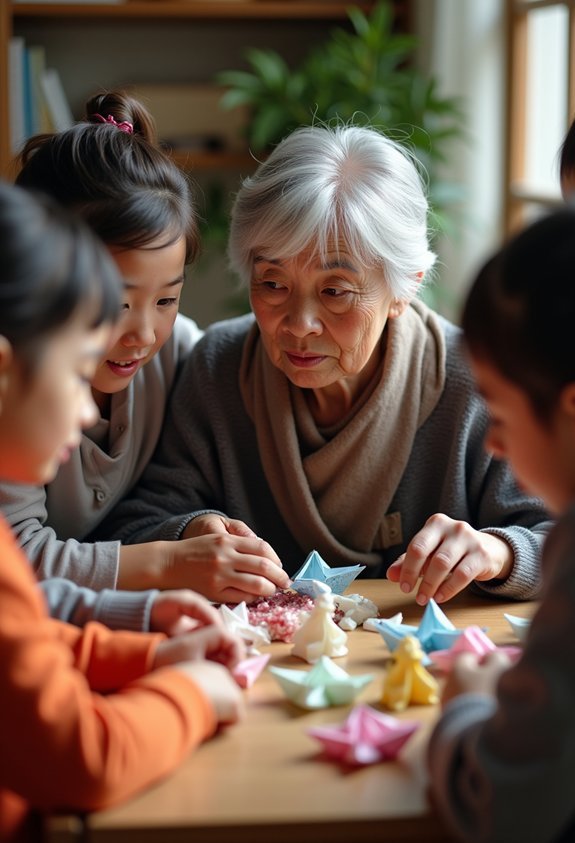
Every handmade creation carries generations of problem-solving and creativity within it. When you explore crafts from other cultures, you’re discovering clever solutions that communities developed over centuries.
Think about it. Basket weavers figured out which plants bend without breaking. Potters learned exactly how hot their fires needed to burn. This wisdom passed from parent to child, year after year.
Cultural appreciation means seeing this brilliance clearly. You’re not just looking at a pretty object. You’re witnessing human ingenuity.
Ways to practice skill sharing with kids:
- Watch videos of artisans at work together
- Discuss what problems each craft solves
- Ask “How did they figure that out?”
- Notice techniques that seem simple but took years to perfect
Every culture holds knowledge worth learning. Your curiosity honors that truth.
Carrying Lessons of Acceptance Into Everyday Life
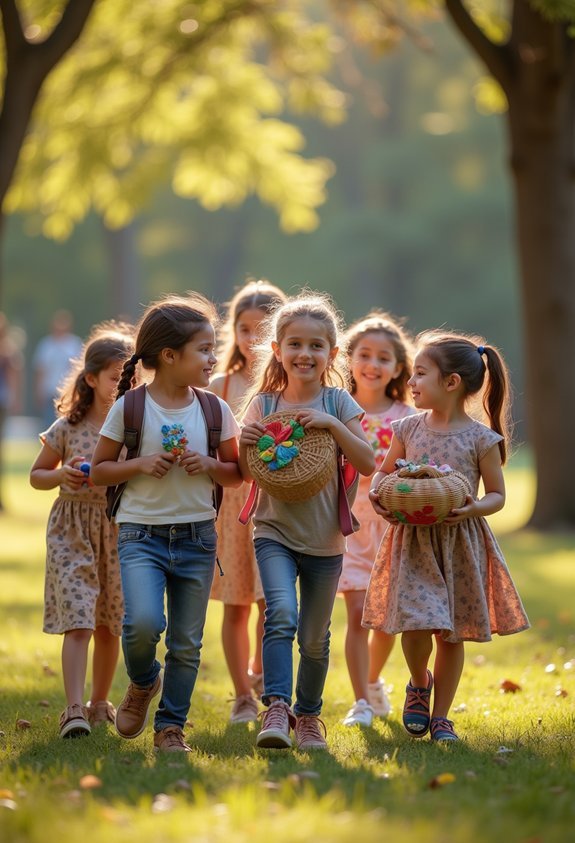
Crafting together opens hearts, but the real magic happens when those lessons travel beyond the art table.
You can help your child practice everyday acceptance in simple ways. Cultural integration doesn’t require grand gestures. Small moments matter most.
Try these ideas:
- Notice differences with curiosity — Ask questions about traditions you see at the park or grocery store
- Share what you’ve learned — Let your child teach siblings or friends about crafts from other cultures
- Celebrate together — Attend local cultural festivals as a family
- Choose diverse stories — Pick books and shows that reflect many backgrounds
When your child sees you embrace different cultures, they’ll follow your lead. These habits build lasting respect. The craft project ends, but the understanding stays. That’s the gift you’re really giving.
In case you were wondering
What Age Is Best to Introduce Cultural Crafts to Children?
You can introduce cultural crafts to children as early as age three. At this stage, their cognitive development supports hands-on learning, and you’ll nurture cultural appreciation while building fine motor skills through creative exploration.
Where Can Parents Find Authentic Cultural Craft Supplies and Materials?
You’ll stumble upon authentic cultural craft supplies at local markets where artisans share their heritage—what a beautiful coincidence when tradition meets curiosity! You can also explore online shops specializing in materials from specific cultures worldwide.
How Much Time Should Each Cultural Craft Session Last for Kids?
You’ll want to keep session duration between 30-45 minutes for younger kids and up to an hour for older children. Adjust crafting frequency to weekly sessions, giving kids time to absorb each culture’s unique traditions.
Are There Online Resources for Teaching Cultural Crafts at Home?
Fantastic free finds await you online! You’ll discover online workshops offering step-by-step cultural craft tutorials, while virtual museums provide authentic inspiration and historical context. These resources let you explore diverse traditions right from your living room.
Which Cultural Crafts Are Safest for Children With Allergies?
You’ll find paper-based crafts like origami and papel picado are excellent allergy friendly options. Choose non toxic materials such as natural dyes and plant-based glues to keep children with sensitivities safe while exploring diverse traditions.
Conclusion
When you create cultural crafts with your kids, you’re planting seeds of understanding that grow far beyond the art table. As the saying goes, “Variety is the spice of life.” Each project teaches your child that different doesn’t mean wrong—it means wonderful. These hands-on experiences build empathy, spark curiosity, and help young hearts embrace our beautifully diverse world with open arms.