When Lying Next to Your Toddler Is the Only Way They’ll Fall Asleep: Why Sleep Won’t Happen
You’re not creating a bad habit when you lie beside your toddler at bedtime—you’re responding to a biological need for closeness that’s hardwired into their development. Your child’s brain isn’t fully equipped to manage separation anxiety, which peaks between 18 months and 3 years. Darkness amplifies their awareness of being alone, triggering genuine distress rather than manipulation. This phase is temporary, and understanding the science behind it can help you navigate toward gentle, gradual independence.
Understanding Your Toddler’s Biological Need for Closeness at Night

When your toddler cries out for you in the middle of the night, they’re not being manipulative—they’re responding to deeply wired biological instincts.
Young children aren’t developmentally designed to sleep alone. For thousands of years, proximity to caregivers meant survival. Your toddler’s brain still carries this programming, making nighttime bonding a genuine need rather than a preference.
Your toddler’s need for nighttime closeness isn’t a flaw—it’s thousands of years of survival instinct at work.
Research shows that secure toddler attachment develops through responsive parenting—including during sleep. When you lie beside your child, you’re regulating their nervous system, helping them feel safe enough to drift off.
This doesn’t mean you’ve created a “bad habit.” You’re meeting a legitimate developmental need.
As your child’s brain matures and their sense of security strengthens, they’ll gradually require less physical closeness to fall asleep.
Developmental Milestones That Make Independent Sleep Challenging

Although your toddler may have slept well just weeks ago, new developmental milestones can quickly disrupt their progress. Language explosions, potty training, and newfound independence create mental stimulation that interferes with sleep phases throughout the night.
Growth spurts demand extra calories and comfort, often causing your child to wake more frequently seeking reassurance. Their developing imagination also introduces fears of the dark or monsters, making solitary sleep feel threatening rather than restful.
Walking, climbing, and other physical achievements mean your toddler’s brain is processing enormous amounts of information during rest. This neural activity can cause restlessness and increased night waking.
These disruptions aren’t setbacks—they’re signs of healthy development. Your child’s need for closeness during these transitions is temporary and completely normal.
Separation Anxiety and Its Role in Bedtime Struggles
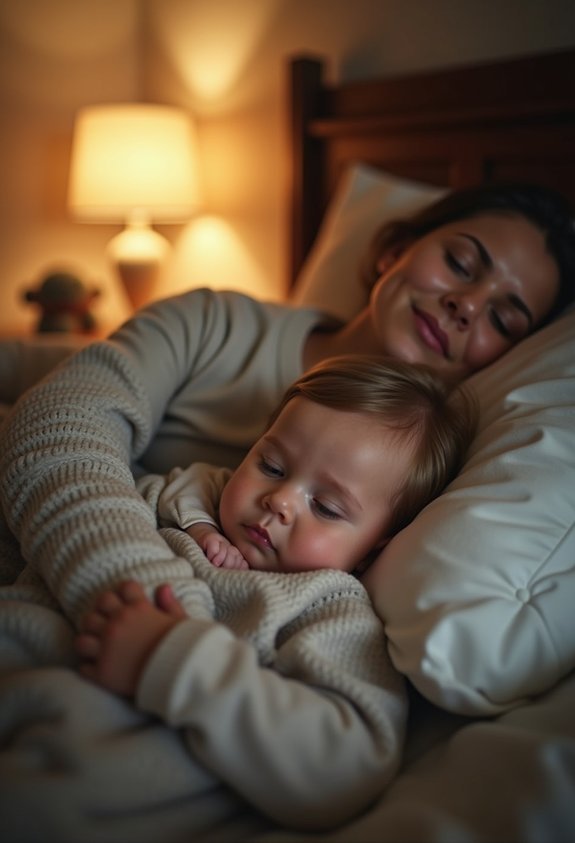
Because separation anxiety typically peaks between 18 months and 3 years, your toddler’s bedtime protests often stem from genuine emotional distress rather than manipulation or defiance. Their developing brain genuinely perceives your departure as threatening, triggering stress responses that make settling independently feel impossible.
During this phase, bedtime struggles intensify because darkness and quiet amplify your child’s awareness of being alone. Research shows that toddlers lack the cognitive ability to fully understand you’ll return, making each goodnight feel permanent to them.
You can ease separation anxiety by establishing predictable routines that signal safety. Brief check-ins, transitional objects, and calm reassurance help your toddler build trust that nighttime separations are temporary.
Why Traditional Sleep Training Methods Don’t Work for Every Child

Despite their widespread popularity, traditional sleep training methods like cry-it-out or graduated extinction don’t produce the same results for every child. Your toddler’s temperament, developmental stage, and emotional needs all influence how they respond to these approaches.
Some children have more persistent temperaments and simply won’t settle using traditional methods. Others may have sensory sensitivities or heightened anxiety that makes separation at bedtime genuinely distressing rather than a habit to break.
Your child’s persistent temperament or sensory sensitivities may require a gentler path to sleep than traditional methods allow.
Research shows that individualized approaches based on your child’s unique needs often yield better outcomes. What works for your neighbor’s toddler might backfire completely with yours—and that’s normal.
You’re not failing if standard techniques haven’t worked. You’re simply learning that your child needs a different path to independent sleep.
The Science Behind Your Toddler’s Fear of Sleeping Alone

When your toddler protests sleeping alone, their brain is doing exactly what evolution programmed it to do. Young children possess an underdeveloped prefrontal cortex, meaning they can’t rationalize away fear triggers the way adults can. Their survival instincts interpret darkness and separation as genuine threats.
Research shows that toddlers experience heightened cortisol levels when separated from caregivers at night. This stress response isn’t manipulation—it’s biology. Your child’s attachment system activates precisely because staying close to you meant survival for our ancestors.
Understanding this science helps you respond with compassion rather than frustration. Consistent bedtime rituals signal safety to your toddler’s nervous system, gradually teaching their brain that nighttime separation isn’t dangerous.
You’re not creating bad habits; you’re working with your child’s developmental reality.
Cultural Perspectives on Co-Sleeping and Parental Presence at Bedtime

Although independent sleep has become the gold standard in Western cultures, most of the world’s families practice co-sleeping or close nighttime proximity.
In Japan, Latin America, and much of Africa and Asia, parents sleeping beside children isn’t seen as a problem to solve—it’s simply how families rest.
Research on co-sleeping benefits shows that children in these arrangements often demonstrate secure attachment and healthy development.
The cultural variations in sleep practices remind you that there’s no single “right” way to help your toddler sleep.
If lying next to your child feels natural and works for your family, you’re not creating bad habits—you’re responding to a deeply human need for connection.
Your toddler’s desire for your presence at bedtime reflects biology, not manipulation.
Signs Your Child May Be Ready to Transition to Independent Sleep

The transition to independent sleep works best when your child shows genuine readiness rather than when a calendar dictates it’s time.
Every child has their own timeline—watch for readiness cues instead of rushing the transition to independent sleep.
Watching for sleep readiness signs helps you identify the optimal window for this change.
Key independent sleep indicators include:
- Your child falls asleep faster when you’re present, showing they’ve developed self-soothing skills.
- They occasionally wake at night but resettle without calling for you.
- They express curiosity about sleeping “like a big kid” or show pride in small separations.
- They can manage brief periods alone during daytime without significant distress.
These markers suggest your toddler has built the emotional foundation needed for independent sleep.
Trust your observations—you know your child best, and pushing before they’re ready often backfires.
Gentle Strategies for Gradually Reducing Your Bedtime Presence

Because your child has shown signs of readiness, you can begin gradually reducing your presence at bedtime without causing unnecessary distress.
The gentle fading approach works by slowly decreasing your involvement over several weeks, allowing your toddler to build confidence incrementally.
Start by maintaining consistent bedtime routines while shifting your position slightly farther from the bed each night.
Move from lying beside your child to sitting on the bed’s edge, then to a nearby chair, and eventually to the doorway.
You’ll want to offer verbal reassurance during this transition.
Brief check-ins can help your toddler feel secure while learning to self-soothe.
Research supports this gradual method as less stressful than abrupt changes.
When to Accept This Phase and When to Seek Professional Guidance

While many toddlers naturally outgrow their need for parental presence at bedtime between ages two and four, you’ll want to recognize when this phase falls within normal development versus when it signals something requiring professional attention.
Sleep acceptance is appropriate when your toddler:
- Shows steady progress with gentle sleep changes over weeks
- Functions well during daytime hours
- Maintains healthy development milestones
- Simply needs extra security during transitions or stressful periods
Consider seeking professional guidance if your child exhibits extreme distress that doesn’t improve, shows signs of anxiety disorders, has breathing difficulties during sleep, or if your own mental health is suffering significantly.
Trust your instincts. A pediatric sleep specialist or child psychologist can provide personalized strategies when standard approaches aren’t working for your family.
In case you were wondering
How Long Does This Lying-Beside-Them Sleep Phase Typically Last in Toddlers?
You’ll typically navigate this toddler behavior for a few weeks to several months. Sleep duration of this phase varies—most children gradually develop independent sleep skills between ages 2-4 as their security needs evolve.
Will Lying With My Toddler Create Lifelong Sleep Dependency Issues?
Like training wheels you’ll eventually remove, sleep associations shift naturally. You won’t create lifelong dependency issues—research shows children outgrow this need. Your bedtime routines can gradually evolve as your toddler develops independent sleep skills.
Can I Use My Phone While Waiting for My Toddler to Fall Asleep?
You can, but phone distractions often backfire—your toddler notices the glow and stimulation, making settling harder. For smoother bedtime routines, try keeping the room dark and boring so they’ll drift off faster.
Should Both Parents Take Turns Lying With the Toddler at Bedtime?
Yes, sharing bedtime routine duties benefits everyone. When both parents take turns, you’ll prevent burnout and help your toddler feel secure with either caregiver. Flexible parenting roles create a more sustainable, balanced approach to sleep support.
What Should I Do if I Fall Asleep Before My Toddler Does?
If you fall asleep first, don’t worry—it’s common and harmless. To refine your bedtime strategies, try adjusting your sleep routine by lying down earlier or using gentle cues that signal it’s time to rest independently.
Conclusion
You’re not creating a bad habit—you’re answering your child’s genuine need for security. Like a bridge connecting two shores, your presence helps them cross from wakefulness to peaceful sleep. Research shows this phase doesn’t last forever, and your responsiveness actually builds the confidence they’ll need for independent sleep later. Trust your instincts, be patient with yourself, and remember that meeting your toddler where they are is good parenting.