Why Choose Age-Appropriate Outdoor Adventure Games?
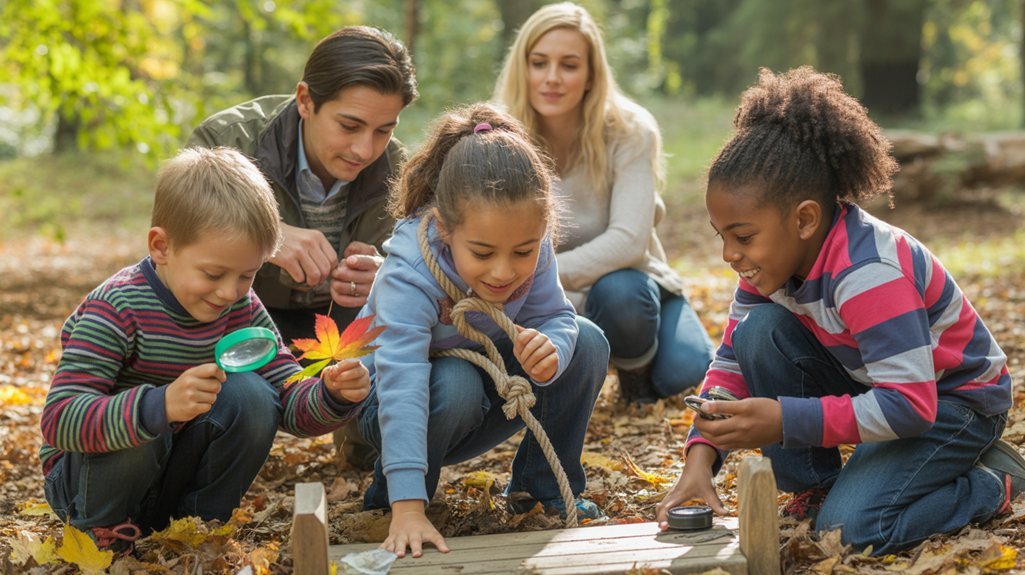
Age-appropriate outdoor adventure games match your child’s physical abilities and cognitive development to activities they can safely enjoy and master. You’ll prevent injuries by selecting challenges suited to their stamina and motor skills while building confidence through achievable tasks. These tailored experiences foster critical thinking at each developmental stage, enhance social skills through group interactions, and sustain engagement by balancing difficulty with capability. When activities align with your child’s readiness, you’ll cultivate their lasting passion for outdoor exploration while keeping frustration and boredom at bay.
Key Takeaways
- Age-appropriate activities ensure safety by matching physical capabilities to challenges, reducing injury risk and preventing overexertion.
- Tailored difficulty levels build confidence through achievable goals, promoting sustained engagement and preventing discouragement from overly complex tasks.
- Developmental alignment supports cognitive growth by presenting challenges that enhance problem-solving skills appropriate to each age stage.
- Matching activities to abilities increases enjoyment and engagement, fostering a lifelong love for outdoor exploration and physical activity.
- Graduated challenges develop social skills effectively, from parallel play in preschoolers to complex teamwork in teenagers.
Matching Physical Abilities to Activity Demands
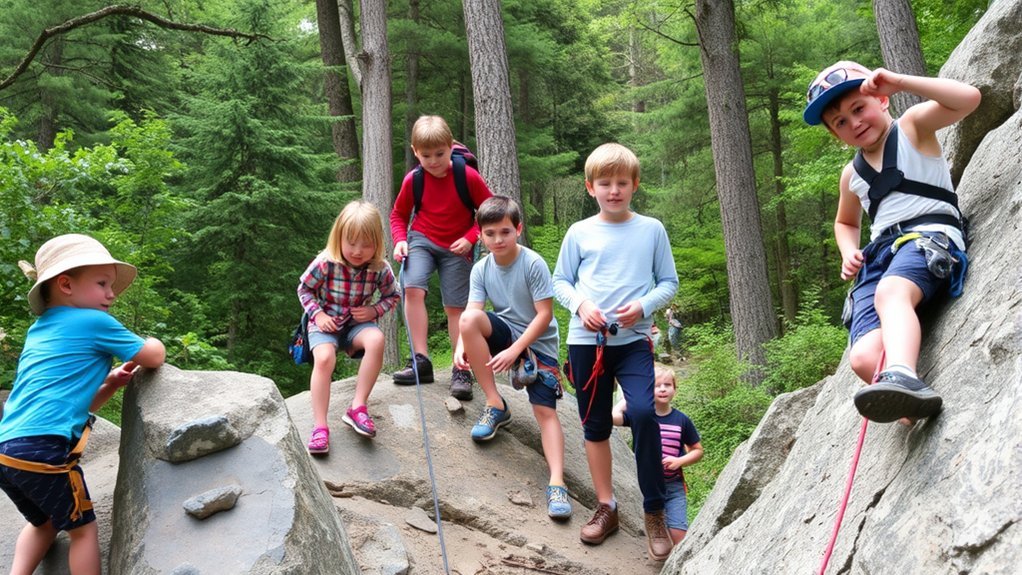
When planning outdoor adventures for children, you’ll need to assess whether their physical capabilities align with what the activity requires. Age suitability matters because a five-year-old lacks the strength and coordination needed for rock climbing, while a teenager might find a simple nature walk underwhelming.
You should evaluate each child’s stamina, motor skills, and strength before selecting activities. This ensures they won’t become frustrated or injured during the experience.
Creating activity balance is essential for maintaining engagement and safety. Mix challenging elements with achievable tasks so children feel accomplished without being overwhelmed.
Consider factors like trail length, terrain difficulty, and equipment weight.
When you match physical abilities to demands properly, children build confidence and develop a genuine love for outdoor adventures.
Supporting Cognitive Development Through Challenge Levels
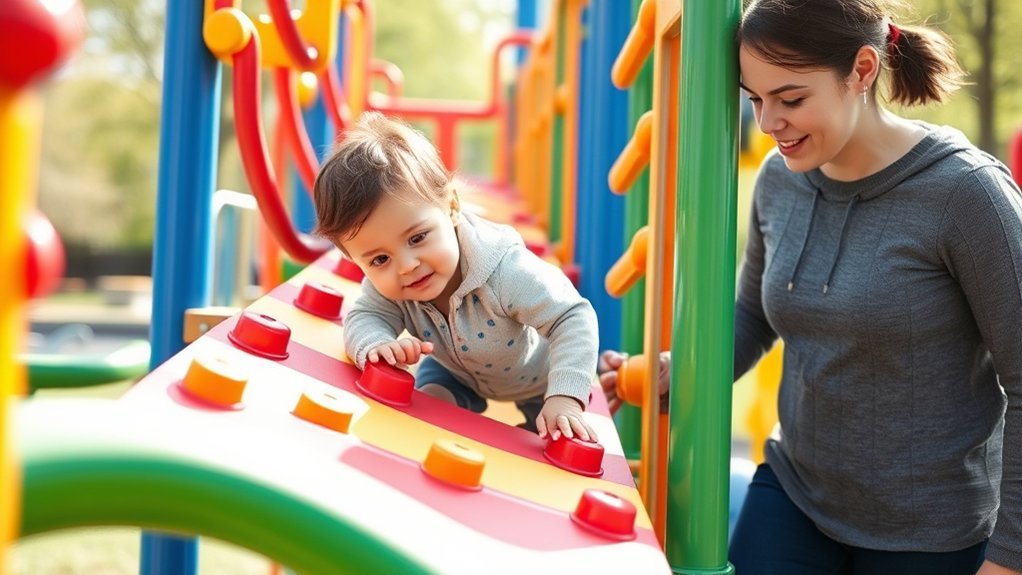
As children engage with outdoor adventures, their cognitive abilities expand through strategically designed challenge levels that push beyond their current capabilities without causing frustration.
You’ll notice that age-appropriate games introduce cognitive challenges matching specific developmental milestones—preschoolers solve simple navigation puzzles while older children tackle complex problem-solving scenarios requiring planning and abstract thinking.
When you select activities aligned with developmental stages, you’re creating optimal conditions for mental growth.
A seven-year-old deciphering treasure map clues exercises different cognitive skills than a toddler identifying nature objects. These graduated challenges build critical thinking, spatial awareness, and decision-making abilities.
You’re not just entertaining children; you’re scaffolding their intellectual development.
Each successfully completed challenge strengthens neural pathways and prepares them for increasingly sophisticated cognitive tasks, ensuring continuous mental advancement through purposeful outdoor play.
Preventing Injuries and Safety Concerns
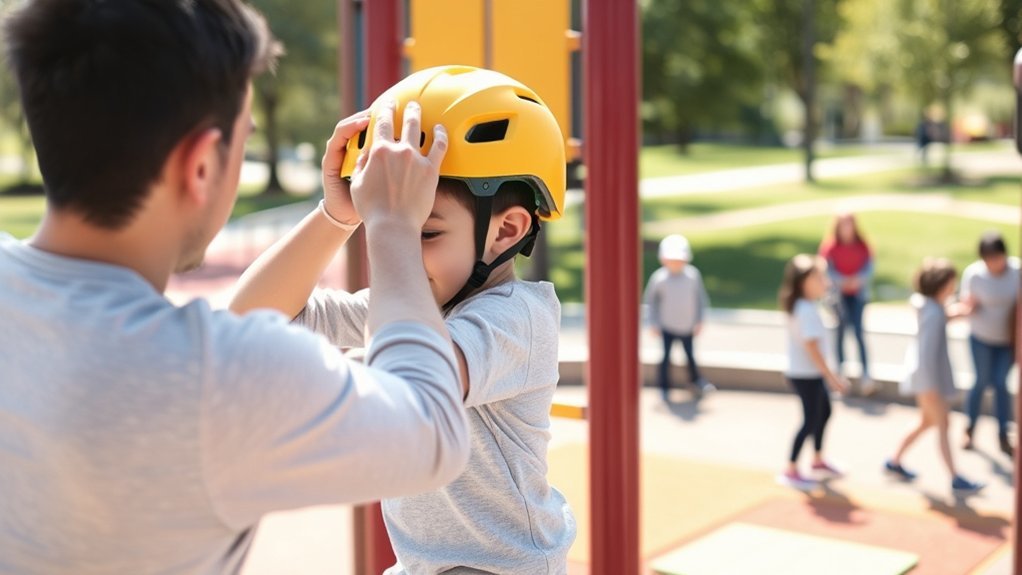
While outdoor adventure games offer tremendous developmental benefits, they simultaneously present physical risks that demand your careful attention and proactive management. Age-appropriate activities naturally reduce injury likelihood by matching physical challenges to children’s developmental capabilities.
Balancing adventure with safety requires matching physical challenges to developmental stages while maintaining vigilant risk management and emergency preparedness.
You’ll need to conduct thorough risk assessment before each activity, identifying potential hazards like uneven terrain, weather conditions, or equipment failures.
Consider these essential safety measures:
- Maintain accessible first aid supplies and ensure adult supervisors have current certification
- Establish clear boundaries and communication protocols for emergency situations
- Inspect equipment regularly for wear, damage, or age-related deterioration
- Adjust activity intensity based on participants’ fatigue levels and environmental factors
Proper preparation transforms potentially dangerous situations into manageable learning experiences where children develop resilience while remaining protected.
Building Confidence Without Overwhelming Young Adventurers
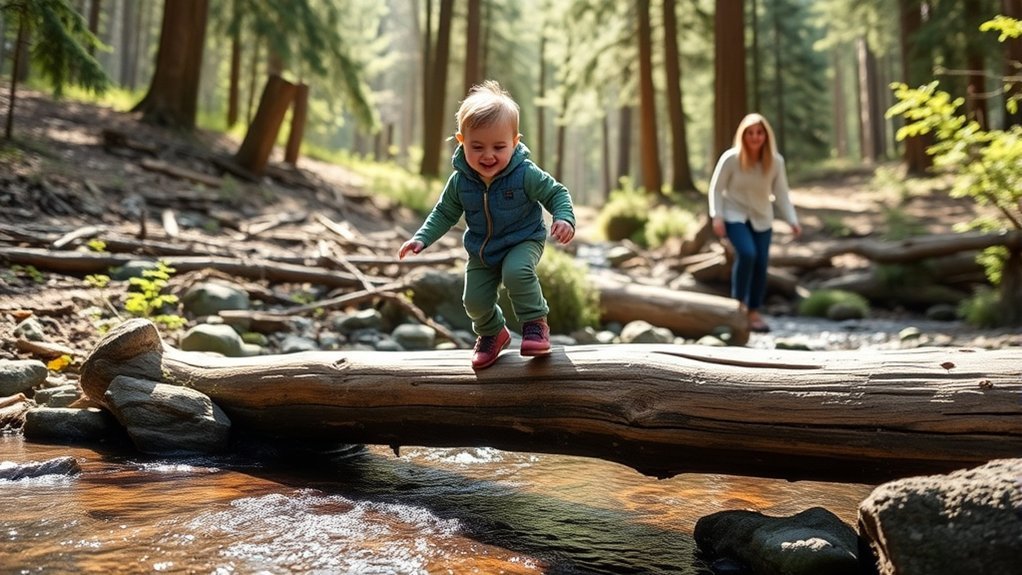
Because children’s confidence develops through accumulated small victories rather than overwhelming challenges, you’ll need to structure outdoor adventures with carefully graduated difficulty levels.
Start with manageable tasks that match your child’s current abilities, then incrementally increase complexity as they demonstrate adventure readiness.
Confidence building occurs when children master skills before advancing to harder challenges. If you introduce rock climbing, begin with low boulders before attempting walls.
For hiking, choose shorter trails initially, extending distance gradually as stamina improves.
Watch for signs of readiness: enthusiasm, successful completion of current activities, and requests for “harder” challenges.
When children struggle, scale back rather than push forward. This approach prevents discouragement while fostering genuine competence.
You’re creating capable outdoor enthusiasts, not testing their limits prematurely.
Encouraging Social Skills at Each Developmental Stage

Outdoor adventure games create natural opportunities for children to develop social skills alongside their peers, with different age groups requiring distinct approaches to maximize these interactions.
Age-specific social development strategies:
- Preschoolers (3-5): Focus on parallel play and simple turn-taking activities that introduce basic peer interactions through scavenger hunts and group obstacle courses.
- Early elementary (6-8): Emphasize cooperative challenges requiring teamwork and verbal communication skills, like building forts or navigating trail markers together.
- Pre-teens (9-12): Introduce problem-solving scenarios where they’ll negotiate roles, resolve conflicts, and practice leadership through orienteering or multi-stage adventure races.
- Teenagers (13+): Encourage complex group dynamics through extended expeditions that demand strategic planning and shared responsibility.
You’ll notice improved empathy, conflict resolution abilities, and collaborative thinking when children regularly engage in age-matched outdoor adventures.
Sustaining Engagement and Preventing Boredom

Even the most thrilling outdoor adventure loses its appeal when children encounter the same activities week after week.
You’ll need to rotate games and introduce fresh challenges that match your child’s evolving abilities. Age-appropriate activities naturally prevent boredom because they’re calibrated to your child’s current developmental stage, offering neither frustration nor underwhelming simplicity.
Interactive learning keeps children engaged by transforming physical play into discovery opportunities. A scavenger hunt becomes more complex as kids mature, progressing from finding colored objects to solving riddles about nature.
Creative play emerges when you provide open-ended outdoor adventures.
You’re giving children ownership over their experiences, allowing them to modify rules and invent variations. This autonomy sustains interest far longer than rigid, unchanging games ever could, ensuring outdoor time remains genuinely exciting.
Fostering Long-Term Interest in Outdoor Exploration
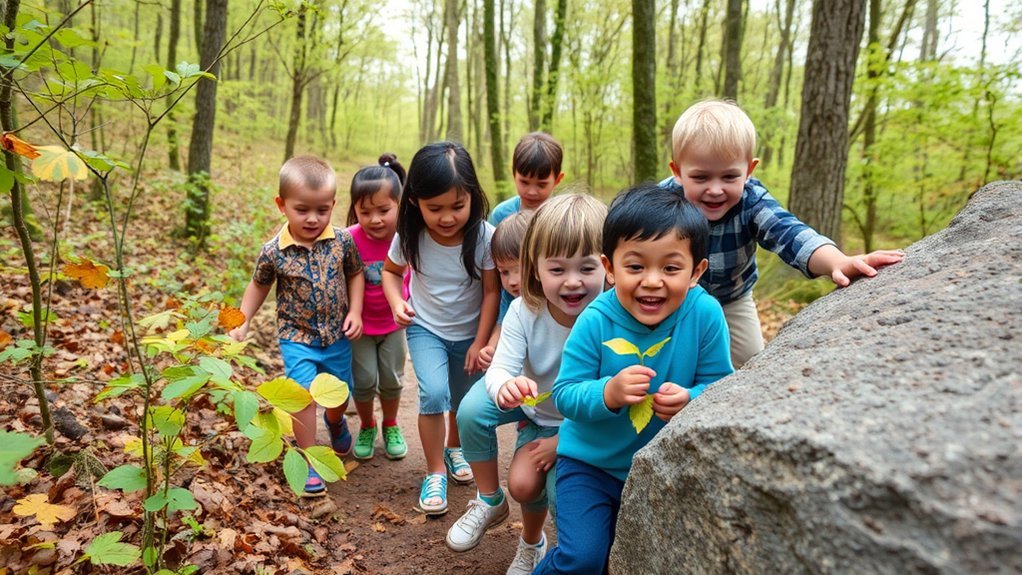
When children connect outdoor adventures to their personal interests and curiosities, they’ll naturally seek these experiences throughout their lives. Age-appropriate games create positive associations with nature that transform into lifelong curiosity and ongoing exploration habits.
Children who discover nature through their own interests don’t just play outside—they build a lifelong relationship with the natural world.
You’re building more than temporary entertainment—you’re establishing patterns that shape how children view the natural world.
Consider these approaches:
- Progress through skill levels – Start with simple scavenger hunts, advance to orienteering challenges, then wilderness navigation
- Document discoveries – Encourage nature journals, photography projects, or collections that track their growing nature appreciation
- Connect to broader interests – Link outdoor activities to art, science, storytelling, or physical challenges
- Celebrate milestones – Recognize achievements like identifying plant species or completing trail distances
These strategies ensure outdoor exploration becomes a cherished, self-motivated pursuit.
In case you were wondering
What Are the Best Outdoor Adventure Games for Rainy Weather Conditions?
You’ll love puddle jumping, rain painting, and mud kitchen activities as rainy day games. Always prioritize outdoor safety by wearing waterproof gear, checking for lightning, and avoiding slippery surfaces. These adventures keep you active while embracing wet conditions safely.
How Much Should Quality Outdoor Adventure Equipment Typically Cost for Children?
You’ll typically spend $50-200 for quality children’s outdoor adventure equipment. Budget considerations should prioritize equipment durability over cheap options. Investing in well-made gear ensures safety and longevity, ultimately saving you money through years of active play.
Can Outdoor Adventure Games Help Children With Special Needs or Disabilities?
Yes, you’ll find outdoor adventure games incredibly beneficial for children with special needs. Adaptive games and sensory activities promote physical development, social skills, and confidence while accommodating various abilities through modified equipment and inclusive play structures.
What Certifications Should Outdoor Adventure Program Instructors or Leaders Have?
You’ll want instructors with wilderness first aid, CPR certification, and activity-specific credentials like ropes course or lifeguard certifications. Instructor qualifications should include risk management training, while certification requirements vary by activity type and local regulations governing outdoor programs.
How Do Cultural Differences Influence Outdoor Adventure Game Preferences for Children?
Like telegraph operators choosing their tools, you’ll notice cultural influences shape children’s game preferences dramatically. Your community’s values, traditions, and environmental connections directly impact which outdoor adventures resonate most, from competitive sports to collaborative nature exploration.
Conclusion
You’ll transform your child’s outdoor experience from mundane to magical when you select age-appropriate adventure games. By matching activities to their developmental stage, you’re not just planning fun—you’re building confident explorers who’ll conquer mountains (figuratively and literally). You’re preventing injuries, nurturing social skills, and igniting a lifelong passion for nature. Don’t settle for activities that’ll bore or overwhelm them. Choose wisely, and you’ll create adventurers who can’t wait to explore the great outdoors.