Why Do Zip Lines Have Age Limits?
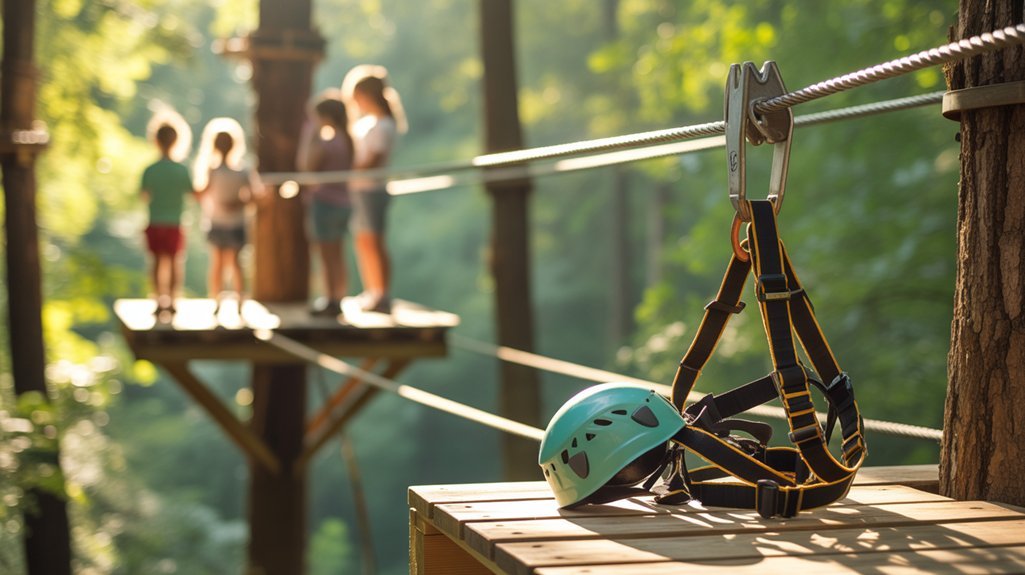
Zip lines have age limits because you need specific physical strength to maintain body control, cognitive development to understand complex safety instructions, and emotional maturity to manage fear during descent. Young children typically lack the muscle development for gripping harnesses, can’t consistently process multi-step safety procedures while suspended mid-air, and may panic under stress. Equipment is also designed for particular weight ranges and body sizes to ensure braking systems work properly. These restrictions exist to protect you and align with industry standards developed through years of operational experience and incident data.
Key Takeaways
- Young children lack the physical strength and body control needed to maintain proper position and grip during launch, flight, and landing.
- Cognitive development around ages 7-10 enables understanding of complex safety instructions and quick decision-making during emergencies.
- Equipment is designed for specific weight ranges; children below minimum thresholds may not engage braking mechanisms or fit harnesses properly.
- Emotional maturity is essential for managing fear and avoiding panic that could cause dangerous movements or failure to follow safety protocols.
- Insurance requirements and industry standards mandate age limits based on accident data and developmental research to reduce liability risks.
Physical Strength and Body Control Requirements

While zip lining might look effortless from the ground, it demands significant physical capabilities that young children often haven’t developed yet.
You’ll need adequate core strength to maintain proper body position throughout your ride, preventing dangerous spinning or flipping mid-flight. Without sufficient muscle development, you can’t control your body’s orientation on the line.
Your upper body strength matters too, especially during launch and landing phases. You’ll grip the harness or handles while supporting your weight, which requires muscular endurance many young children lack.
Balance training also plays a crucial role, as you must stabilize yourself when mounting the platform and preparing for takeoff.
These physical requirements aren’t arbitrary—they’re essential safety measures ensuring you can handle the experience without injury.
Cognitive Development and Instruction Comprehension

Beyond physical capabilities, your child’s mental development determines whether they can safely navigate a zip line course. Zip lining requires specific cognitive skills that younger children haven’t fully developed. Your child must understand and retain multi-step safety instructions, recognize emergency signals, and make quick decisions during their descent.
Instruction retention becomes critical when they’re suspended mid-air. They need to remember proper body positioning, braking techniques, and landing procedures without immediate guidance. Younger children often struggle to recall these details under the excitement and mild stress of zip lining.
Mid-air instruction retention separates capable zip liners from struggling ones—excitement and stress quickly erase safety procedures from young minds.
Operators set age limits because children below certain ages can’t consistently process complex safety information. Your child must comprehend consequences, follow sequential commands, and communicate problems effectively.
These cognitive abilities typically mature around ages 7-10, which explains most facilities’ minimum age requirements.
Weight and Size Restrictions for Equipment Safety
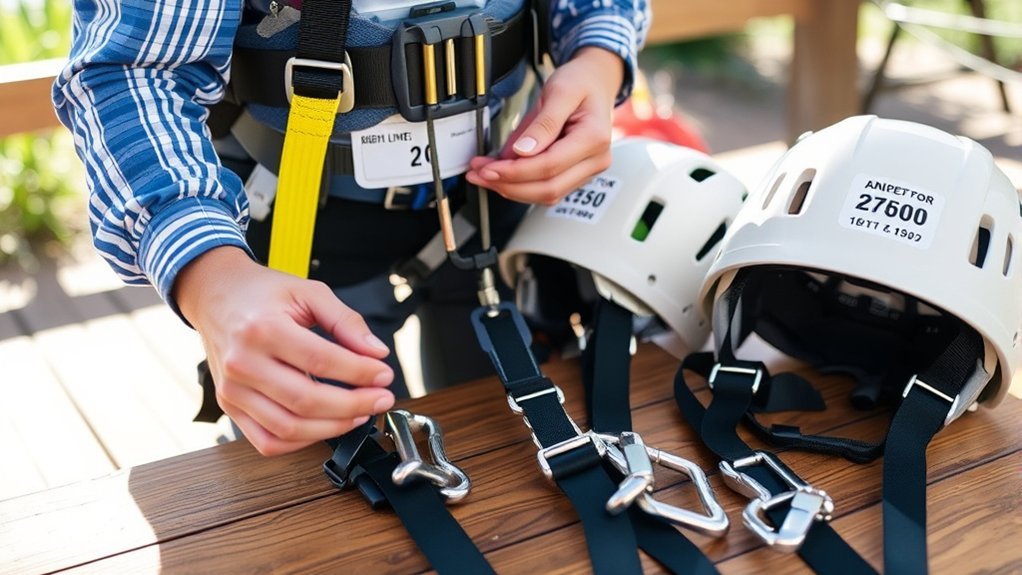
Zip line harnesses and equipment design function correctly only within specific weight ranges, directly impacting your child’s safety.
Manufacturers engineer components like harnesses, carabiners, and braking systems for specific load capacities. If your child falls below the minimum weight threshold, the automatic braking mechanism won’t engage properly, potentially causing dangerous runaway speeds.
Conversely, exceeding maximum weight limits stresses equipment beyond safe parameters, risking failure. Weight distribution also matters significantly. Smaller children can slip through harnesses designed for larger bodies, even when straps are tightened completely. The gear simply wasn’t built to secure their frame adequately.
Equipment design standards exist for good reason. They’re based on extensive testing and engineering calculations. Ignoring these specifications compromises the entire safety system, putting your child at unnecessary risk during what should be a thrilling but secure experience.
Emotional Maturity and Fear Management

Understanding your child’s emotional readiness matters just as much as meeting physical requirements. Zip lining triggers intense fear responses in many participants, especially when they’re suspended high above the ground.
Younger children often lack the emotional resilience needed to manage these overwhelming feelings effectively. Age restrictions help ensure participants can follow safety instructions even when frightened. A child who panics mid-ride might make dangerous movements or refuse to release the brake at the landing platform.
They need sufficient emotional maturity to trust the equipment and listen to guides despite their anxiety. Operators set minimum ages based on typical developmental milestones for fear management.
While some younger children might handle the experience well, age limits protect those who aren’t ready from potentially traumatic situations that could create lasting anxieties.
Hand Grip Strength and Endurance Capabilities

Most zip line courses require participants to maintain a firm grip on safety handles or the trolley system for extended periods—sometimes several minutes per ride.
Your hand strength directly impacts your ability to control your position and respond to instructions mid-flight. Children under certain ages haven’t developed adequate grip endurance to sustain this hold throughout longer courses, especially when fatigue sets in.
If you’re unable to maintain your grip, you risk improper body positioning, which can lead to dangerous landings or collisions with platforms.
Operators set age minimums based on typical developmental milestones for hand strength. They’ve determined when most children can safely maintain the necessary grip throughout multiple consecutive runs without muscular failure compromising their safety or enjoyment.
Liability Insurance and Legal Compliance Standards
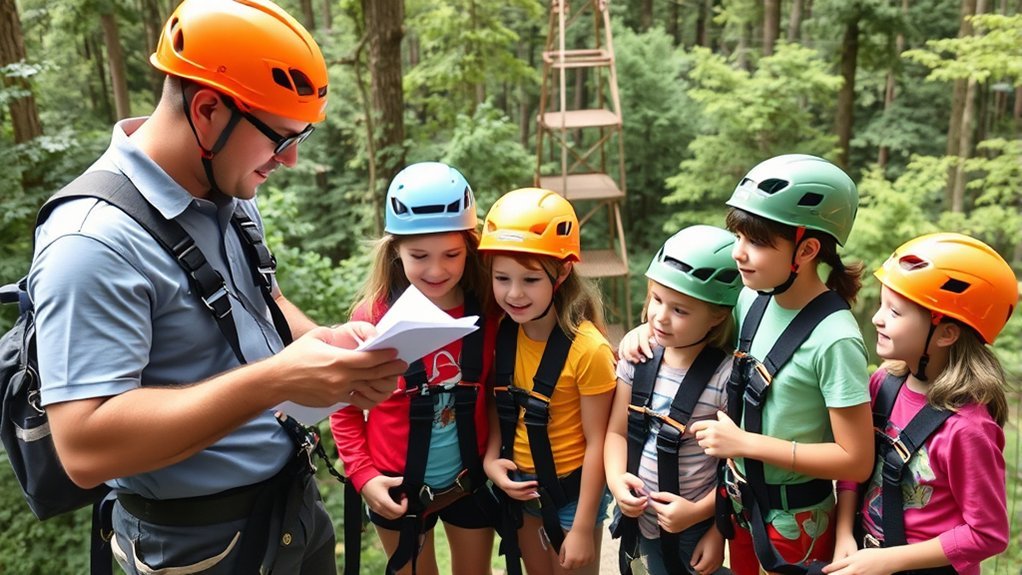
Beyond the physical safety considerations, zip line operators must navigate a complex framework of insurance requirements and legal regulations that heavily influence their age restrictions.
Your adventure park’s liability coverage often dictates minimum age requirements, as insurers assess risk based on participants’ developmental maturity and decision-making capabilities. Insurance companies typically demand stricter protocols for younger riders, directly impacting operational costs and feasibility.
Insurance providers evaluate participant age as a key factor in determining coverage terms and premium rates for zip line operations.
Operators face significant legal responsibilities when accidents occur, making age limits a critical risk management tool.
You’ll find that most facilities establish age thresholds based on industry standards, state regulations, and their insurance provider’s stipulations. These requirements protect both you and the business from potential litigation.
Courts generally uphold reasonable age restrictions as prudent safety measures, recognizing that operators must balance accessibility with their duty of care obligations.
Emergency Response and Self-Rescue Abilities

When emergencies strike on a zip line course, participants must possess the cognitive ability and physical strength to follow rescue protocols or assist in their own extraction.
Younger children often lack the mental maturity to remain calm during stressful situations, making emergency preparedness training less effective for them. They may panic when stuck mid-line or struggle to understand complex verbal instructions from guides.
Self rescue techniques require specific physical capabilities, including upper body strength to pull oneself along the cable and core stability to maintain proper positioning.
Children under certain ages simply don’t have the muscular development needed for these maneuvers. Additionally, they may not grasp safety concepts like maintaining three points of contact or properly engaging backup systems.
Age restrictions ensure participants can actively contribute to their own safety when standard operations fail.
Attention Span and Focus During Safety Briefings

Safety briefings form the foundation of every zip line experience, yet their effectiveness depends entirely on participants’ ability to absorb and retain critical information.
Younger children often lack the attention span necessary to focus during these crucial safety briefings, which typically last 15-20 minutes and cover essential techniques like braking, body positioning, and emergency procedures.
You’ll notice that operators set age minimums because they need participants who can maintain concentration throughout detailed instructions. A distracted child might miss critical details about hand placement or landing protocols, creating serious safety risks.
Adults can process complex safety information, ask clarifying questions, and remember multiple steps simultaneously. Children under certain ages may struggle with this cognitive demand, regardless of their physical capabilities.
This developmental consideration protects everyone on the course by ensuring all participants truly understand the safety protocols.
Industry Safety Standards and Best Practices
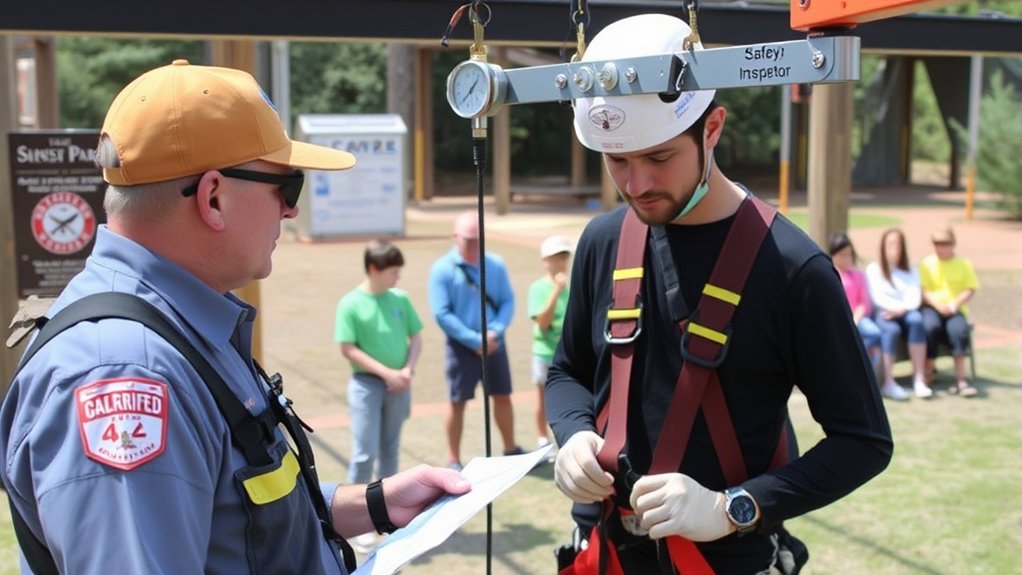
Professional zip line operators follow rigorous standards established by organizations like the Association for Challenge Course Technology (ACCT) and the American Society for Testing and Materials (ASTM).
These industry regulations mandate specific age restrictions based on extensive research and accident data analysis.
You’ll find that certified operators must adhere to strict safety protocols covering equipment specifications, weight requirements, and participant capabilities.
These standards aren’t arbitrary—they’re developed through years of operational experience and incident review.
The industry regularly updates its guidelines to reflect new safety findings.
Operators who maintain ACCT or ASTM certification undergo regular inspections and training updates.
When you see age limits posted, they’re backed by professional consensus about what’s genuinely safe.
These best practices protect both participants and operators from preventable accidents.
In case you were wondering
What Happens if a Child Lies About Their Age to Ride?
If you lie about your child’s age, they’ll face serious safety risks from improperly fitted equipment and physical demands beyond their capabilities. You’ll also create liability issues for operators and potentially void insurance coverage if accidents occur.
Do Age Limits Vary Between Indoor and Outdoor Zip Line Courses?
Yes, age limits differ significantly. Indoor courses typically allow children as young as 4-5 years old due to controlled indoor safety features. However, outdoor experience venues often require participants to be 7-10+ years old because of challenging terrain and environmental factors.
Can Parents Ride Tandem With Children Below the Age Requirement?
Most zip line operators don’t allow tandem rides due to safety concerns and tandem restrictions. You’ll find that harness systems aren’t designed for two riders, and combined weight can exceed line capacity, creating dangerous situations for both participants.
Are Age Limits Different in Other Countries for Zip Lining?
Yes, you’ll find zip line regulations vary significantly between countries since there aren’t universal international standards. Each nation sets its own safety requirements, so age limits differ based on local laws and industry practices worldwide.
How Often Do Zip Line Operators Review and Update Age Restrictions?
Imagine soaring versus grounded waiting—operators typically review age restrictions annually or when incidents occur. You’ll find they conduct safety assessments and align with evolving industry standards, ensuring their policies protect young adventurers while maximizing participation opportunities.
Conclusion
You’ll find that zip line age limits exist for good reason—they’re designed to keep you safe and ensure you’ll have an amazing experience. Remember, “better safe than sorry” applies perfectly here. These restrictions aren’t meant to spoil your fun; they’re protecting you based on physical capabilities, cognitive development, and safety standards. When you meet the requirements, you’ll be ready to soar through the treetops with confidence and security.