Why Your Kid’s Messy Valentine Cards Are Actually Perfect (Stop Stressing, Mama!)
Your kid’s chaotic, glitter-bomb Valentine cards are not a sign you’re failing—they’re a sign your kid’s brain is ON FIRE in the best way. That crooked heart? Confidence. The misspelled “I LUV YOU”? Risk-taking. The seven pounds of glue? Problem-solving and patience (kind of). Messy art helps kids express feelings, build real friendships, and trust their own ideas—not some Pinterest template. If you’re ready to stop stressing and actually enjoy this sticky, sparkly madness, you’re in the right place.
Key Takeaways
- Messy Valentine cards build your child’s problem-solving, patience, and emotional skills far more than any pre-packaged “Pinterest-perfect” craft.
- Wild, uneven designs are your child’s unique ideas on paper, proving they can explore without fear of being wrong.
- Lopsided hearts and funny spelling actually boost confidence by showing kids their independent work is valued, not judged.
- Handmade, imperfect cards deepen real friendships through effort, inside jokes, and personal touches that store-bought cards can’t match.
- When you step back and let them lead, the messy results show growing independence, creativity, and ownership of their project.
The Myth of the Picture-Perfect Valentine
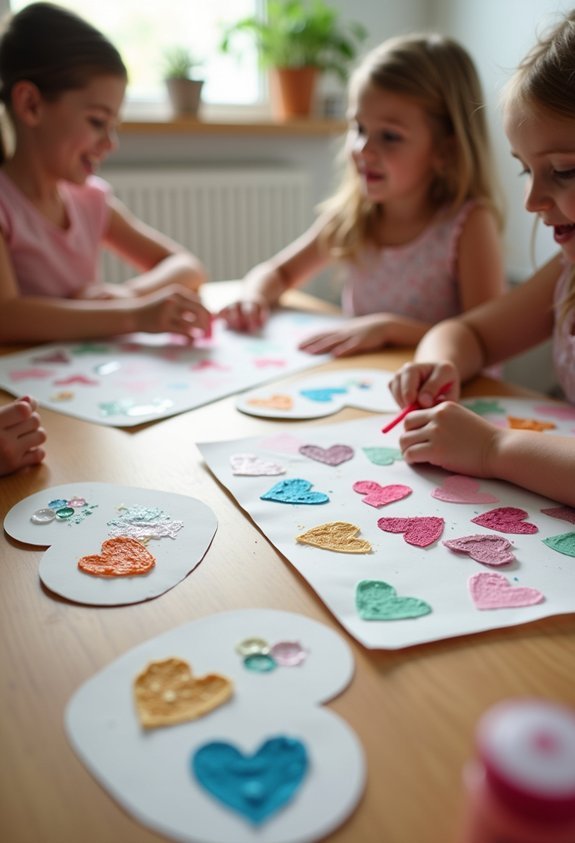
Even though Instagram makes it look like every kid is handcrafting museum-level Valentines with zero glitter on the floor, you and I both know that’s a lie.
But that doesn’t stop those picture perfect expectations from marching into your brain with a clipboard, judging everything. You start thinking the card has to match the class theme, the teacher’s vibe, and the PTA’s secret rubric.
Suddenly you’re Googling “aesthetic Valentines for kids” like you’re planning a royal wedding, not passing out paper hearts in a sticky classroom.
Here’s the truth: your kid’s wild creative expression isn’t a problem to fix; it’s the whole point. Glue clumps, crooked stickers, weird drawings of space unicorns—that’s not failure; that’s your child saying, “This is me.”
And that’s beautiful.
What “Messy” Art Really Teaches Your Child
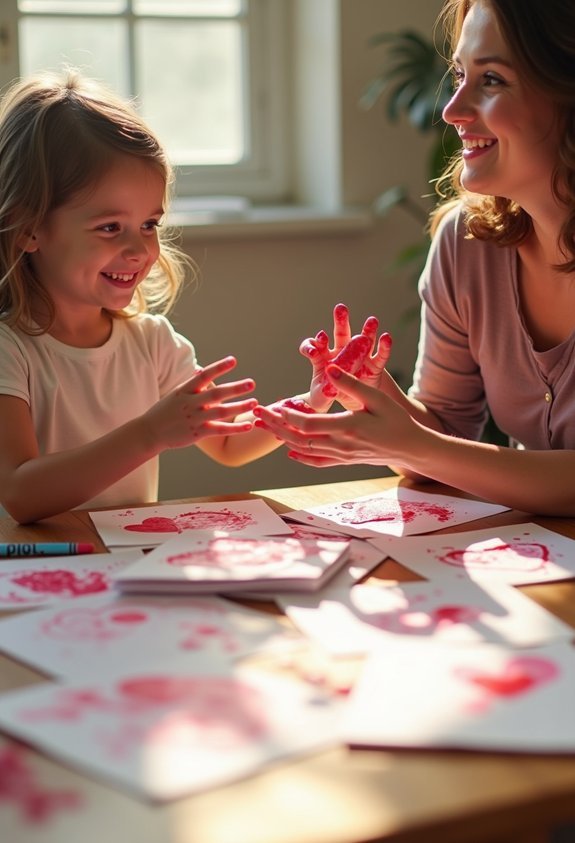
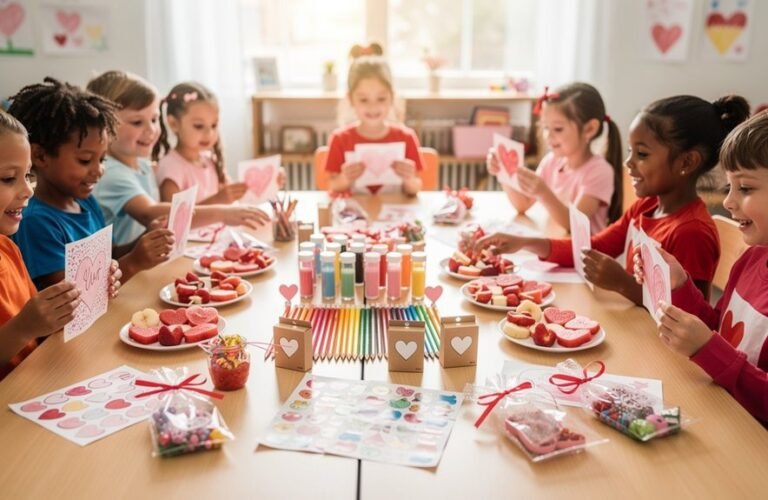
When your kid’s Valentine looks like a glue stick exploded on it, it’s not just “mess”; it’s a training ground for their brain, heart, and backbone. You’re watching creative expression in the wild. They’re testing ideas, mixing too much glitter, cutting hearts that look like potatoes, and learning, “Hey, I can make something my way.”
That sloppy card is your child thinking with their hands.
Every lopsided heart and glue glob is your child’s ideas turning into something real
Messy art also works overtime on emotional development. Kids pour feelings into paper squares. They choose colors, words, and doodles to say, “I care about you,” when talking is hard.
- They practice problem-solving when pieces rip or glue fails.
- They learn patience while waiting for paint to dry.
- They explore taste without fear of being “wrong.”
Building Confidence One Crooked Heart at a Time
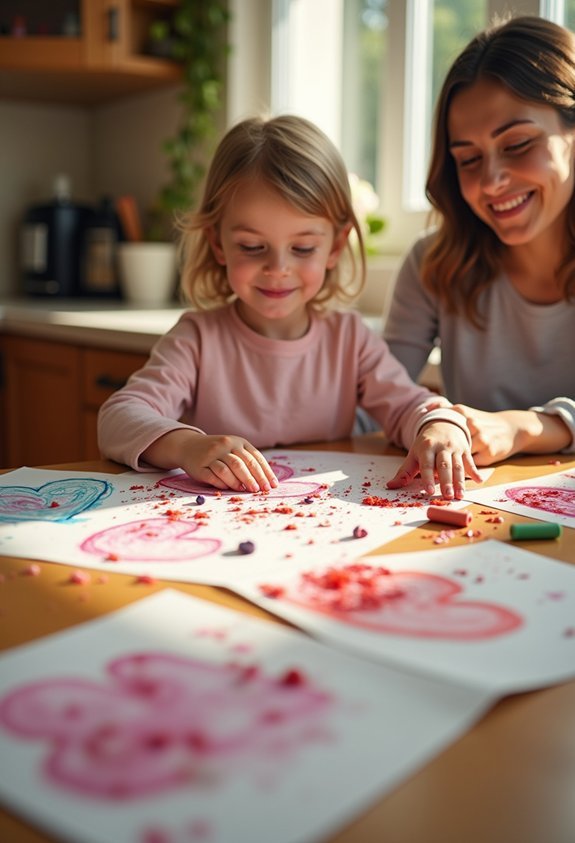
One lopsided paper heart can do more for your kid’s confidence than a hundred “Good jobs!” from adults.
When you back off and let them glue googly eyes on a heart “because it’s a monster in love,” you send a loud message: your ideas matter.
That messy card becomes proof they can try, decide, and finish something all by themselves.
That’s self expression exploration in real life, not some fancy workshop. You’re giving them safe practice at risk-taking: choosing weird colors, drawing tiny comics, spelling “Valentime” wrong and surviving.
That’s creativity cultivation, confidence style.
Next time you want to “fix” the card, pause. Smile, hand over more glitter, and think, “We’re building a brave little human here.”
That glow on their face? Pure gold.
How DIY Cards Strengthen Real Friendships

Those messy cards deepen friendship bonds because they show real thought, not just a name scribbled on a store pack.
Kids notice who actually made something just for them.
- Your kid chooses who gets which card, so each friend feels a little extra seen.
- Their wild creative expression becomes an inside joke that only real friends “get.”
- Friends often keep homemade cards longer, because they feel special.
The Hidden Skills Behind Glue, Glitter, and Chaos
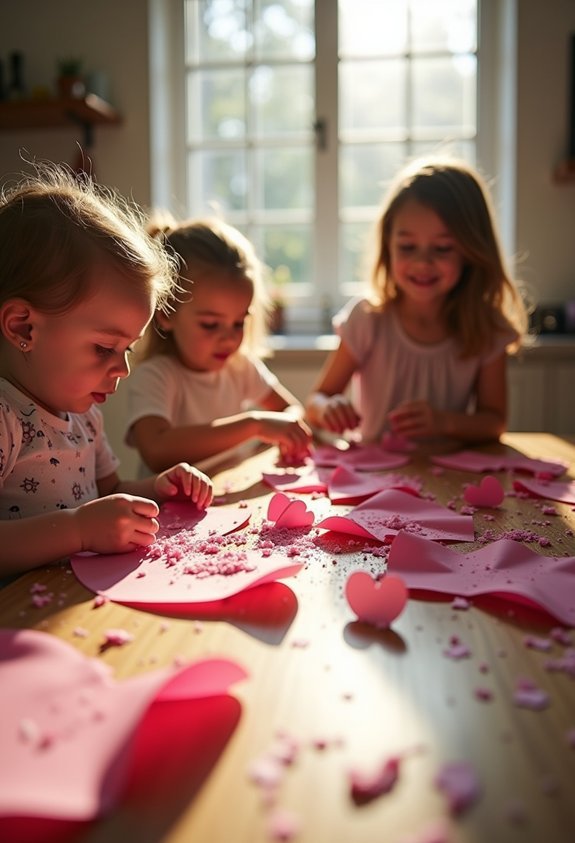
Under all that glue, glitter, and “how did this even get sticky over HERE,” your kid’s actually building some serious life skills.
When they squeeze the glue bottle, peel stickers, and try to cut that crooked heart, they’re getting a huge fine motor skills workout. That shaky scissor line? It’s basically finger push-ups.
And the chaos? That’s a creativity boost in action. Your kid’s learning to make choices: this color, that sticker, three random pom-poms in the corner for reasons unknown.
They test ideas, see what works, and fix what doesn’t. That’s problem-solving, not just mess.
You see scribbles. Their brain sees, “What happens if I mix ALL the glitter?”
Wild, yes. But also brave, curious learning. Every speck of glitter builds their confidence.
Letting Go of Pinterest Pressure (For Real This Time)
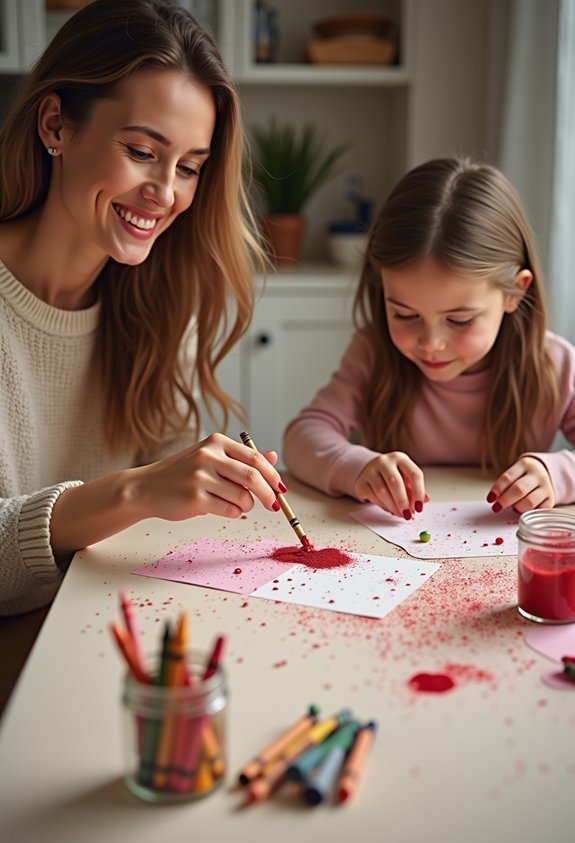
At some point, Valentine’s Day crafts turned into a silent mom competition, and honestly, we’d like a refund.
Somewhere along the way, kid crafts became performance art—and moms didn’t sign up for that.
You scroll Pinterest, see those perfect hearts, and suddenly your kid’s glue blobs feel like a crime. But here’s the truth: those boards aren’t real life. They’re photo shoots with children briefly allowed on set.
When you ditch that comparison game, you give your kid creative freedom and you get a pressure release.
Real wins look more like this:
- You send in lopsided cards, no matching fonts, and still sleep just fine.
- Your kid beams, because it’s their work, not your resume.
- You have time for snacks, not nervous breakdowns over crooked stickers.
Honestly, that’s the kind of Valentine everyone remembers long after the glitter dries.
Simple Ways to Support Without Taking Over
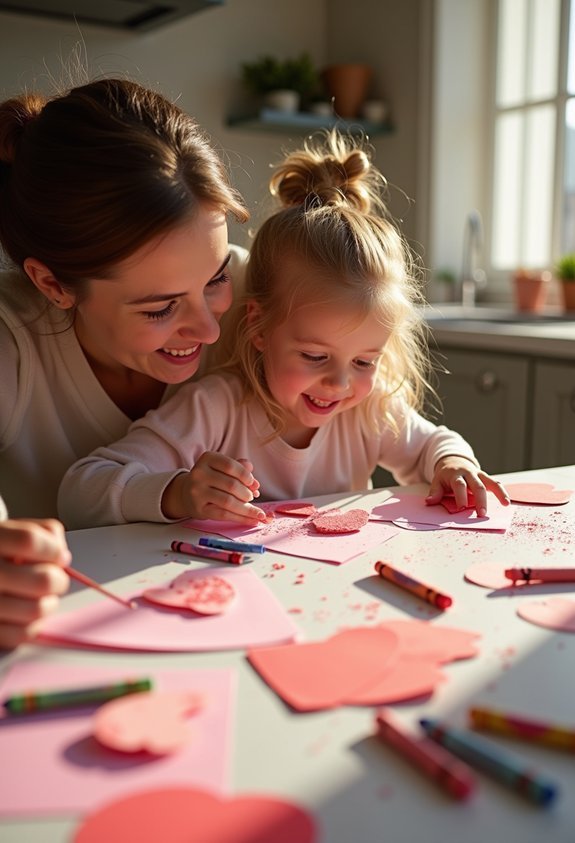
Even when you swear you’re “just helping,” it’s so easy to slide right into Project Manager Mode and suddenly you’re the one doing the Valentine cards while your kid is…holding a marker cap.
The trick is to set things up, then back off. You can pour the glitter, tape down newspaper, and say, “Here are stickers, stamps, markers—go wild.”
Offer choices, not orders. Ask, “Do you want hearts or stars?” instead of “Let’s put a heart here.” When you do that, their creative expression actually shows up.
You’re not chasing perfect; you’re building emotional connection. Sit nearby, comment on their ideas, laugh at the chaos, and let the cards look like pure kindergarten modern art.
That mess? It’s proof they owned the whole thing.
When to Step In—and When to Step Back
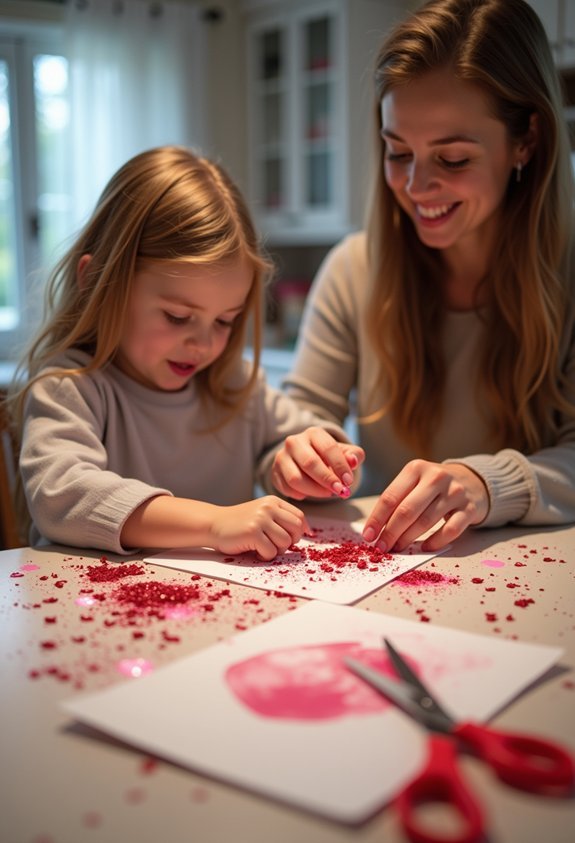
You’ve set out the glitter, backed off (mostly), and now your kid is going full raccoon in a craft bin…so when do you jump in, and when do you just smile and let the chaos happen?
First, check the basics: is anyone bleeding, eating glue, or decorating the dog? No? Then you don’t need to rescue the project. Mess is where creative independence grows.
Still, you’re not a background extra. Step in when your kid:
- looks truly stuck and whispers, “I can’t.”
- uses the card to dump big feelings, like anger or worry.
- starts melting down over mistakes or torn paper.
Then you coach, not control. Ask, “What are you trying to say?” That protects emotional expression and keeps ownership theirs.
In case you were wondering
How Can I Manage Glitter and Craft Mess Without Losing My Mind?
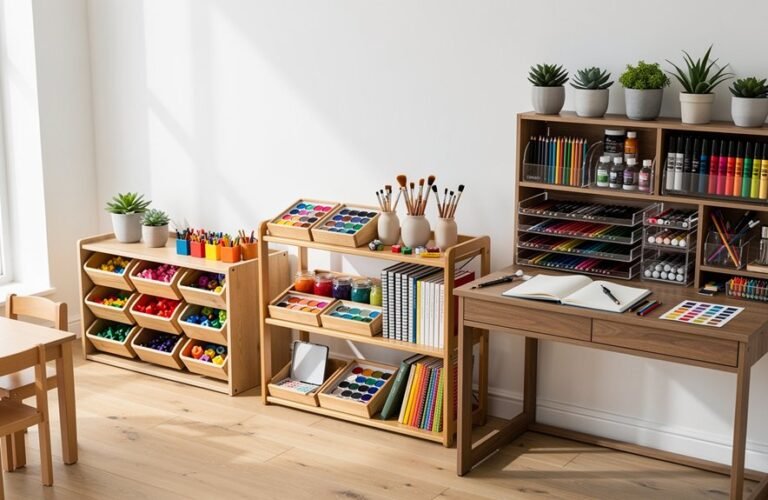
You manage glitter and craft mess by setting zones, using trays, and enforcing cleanup rituals. Store supplies in clear bins, label for craft organization, and simplify glitter management with bottles, damp cloths, and a vacuum.
What if My Child Refuses to Participate in Making Valentine Cards?
If your child refuses, you accept their choice, explore your child’s preferences, and offer creative alternatives like drawing, dictating messages, or choosing store-bought cards, so they still feel involved, respected, and connected to the celebration.
How Many Cards Should My Kid Realistically Make for Classmates and Friends?
Aim for one card per classmate, plus a tiny constellation of two to four for close friends; you’ll set realistic expectations, respect classroom dynamics, and keep your child’s energy, joy, and attention from burning out.
Are There Low-Cost Alternatives When Craft Supplies Are Outside Our Budget?
You’ve got plenty of low-cost options: reuse cereal boxes, junk mail, paper bags, and magazines. Explore DIY Crafting Ideas like potato stamps, crayon shavings, and hand-drawn coupons; they transform Low Cost Supplies into heartfelt cards.
How Do I Handle Food Allergies or Sensitivities With Treat-Attached Valentines?
You start by asking families about allergies, then choose labeled, allergy friendly treats or non-food goodies. You can also plan safe ingredient swaps, attach ingredient lists, and teach your kid to celebrate classmates’ needs kindly.
Conclusion
So next time your kid hands you a crumpled card with seven stickers on one corner and glue everywhere, don’t fix it—hug it. This is their heart on paper, not a craft contest. Let the other moms chase perfect; you can sit back and enjoy the beautiful chaos. When glitter hits the fan, smile. You’re raising a brave, kind, creative human—and that beats straight lines any day.