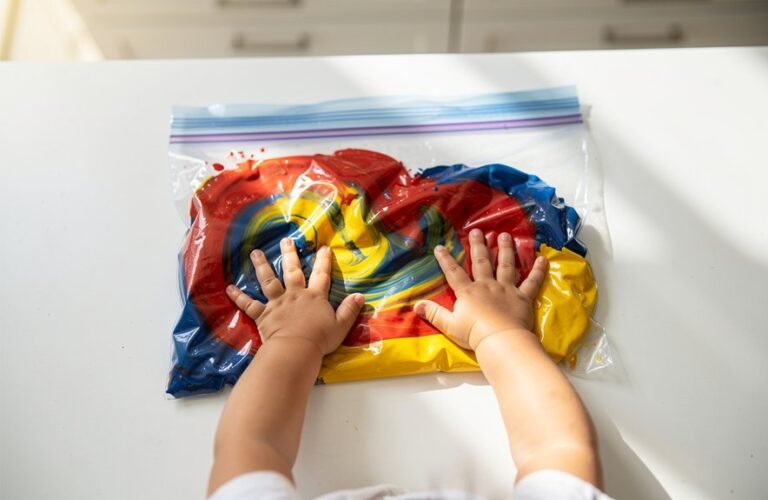
Messy Play, Noise, Chaos¦ Why Young Kids Get Into Trouble When Left Alone (And How to Change That)
Your kid isn’t plotting chaos; their brain’s just screaming, “SCIENCE!” You leave for two seconds, they’re shampooing the cat and feeding Play-Doh to the vents. Young kids can’t self-regulate yet, so silence usually means “I found an experiment nobody approved.” They’re bored, curious, and testing textures, sounds, and your sanity. You can hack this by changing the setup, your supervision style, and the kinds of “yes” activities you offer—which is exactly what we’ll get into next.
Key Takeaways
- Young kids’ “trouble” is often sensory exploration and emotional processing, not defiance; they’re testing gravity, textures, sounds, and reactions.
- Quiet, unsupervised moments are risky because toddlers lack impulse control and self-regulation, leading to messes, climbing, and unsafe experiments.
- Chaotic, noisy play meets deep developmental and sensory needs, so completely shutting it down can increase frustration and later misbehavior.
- Adjusting the environment—fewer toys, clear zones, childproofing, and ready-to-grab messy play options—channels chaos into safer, more focused play.
- “Lifeguard-style” supervision, clear boundaries, simple routines, and playful reminders reduce chaos while still allowing exploration and independence.
Understanding What “Chaos” Really Means in Early Childhood

Even though it feels like your house is being slowly destroyed by a tiny raccoon in Paw Patrol pajamas, what you’re really seeing is normal early childhood “chaos.”
Your toddler isn’t wrecking your life, they’re just conducting high-speed, zero-planning experiments on everything.
When your kid dumps the toy bin, climbs the couch, pokes the dog, and then paints the wall with yogurt, it’s not random evil. It’s a live demonstration of the chaos definition in action: fast change, big feelings, zero planning.
In childhood development, chaos basically means their brain wants to explore way faster than their self-control can keep up. You’re watching them test gravity, textures, sounds, and your last nerve.
None of this means you’re raising a future criminal. It means the safety system in their brain is still loading. Your job is guiding the madness.
Why Quiet Often Equals Trouble: How Young Kids Self-Occupy
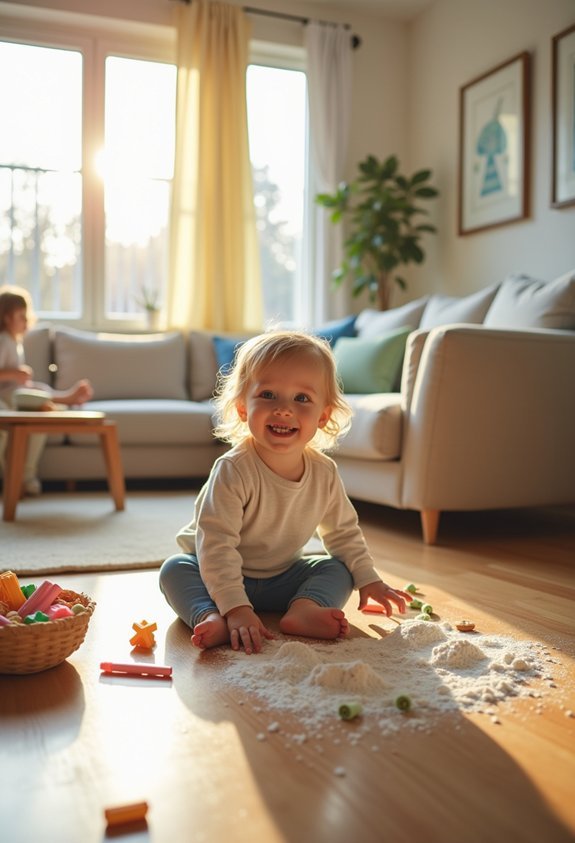
The second your house goes quiet, your soul leaves your body for a minute, right? That silence isn’t peace; it’s a crime scene loading screen.
Young kids don’t have grown-up self regulation strategies yet, so when they self-occupy, they follow curiosity, not safety. Quiet play can mean Lego towers… or lip gloss on the dog.
- They explore textures: lotion, flour, soap, anything you forgot to move.
- They test power: “What happens if I pour this in the heater vent?”
- They chase big reactions: your shocked face is their Super Bowl.
- They DIY entertainment when bored, because their impulse control is still under construction.
The Hidden Needs Behind Messy, Noisy, Wild Behavior

When your kid is body-slamming the couch cushions, screeching like a pterodactyl, and dumping toys like it’s their job, it looks like pure chaos—but underneath, something real is going on.
The couch isn’t under attack—your kid’s using chaos to process big feelings and overflowing body energy.
They’re not plotting your downfall; they’re trying to handle big feelings and body energy with messy exploration and wild creativity. That’s noise expression and spontaneous play doing their job, not “bad” behavior.
Your child crashes, bangs, and yells to meet deep sensory needs and push through new developmental stages. When life feels confusing, chaos becomes emotional release.
You still need boundaries, of course, but you also need better chaos management: seeing the need under the mess so you guide instead of just freaking out. That shift alone makes everything calmer for both of you.
Environment Traps: How Your Home Setup Sets Kids Up to Fail
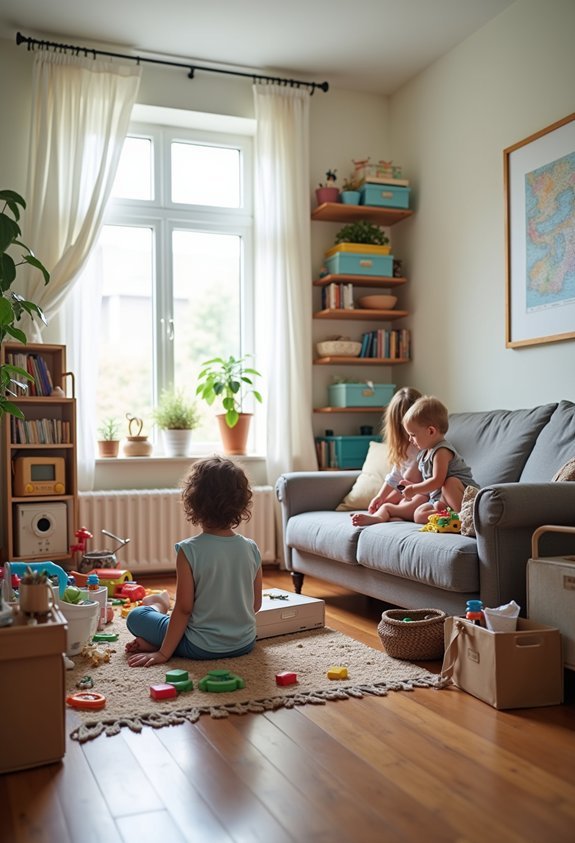
Chaos isn’t just living inside your kid; sometimes your house is low‑key training them to go feral.
When toys explode from every basket, kids don’t see playful spaces; they see “touch everything now before it disappears.”
Without clear sensory zones and creative corners, the couch becomes a trampoline and the wall turns into an art project.
- Too many toys, zero clutter management: kids bounce fast, never go deep.
- No safety measures: climbable shelves scream “mountain adventure.”
- Boring rooms, no engaging setups or interactive areas: trouble becomes the entertainment.
- Hallways of organized chaos: you think it’s fine; your kid sees an obstacle course.
Shift the setup, and you’ll shift the behavior—without nagging every three seconds and the whole house feels calmer.
Supervision That Works: Being Present Without Hovering
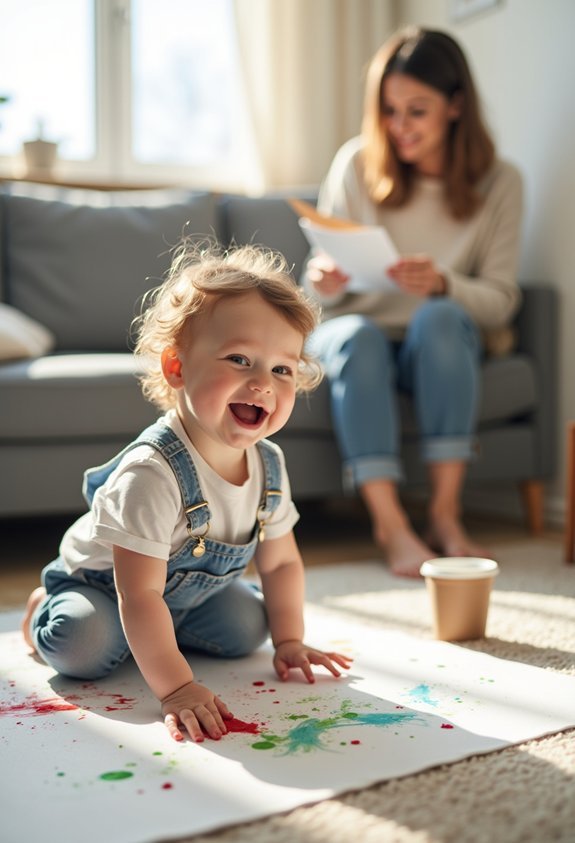
Even though you’d love to just “set it and forget it” with your kid, supervision with little humans is more like lifeguarding at a pool full of tiny drunk acrobats.
Parenting isn’t cruise control; it’s lifeguarding a pool of wobbly, impulsive, tiny stunt performers.
You don’t need to hover two inches from their face, narrating every move. You do need active engagement at key moments and mindful observation in the background.
Think: you’re on the couch, phone down, eyes up. You glance over often, comment sometimes, step in when things start getting too wild.
“Paint stays on the paper, not the dog, buddy.” Then you back off again.
Your presence works like a seatbelt: most of the time it just sits there, but when chaos hits, it locks in fast. Kids feel safer, and you stop playing fireman.
Simple Tweaks to Turn Destructive Moments Into Constructive Play
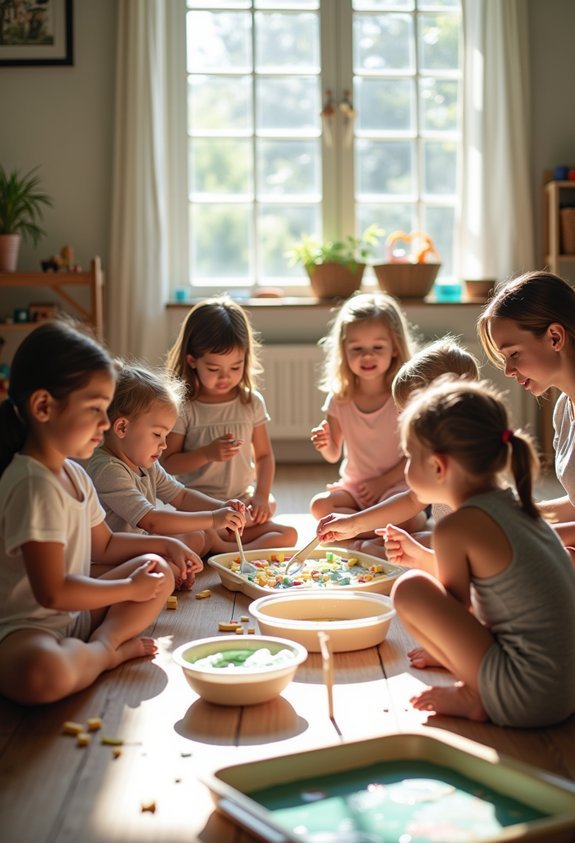
Sometimes it feels like your kid wakes up and thinks, “How can I destroy this house before lunch?”
Marker on the wall, water poured on the floor “to make a lake,” toy cars launched off the bookshelf like it’s the Indy 500.
Instead of yelling, you can flip those chaos bombs into creative alternatives.
- Hand them a spray bottle and rag: “You’re the cleanup crew captain. Go rescue the table.”
- Turn water obsession into sink play with cups, spoons, and a towel safety zone.
- Swap wall art for a giant box or paper roll they can attack with markers.
- When you sense mayhem brewing, jump in with engaging distractions like building a “car wash” ramp or pillow crash track.
You stay sane; they learn.
Teaching Boundaries, Rules, and Routines in Kid-Friendly Ways
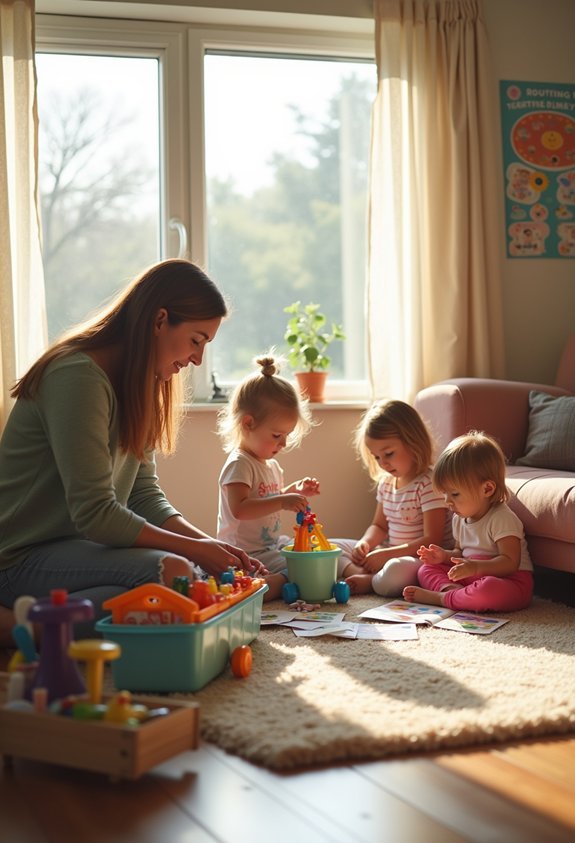
You’ve got the chaos-to-creativity thing rolling, but let’s be real: your kid still can’t live like a tiny raccoon set loose in a HomeGoods. Boundaries keep the fun from turning into a crime scene.
Start boundary setting by stating clear expectations in simple, repeatable lines: “Blocks stay on the mat. Paint stays on paper.”
Then back it up with rule reinforcement through playful learning. Turn rules into engaging activities: a “toy jail” for runaway cars, a timer race for cleanup, or interactive storytelling where stuffed animals forget the rules and your child fixes it.
Use positive reinforcement like high-fives, silly dances, and extra story picks. Routine consistency—same order, same phrases—helps your kid know, “Ah, this is what we do now.” Most days, at least.
Building a Calmer Home: Practical Daily Habits That Stick
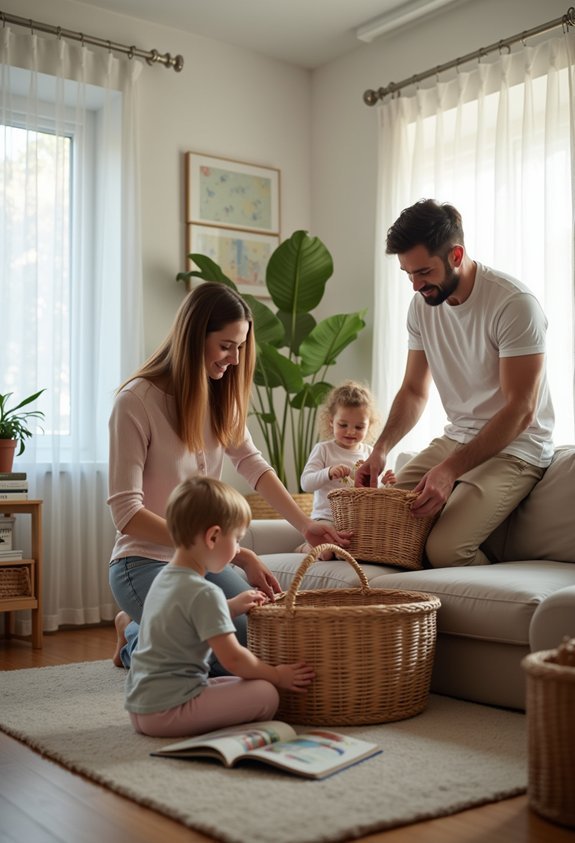
On the days your house feels like a live-action tornado, what you’re really craving isn’t magic—it’s habits that don’t fall apart by Wednesday.
Think less “perfect mom,” more “small systems that survive a tantrum.” You build calm spaces and mindful routines, not by buying new bins, but by changing tiny moments you already have.
Start with simple, boring-on-purpose habits:
- Two-minute toy sweep before snacks—no clean, no crackers.
- Shoes and backpacks always land in the same “drop zone” by the door.
- Quiet-start mornings: dim lights, soft voices, zero screens for the first 20 minutes.
- Five-minute reset after dinner: trash out, counters wiped, one “hot spot” cleared.
These tiny loops train your kids’ brains, lower the drama, and make “alone time” less like wild circus chaos.
In case you were wondering
How Do I Explain My Child’s Chaotic Behavior to Skeptical Grandparents or Relatives?
You explain your child’s chaos as normal development, using simple behavioral explanations about brain growth, impulse control, and sensory needs, and you invite family communication so grandparents share concerns, listen openly, and support consistent boundaries.
Can Personality Type Make Some Kids Naturally Messier or Noisier Than Others?
Yes, personality type matters; if kids came factory-installed with mute buttons, you’d own one already. Certain personality traits drive big feelings and messy tendencies, so you’re seeing temperament, not ‘bad behavior,’ though limits teach respect.
How Does Birth Order Influence Which Child Causes the Most Chaos at Home?
Birth order shapes who causes the most chaos because you see firstborn tendencies toward control, rule-following, and quieter rebellions, while middle child chaos emerges from attention-seeking experiments, boundary-testing, and clashes with older and younger siblings.
Are There Cultural Differences in What’s Considered “Too Messy” or “Too Loud”?
Yes, you’ll see big differences: some cultures accept louder play and bigger messes, while others expect quiet tidiness. Your sense of limits reflects cultural norms, living space, and parenting styles, so families may seem extreme.
When Should I Seek Professional Help for Behavior That Seems Beyond Typical Chaos?
You should seek professional help when chaos disrupts life for months or involves aggression or regression. With nearly 1 in 6 kids affected by developmental issues, behavioral assessments and early intervention give clarity, next steps.
Conclusion
So now you get it: your kid’s not a tiny tornado out to ruin your life… they’re more like a puppy with markers and zero brakes. When you tweak the space, set simple rules, and stay calmly nearby, you don’t just stop chaos—you steer it. Try one tiny change today. Then another tomorrow. Before you know it, you’ll look around and think, “Wow. Same kids, same house… way less disaster.”