How to Teach Kindness Through Family Activities
You teach kindness best by sneaking it into normal life, like veggies in pasta sauce. Try “Thankful Thursday” at dinner where everyone shares one kind thing they did or saw. In the car, play “spot the good guy” when someone lets you merge. At home, give a silly “kindness trophy” (yes, a spatula counts) to whoever was extra helpful that day. Even fights can end with repairs, like hugs or notes—and that’s just the start.
Key Takeaways
- Create simple family rituals, like “Thankful Thursdays” or a rotating kindness trophy, to regularly notice and celebrate kind actions at home.
- Use daily routines—morning greetings, mealtimes, car rides, and bedtimes—to talk about kindness given, kindness received, and how others might feel.
- Play empathy-building games, such as feelings charades, puppet role-plays, or cooperative challenges, to help kids practice understanding perspectives and working together.
- Do community service together—food drives, cleanups, shelter help, or charity events—so children experience kindness as active, shared contribution.
- Treat sibling and family conflicts as practice moments, guiding kids to name feelings, listen fully, and brainstorm kind repairs like apologies or helpful actions.
Building a Family Culture of Kindness
Even if your house sometimes feels like a zoo that lost its zookeeper, you can still build a family culture of kindness on purpose.
Think of your home like a tiny country, and you’re in charge of the vibe. You set the tone with what you cheer, what you repeat, and what you treat as normal. That’s where family traditions come in.
Your home is a tiny country, and your everyday rituals quietly become its laws and language
You might do “Thankful Thursdays,” where everyone shares one kind thing they noticed. Or a weekly “kindness trophy” that rotates to whoever went out of their way to help.
These small kindness rituals send a loud message: In this house, we notice goodness, we celebrate it, and we expect it from each other.
Over time, it shapes how your kids see people.
Everyday Routines That Model Compassion
Some of the best lessons in kindness don’t happen in big “teachable moments” at all—they hide in boring, everyday stuff like breakfast, car rides, and bedtime chaos.
Your morning rituals can set the tone. When you greet your kids with a smile instead of a grumble, you’re saying, “People matter more than schedules.” Help a sleepy kid find socks, and boom—tiny act of compassion.
During mealtime conversations, ask, “Who did you help today?” and “Who helped you?” Share your own answers, even the awkward ones.
In the car, let someone merge and point it out: “We just did a mini good deed.”
At bedtime, say one kind thing you noticed about each other. It sinks in. Over time, kindness feels normal, not forced anymore.
Creative Play and Games That Encourage Empathy
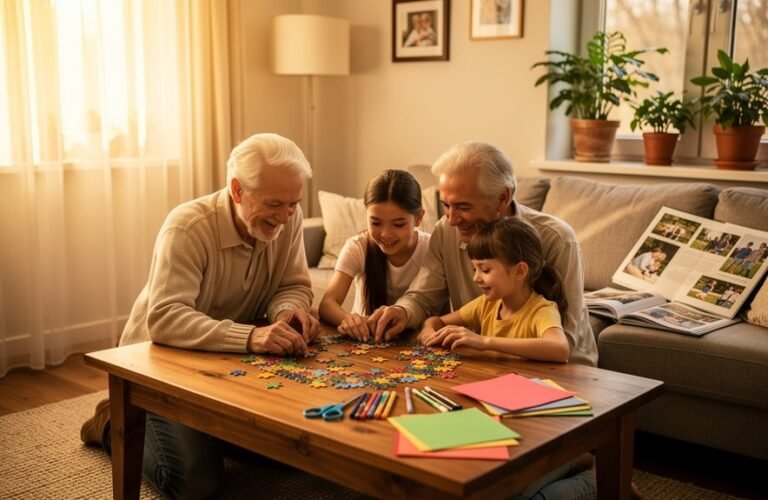
Your daily routines teach a lot, but the real secret lab for kindness might be your living room floor, right between the Lego minefield and the pile of stuffed animals.
Play is where kids test-drive empathy without wrecking anything major, except maybe your sanity.
Try games that make kids step into someone else’s shoes—sometimes literally.
- Act out imaginative storytelling with puppets who argue, apologize, and make up.
- Play “Feelings Charades,” and guess emotions instead of movie titles.
- Build a blanket fort that only opens when everyone uses kind words.
- Set up cooperative challenges, like crossing the room on pillows without “falling in lava.”
- Switch roles: kids become parents, parents become kids, and everyone survives snack time.
You’ll laugh, but you’ll also grow softer together.
Community Service Projects You Can Do Together
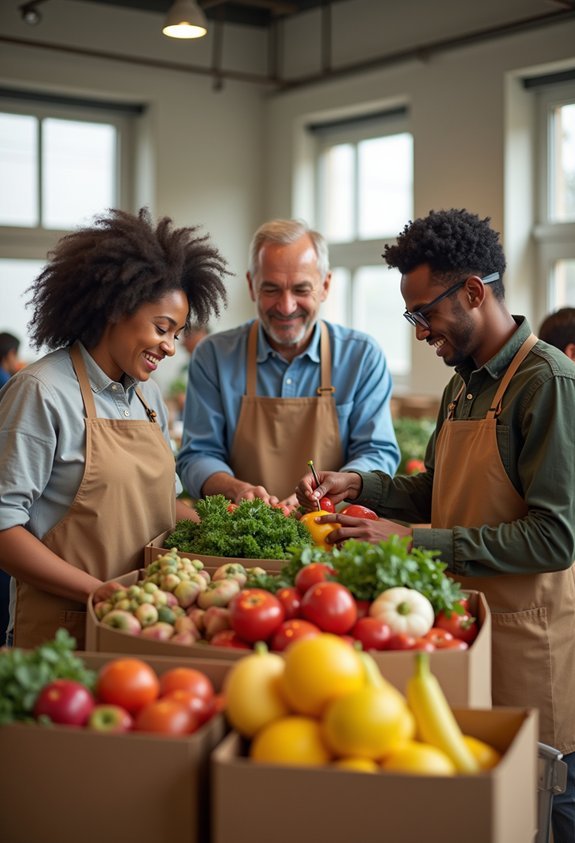
When you step outside your front door and actually do something kind together, kindness stops being a “nice idea” and starts being a real, messy, amazing thing your kids can feel in their bones.
Think of community service like a family field trip, just with less gift shop and more heart.
Look for simple volunteering opportunities: help at local shelters, pass out snacks, walk dogs, read to kids.
Join charity events or organize tiny fundraising activities, like a backyard bake sale with crooked cookies.
Plan food drives where your kids pick cans, bag them, and deliver them.
Try environmental cleanups at a park or creek; hand your kid a trash bag and they suddenly become “Litter Police.” They love bossing grown-ups about garbage detail.
Handling Conflicts as Opportunities to Practice Kindness
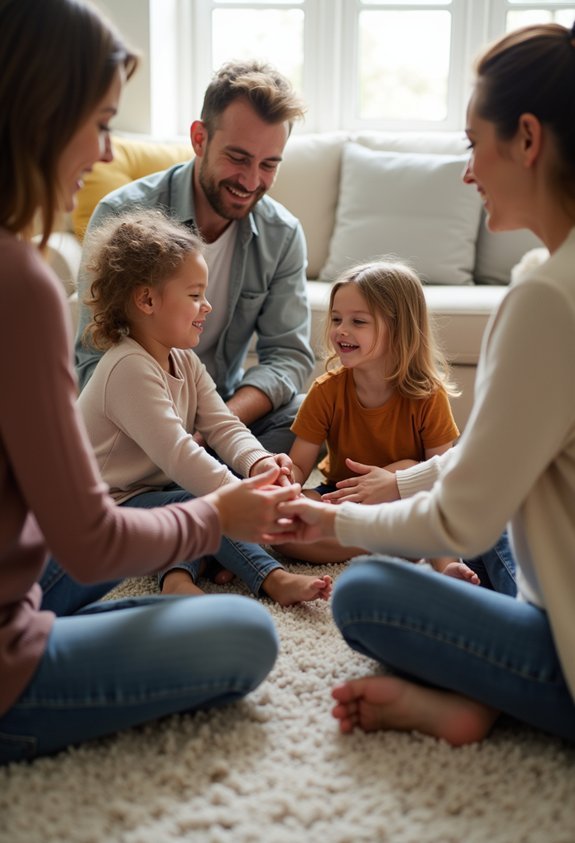
Even in the happiest homes, kids will scream, doors will slam, and someone will shout, “THAT’S NOT FAIR!” like they’re in a courtroom drama.
When that happens, you don’t just break up the fight; you turn it into a kindness lesson. Hit pause and slow everyone down. Ask, “What happened?” then let each kid talk without interruptions.
- Let each child tell their side while you repeat it back.
- Do quick empathy exercises: “How do you think they feel right now?”
- Name the feeling: mad, hurt, ignored, jealous.
- Brainstorm conflict resolution ideas both sides can live with.
- End with a tiny repair: apology, hug, drawing, or helpful favor.
You’re not raising perfect kids; you’re raising kids who know how to repair.
That’s everyday kindness practice.
Keeping Kindness Going as Kids Grow
Conflicts and “THAT’S NOT FAIR!” showdowns are like a kindness gym, but you don’t want kids who are only kind right after a screaming match—you want kindness that sticks as they grow up and get moodier, taller, and suddenly obsessed with Wi‑Fi.
You still lead the way, just in sneaky, age‑proof ways. Talk about real stuff: gossip, group chats, lunch drama. Ask, “How do you think they felt?” then actually listen. That’s how empathy development keeps growing past the cute stage.
Watch for kindness milestones, like when your kid comforts a friend without being asked. Celebrate it. Not with a trophy, but with, “I saw that. That was huge.”
Keep family give-back habits going too—helping neighbors, sharing rides, checking in. Teens roll eyes, whatever.
In case you were wondering
How Can Separated or Blended Families Consistently Teach Kindness Across Multiple Households?
You align shared values, agree on co parenting strategies, model empathy, communicate openly, praise kind choices in both homes, and use routines and stories for consistent kindness reinforcement that helps kids feel secure and respected.
What if One Parent Doesn’T Prioritize Kindness the Same Way the Other Does?
What can you do when one parent downplays kindness? You model empathy, explain your values, and seek gentle parental alignment. You openly name kindness differences, reassure your child, and create consistent rituals in your home.
How Do We Teach Kindness When a Child Has Experienced Bullying or Trauma?
You teach kindness by first validating their pain, prioritizing emotional healing, and modeling gentle boundaries. You don’t rush conversations, celebrate small brave moments, and use resilience building activities to reconnect them with empathy and trust.
How Can Digital and Social Media Use Be Aligned With Our Family’s Kindness Values?
You align media use with kindness by co-creating guidelines, modeling digital empathy, and pausing before posts. You ask, “Does this respect others?” before social sharing, celebrate uplifting content, and privately address hurtful messages with care.
How Do We Support a Shy Child in Showing Kindness Without Overwhelming Them?
You unleash a galaxy of kindness by letting your shy child start tiny. Offer gentle encouragement, model small gestures, praise quiet efforts, and never rush; you protect their sensitivity while slowly stretching their courage daily.
Conclusion
So now you’re thinking, “Cool, but my family is chaos. We can’t even agree on pizza toppings.” Exactly. That’s why this works. You don’t need perfect kids or a calm house. You just need small, messy moments: saying sorry, helping with dishes, cheering someone up after a rough day. That’s where kindness sneaks in and grows. Keep it simple, keep it fun, keep going. Your family’s not broken—it’s training for the kindness Olympics.